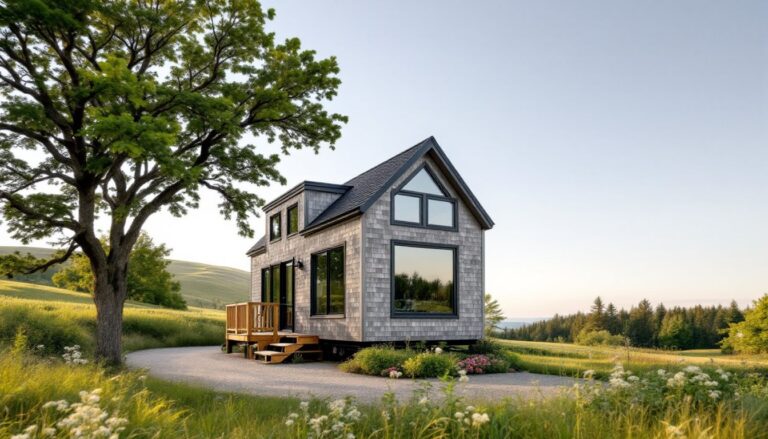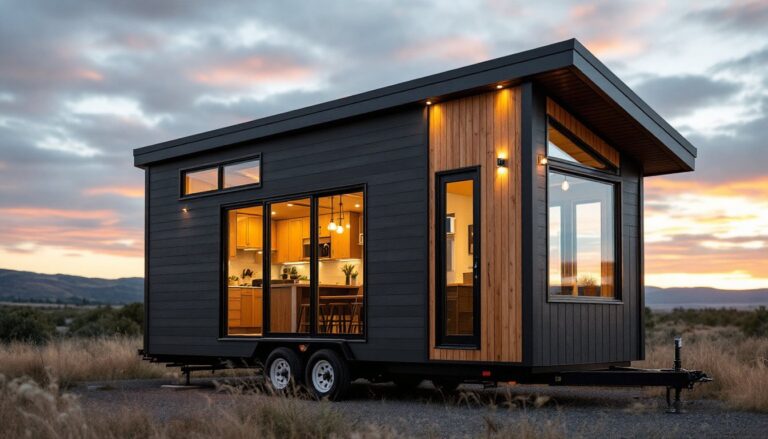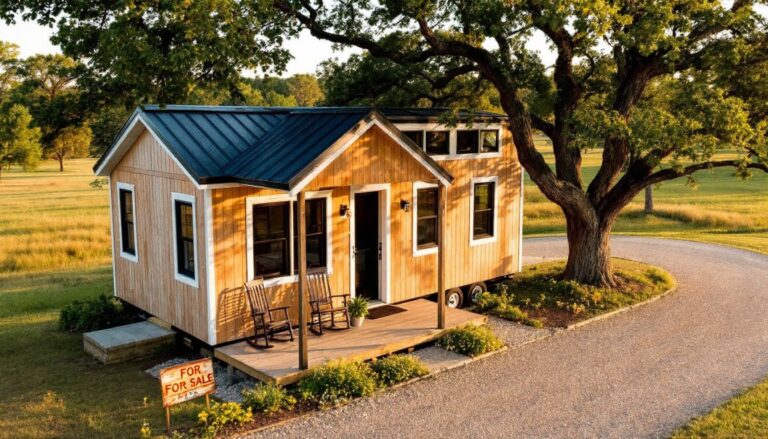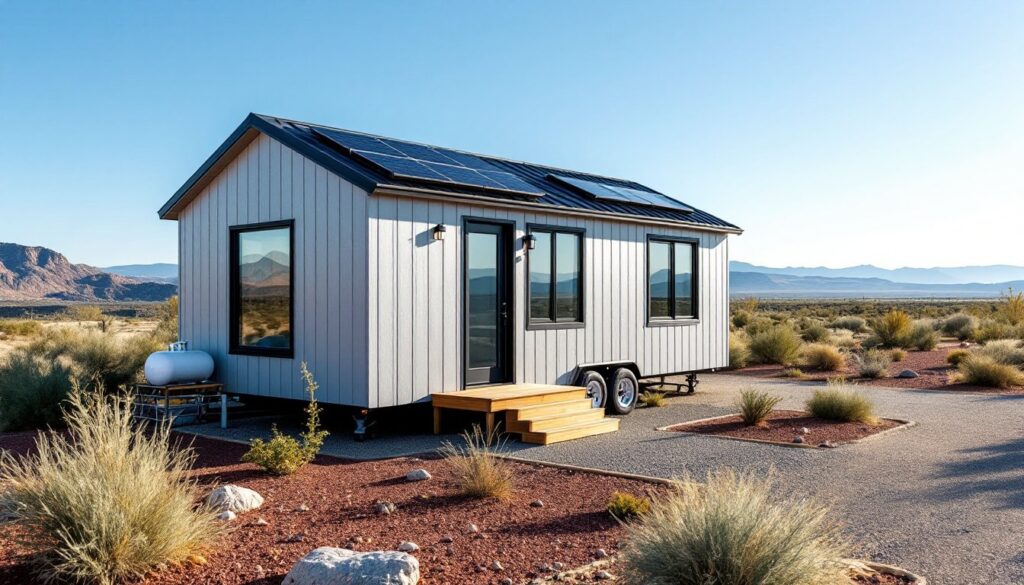

Homelessness isn’t just a statistic, it’s a structural problem that cities across the U.S. are tackling with everything from shelters to voucher programs. But one approach is gaining serious momentum: tiny house villages. These aren’t lifestyle experiments or backyard studios. They’re purpose-built micro-dwellings designed to get people off the street, into stable housing, and connected to services. In 2026, dozens of communities are discovering that a 64- to 120-square-foot structure can deliver what sprawling shelters often can’t, dignity, security, and a foundation for rebuilding.
Table of Contents
ToggleKey Takeaways
- Tiny houses for homeless populations offer privacy and dignity at a fraction of the cost of traditional supportive housing, with units built for $10,000–$20,000 compared to $300,000+ for permanent supportive housing.
- Successful tiny house villages combine individual micro-dwellings (64–120 square feet) with shared facilities and on-site case management services, reducing average stays from six months to two years as residents transition to permanent housing.
- Effective tiny house projects require updated zoning codes, community buy-in, and strong management partnerships between nonprofits, municipalities, and local organizations to overcome NIMBY resistance and permitting challenges.
- Real-world examples like Dignity Village in Portland, Community First Village in Austin, and Othello Village in Seattle demonstrate that tiny house communities can work at scale when paired with job training, medical care, and peer support systems.
- Tiny houses for homeless solutions are not a universal fix and work best as one tool within a broader housing continuum alongside permanent supportive housing and services for families and individuals with complex needs.
Why Tiny Houses Are Gaining Traction as a Homeless Solution
Traditional shelter models have limitations. They’re crowded, offer little privacy, and often operate under strict curfews. Many people experiencing homelessness, especially those with trauma or disabilities, avoid congregate shelters entirely.
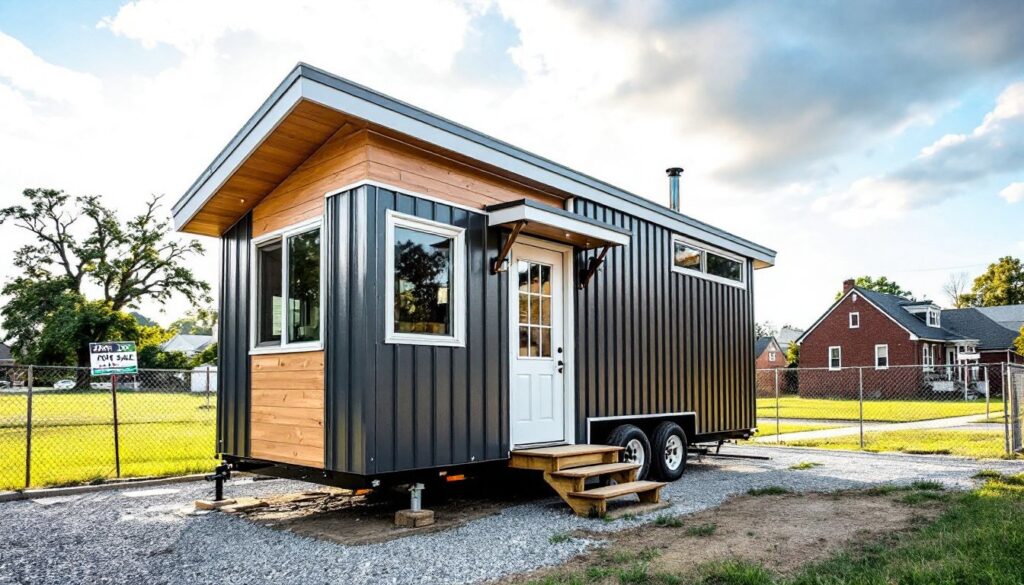
Tiny houses flip the script. Each unit typically ranges from 64 to 120 square feet, with a locking door, a bed, climate control, and sometimes basic plumbing. Residents get personal space without the chaos of a shared dorm. That privacy matters: studies show that transitional housing with individual units leads to better mental health outcomes and higher retention rates than traditional shelters.
Cost is another driver. Building or placing a tiny house costs $10,000 to $20,000 per unit on average, far less than the $300,000+ price tag for a single unit of permanent supportive housing in many metros. Villages can be stood up quickly on vacant lots, church land, or underused municipal parcels. Some use salvaged materials or modular construction to cut costs further.
There’s also the legal and zoning angle. Many cities are updating codes to allow transitional micro-housing on land that wouldn’t qualify for conventional multifamily development. That regulatory flexibility, combined with lower per-unit costs, means municipalities can house more people faster. It’s not a silver bullet, but it’s a pragmatic bridge between the street and permanent housing.
How Tiny House Villages Work for Homeless Populations
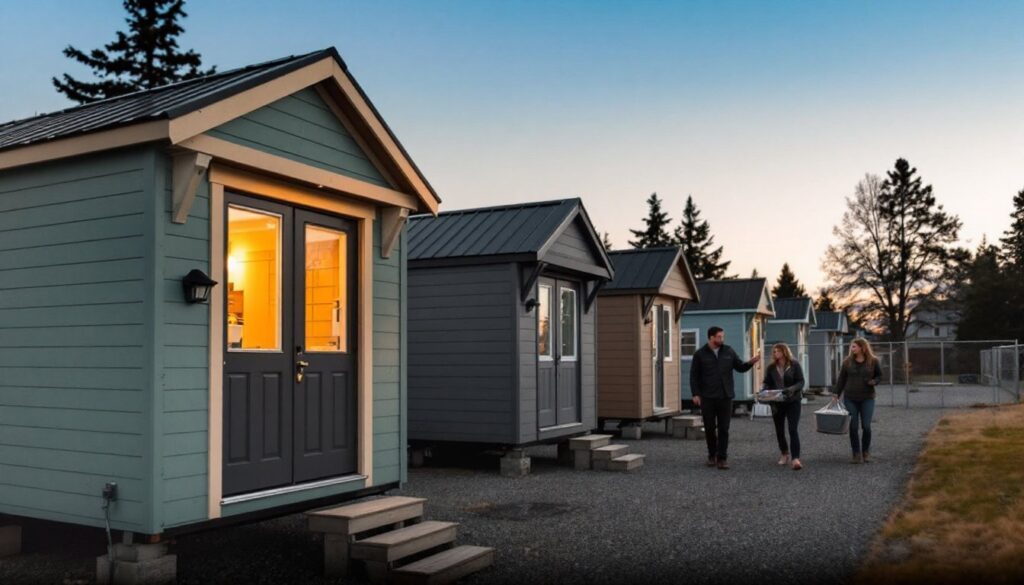
A tiny house village isn’t just a cluster of sheds. Most successful models combine micro-dwellings with shared infrastructure and on-site services. Residents get their own unit, but they share restrooms, showers, laundry, a kitchen, and a common area.
Villages are typically managed by a nonprofit or municipal housing authority. Case managers work on-site, connecting residents to mental health care, job training, substance use treatment, and permanent housing waitlists. The goal is transitional, not permanent, average stays range from six months to two years.
Some villages are self-managed, with resident councils handling chores, conflict resolution, and community rules. This peer accountability model has shown success in cities like Portland and Eugene, where residents take ownership of the space and help newcomers adjust.
Security is usually straightforward: perimeter fencing, controlled entry, and sometimes a staffed gate. Many villages ban drugs and alcohol, though harm-reduction models are emerging that focus on safety and connection over zero-tolerance policies. Support for emergency tiny home shelters has grown as cities seek scalable crisis housing.
Design and Construction Considerations
Building for this population requires rethinking typical tiny home design. Durability trumps aesthetics. Walls are often 2×4 studs on 16-inch centers with plywood sheathing and metal or fiber-cement siding, materials that resist vandalism and weather better than vinyl or T1-11.
Insulation is critical. Many villages use R-13 fiberglass batts in walls and R-30 in ceilings to meet energy codes and keep heating costs low. Some builders opt for spray foam in climates with extreme temps. Electric baseboard heaters or mini-split heat pumps provide climate control.
Foundations vary. Some units sit on pressure-treated 4×4 skids for portability. Others use concrete piers or a gravel pad with a treated frame. If the village is on leased land, keeping structures mobile is smart, you can relocate the whole setup if the lease ends.
Electrical is straightforward: each unit gets a 20-amp circuit for outlets, lighting, and a heater. Some villages run underground conduit from a central panel: others use temporary above-ground wiring if the site is short-term. Either way, work must meet NEC standards, most jurisdictions require permits and inspections, even for transitional housing.
Plumbing is trickier. Many villages use a central restroom/shower building to avoid running water and sewer to each unit. If individual units do have plumbing, they’re typically grid-tied to municipal water and sewer or a shared septic system. Composting toilets and graywater systems are rare in this context, municipalities prefer code-compliant, inspectable systems.
Doors and windows need to lock securely. Use residential-grade deadbolts and windows with interior locks. Ventilation is non-negotiable: a small operable window or roof vent prevents mold and gives residents control over airflow. Certain tiny home grant programs now prioritize funding for transitional housing projects with proven design standards.
Real-World Examples of Successful Tiny House Communities
Dignity Village in Portland, Oregon, is one of the oldest, operating since 2000. It’s a self-governed community with around 60 residents living in tiny houses and other structures. Residents manage day-to-day operations, and the village has weathered political and zoning battles to remain a stable model.
Community First. Village in Austin, Texas, houses over 200 formerly homeless individuals on a 51-acre master-planned site. It includes tiny houses, RVs, and micro-homes, plus communal kitchens, medical facilities, and even a job training center. The model integrates work opportunities, residents can earn income through on-site businesses like a woodshop and market garden.
Emerald Village in Eugene, Oregon, offers transitional housing with case management and peer support. Built and managed by Opportunity Village Eugene, it uses a self-governance model and has successfully moved dozens of residents into permanent housing.
Othello Village in Seattle provides 40 tiny houses on a city-owned lot. Managed by the Low Income Housing Institute, it offers immediate shelter with on-site services. The village is fenced, with staff present 24/7, and has become a proof-of-concept for rapid deployment of micro-housing.
These projects demonstrate that tiny house communities can work at scale when paired with services, land access, and strong management. They also show the value of community buy-in, villages that engage neighbors and address concerns upfront face fewer roadblocks.
Challenges and Criticisms of the Tiny House Approach
Tiny house villages aren’t without critics. Some argue they’re a Band-Aid on a wound that needs surgery, namely, a shortage of affordable permanent housing. If cities invest heavily in tiny houses but don’t build long-term units, residents may cycle through transitional housing with nowhere to go next.
There’s also the NIMBY problem. Neighbors often resist tiny house villages, citing concerns about property values, safety, and whether the village will attract crime. Public meetings can get heated. Successful projects invest time in community outreach, share data on outcomes, and sometimes offer design concessions (like better screening or landscaping).
Zoning and permitting remain hurdles. Not all municipalities have codes that accommodate transitional micro-housing. Some villages operate in legal gray zones or under temporary use permits that expire. Long-term stability requires updated ordinances, and that takes political will.
Cost-per-outcome is another debate. While tiny houses are cheaper to build than traditional housing, operating costs, staffing, utilities, maintenance, services, add up. Some studies suggest cost-per-exit to permanent housing is comparable to other interventions, but the data is still emerging.
Finally, tiny houses don’t work for everyone. Families with kids, people with severe disabilities, or those who need intensive medical care may need different solutions. Tiny house villages serve best as one tool in a broader housing continuum, not a universal fix.
How to Support or Start a Tiny House Project in Your Area
If you’re interested in supporting or launching a tiny house village, start by researching local nonprofits and advocacy groups. Many cities already have organizations working on homelessness, partner with them rather than starting from scratch.
Volunteer or donate. Existing villages need hands for construction, landscaping, and maintenance. If you’ve got carpentry skills, that’s gold. If not, donate materials, funds, or time on fundraising committees.
Advocate for zoning changes. Attend city council or planning commission meetings. Push for ordinances that allow transitional housing on underused land. Bring data from successful projects in other cities.
Offer land. Churches, businesses, and private landowners can lease or donate parcels. Even a half-acre lot can accommodate 10 to 15 tiny houses plus shared facilities. Make sure the site has access to utilities or can feasibly be connected.
Build partnerships. Successful villages involve multiple stakeholders: housing authorities, health departments, law enforcement, and neighborhood associations. A coalition approach smooths permitting and secures funding.
If you’re a builder or contractor, consider offering pro bono design or construction services. Some villages use volunteer labor for framing and finish work, supervised by licensed tradespeople. Just remember: even transitional housing must meet code. Electrical, plumbing, and structural work should be permitted and inspected.
For those exploring broader sustainable housing, models like solar-powered tiny homes can reduce operating costs and environmental impact. And if you’re inspired by creative space-saving and budget-friendly builds, resources like Young House Love and IKEA Hackers offer DIY ideas that translate well to compact living.
Conclusion
Tiny house villages won’t end homelessness alone, but they’re proving to be a fast, cost-effective way to get people indoors and connected to services. When designed thoughtfully, managed well, and supported by the community, they offer dignity and a real path forward. Whether you’re a builder, advocate, or concerned neighbor, there’s a role to play in making these projects work.