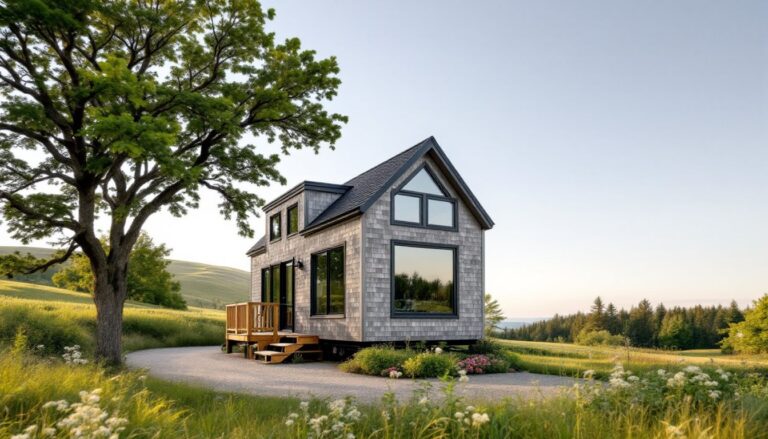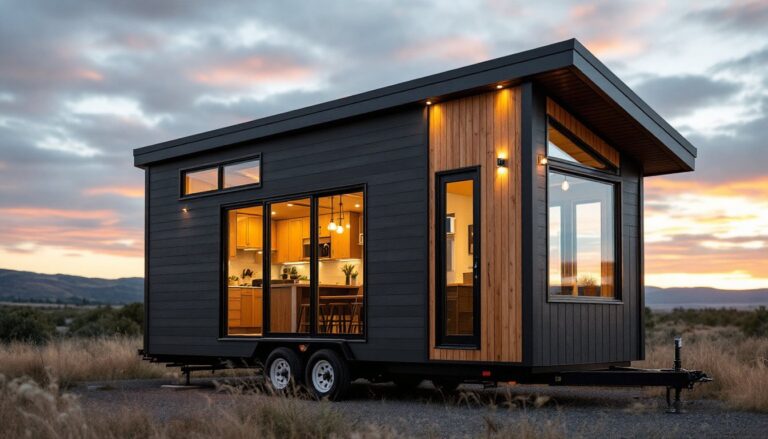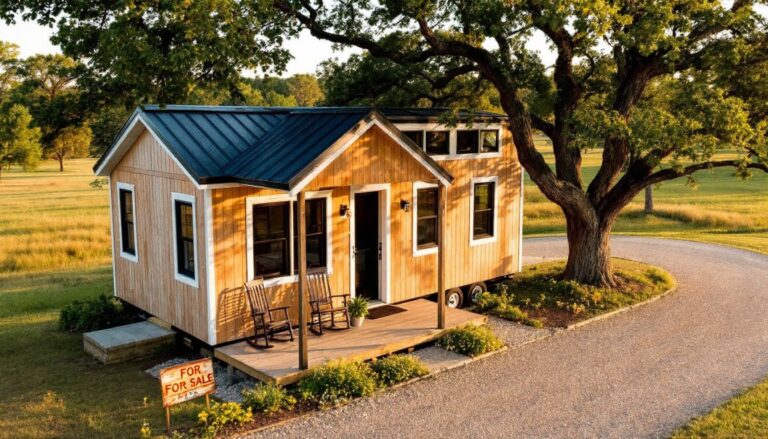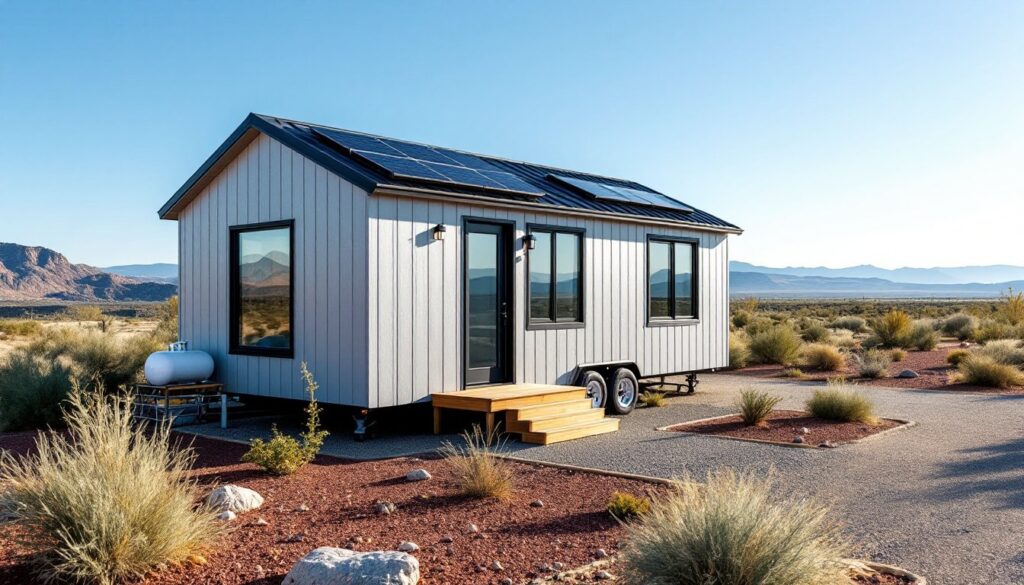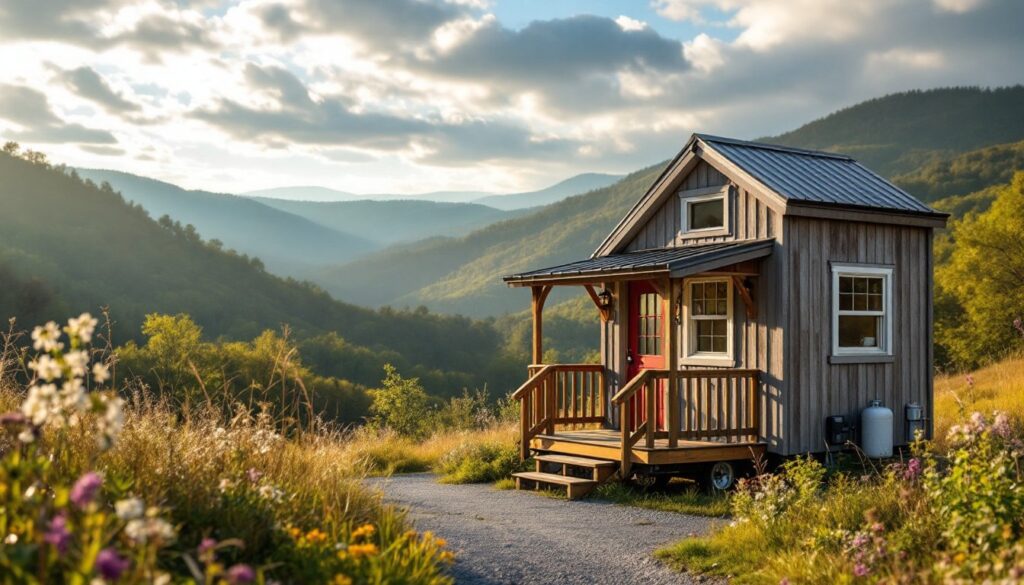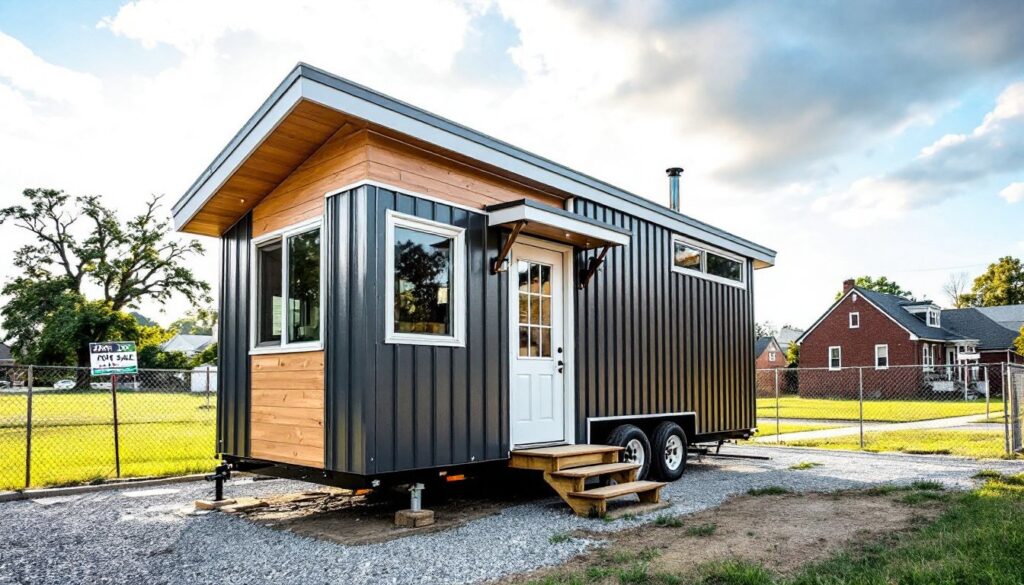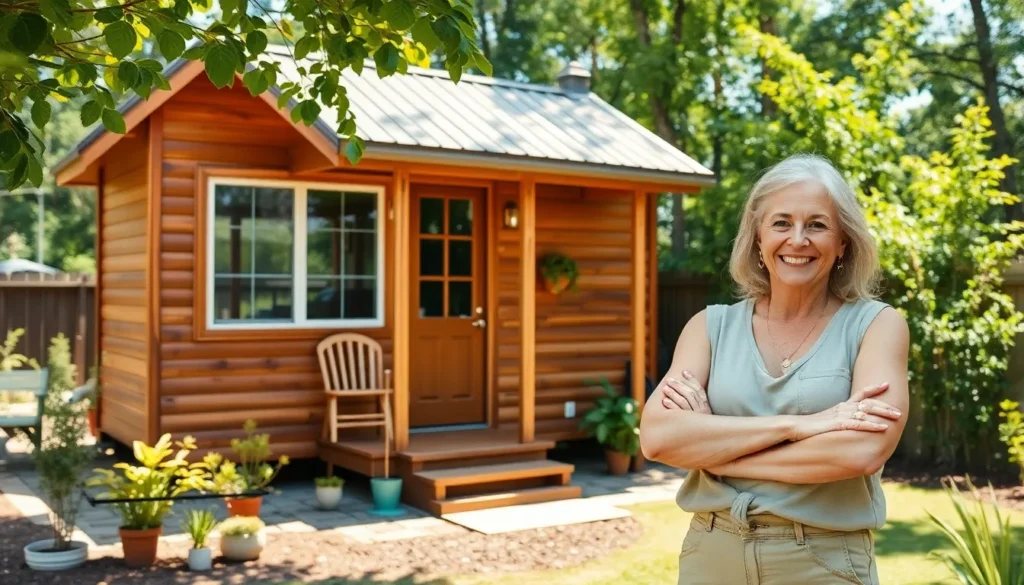

In a world where bigger often seems better, tiny homes are making a bold statement: less is more. These pint-sized abodes offer a cozy escape from the chaos of modern living, proving that you don’t need a mansion to feel at home. But what if financial constraints are keeping that dream just out of reach? Fear not, because tiny home grant programs are here to save the day—and your wallet!
Imagine living in a charming little space that fits your lifestyle and budget, all while getting a little help from the government. These grants can turn your tiny home dreams into reality, and who wouldn’t want to live in a place that’s as cute as a button? Dive into the world of tiny home grant programs and discover how they can help you downsize your space without downsizing your dreams.
Overview of Tiny Home Grant Programs
Tiny home grant programs offer financial assistance to individuals interested in downsizing their living spaces. Designed to promote affordability and sustainable living, these programs make homeownership more attainable. Various organizations, including government agencies and non-profits, provide funding options.
Eligible applicants typically include low-income families, first-time homebuyers, and veterans. Some programs focus on specific demographics, ensuring that assistance reaches those who need it most. Grant amounts vary widely, with some programs offering up to $15,000, depending on the applicant’s needs and the location of the tiny home.
The application process often includes demonstrating financial need, submitting a project budget, and outlining the intended use of the funds. Having clear documentation increases the likelihood of securing a grant. Deadlines for applications can differ significantly among programs, so applicants should stay informed about specific timelines.
Most programs encourage environmentally friendly practices in tiny home construction. Adopting sustainable building materials and energy-efficient designs aligns with the goals of many grant providers. Connecting with local housing authorities can also provide valuable insights about available programs.
Funders often prioritize projects that address affordable housing shortages. Community improvement projects that result in a significant impact on local neighborhoods generally receive favorable consideration. Researchers also note that tiny home initiatives have grown in response to rising housing costs, highlighting the need for innovative solutions.
Exploring these grant opportunities can help individuals achieve their dreams of living in a tiny home. Potential applicants should familiarize themselves with the requirements and deadlines to take full advantage of the available resources. By leveraging these grants, aspiring homeowners can reduce financial barriers and embrace a simpler lifestyle.
Benefits of Tiny Home Grant Programs
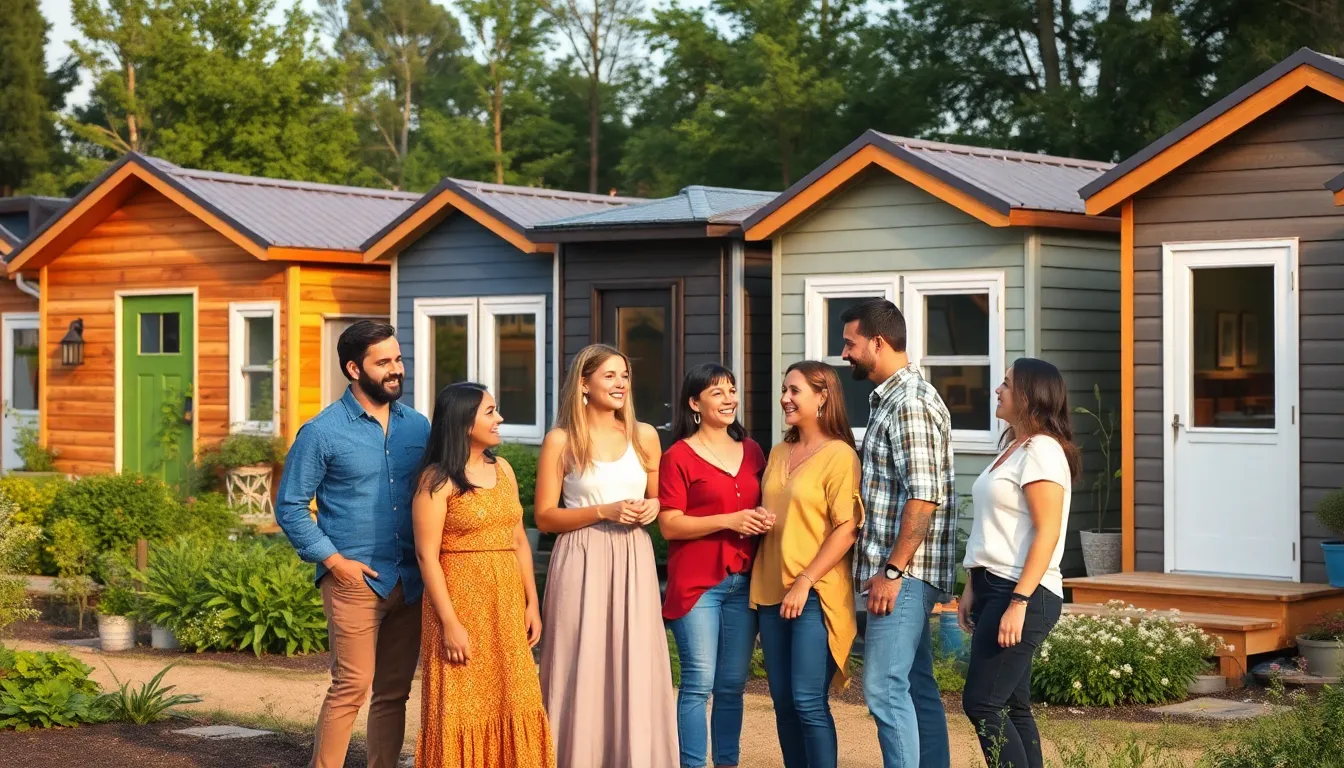
Tiny home grant programs provide various advantages, making homeownership more attainable for many individuals. These benefits significantly factor into decisions about pursuing a tiny home lifestyle.
Financial Assistance
Financial assistance helps reduce the cost burden of purchasing or building a tiny home. Several programs provide grants ranging from $1,000 to $15,000, depending on the applicant’s financial need. Many organizations also assist with covering construction costs or necessary materials. By easing upfront expenses, these grants empower individuals and families to transition to tiny living without deep financial strain. A sustainable approach to financing makes tiny home ownership realistically achievable for low-income families, first-time homebuyers, and veterans.
Community Development
Community development often occurs through tiny home grant programs. These initiatives focus on addressing affordable housing shortages and enhancing neighborhood livability. Grant programs frequently prioritize projects that incorporate environmentally friendly practices, helping to create sustainable communities. When tiny homes spring up in a localized area, they can kickstart revitalization efforts, attracting investment and enhancing local resources. By fostering community connections, these programs also contribute to social cohesion and a supportive living environment among residents.
Eligibility Criteria for Tiny Home Grant Programs
Eligibility for tiny home grant programs often hinges on specific requirements. Applicants must meet certain criteria to access financial assistance effectively.
Income Requirements
Income limits determine eligibility for many grant programs. Low-income families, first-time homebuyers, and veterans frequently qualify for assistance. The income threshold varies by program, typically based on local or regional median income levels. For instance, some grants may target households earning less than 80% of the area median income. Financial documents, such as pay stubs or tax returns, often need submission to verify income levels. Some programs prioritize applicants facing significant financial hardships, ensuring that assistance goes to those in most need.
Project Specifications
Tiny home projects must align with specific standards to qualify for grants. Applicants need to provide detailed project plans, including construction timelines and materials to be used. Programs often require home dimensions to meet certain criteria, typically under 400 square feet. Many grant providers prioritize environmentally sustainable practices, encouraging the use of eco-friendly materials and energy-efficient designs. Additionally, projects should fit within budget limits outlined by the grant program, necessitating a clear financial plan for construction or renovation. Adhering to zoning laws and building codes is essential for program acceptance.
Popular Tiny Home Grant Programs
Various grant programs exist to support individuals and families in their pursuit of tiny home living. These programs cater to different needs and budgets, ensuring ample opportunities for assistance.
Federal Programs
Federal programs provide substantial financial support for tiny home projects. The U.S. Department of Housing and Urban Development (HUD) offers specific funding for sustainable housing initiatives, which often include tiny homes. Programs like the HOME Investment Partnerships Program empower communities by enabling funding for affordable housing. Grant amounts vary significantly; some reach up to $15,000, depending on the project scope and eligibility. Individuals must demonstrate financial need and submit documentation showcasing project plans.
State and Local Programs
State and local programs also contribute to tiny home grant opportunities. Many states offer grants or low-interest loans to promote affordable housing solutions. For instance, California has the California Housing Finance Agency, which supports innovative housing projects, including tiny homes. Local governments often create programs tailored to community needs, directly addressing housing shortages. Applicants typically need to provide proof of income and adhere to specific zoning regulations. Each program has its own application timeline, so potential recipients should check local resources for deadlines and requirements.
Application Process for Tiny Home Grant Programs
Navigating the application process for tiny home grant programs requires careful attention to detail and thorough preparation. Understanding the necessary steps significantly enhances the chances of securing funding.
Required Documentation
Gathering required documentation is crucial for a successful application. Assets typically include proof of income, such as pay stubs or tax returns, which verify financial standing. Applicants also need detailed project plans that outline construction methods and project costs. Zoning compliance documents showcase adherence to local regulations and enhance credibility. Environmental impact assessments may strengthen applications, particularly for programs prioritizing sustainable practices. Finally, letters of support from community organizations can provide additional backing, demonstrating community engagement and project viability.
Tips for a Successful Application
Crafting a successful application involves strategic planning. First, applicants should read the program guidelines carefully and ensure compliance with all requirements. Next, presenting a clear budget detailing anticipated costs fosters transparency and trust. Including a thorough timeline for project completion also enhances credibility as it illustrates project management skills. Preparing for potential interviews with grant officials can clarify any uncertainties in the proposal. Lastly, submitting all documents ahead of deadlines allows for corrections if needed, ensuring a polished final application.
Conclusion
Tiny home grant programs represent a significant opportunity for individuals and families looking to embrace a simpler lifestyle. By providing financial assistance, these initiatives make tiny home ownership more attainable for those facing economic challenges.
As awareness of sustainable living grows, these programs not only assist with housing but also contribute to community development and environmental stewardship.
Exploring available grants can empower aspiring tiny homeowners to realize their dreams while fostering a sense of community and enhancing neighborhood livability. With the right preparation and understanding of eligibility criteria, potential applicants can take meaningful steps toward a more affordable and sustainable future.