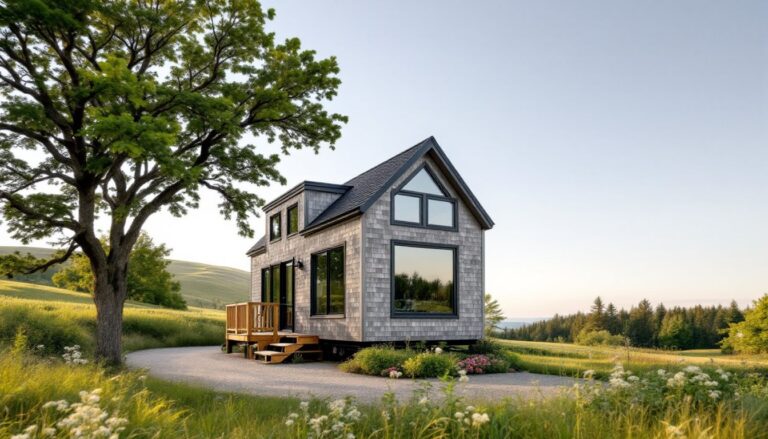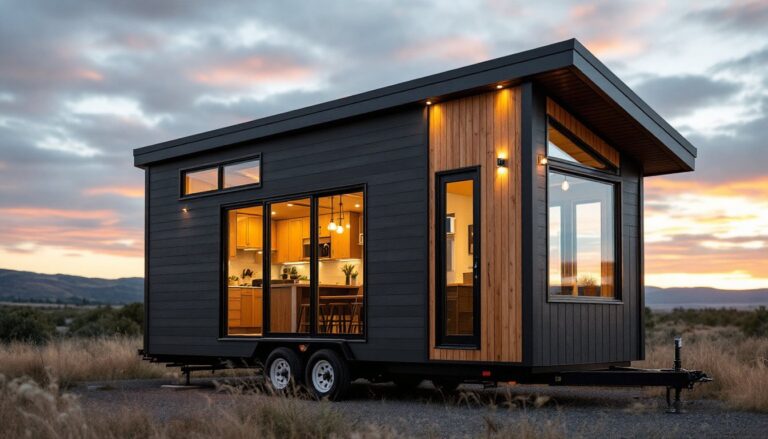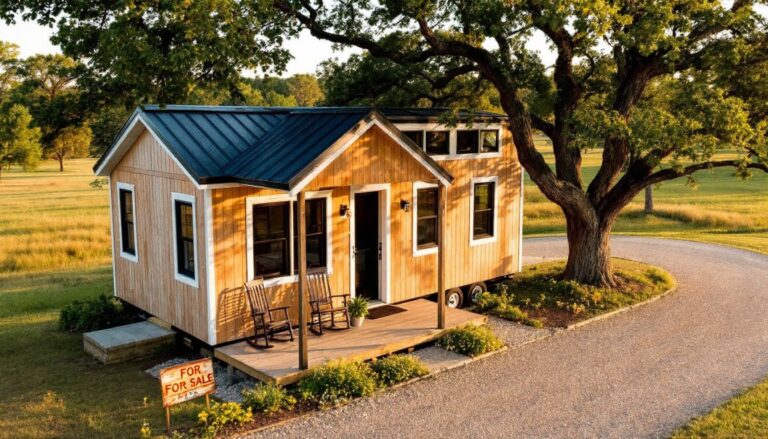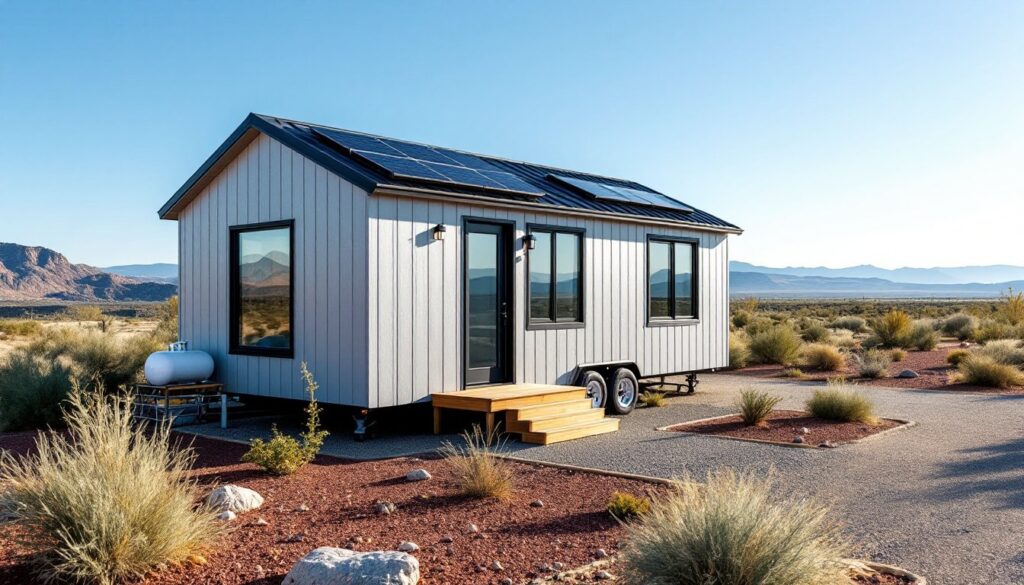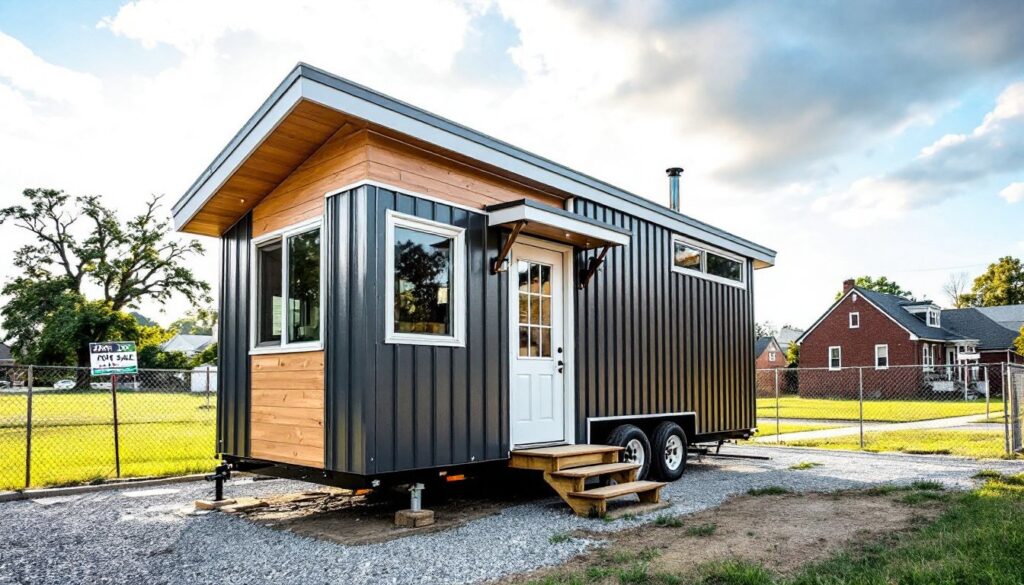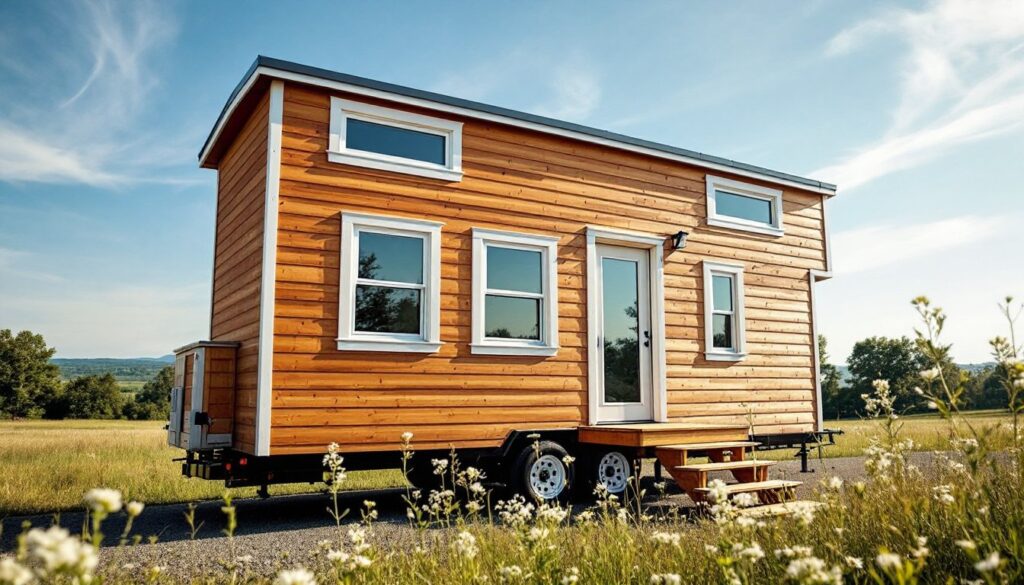

Single-story tiny houses are gaining traction among downsizers, retirees, and anyone tired of climbing a ladder to bed every night. Unlike their lofted counterparts, one level tiny houses eliminate vertical living, putting everything on a single plane. They’re practical, accessible, and increasingly viable as builders refine space-efficient layouts. Whether someone’s planning a permanent downsize, an ADU for rental income, or a mobile micro-dwelling, understanding the trade-offs and design strategies of single-story construction makes all the difference. Here’s what actually works in one level tiny house design.
Table of Contents
ToggleKey Takeaways
- One level tiny houses eliminate the accessibility and safety concerns of lofted designs by keeping all living spaces—bedroom, kitchen, bathroom, and living area—on a single floor without stairs or ladders.
- A one level tiny house typically measures under 400 square feet and comes in three main types: trailers (8.5′ wide × 20–28′ long), foundation models built on permanent slabs, and ADUs zoned as accessory dwelling units.
- Smart design strategies like open floor plans, Murphy beds, vertical storage reaching to 9’–10′ ceilings, and curbless showers maximize functionality and transform a one level layout from cramped to genuinely livable.
- DIY builds can save 30–50% on labor costs but require 6–12 months and significant skill, while turnkey purchases from manufacturers range from $50,000 to $100,000+ and include warranties and code compliance documentation.
- Universal design features such as wide doorways (36″ ideal), flat entryways, grab bar blocking, and accessibility-first planning make one level tiny houses ideal for aging in place and future-proofing against mobility changes.
- Financing and insurance for one level tiny houses differ significantly: trailer-based builds require RV loans and specialty insurance, while foundation builds may qualify for traditional mortgages and homeowners policies if they meet local code requirements.
What Is a One Level Tiny House?
A one level tiny house is a micro-dwelling, typically under 400 square feet, with all living spaces, bedroom, kitchen, bathroom, and living area, on a single floor. There’s no sleeping loft, no ladder, and no vertical circulation beyond maybe a small storage mezzanine.
Most single-story tiny houses fall into one of three categories: trailers (built on RVIA-compliant chassis, usually 8.5′ wide × 20–28′ long), foundation models (built on permanent slabs or crawl spaces), and ADUs (accessory dwelling units permitted under local zoning codes). Trailer-based builds must stay within 13.5′ overall height to remain road-legal in most states, which limits roof pitch and interior ceiling clearance.
Because they lack the vertical advantage of a loft, one level designs demand smarter floor planning. A typical layout might be 24′ long on a trailer, yielding roughly 200 square feet of usable space once wall thickness and mechanical chases are accounted for. Foundation builds can stretch wider, 12′ to 16′, if zoning and setback requirements allow, giving more room for full-size appliances and furniture. For those exploring layouts, reviewing tiny house floor plans can spark ideas around efficient use of every inch.
Why Choose a Single-Story Tiny House Over a Loft Design?
Lofts add square footage without increasing the footprint, but they come with real downsides: awkward access, low headroom, poor ventilation, and safety concerns during nighttime trips to the bathroom. A one level layout trades vertical space for convenience and livability.
Ceiling height becomes a major asset. Without a loft eating up vertical clearance, single-story builds can use the full interior height, often 9′ to 10′ at the ridge, for vaulted ceilings, overhead storage, or simply making the space feel less claustrophobic. This is critical in trailers, where width is capped at 8.5′ and every visual trick counts.
Safety is another factor. Ladders are a trip hazard, especially at night or in emergencies. A flat floor plan eliminates fall risks and makes the home safer for kids, pets, and anyone with balance or mobility concerns. It also simplifies furniture placement, no need to hoist a mattress up a ladder or figure out how to get a dresser into a 3′ tall loft.
Accessibility and Aging-in-Place Benefits
Universal design is where single-story tiny houses shine. A flat entryway (no steps), wide doorways (32″ minimum, ideally 36″), and a curbless shower make the home wheelchair-accessible from day one. Even if mobility isn’t a current concern, building with accessibility in mind future-proofs the space.
Aging in place becomes viable. Retirees downsizing from a full-size home often choose one level layouts specifically to avoid stairs. Adding blocking in bathroom walls during construction allows for future grab bar installation without tearing into drywall later, a simple step that meets IRC Section R307 requirements for reinforcement.
Contrast this with loft designs, which become impractical as occupants age or if anyone develops knee, hip, or back issues. The single-floor plan isn’t just convenient, it’s a long-term mobility strategy.
Essential Design Features for One Level Tiny Houses
Maximizing a one level floor plan requires deliberate choices in layout, storage, and systems. Here’s what separates a cramped box from a functional micro-home.
Open floor plans are non-negotiable. Combining the kitchen, dining, and living areas into one continuous space prevents the layout from feeling segmented. Avoid full-height partition walls: use half-walls, sliding barn doors, or curtains to define zones without blocking sightlines or light. A galley kitchen (24″ to 30″ deep counters) along one wall keeps the central corridor open for movement.
Murphy beds or convertible furniture recover daytime space. A wall-mounted Murphy bed folds up to reveal a living area: alternatively, a convertible sofa-sleeper works if the mattress quality is decent, cheap mechanisms sag and create back problems. Measure carefully: a queen Murphy bed needs at least 92″ of wall width and 24″ of clearance when lowered.
Vertical storage compensates for lost loft space. Install cabinets to the ceiling (using the full 9′ to 10′ height), add overhead racks in the kitchen, and use the space above doorways for shallow shelving. In trailers, secure all overhead storage with positive latches, cam locks or barrel bolts, to prevent cabinets from flying open during transit.
Mechanical systems need smart placement. A split mini-split heat pump (like a 9,000 BTU unit for up to 400 sq ft) mounts high on a wall and avoids eating floor space. Tankless water heaters (electric or propane) save room compared to a 20-gallon tank. Many builders prefer electric for simplicity, but propane offers off-grid capability. Route plumbing and electrical in a central chase to simplify service access.
Natural light prevents cave-like gloom. Use multiple smaller windows rather than one large picture window, it improves cross-ventilation and egress options. IRC Section R310 requires at least one egress window with a minimum 5.7 square feet of clear opening in sleeping areas. Skylights add light without sacrificing wall space for cabinets, though they must be properly flashed to avoid leaks. Effective lighting design transforms the feel of a compact interior, especially when combined with dimmable LED fixtures.
Popular Floor Plans and Layout Ideas
Single-story layouts generally follow a few proven templates, each with trade-offs in privacy, flow, and usable space.
Studio layout: Everything in one open room. The bed sits in a corner or alcove, kitchen along one wall, bathroom at the rear. Works well for solo occupants or couples comfortable with zero privacy. Typical dimensions: 8.5′ × 20′ on a trailer ≈ 170 sq ft interior. Pros: maximum openness, easy to heat/cool. Cons: no separation between sleeping and living, smells from cooking permeate the space.
One-bedroom layout: A partial or full wall separates the sleeping area from the main space. The bedroom might be a 6′ × 8′ alcove with a pocket door or curtain. This adds privacy but reduces the sense of openness. Total square footage needs to be at least 250 sq ft to avoid making both rooms feel like closets. Works best on foundation builds where width can expand to 12′ or more, or on longer trailers (24’–28′).
Bathroom placement is critical. Positioning it mid-plan (between bedroom and kitchen) shortens plumbing runs and creates a natural privacy buffer. A wet bath (toilet, sink, and shower in one waterproofed room, roughly 3′ × 5′) is the most space-efficient option, common in RVs and trailers. Use a curbless shower pan with a center or linear drain for accessibility: products like Schluter KERDI-SHOWER-KIT simplify waterproofing.
Outdoor living extensions stretch usable space. A fold-down deck or covered porch adds square footage for dining or lounging without increasing the conditioned footprint. In warmer climates, this effectively doubles the living area during pleasant weather. Secure fold-down decks with rated hinges (500 lb capacity minimum) and include a locking mechanism to prevent accidental deployment during towing.
For those considering alternative compact builds, <a href="https://westmorehome.com/tiny-container-homes/”>tiny container homes offer a different structural starting point with similar space challenges.
Building vs. Buying: What You Need to Know
Deciding between a DIY build and a turnkey purchase depends on budget, skill level, and timeline. Both paths have clear pros and pitfalls.
DIY builds can save 30% to 50% on labor costs, but require significant time and skill. Framing, electrical, and plumbing are learnable, but expect a 6- to 12-month timeline working weekends. Budget for tools: a compound miter saw, circular saw, cordless drill/impact driver, and basic hand tools are non-negotiable. Total material costs for a basic 200 sq ft trailer build typically run $20,000 to $35,000, depending on finishes and appliance choices (as of 2026 pricing, which fluctuates with lumber and steel costs).
Permits depend on whether the structure is on wheels or a foundation. Trailer-based tiny houses are often classified as RVs and may not require building permits, but check local zoning, many jurisdictions prohibit permanent RV dwelling. Foundation-built tiny houses and ADUs almost always need permits, which means plans stamped by a licensed engineer or architect, inspections at footing/framing/rough-in stages, and compliance with local amendments to the IRC (International Residential Code). Don’t skip permits: unpermitted structures can’t be insured, financed, or legally sold.
Electrical and plumbing work may require licensed contractors depending on jurisdiction. Some states allow homeowner-performed work with permits: others mandate licensed trades. At minimum, have an electrician review the panel and service entrance to ensure NEC (National Electrical Code) compliance, typically a 100-amp service for an all-electric build, 50-amp for RV-style shore power.
Turnkey builds from manufacturers range from $50,000 to $100,000+ for a finished single-story tiny house, including appliances and delivery. Reputable builders will provide a detailed spec sheet, warranty, and proof of code compliance. Ask whether the structure is RVIA-certified (if on wheels) or built to IRC (if on a foundation). Inspect the build in person before final payment, check for level floors, square corners, properly flashed windows, and smooth door operation.
Financing is trickier than conventional mortgages. Trailer-based tiny houses often require RV loans or personal loans (higher interest rates, shorter terms). Foundation builds and permitted ADUs may qualify for construction loans or small mortgages, but many lenders won’t finance structures under 600 square feet. Cash purchases remain the most common route. Anyone working from CAD files should verify they’re engineer-stamped if permits will be required.
Insurance is another consideration. Trailer-based tiny houses need RV or specialty tiny house insurance: standard homeowners policies won’t cover them. Foundation builds typically qualify for standard homeowners insurance, though some carriers balk at square footage under 400 sq ft. Shop multiple providers and expect to pay $600 to $1,200/year for adequate coverage.
Conclusion
One level tiny houses deliver accessibility, safety, and everyday convenience that lofted designs can’t match. The trade-off, less total square footage for the same footprint, demands smarter layout choices and disciplined use of vertical storage. For retirees, individuals with mobility concerns, or anyone who values aging-in-place design, the single-story format is the clear winner. Start with a solid floor plan, respect local codes and permitting, and prioritize quality mechanical systems. Done right, a one level tiny house proves that living small doesn’t mean living poorly.