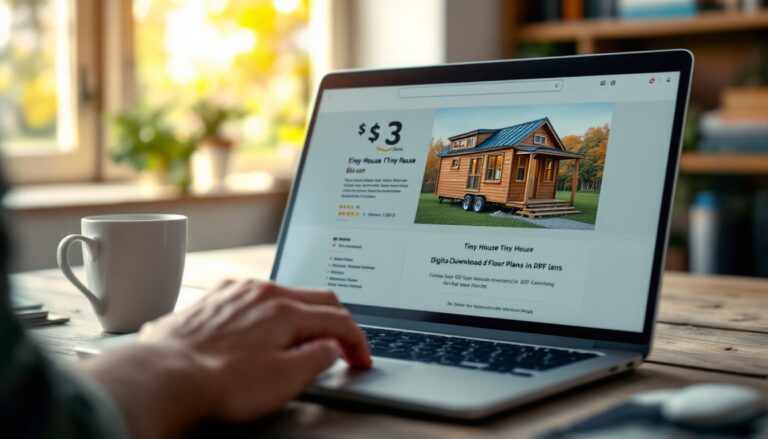

If you’ve scrolled through social media lately, you’ve probably seen the viral claim: a $3 tiny house on Amazon. It sounds too good to be true, and that’s because it is. These listings pop up repeatedly, luring bargain hunters with the promise of instant housing for pocket change. The reality? No one’s shipping a functional dwelling to your door for the cost of a latte. But understanding what’s actually behind these listings, what real options exist, and how to approach tiny house ownership smartly can save time, money, and frustration.
Table of Contents
ToggleKey Takeaways
- The Amazon $3 tiny house listings are misleading—they’re digital downloads like PDFs and floor plans, not actual physical structures or kits.
- Real tiny house options on Amazon and elsewhere require realistic budgets of $25,000–$50,000 for DIY builds and $50,000+ for professionally built units, plus foundation, utilities, and permits.
- Before purchasing any tiny house, verify local zoning laws, foundation requirements, utility connection costs ($5,000–$15,000), and financing options, as traditional mortgages typically don’t cover tiny homes on wheels.
- Legitimate affordable routes include specialty kit manufacturers like Tumbleweed ($7,000–$20,000), trailer-based DIY builds ($15,000–$40,000), or converted shed upgrades ($8,000–$15,000), all requiring significant additional labor and skills.
- Off-grid setups and advanced building techniques require careful planning for electrical systems ($8,000–$15,000), plumbing, and moisture management to ensure safety and code compliance.
- Hire licensed professionals for electrical and plumbing work ($1,500–$3,000 total) while DIYing framing and finish work, and always conduct thorough inspections on used or prefab units before purchase.
What Is the Amazon $3 Tiny House?
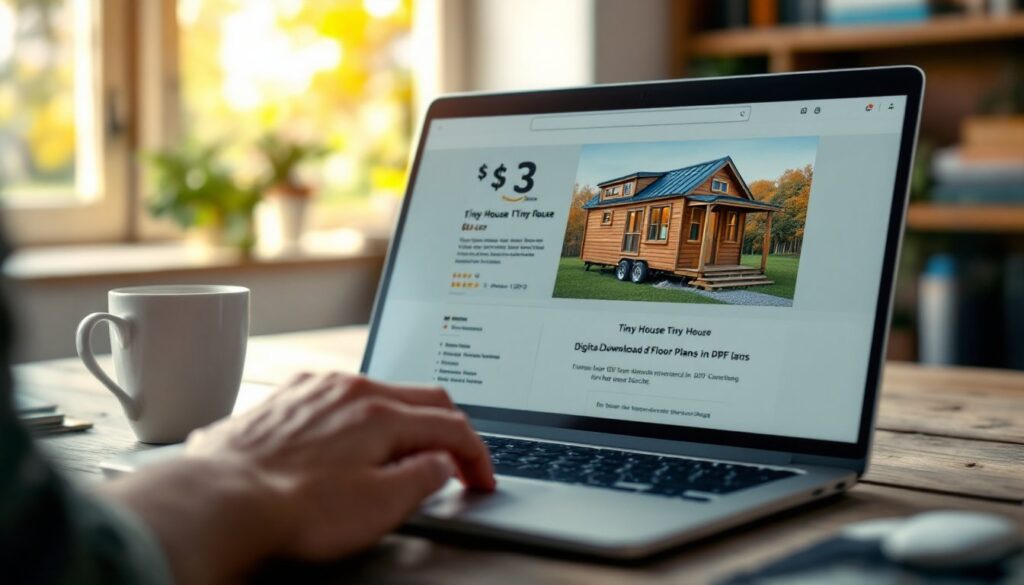
The $3 tiny house listing isn’t a house at all. What appears on Amazon as a “tiny house” for a few dollars is typically a digital download, a PDF with floor plans, DIY building guides, or design templates. Sometimes it’s a set of CAD drawings, a blueprint collection, or an eBook about constructing a tiny home from scratch.
These digital products can be useful if you’re planning a build and need layout inspiration or dimensioned drawings. But they’re not a physical structure, kit, or even raw materials. The listing title and thumbnail image, often showing a completed tiny house, create the impression you’re buying an actual dwelling. That’s deliberate. It drives clicks and impulse purchases from shoppers skimming search results.
Occasionally, the $3 listing is a placeholder price for an item that’s actually sold elsewhere, or it’s a bait-and-switch tactic where the checkout page reveals steep shipping fees or upgrade costs. Either way, no legitimate tiny house structure, shed, or cabin kit sells for $3 on Amazon or anywhere else. Lumber, fasteners, insulation, roofing, and windows alone cost hundreds to thousands of dollars, even for the smallest builds.
Why the $3 Price Tag Isn’t What It Seems
The pricing model relies on confusion and impulse buying. Sellers list digital products under vague or misleading titles, counting on shoppers who don’t read the full description. Once purchased, buyers discover they’ve paid for a downloadable file, not a tangible product.
What You Actually Get for $3 on Amazon
For around $3 to $10, expect one of the following:
- Digital floor plans or blueprints: Basic layouts for tiny houses, often in PDF format. These may or may not include material lists or structural details.
- DIY building guides: Step-by-step eBooks or downloadable manuals covering tiny house construction methods, from framing to finish work.
- Design templates: CAD files or SketchUp models you can modify. Useful if you’re comfortable with design software and want to customize a build.
- Inspiration compilations: Photo collections or mood boards with little practical construction information.
These products have value for someone in the early planning stages, especially if you’re designing a custom build and want reference material. But they won’t help you bypass the real work: sourcing lumber, understanding local building codes, obtaining permits, and either doing the construction yourself or hiring a contractor. A $3 PDF does not replace a contractor’s drawing set or an engineer’s stamp, both of which may be required depending on your jurisdiction and whether the structure is permanent or on a trailer.
Real Tiny House Options Available on Amazon
Amazon does sell actual tiny house–adjacent products, but they’re priced realistically. These include:
- Prefab shed kits: Metal or resin sheds in the $500–$3,000 range. These are uninsulated, unfinished storage structures. With modification, adding insulation, electrical, HVAC, and interior finishes, they can become livable, but expect to double or triple the initial cost.
- Small cabin kits: Wooden cabin kits starting around $5,000–$15,000. These often include wall panels, roofing materials, windows, and doors, but not foundation work, utilities, or interior finishes. Assembly ranges from moderate to complex.
- Glamping pods and backyard studios: Modular units designed as offices, guest rooms, or recreational structures. Prices run $8,000–$25,000+. Many require a concrete slab or pier foundation and local permit approval.
- Expandable container homes: Shipping container–style units that fold out to create living space. These typically cost $15,000–$40,000 and ship as a single prefab module. They’re popular for off-grid or temporary housing but often need customization for climate, utilities, and code compliance.
None of these products are true turnkey homes. All require site prep, foundation work, utility hookups (water, sewer, electric), and often permits. If you’re in a jurisdiction governed by the International Residential Code (IRC), expect minimum square footage, ceiling height, egress window, and structural requirements. Some areas prohibit tiny houses on wheels as primary residences unless parked in an RV park or on land zoned for accessory dwelling units (ADUs).
Affordable DIY Tiny House Kits and Alternatives
If the goal is an actual, livable tiny house without spending six figures, several legitimate routes exist:
- Shell kits from specialty manufacturers: Companies like Tumbleweed and Jamaica Cottage Shop sell plans and kits starting around $7,000–$20,000. These include framing materials, sheathing, roofing, windows, and doors. You handle insulation, electrical, plumbing, and interior finishes. Expect to invest another $10,000–$30,000 depending on finishes and whether you hire help.
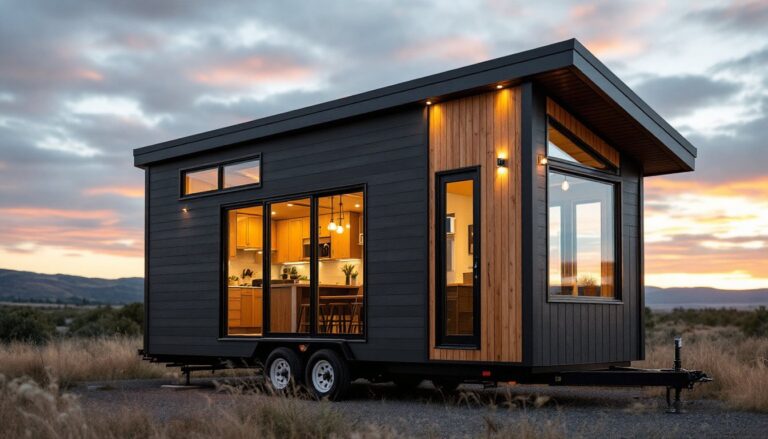
- Trailer-based builds: Buy a flatbed tiny house trailer (dual-axle, rated for 10,000+ lbs) for $4,000–$7,000, then frame and finish it yourself. Total material cost typically runs $15,000–$40,000 for a 16’–24′ unit, depending on finishes and appliances. This route gives maximum customization but requires carpentry skills, access to tools, and time. Budget 500–1,000 hours if working solo.
- Converted sheds: Purchase a wooden shed kit for $3,000–$8,000, then upgrade it. Add spray foam insulation, a mini-split HVAC unit, a small electrical panel, and laminate or vinyl plank flooring. Total investment: $8,000–$15,000. Check local zoning: sheds converted to living spaces often trigger permitting and code requirements, especially if you’re adding plumbing or permanent electric service.
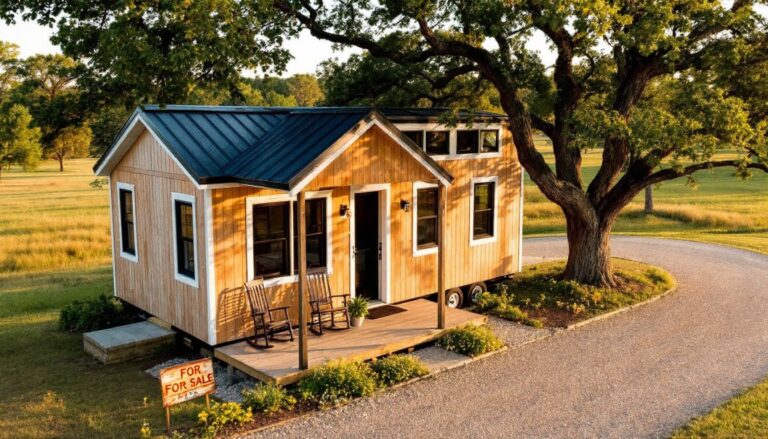
- Used tiny houses: Browse Facebook Marketplace, Craigslist, or Tiny House Listings for pre-owned units. Prices range from $10,000 for basic DIY builds to $60,000+ for professionally built models with high-end finishes. Inspect thoroughly, many DIY builds lack proper moisture barriers, electrical safety, or trailer load distribution.
Resources like tiny house design files can accelerate planning, and options for tiny homes under $10,000 do exist if you’re willing to compromise on size or finishes.
What to Consider Before Buying a Tiny House Online
Impulse-buying a tiny house, even a legitimate one, is a mistake. Here’s what to evaluate first:
Zoning and land use: Not all jurisdictions allow tiny houses. Some ban structures under a certain square footage as primary residences. Others restrict placement of homes on wheels to RV parks. Contact your local building department before purchasing anything.
Foundation requirements: Tiny houses on wheels (THOWs) sit on a trailer and can be moved, but parking one permanently may require permits, utility hookups, and compliance with setback rules. Permanent tiny houses need a foundation, concrete slab, crawlspace, or pier-and-beam, which adds $3,000–$10,000+ depending on soil conditions and frost depth.
Utility connections: Bringing in water, sewer, and electric service can cost $5,000–$15,000 if infrastructure isn’t nearby. Off-grid setups (solar panels, composting toilet, rainwater collection) reduce reliance on utilities but add upfront cost and maintenance complexity. A basic off-grid electrical system with battery storage runs $8,000–$15,000 installed: planning for off-grid power is essential if you’re remote.
Financing: Traditional mortgages don’t cover tiny houses on wheels. You’ll likely need a personal loan, RV loan, or cash. Interest rates are higher than conventional mortgages, and loan terms are shorter. Budget accordingly.
Inspection and warranty: If buying a prefab or used unit, hire a home inspector familiar with tiny houses. Check for water intrusion, mold, electrical safety, and trailer frame condition. Warranty terms vary widely: many small builders offer limited coverage.
Insurance: Tiny houses on wheels often fall under RV insurance, while permanent structures may qualify for homeowners insurance. Premiums depend on location, construction quality, and whether the unit is certified by the Recreational Vehicle Industry Association (RVIA) or similar body. Expect $600–$1,500/year.
Advanced building techniques for permanent tiny homes are covered in detail by sources like Fine Homebuilding, which offers guidance on energy-efficient framing and moisture management.
Better Ways to Build or Buy a Tiny House on a Budget
Skip the gimmicks. Here’s how to approach tiny house ownership realistically:
Start with a clear budget: Include land or parking fees, the structure itself, utilities, permits, and a 15–20% contingency for surprises. A realistic all-in budget for a livable DIY tiny house is $25,000–$50,000: professionally built units start around $50,000 and climb past $100,000.
DIY where you can, hire where you can’t: Framing, insulation, and finish carpentry are approachable for confident DIYers with basic tool skills. Electrical and plumbing work often require licensed professionals and inspections, especially if you’re connecting to grid utilities. Hiring an electrician for a tiny house panel, outlets, and lighting typically costs $1,500–$3,000. Plumbing rough-in (water supply, drain lines, vent stack) runs $1,000–$2,500.
Source materials wisely: Buy dimensional lumber (2×4, 2×6 framing) from a lumber yard, not a big-box store, for better quality and pricing on volume orders. Use T1-11 siding or LP SmartSide for exterior sheathing: both are cost-effective and weather-resistant. For insulation, closed-cell spray foam offers the best R-value per inch in tight wall cavities but costs more upfront. Mineral wool batts are a budget-friendly alternative with good thermal and sound performance.
Consider a simpler first project: If you’ve never built anything, a tiny house is a steep learning curve. Start with a shed, chicken coop, or backyard office to build skills. Many small space living strategies can help you optimize layout and storage before committing to a full build.
Explore grant and assistance programs: Some states and nonprofits offer tiny home grants or low-interest loans to support affordable housing initiatives. Eligibility varies, but it’s worth researching if you’re building to reduce housing costs or pursue sustainable living.
Join a community or workshop: Tiny house building workshops, offered by companies like Tumbleweed, let you work alongside experienced builders for a week. You’ll leave with hands-on skills and realistic expectations. Online forums and local meetups provide troubleshooting help and material sourcing tips.
Don’t overlook retirement planning: For those downsizing in later years, a tiny home for retirement can reduce expenses and increase mobility, but careful planning around accessibility, climate control, and proximity to healthcare is critical.
Finally, budget-friendly creativity helps. Platforms like IKEA Hackers showcase clever adaptations of affordable furniture and cabinetry that work well in tight quarters, perfect for tiny house interiors where every inch counts.