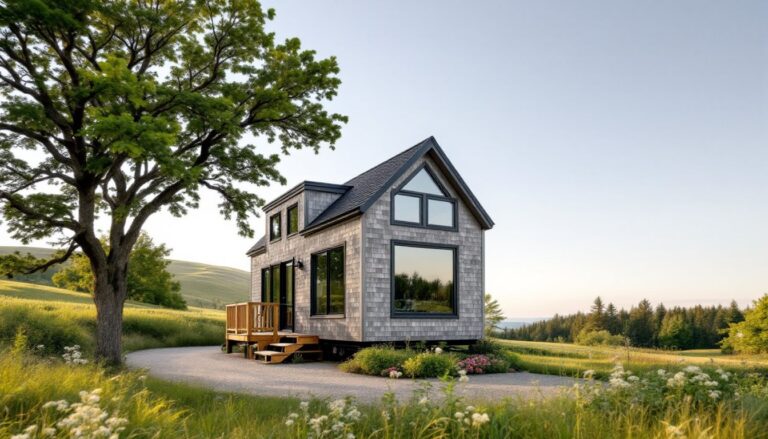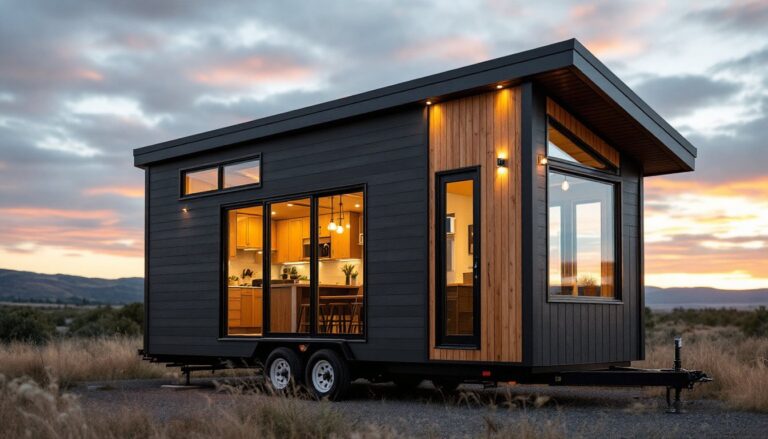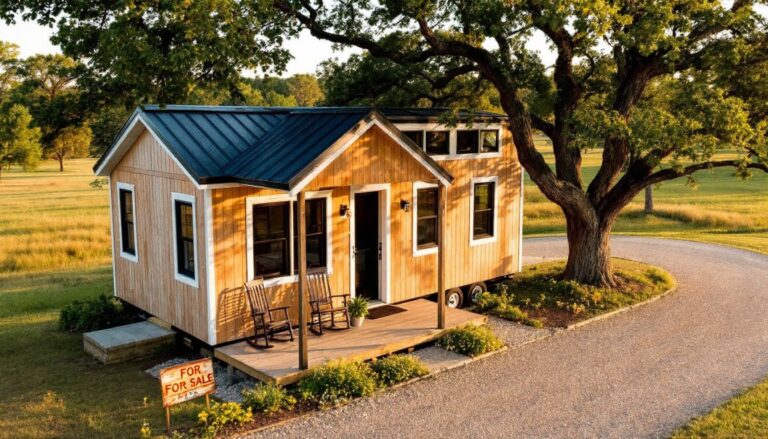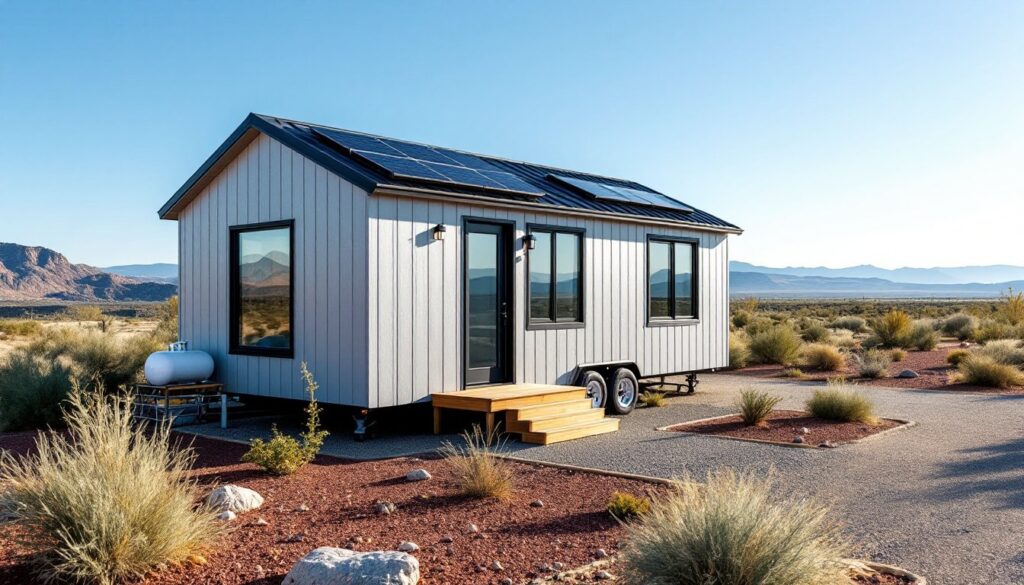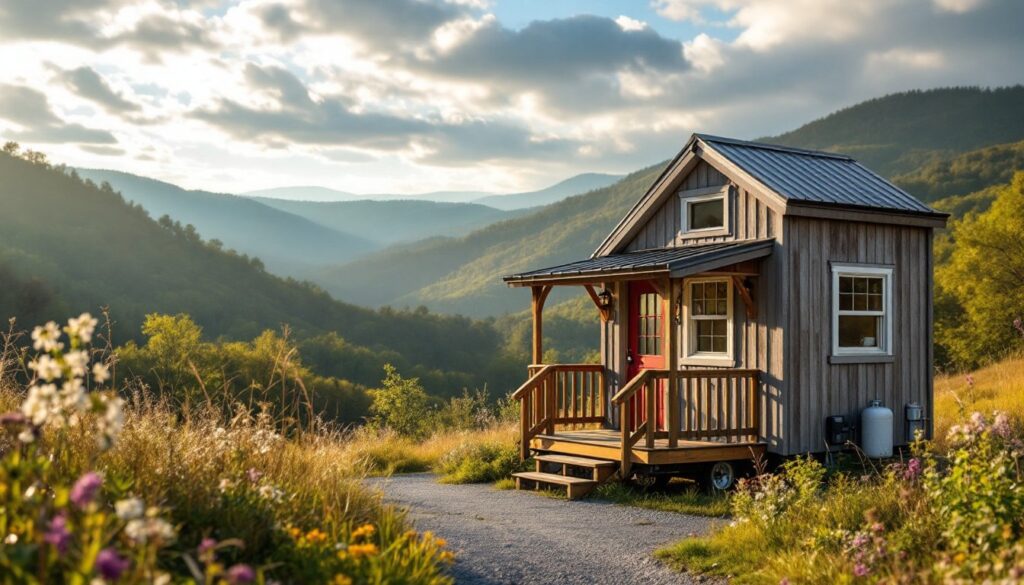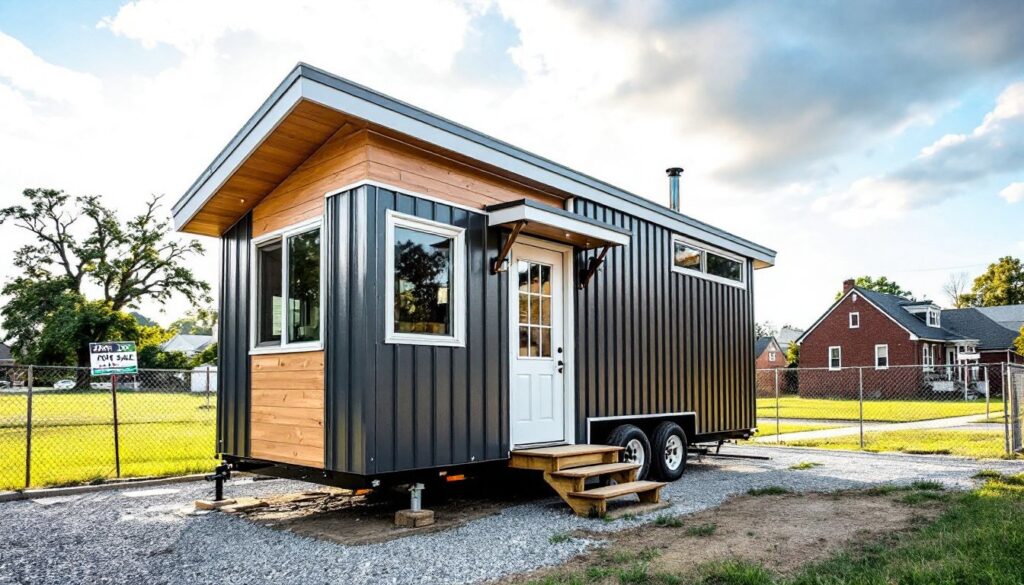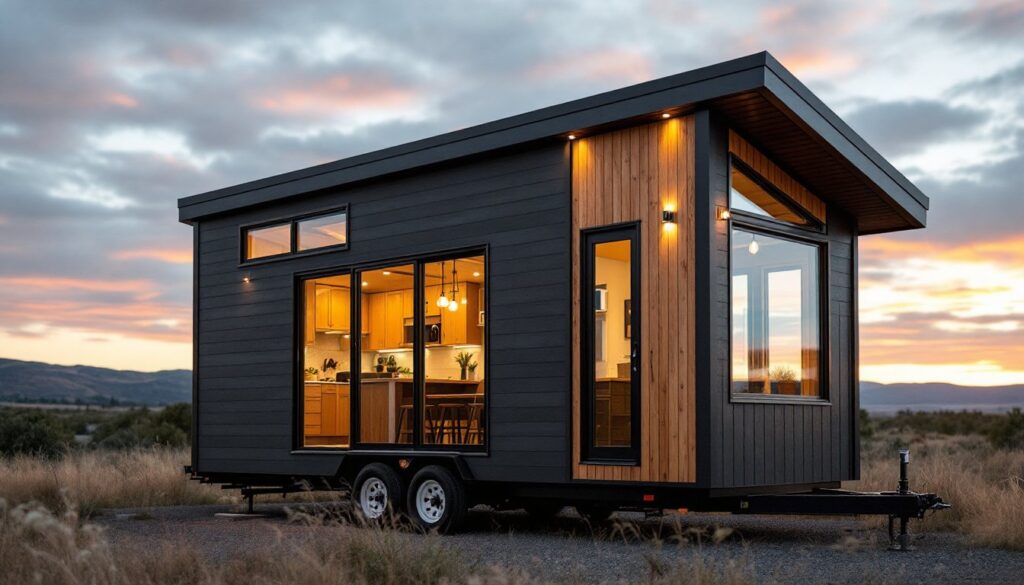

The tiny house movement isn’t just about downsizing, it’s a deliberate choice to live differently. Modern tiny houses blend minimalist design with smart engineering, offering full-featured homes in 400 square feet or less. Whether someone’s chasing financial freedom, environmental responsibility, or simply tired of maintaining a massive property, today’s tiny homes deliver function without the fluff. This guide breaks down what makes a tiny house “modern,” what it costs, and whether building or buying makes more sense for different situations.
Table of Contents
ToggleKey Takeaways
- Modern tiny houses blend minimalist design with smart engineering in 100–400 square feet, offering full functionality without excess maintenance or cost.
- Floor-to-ceiling windows, open floor plans, and multi-functional built-ins are defining design features that maximize space and light in modern tiny houses.
- DIY builds cost $28,000–$50,000 with materials and labor, while turnkey models from established builders range from $60,000–$150,000 depending on finishes and customization.
- Financing modern tiny houses requires creative solutions like RV loans or personal lines of credit, since traditional mortgages don’t apply to homes under 400 square feet.
- Vertical storage, staircase drawers, and modular shelving systems are essential for functional tiny house living without creating chaotic or claustrophobic spaces.
- Code compliance varies by jurisdiction; verify local zoning, building permits, and whether your area has adopted the IRC Appendix Q standards for tiny houses before committing to a build.
What Defines a Modern Tiny House?
A modern tiny house typically measures 100–400 square feet and prioritizes intentional design over arbitrary minimalism. Unlike older tiny homes that felt like glorified sheds, modern versions incorporate architectural elements borrowed from contemporary design: clean lines, flat or shed roofs, large windows, and mixed materials like metal siding, cedar, and fiber cement panels.
Most follow one of two foundations: RVIA-certified trailers (for mobility) or permanent foundations (for code compliance and financing). Trailer-based homes must stay under 13.5 feet tall and 8.5 feet wide for road legality, while foundation models have more flexibility but require zoning approval.
The International Residential Code (IRC) added Appendix Q in 2018, establishing minimum standards for tiny houses on foundations: at least one room of 120 square feet, 6’8″ ceiling height in bathrooms and kitchens, and standard egress windows. Not all jurisdictions have adopted Appendix Q, so code compliance varies widely.
Modern tiny houses also integrate systems that larger homes take for granted: full plumbing, HVAC (often mini-splits), and 100–200 amp electrical service. Off-grid models swap grid connections for solar arrays, composting toilets, and rainwater collection, but those add complexity and upfront cost.
Key Design Features That Make Modern Tiny Houses Stand Out
Floor-to-ceiling windows dominate modern tiny design. They flood small spaces with natural light and create visual expansion, critical when every square foot counts. Casement or awning windows work better than double-hung in tight quarters: they fully open for ventilation and don’t eat interior wall space.
Open floor plans eliminate unnecessary walls. Most modern designs place the kitchen, living, and dining areas in one continuous zone, with only the bathroom fully enclosed. Loft bedrooms accessed by ladder or alternating-tread stairs (which meet code as long as they’re over existing floor space) keep the main level open.
Multi-functional built-ins replace freestanding furniture. A window seat doubles as storage and guest sleeping. The dining table folds down from the wall or pulls out from the kitchen island. Staircases to lofts incorporate drawers in every tread, a design borrowed from traditional Japanese kaidan dansu.
Material choices lean toward low-maintenance and durable. Luxury vinyl plank (LVP) flooring holds up better than hardwood in humid or mobile environments. Metal roofing lasts 40+ years with zero maintenance. Fiber cement siding won’t rot, warp, or attract insects, unlike traditional wood siding.
Many incorporate smart home tech: programmable thermostats, LED lighting on dimmer switches, and compact induction cooktops that don’t generate excess heat. These aren’t just conveniences, they’re strategies to manage energy consumption when running on limited solar or small electrical service.
Popular Modern Tiny House Styles and Layouts
Gable-style tiny houses are the most common. A traditional pitched roof sheds rain and snow effectively, and the triangular loft space works for sleeping or storage. They read as “house-shaped,” which helps with permitting in suburban areas that restrict RVs and trailers.
Shed-roof (skillion) designs angle a single-plane roof from front to back, creating a dramatic modern profile. The high side often features large glass panels or clerestory windows. This style maximizes headroom on one end, ideal for a full-height bedroom or bath instead of a cramped loft.
Flat-roof tiny houses look like miniature contemporary homes and appeal to design-forward buyers. They require careful waterproofing with EPDM or TPO membrane roofing and proper drainage slope (minimum 1/4″ per foot). In snowy climates, structural loads increase since snow doesn’t slide off.
Container-based tiny homes repurpose 20- or 40-foot shipping containers as structural shells. Builders cut openings for windows and doors, then insulate with spray foam. Steel framing eliminates wood rot, but containers require significant modification to feel livable, cutting structural corrugation weakens integrity unless reinforced with steel framing. Those interested in this approach should explore container-based designs for detailed construction considerations.
Layout-wise, most modern tiny houses follow a single-floor or loft-over-main pattern. Single-floor designs suit aging-in-place or accessibility needs, sacrificing vertical space for mobility. Loft models maximize square footage but aren’t practical for anyone with knee problems or tall stature, loft ceilings typically max out at 3–4 feet.
Building vs. Buying: Your Modern Tiny House Options
DIY builds offer the most control and lowest cost, if someone has the skills. Framing a tiny house on a trailer uses similar techniques to standard stick framing, but everything must be engineered for road vibration and lateral forces. Expect to spend $20,000–$40,000 in materials for a basic build, plus 800–1,200 hours of labor. That assumes competence with framing, electrical (which requires permits and inspection in most areas), and plumbing.
Most codes require licensed electricians for anything beyond simple remodeling work. Plumbing can be DIY-friendly if using PEX and SharkBite fittings, but drain, waste, and vent (DWV) systems still need to meet IRC standards, 1.5″ minimum for sink drains, 3″ for toilets, proper venting within specified distances.
Turnkey tiny houses from established builders run $60,000–$150,000 depending on size, finishes, and whether it’s on wheels or a foundation. Reputable builders handle engineering, code compliance, and often help navigate local zoning. Many offer customization: choose cabinet finishes, appliance packages, and loft configurations. Companies like New Frontier Tiny Homes and Tumbleweed have multi-year waitlists, demand is real.
Tiny house kits or shell packages split the difference. A shell provides the trailer, framing, roof, and exterior siding for $15,000–$35,000, leaving interior finish work to the buyer. This speeds up the build and ensures the structural envelope is square, weathertight, and road-legal. Finish work (electrical, plumbing, insulation, drywall, cabinetry) still requires skill or subcontractors.
Financing remains tricky. Traditional mortgages don’t apply to homes under 400 square feet or on trailers. RV loans work for RVIA-certified models but cap at 10–15 years with higher interest rates. Personal loans or home equity lines cover the rest, but rates are steeper than mortgage rates. Some builders partner with lenders familiar with tiny house financing.
Smart Storage Solutions for Modern Tiny Living
Storage isn’t optional in a tiny house, it’s structural. Every design decision should answer “where does this item live?”
Vertical storage uses wall height that would otherwise go to waste. Open shelving above doorways, cabinets extending to the ceiling, and pegboard walls in the kitchen or workshop area keep items accessible without consuming floor space. Magnetic knife strips, hanging pot racks, and ceiling-mounted bike hoops all follow this principle.
Staircase storage turns dead space into drawers. Each tread lifts or pulls out to reveal storage for shoes, tools, or pantry goods. Alternating-tread stairs (which look like puzzle pieces) meet code for loft access and require less run than conventional stairs, typically 24–30 inches instead of 36–42 inches.
Under-floor storage works in trailer-based homes with enough clearance. Some builders create a belly box beneath the main floor, accessible from exterior hatches. It’s ideal for seasonal items, tools, or off-grid equipment like battery banks and water tanks. Ensure it’s sealed against road spray and vermin.
Murphy beds and fold-down furniture convert living areas into sleeping areas. A wall-mounted desk folds flat when not in use. A dinette booth with lift-up bench seats hides bins underneath. The key is hardware quality, cheap gas struts and hinges fail fast with daily use.
Modular and stackable storage helps adapt to changing needs. Wire grid panels (like Elfa or IKEA Algot) mount to walls and accept baskets, hooks, and shelves. Clear bins stack in closets or under beds, making contents visible without digging.
Resist the urge to cram storage into every gap. Overstuffed spaces feel chaotic and claustrophobic. Design inspiration from sites like Apartment Therapy often showcase how restraint and curation improve small-space living more than maximizing capacity.
Cost Breakdown: What to Expect When Going Tiny
Tiny house costs vary wildly depending on build method, materials, and location. Here’s a realistic breakdown for a 240-square-foot tiny house on a trailer, mid-grade finishes, DIY labor with some subcontracting:
Foundation/Trailer: $4,500–$7,000 for a dual-axle tiny house trailer rated for 10,000+ lbs. Tandem axles with brakes on all wheels are non-negotiable for safety.
Framing and Shell: $8,000–$12,000 for lumber (2×4 walls, 2×6 floor joists, engineered roof trusses), sheathing (7/16″ OSB or ZIP System panels), house wrap, windows, and exterior doors. Lumber prices fluctuate, this assumes pre-2021 pricing, not pandemic peaks.
Roofing and Siding: $3,000–$5,000 for metal roofing and fiber cement or LP SmartSide panels. Add another $500–$1,000 for trim, flashing, and fasteners.
Insulation: $1,200–$2,500 depending on method. Spray foam (closed-cell) offers the best R-value per inch and air-seals simultaneously but costs more than fiberglass batts. For a tight, mobile structure, spray foam is worth it, R-21 in walls, R-30+ in the roof.
Electrical: $2,000–$4,000 for wiring, breaker panel, outlets, switches, and fixtures. If hiring an electrician (often required), labor doubles this. Tiny houses typically use 30–50 amp RV-style shore power connections or a standard 100 amp residential service if permanently sited.
Plumbing: $1,500–$3,500 for PEX supply lines, PVC drain lines, a hot water heater (tankless or 6-gallon point-of-use), fixtures, and a toilet. Composting toilets (Sun-Mar, Nature’s Head) eliminate black water but cost $900–$1,200 upfront.
Interior Finishes: $5,000–$10,000 for drywall or tongue-and-groove pine, paint, LVP flooring, cabinetry (IKEA or custom), countertops (butcher block or laminate), and interior doors. Custom cabinetry blows budgets fast.
Appliances: $2,500–$5,000 for a two-burner cooktop or apartment-size range, mini-fridge, mini-split HVAC unit, and ventilation fan. Propane appliances add a tank and lines but work off-grid.
Total DIY Build Cost: $28,000–$50,000 depending on finishes and how much labor is subcontracted. Turnkey models from builders start around $60,000 and climb past $100,000 with premium materials and custom layouts. The availability of affordable pre-built options reflects the used market, but expect compromises in quality or features at that price point.
Zoning and Permitting: Don’t forget these hidden costs. Permits for electrical, plumbing, and building inspections run $500–$2,000. If parking the tiny house on private land, some jurisdictions require a conditional use permit or variance, adding legal and application fees.
Ongoing costs are lower than traditional homes but not zero. Insurance for a tiny house on wheels runs $600–$1,200/year through RV insurers. Those on permanent foundations may qualify for homeowners insurance. Utilities (if grid-connected) average $50–$150/month depending on climate and heating fuel. Off-grid systems require battery replacement every 7–10 years, budget $3,000–$8,000.
Several bespoke builders can tailor designs to specific needs, and those exploring solar-powered options should account for an additional $10,000–$20,000 in panels, inverters, and battery storage for a fully off-grid setup. Publications like Design Milk and Dwell frequently feature high-end tiny house builds that push budgets higher but showcase what’s possible with thoughtful design.
Conclusion
Modern tiny houses prove that small doesn’t mean sacrificing quality or comfort, just rethinking priorities. Whether building from scratch or buying turnkey, the key is honest assessment: what’s truly needed, what local codes allow, and what the real costs are. Done right, a tiny house delivers financial flexibility and forces intentional living. Done poorly, it’s an expensive experiment in claustrophobia.