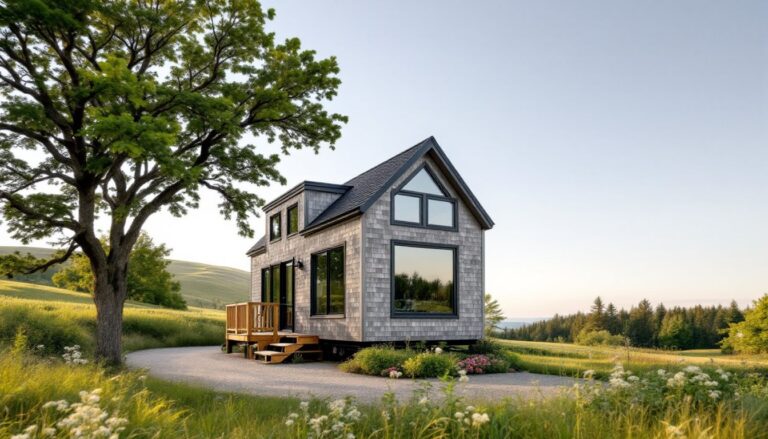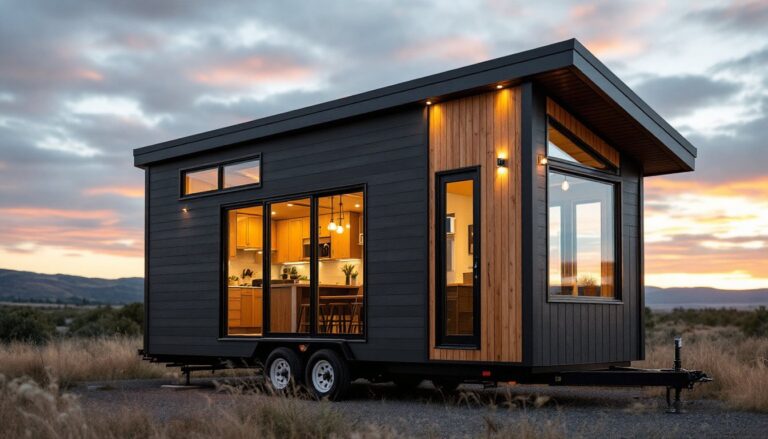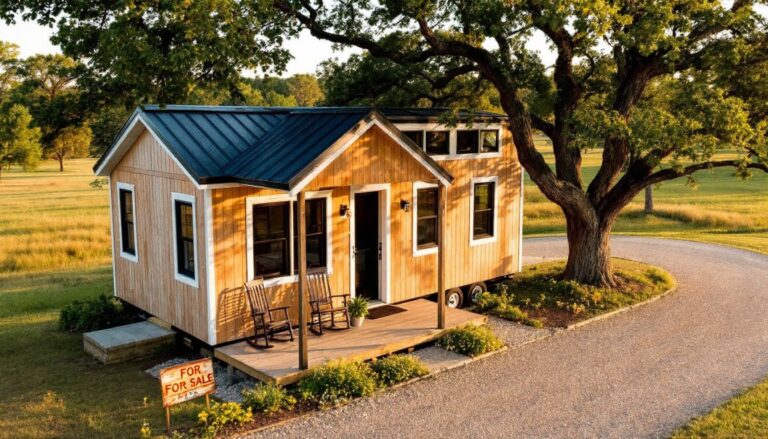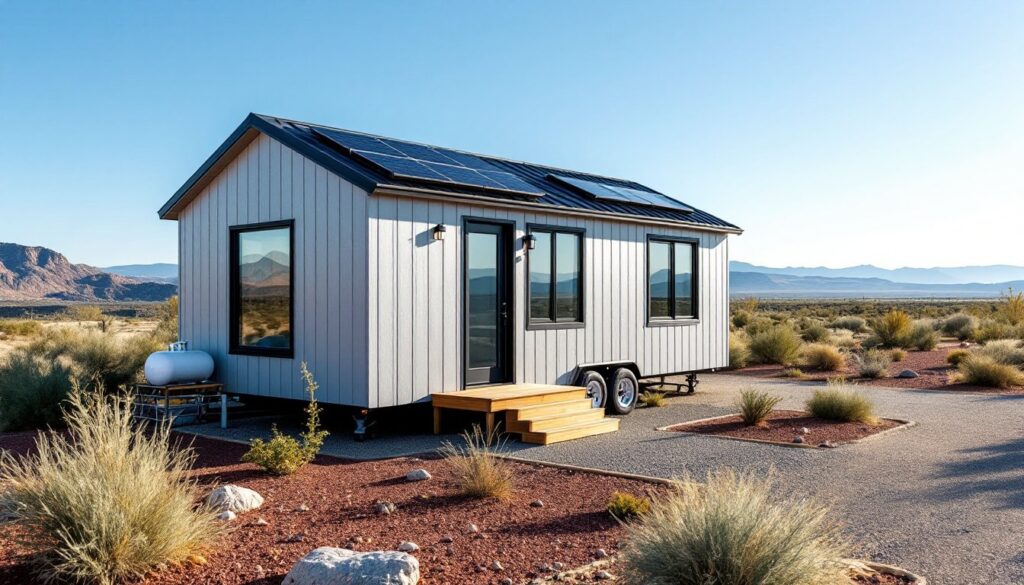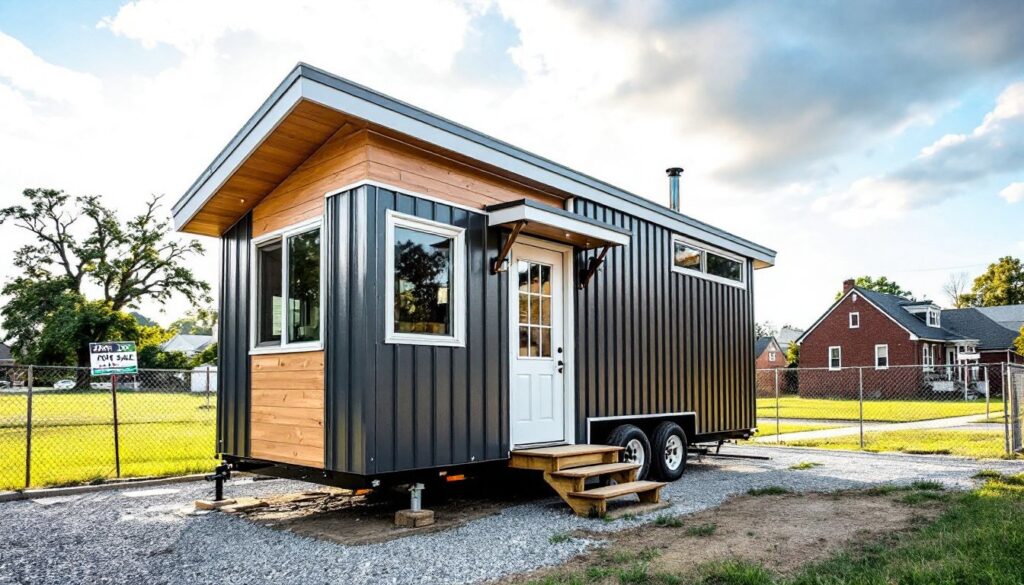
Imagine your dream home, compact yet bursting with character. Enter tiny container homes, a clever fusion of sustainability, style, and simplicity. These innovative living spaces are taking the minimalist movement to new heights, proving that good things can come in small packages (and big steel boxes). If you think living in a container sounds cramped, think again. With creativity and design flairs, these homes are more than just practical: they’re downright chic. So why not ride this trend wave, where practicality meets imagination?
The Concept of Tiny Container Homes
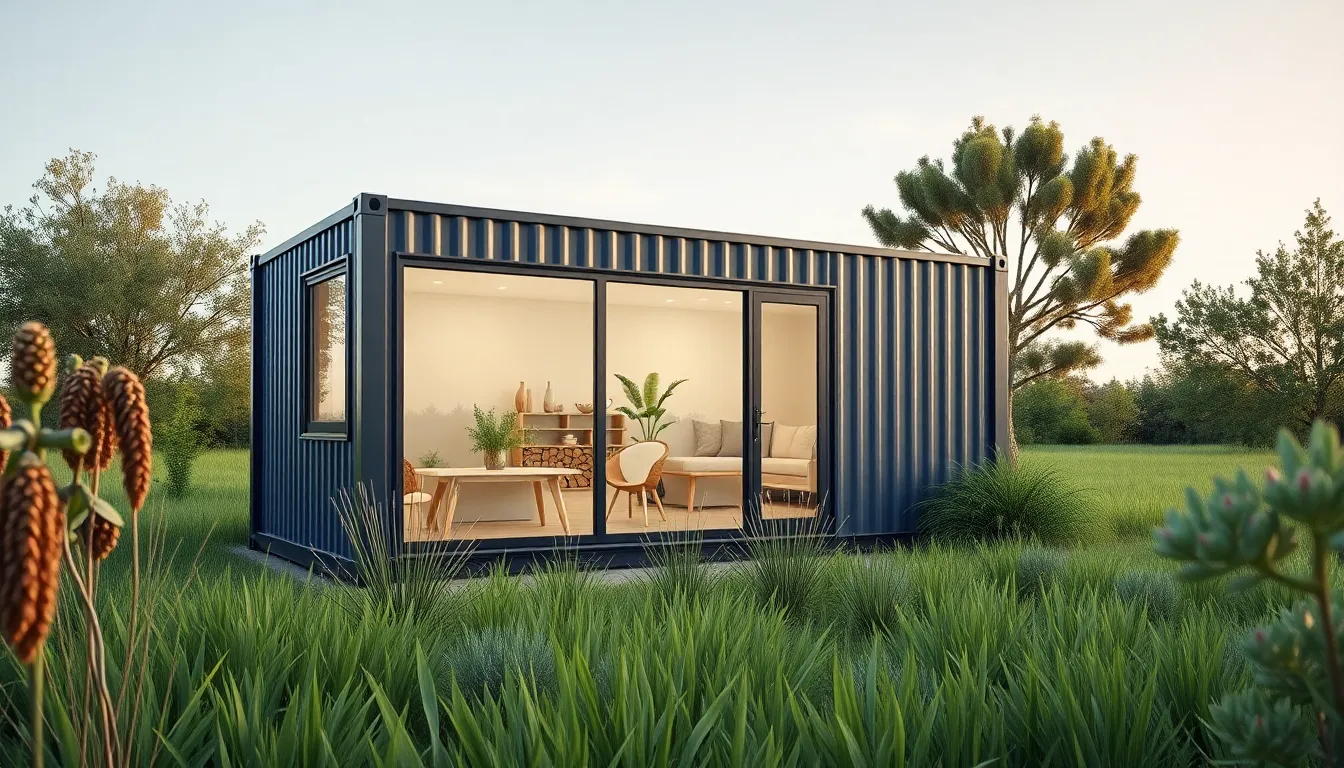
Tiny container homes are constructed from repurposed shipping containers, transforming what was once mere cargo space into stylish living quarters. With the rise of minimalism and the quest for more sustainable building materials, these homes have gained significant attention. Picture a structure that boasts both simplicity and innovation. It’s not just about downsizing: it’s a revolution in how one perceives homeownership. From cozy one-bedroom designs to spacious family setups, these homes offer a variety of layouts and options to fit diverse lifestyles.
The concept is straightforward: use shipping containers, often discarded after one or two trips, and modify them for residential use. This not only reduces waste but also opens the door to unique architectural possibilities. Each container can be stacked, combined, or altered, making the design potential virtually limitless. In a world leaning towards excess, tiny container homes invite residents to embrace the idea that sometimes less truly is more.
Benefits of Living in Tiny Container Homes
Tiny container homes come with a laundry list of benefits, starting with cost-effectiveness. Building with containers tends to be cheaper than traditional housing methods. Who wouldn’t want to save a few bucks while investing in a stylish and eco-friendly abode?
Beyond affordability, these homes encourage a minimalist lifestyle. By downsizing, residents find themselves engaging in intentional living. They choose what to keep, why to keep it, and how it enriches their lives. Less clutter means more focus on experiences and relationships.
Environmental impact is another significant perk. Using recycled materials significantly lowers a household’s carbon footprint. Since these homes require less energy for heating and cooling, residents enjoy lower utility bills, more savings.
Also, container homes are highly durable. Built to survive the high seas, they can withstand various weather conditions, ensuring safety and longevity. With the right insulation and design, these homes are as cozy as any traditional house.
In a nutshell, going small with container homes isn’t just a trend: it’s a declaration of independence from the conventional housing market.
Design and Customization Options
One of the most exciting aspects of tiny container homes is the sheer variety of design and customization options available. Whether one yearns for a sleek modern aesthetic or a rustic feel, there’s a perfect design waiting to be tailored.
Container homes easily lend themselves to open-concept layouts, encouraging natural light to flow through and making spaces feel larger than they really are. From expansive windows that frame beautiful landscapes to ingenious storage solutions that maximize every inch, creativity reigns supreme in container home designs.
Technological enhancements are also at your fingertips. Smart home features can be integrated seamlessly for those who relish gadgetry. So, whether it’s controlling lights from your phone or manipulating your thermostat with a fingertip, modern convenience is guaranteed.
Also, customization extends to energy solutions. From solar panels to rainwater harvesting systems, the eco-friendly aspect of these designs invites creativity in sustainability. Customizing a tiny container home isn’t merely about aesthetics: it’s about crafting a lifestyle that mirrors one’s unique values and preferences.
Sustainability and Environmental Impact
At their core, tiny container homes champion sustainability. By repurposing steel shipping containers, homeowners divert materials from waste dumps, promoting the idea of using what already exists rather than starting from scratch.
The eco-friendly appeals don’t stop there. Using containers often reduces the need for virgin materials, lessening the demand for timber, and their associated deforestation impacts. Also, these homes can incorporate energy-efficient appliances and renewable energy systems, helping to further decrease their environmental footprint.
More than just building sustainably, tiny container homes foster sustainable living practices. Residents often make conscious choices about energy consumption, waste reduction, and resource management, teaching valuable lessons about environmental stewardship along the way. Essentially, living in a tiny container home aligns perfectly with a lifestyle focused on preserving our planet.
Challenges and Considerations
While the idea of living in a tiny container home is appealing, there are challenges to consider too. Zoning laws and building codes can pose serious hurdles, as many areas have stringent regulations about non-traditional housing. Hence, researching local ordinances before diving into this lifestyle is essential.
Also, space limitations can be tricky. Storage solutions require clever planning. Minimalists may thrive, yet those accustomed to spacious living may find the adjustment challenging. It’s crucial to embrace the mindset that less is more.
Even the design can have its downsides. Modification costs can add up if one desires elaborate features or sustainable systems. Balancing desires with budget constraints is key.
Eventually, understanding these challenges ensures that potential container homeowners are well-prepared to navigate their new lifestyle.
Getting Started: Building Your Tiny Container Home
Embarking on the journey to build a tiny container home can feel exhilarating and overwhelming. For starters, mapping out a budget is crucial. Whether aiming for a simple layout or aiming for ecological innovations, clear financial planning helps avoid surprises down the line.
Next, individuals should scout suitable containers. Various services exist that sell new or used containers, so selecting the right one in good condition makes all the difference. Ensuring it meets specifications for insulation and weatherproofing can save future hassle.
Once the container is secured, working with an architect or designer familiar with container builds can elevate the project to new heights. They help creatively use space while respecting local zoning laws.
Getting permits might feel cumbersome, but knocking this hurdle out empowers you to create your dream home without future headaches. Construction can begin, bearing in mind that flexibility during the process is essential, as unforeseen challenges may arise.
Finally, personalizing the interior brings the project full circle. Creating a cozy, inviting space transforms the container into a true home. It’s the extra detail that breathes life into the design.