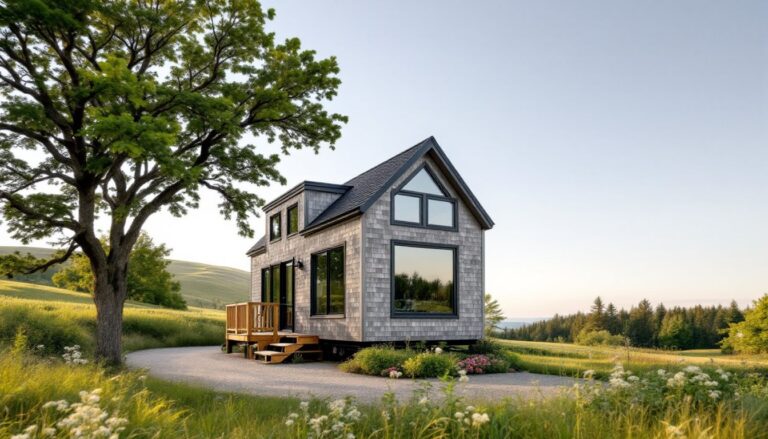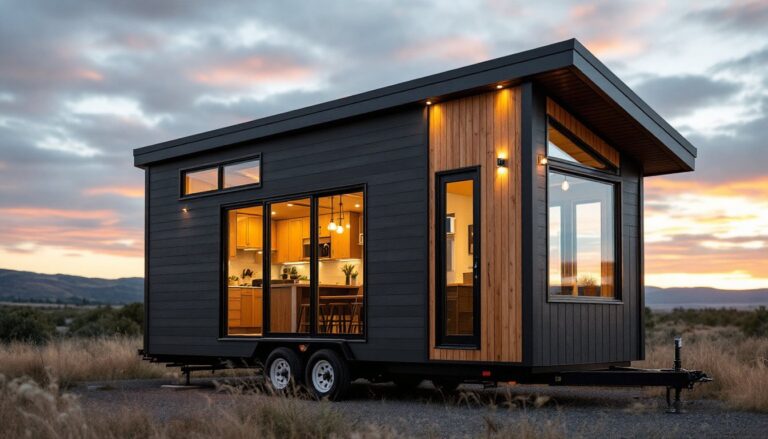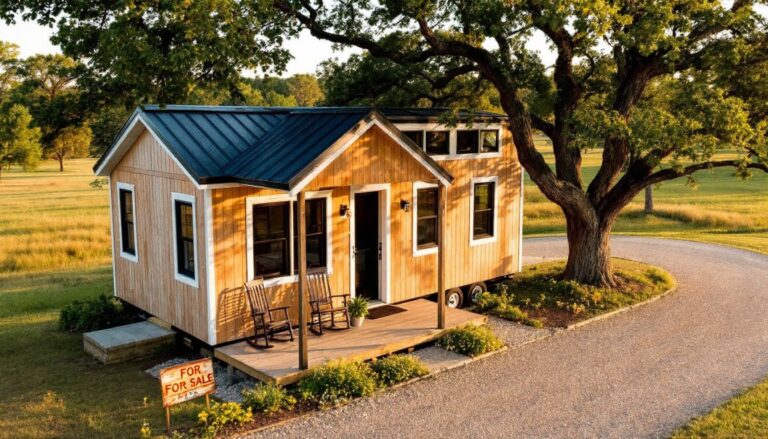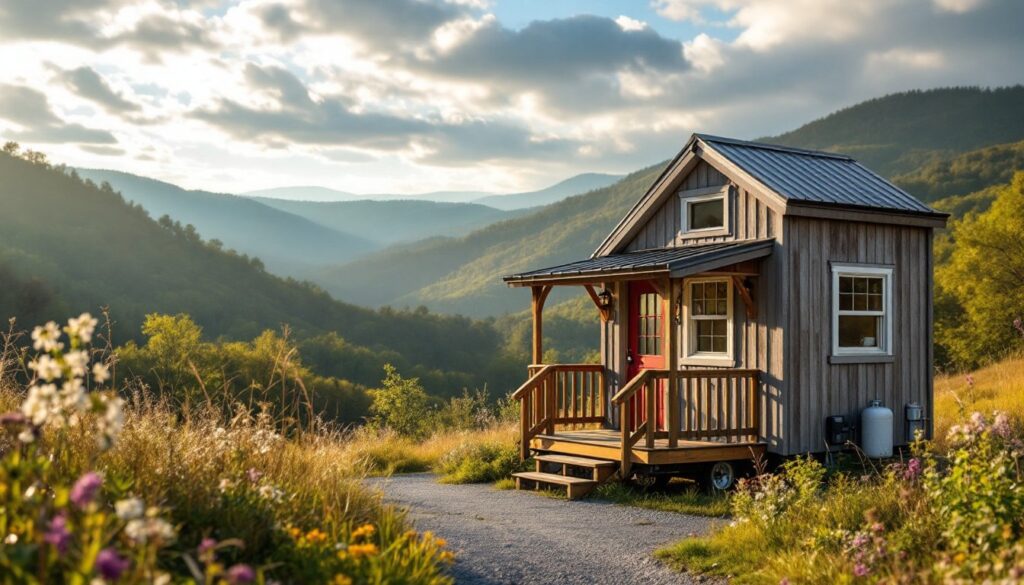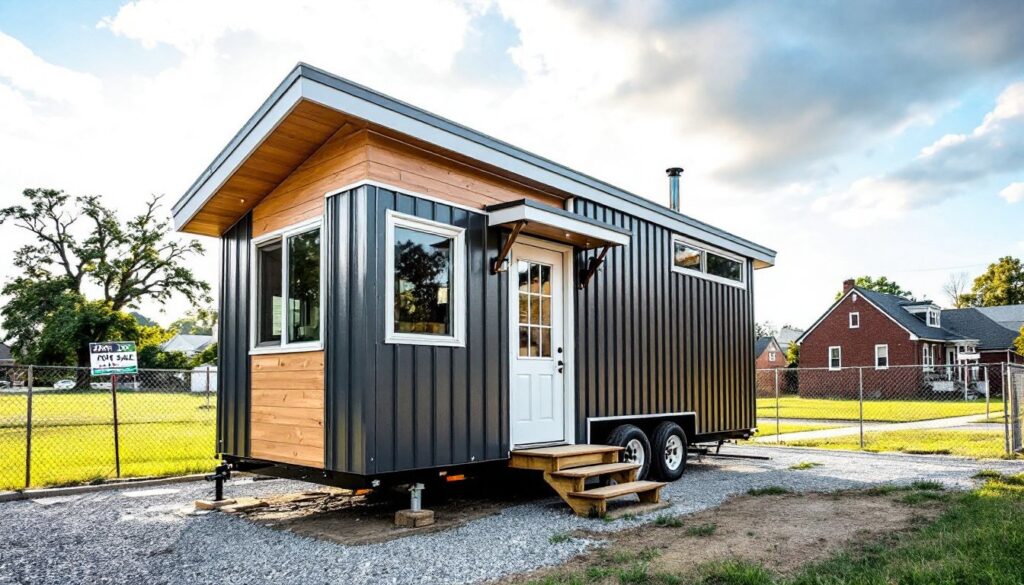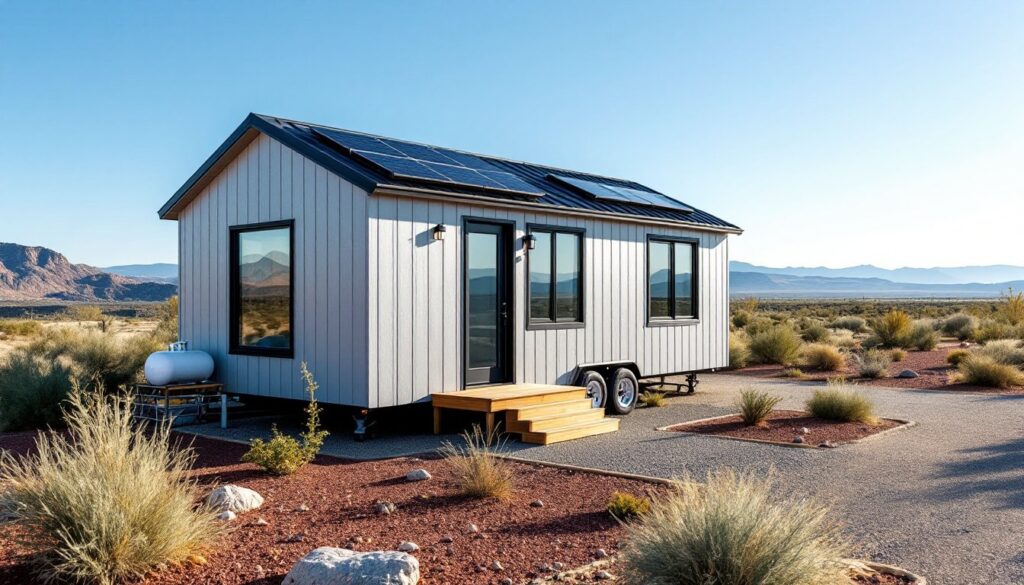

Las Vegas isn’t just slots and showrooms anymore. The city’s affordable land, minimal rainfall, and year-round sunshine make it one of the fastest-growing markets for tiny homes in the Southwest. Whether you’re downsizing after retirement, seeking a mortgage-free lifestyle, or looking for an accessory dwelling unit (ADU) on an existing lot, Vegas offers unique advantages, and a few zoning curveballs. This guide walks through the types of tiny homes available, where to find them, and the legal groundwork you’ll need to navigate before signing any purchase agreement.
Table of Contents
ToggleKey Takeaways
- Las Vegas offers ideal conditions for tiny homes due to minimal rainfall, affordable land ($10,000–$30,000 for parcels outside metro), and no state income tax, making it one of the Southwest’s fastest-growing tiny home markets.
- Tiny homes for sale in Las Vegas come in four main types—wheels (THOWs), foundation-based, prefab modular, and container homes—each with different financing, zoning, and appreciation potential.
- Foundation tiny homes are more likely to qualify for traditional mortgages and appreciate like conventional homes, while tiny homes on wheels (THOWs) require specialized RV loans and depreciate unless they’re custom-built.
- Total all-in costs for a foundation tiny home on owned land typically range from $100,000–$180,000, while THOW buyers can start around $60,000–$100,000 with affordable land and off-grid systems.
- Clark County zoning restricts THOWs from most residential zones, but foundation tiny homes 400+ square feet can qualify as primary residences on rural estates (R-E zoning) if they meet IRC Appendix Q standards.
- Always verify zoning compliance, obtain building permits before placement, and inspect used tiny homes thoroughly—especially for water damage, insulation quality, and trailer frame integrity—to avoid costly surprises at resale.
Why Las Vegas Is Perfect for Tiny Home Living
Las Vegas averages just 4 inches of rain annually, which means minimal weatherproofing concerns compared to humid or freeze-prone climates. Tiny homes with metal roofing or standing-seam panels hold up well without the constant maintenance that wood siding demands in wetter regions.
Land costs outside the main metro area remain reasonable. In areas like Pahrump (about 60 miles west) or North Las Vegas, you can find 1–5 acre parcels starting around $10,000–$30,000, depending on utilities and road access. That’s a fraction of what equivalent lots cost in California or the Pacific Northwest.
Nevada has no state income tax, which appeals to retirees downsizing or remote workers looking to stretch their budgets. Utility hookups can run high if you’re starting from raw land, expect $3,000–$8,000 for electric service installation and similar for water if you’re beyond municipal lines. Many buyers opt for off-grid setups with solar panels (typically 3–5 kW systems for a tiny home) and composting toilets to sidestep those costs.
The Clark County building department has become more familiar with tiny homes on permanent foundations in recent years, though mobile tiny homes (on wheels) still face hurdles under current recreational vehicle (RV) codes. Buyers should verify zoning for their intended parcel before closing, more on that below.
Types of Tiny Homes Available in Las Vegas
Tiny homes on wheels (THOWs) are built on trailers and typically range from 100–400 square feet. They’re classified as RVs in Nevada, which means they need to meet RVIA or NOAH certification standards if you plan to park them in an RV park. Look for dual-axle trailers rated for the home’s weight, most THOWs weigh 10,000–14,000 pounds fully loaded. Builders like Tumbleweed and Escape Traveler deliver to Vegas, though you’ll pay a $2–$4 per loaded mile delivery fee from out-of-state factories.
Foundation tiny homes are permanently anchored on a slab, pier-and-beam, or skid foundation. They range from 200–600 square feet and must meet International Residential Code (IRC) Appendix Q standards for tiny houses, which include minimum ceiling heights (6’8″ in habitable rooms, 6’4″ in bathrooms), egress windows, and loft guardrails. These qualify for traditional mortgages more easily than THOWs and can appreciate like conventional homes.
Prefab modular units ship in sections and are assembled on-site. Companies like Boxabl (based in North Las Vegas) offer steel-framed modules that unfold into 375 square feet of living space. Modular homes must meet the same building codes as stick-built homes and typically install in 1–2 days once the foundation and utilities are prepped. According to design experts at HGTV, modular construction reduces on-site waste by up to 50% compared to traditional builds.
Container homes use repurposed 20-foot or 40-foot shipping containers (160–320 square feet per container). Welding, cutting, and insulating steel containers requires specialized labor, expect to hire a contractor experienced in container modifications. Spray foam insulation (closed-cell, R-6 per inch) is common to combat Vegas summer heat, which can top 115°F.
Where to Find Tiny Homes for Sale in Las Vegas
Start with local builders and showrooms. Tiny Idahomes has a display lot in Henderson showcasing several THOW models, and Boxabl’s factory in North Las Vegas offers tours by appointment. Visiting in person lets you check build quality, look for LP SmartSide or fiber cement siding (both hold up better than T1-11 in desert UV), quality window seals, and whether electrical panels are accessible (NEC 2020 requires 3 feet of clearance in front of panels).
MLS listings occasionally feature tiny homes on permanent foundations. Search for properties under 600 square feet or filter by “ADU” and “tiny house” keywords. Zillow and Realtor.com now have tiny home categories, though inventory in Vegas remains limited compared to Portland or Austin.
Private sellers list on Tiny House Listings, Tiny House Marketplace, and Facebook groups like “Tiny Houses for Sale” and “Las Vegas Tiny Living.” Vet sellers carefully, ask for the original build specs, any certifications (RVIA, NOAH, or IRC compliance), and maintenance records. If the home has been lived in, inspect the roof seals, plumbing connections, and whether the trailer frame shows rust or fatigue cracks.
Land-and-home packages are emerging from developers in Pahrump and Boulder City. These bundle a tiny home with a small lot, septic, and well, prices start around $80,000–$120,000 depending on home size and land acreage. This simplifies financing since the package can qualify for a land-and-construction loan.
Online Marketplaces and Tiny Home Builders
Tiny House Listings and Tiny Home Builders aggregate new and used inventory nationwide. Filter by delivery range, most builders charge delivery based on mileage, and anything over 500 miles can add $2,000–$5,000 to the final cost. If you’re comparing affordable tiny homes, confirm whether the price includes appliances, hookups, and finish materials or if those are upgrades.
Custom builders like Mint Tiny Homes, New Frontier, and Rocky Mountain Tiny Houses take orders and deliver to Vegas. Lead times run 4–9 months as of 2026, and you’ll need a 20–30% deposit to start the build. Specify your trailer type (gooseneck vs. bumper-pull), insulation R-value (aim for R-13 walls, R-19 roof minimum for Vegas heat), and whether you want off-grid packages (solar, propane, composting toilet).
Craigslist and Facebook Marketplace can yield deals, but buyer beware. Arrange a third-party inspection, some RV techs or home inspectors now specialize in tiny homes. Check for water damage around windows and roof penetrations, test all appliances, and confirm the trailer’s vehicle identification number (VIN) matches the title.
What to Know Before Buying a Tiny Home in Las Vegas
Financing is trickier than conventional mortgages. THOWs typically require RV loans or personal loans with higher interest rates (6–10% APR) and shorter terms (7–15 years). Foundation tiny homes under 600 square feet may qualify for conventional mortgages if they meet IRC standards and appraise appropriately, work with a lender experienced in non-traditional homes.
Insurance varies by type. THOWs need RV or specialty tiny home insurance: foundation homes use standard homeowners policies. Expect $400–$800 annually for a THOW, more if you’re in a high-wind or flood zone (rare in Vegas, but check FEMA maps if you’re near washes).
Utilities and hookups add up. If you’re connecting to municipal water and sewer, budget $1,500–$3,000 for tap fees and installation. Septic systems for a tiny home (aerobic or standard tank) run $3,000–$7,000 depending on soil percolation rates. Propane tanks (120–250 gallon) cost $400–$800 plus installation. Solar systems with battery backup (recommended for off-grid living) start around $8,000–$15,000 for a 3–5 kW array with lithium batteries.
Resale and appreciation depend on type and location. Foundation tiny homes on titled lots in desirable areas can appreciate similarly to traditional homes. THOWs depreciate like RVs unless they’re high-quality custom builds. According to real estate analysts at Curbed, tiny home resale markets are still maturing, so plan to hold for at least 5 years to recoup costs.
Zoning Laws and Placement Options
Clark County and City of Las Vegas have separate zoning codes, confirm which jurisdiction your property falls under. In unincorporated Clark County, tiny homes on permanent foundations 400 square feet or larger can qualify as primary residences on parcels zoned R-E (rural estates) or higher, provided they meet IRC Appendix Q. Homes under 400 square feet may be treated as ADUs, which require a primary dwelling on the same lot.
THOWs face restrictions. Most residential zones prohibit long-term occupancy of RVs, including certified tiny homes on wheels. Some buyers park THOWs on agriculturally zoned land or in private RV parks that allow long-term stays. The City of North Las Vegas is piloting a tiny home village ordinance as of 2026, but it’s limited to specific parcels, check the planning department for updates.
ADU regulations allow tiny homes as accessory units on lots with existing primary homes. Clark County requires ADUs to be at least 400 square feet, have separate utilities or submeters, and maintain 10-foot side setbacks and 15-foot rear setbacks from property lines. Building permits run $500–$1,500 depending on home size and complexity.
HOAs often prohibit tiny homes entirely or restrict them to rear yards with screening. Read covenants, conditions, and restrictions (CC&Rs) before purchasing land in a planned community. Some buyers targeting tiny home investments focus on county land outside HOA oversight.
Always apply for permits before placing a foundation tiny home. Unpermitted structures complicate resale and can trigger fines or removal orders. The building department will require site plans, foundation details, and proof of IRC or RVIA compliance.
Cost Breakdown: What You’ll Actually Pay
Purchase price for a new THOW in Las Vegas ranges from $40,000–$90,000 depending on size, finishes, and builder. Foundation tiny homes run $60,000–$120,000 for turnkey builds. Used THOWs start around $20,000–$50,000, but inspect thoroughly, older models may lack proper insulation or have outdated electrical (pre-2017 NEC code).
Land costs vary widely. Pahrump parcels with utilities nearby run $15,000–$40,000 for 1–2 acres. Closer to the city, expect $50,000–$100,000 for smaller lots in North Las Vegas or Boulder City. Raw desert land without utilities can be had for under $10,000, but add $10,000–$20,000 for well drilling (if groundwater is accessible) and septic.
Site prep and foundation costs include grading ($1,000–$2,500), pier-and-beam or slab foundation ($3,000–$8,000), and driveway or access improvements ($1,500–$5,000). THOW owners need a level pad with gravel or pavers, budget $500–$1,500 depending on size.
Utility installation can be the biggest surprise. Electric service from the pole to your home runs $3,000–$8,000 depending on distance. Propane delivery and tank setup costs $500–$1,000. Off-grid solar and battery systems start at $8,000, but many owners phase in components over time.
Permits and fees in Clark County include building permits ($500–$1,500), septic permits ($200–$400), and electrical inspections ($100–$300). Budget an extra 10% contingency for unexpected code requirements or site conditions.
Transport and delivery for a THOW from out of state averages $2–$4 per mile. A builder in Oregon (about 800 miles) would charge $1,600–$3,200 for delivery. Local pickups or builders within Nevada reduce this cost.
Ongoing costs include property taxes (Nevada averages 0.6% of assessed value annually), insurance ($400–$1,200/year), propane ($30–$80/month depending on heating and cooking use), and utilities if connected to municipal services. Many tiny home communities in other states offer shared amenities, but Vegas options remain limited as of 2026.
Total all-in cost for a foundation tiny home on owned land typically runs $100,000–$180,000 including land, home, site prep, and utilities. THOW owners can start lower, around $60,000–$100,000, if they find affordable land with existing hookups or go off-grid. These figures assume mid-range finishes and DIY site prep where possible: hiring contractors for all work pushes costs higher.
Buyers comparing markets might explore tiny homes in other regions to benchmark pricing, but Vegas offers a compelling mix of climate, tax benefits, and available land that’s hard to beat in the Southwest.