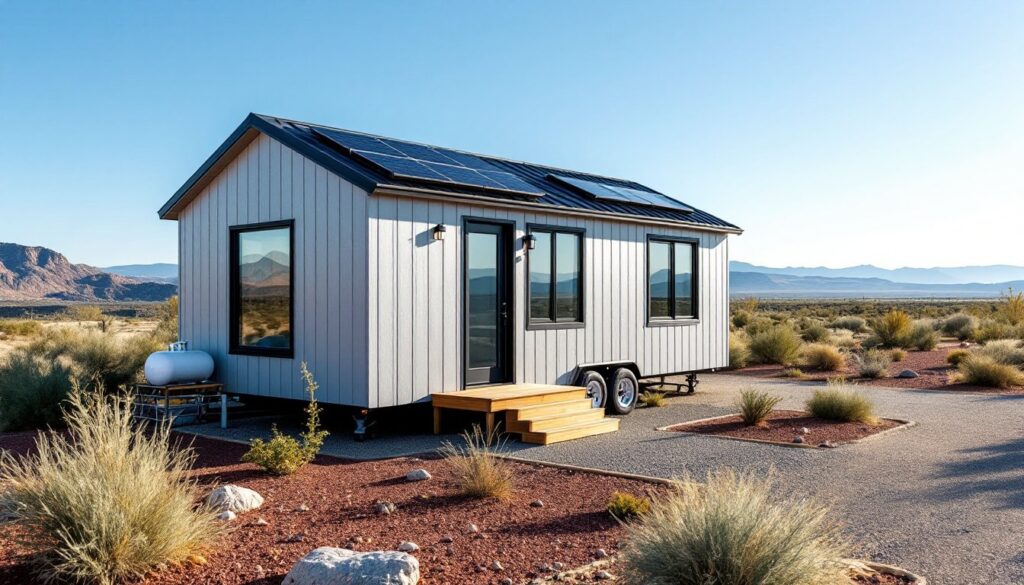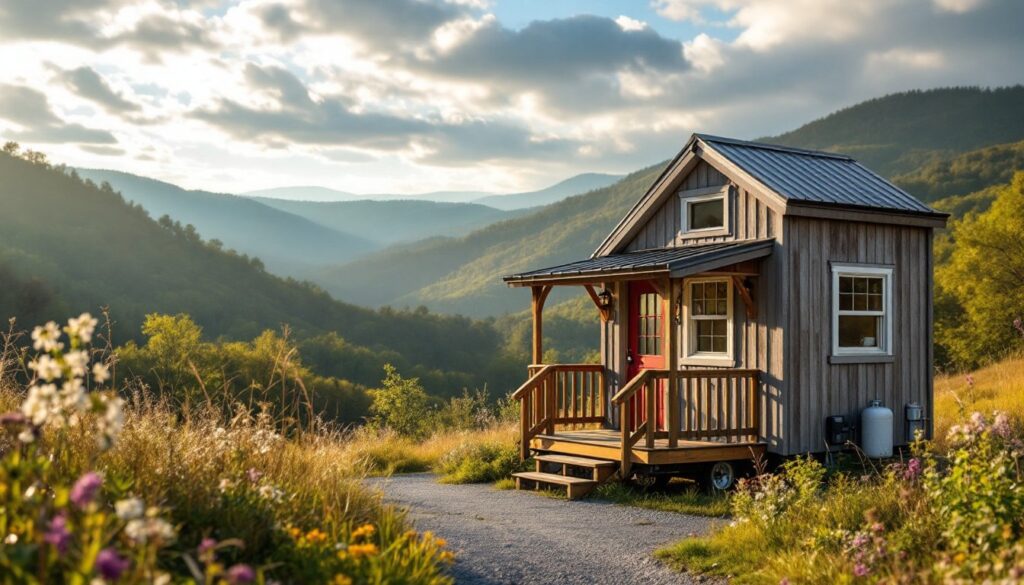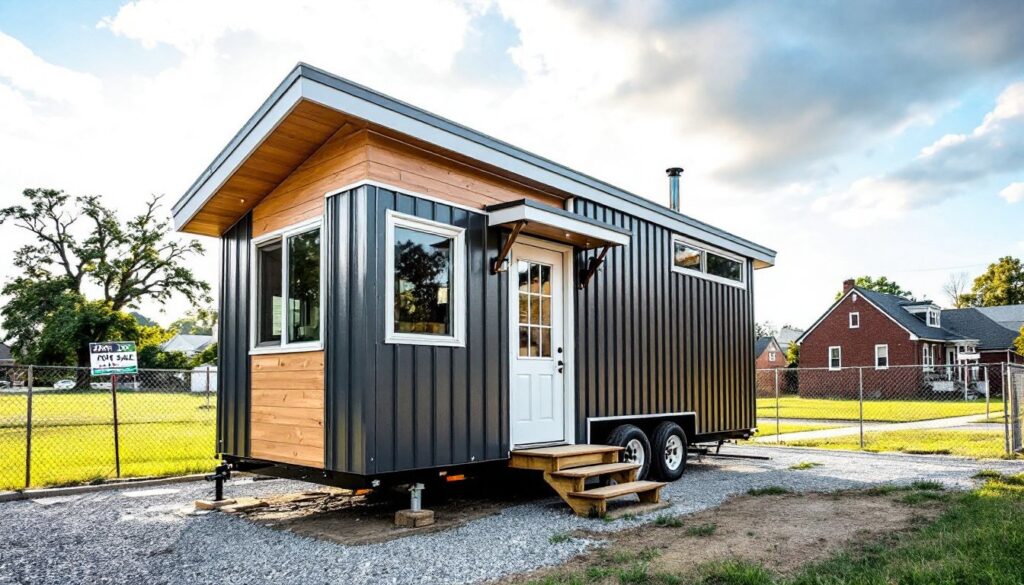

Tiny houses are no longer just a Pinterest dream, they’re a practical solution for affordable living, minimalist lifestyles, and even backyard office spaces. But the reality is, most custom-built tiny homes run $40,000–$80,000, well beyond reach for many DIYers. Enter sub-$5,000 tiny house kits: bare-bones, builder-friendly packages designed for someone willing to swing a hammer and bring sweat equity. These kits aren’t turnkey homes, they’re frameworks, often requiring considerable DIY assembly, finish work, and planning. But for the right person, they’re a viable path to ultra-affordable micro living.
Table of Contents
ToggleKey Takeaways
- Tiny house kits under $5,000 are shell-only frameworks requiring significant DIY assembly and finishing work, with a realistic total cost of $8,000–$15,000 once materials and systems are added.
- Shell kits typically include framing lumber, sheathing, roof trusses, and fasteners, but exclude insulation, electrical, plumbing, HVAC, flooring, and interior finishes that buyers must source separately.
- Assembling a tiny house kit requires intermediate to advanced carpentry skills, proper tools (circular saw, framing nailer, level, drill), and 4–8 weeks of part-time work, not a beginner-friendly project.
- Zoning laws and building codes present a major legal hurdle; most municipalities restrict residential dwellings to 600–1,000 square feet minimum, so check local regulations before purchasing a tiny house kit.
- Trailer-mounted tiny houses can bypass certain residential codes by registering as RVs, but face restrictions on where they can legally park and typically require RV park membership or private land access.
- Budget 50–100% of the kit price again for finish materials and professional services like electrical and plumbing, which can quickly exceed initial cost estimates without careful planning.
What Are Tiny House Kits and How Do They Work?
A tiny house kit is essentially a pre-cut or prefabricated building package sold as a set of materials for on-site assembly. Think of it like an adult-sized IKEA project, only heavier, with real lumber and fasteners instead of dowels.
Most kits under $5,000 fall into the shell kit category. That means buyers receive the structural framing (typically dimensional lumber like 2×4 or 2×6 studs), exterior sheathing (OSB or plywood), roof trusses, and sometimes a basic door and window unit. The kit manufacturer either cuts pieces to length based on a standard plan or provides full-length boards with a cut list.
Some kits are designed to be portable (trailer-mounted), while others are meant for foundation placement. Portability affects structural design, trailer-based tiny homes must meet road weight limits and secure to a chassis properly. Foundation-based kits have more flexibility in materials and don’t need to account for highway vibration.
The appeal of a kit versus buying lumber piecemeal is twofold: cost savings through bulk material ordering and a tested plan with engineering behind it. A reputable kit provider has already calculated load paths, rafter spans, and fastener schedules. Buyers skip the guesswork of dimensioning joists or figuring beam sizing. That said, quality varies dramatically, some kits come from established tiny home manufacturers with certified plans, while others are essentially plans bundled with untreated lumber shipped on a pallet.
Top Tiny House Kits Available for Under $5,000
As of 2026, the market for ultra-budget tiny house kits is niche but growing. Most options in the sub-$5,000 range are small (under 120 square feet) and require significant DIY labor. Below are real-world examples and kit categories currently available.
Shell-only kits from companies like Jamaica Cottage Shop, Summerwood, and some Etsy sellers offer framing packages ranging from $3,000–$4,800. These typically include wall framing, roof trusses, floor joists, exterior sheathing, and basic hardware. Buyers must source windows, doors, roofing material, insulation, siding, and all interior finishes separately. For someone with carpentry skills, this route offers the most control and cost savings.
Shed-to-tiny-house conversion kits run $2,500–$4,500 and are often marketed as “cabin shells” or “studio sheds.” These are gable-roof structures sized around 8×12 feet to 10×16 feet. Some include T1-11 or LP SmartSide siding pre-installed. They’re not always insulated or wired, but the exterior envelope is weather-tight. Companies like Tuff Shed and Home Depot’s Handy Home Products line occasionally offer builder-grade shells in this range. Keep in mind these are built to shed standards, not residential code, upgrades for habitation (insulation, HVAC, plumbing rough-in) are on the buyer.
DIY plan + material bundles are another route. Several designers and small-scale manufacturers offer plans and material lists for under $500, with lumber packages priced separately. Builders can source locally or request a quote from the designer’s lumber partner. Total material costs for a basic 8×16-foot structure often land around $4,000–$5,500 depending on region and material grade.
Some builders explore building their own from scratch using CAD files available online, this allows full customization and can keep costs under $5,000 if lumber is sourced strategically and labor is DIY.
Shell Kits vs. Complete Kits: Understanding Your Options
Shell kits provide only the bones: framing, sheathing, and sometimes a roof. Buyers finish everything else, windows, doors, roofing, insulation, drywall, flooring, electrical, plumbing, and exterior cladding. Shell kits are for experienced DIYers comfortable with rough carpentry, or those working with a contractor for phases they can’t handle. The advantage is cost control and customization. The downside is time and the risk of cost overruns if you underestimate finish material needs.
Complete kits in the sub-$5,000 range are exceedingly rare. What’s marketed as “complete” at this price point usually means a weather-tight shell with basic finishes, perhaps vinyl windows, a steel entry door, asphalt shingles, and T1-11 siding. Electrical, plumbing, insulation, and interior walls are still DIY. True turnkey kits (professionally finished, code-compliant, ready to occupy) start around $15,000–$25,000 and climb quickly.
For anyone serious about living in a kit under $5,000, plan on the shell-kit route and budget another $3,000–$7,000 for finish materials, assuming DIY labor.
What’s Included (and What’s Not) in Budget Tiny House Kits
Here’s a realistic breakdown of what sub-$5,000 kits typically include, and the long list of what they don’t.
Included:
- Framing lumber (studs, plates, joists, rafters or trusses), usually pressure-treated for floor framing, SPF or hem-fir for walls
- Exterior sheathing (OSB or CDX plywood)
- Subfloor (tongue-and-groove OSB, often ¾-inch)
- Basic fasteners (nails, screws, joist hangers, hurricane ties)
- Assembly instructions or cut list
Sometimes included:
- Pre-hung door and window units (often builder-grade vinyl)
- Roofing underlayment (felt or synthetic)
- Siding material (T1-11, LP SmartSide, or board-and-batten)
Never included in this price range:
- Insulation (fiberglass batts, rigid foam, or spray foam)
- Interior wall covering (drywall, shiplap, plywood paneling)
- Flooring (vinyl plank, laminate, hardwood)
- Electrical system (wiring, panel box, outlets, fixtures)
- Plumbing (PEX or copper supply lines, DWV piping, fixtures)
- HVAC (mini-split, space heater, ventilation fans)
- Foundation or trailer (concrete piers, skids, or a flatbed trailer)
- Finish hardware (interior doors, cabinet pulls, trim)
Anyone considering a kit should budget at least 50–100% of the kit price again for these finish materials and systems. For example, a $4,000 shell kit realistically costs $8,000–$12,000 to make livable, assuming all-DIY labor. Add professional electrical or plumbing and that figure climbs.
DIY Assembly: Skills and Tools You’ll Need
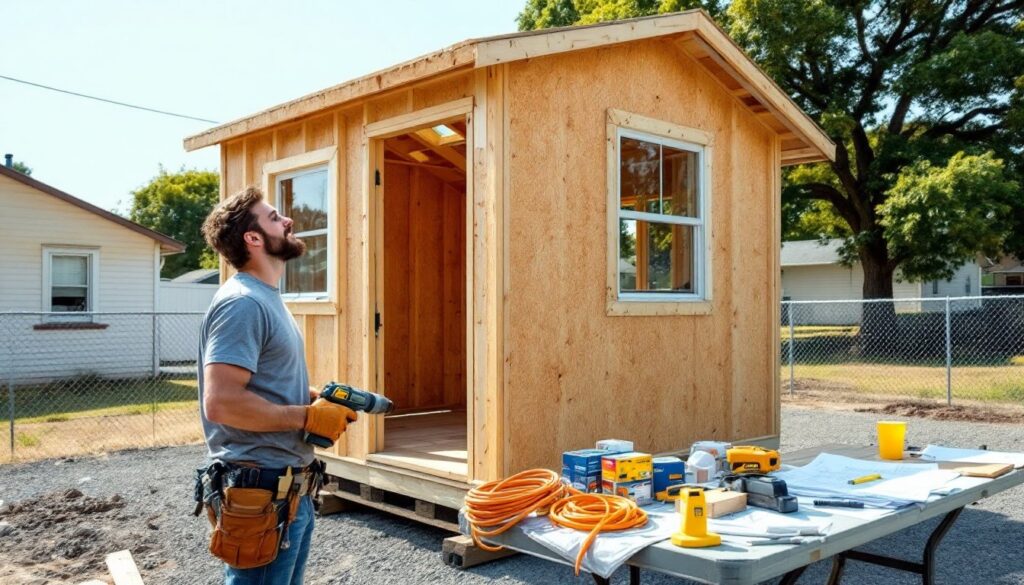
Assembling a tiny house kit is a serious DIY undertaking. It’s not a weekend project, expect 4–8 weeks of part-time work for someone with solid carpentry skills, longer for beginners.
Skill requirements:
- Framing carpentry: reading plans, laying out walls, squaring corners, installing joists and rafters
- Fastening techniques: knowing when to use nails vs. structural screws, proper nailing patterns for shear walls
- Leveling and squaring: using a 4-foot level, speed square, and 3-4-5 triangle method
- Basic electrical and plumbing (if doing finish work yourself), or budget to hire licensed tradespeople
If the builder has never framed a wall, this is not a beginner project. Many who attempt sub-$5,000 kits are experienced DIYers, contractors building a side project, or folks who’ve helped on Habitat builds. If in doubt, take a weekend framing workshop or partner with someone who’s done residential framing.
Essential tools:
- Circular saw (corded or 18V brushless)
- Miter saw (optional but speeds up trim and rafter cuts)
- Cordless drill/driver and impact driver
- Framing nailer (pneumatic or cordless), hand-nailing is possible but brutally slow
- 4-foot level, speed square, tape measure, chalk line
- Sawhorses and a sturdy work table
Safety gear:
- Safety glasses (ANSI Z87.1 rated)
- Work gloves
- Ear protection (muffs or plugs) when using power saws
- Dust mask or respirator for cutting treated lumber or insulation
Most home improvement enthusiasts already own basic tools, but a framing nailer and compressor (or battery nailer) is a worthwhile investment if tackling a kit. Renting is an option but costs add up over weeks.
Plan on at least one helper for wall raising, roof truss installation, and sheathing. Tiny house or not, nobody safely lifts a 16-foot wall alone.
Hidden Costs to Budget for Beyond the Kit Price
A $4,500 kit sounds affordable, until realizing the dozens of expenses that aren’t included. Here’s a realistic budget breakdown for a sub-$5,000 shell kit transformed into a livable space.
Foundation or trailer: $800–$3,500. Concrete piers or a gravel pad with treated skids runs $800–$1,500 (DIY) or $1,500–$2,500 (contractor). A used flatbed trailer rated for tiny house conversion costs $2,000–$3,500. New trailers start around $4,500.
Roofing material: $300–$800. Metal roofing (29-gauge steel panels) covers roughly 100 square feet per $100–$150. Asphalt shingles are cheaper upfront but less durable. Budget $400–$600 for a small gable roof including underlayment and ridge cap.
Windows and doors: $400–$1,200. A builder-grade steel entry door runs $150–$250. Vinyl single-hung windows cost $80–$150 each. Budget 2–4 windows minimum.
Insulation: $300–$600. Fiberglass batts (R-13 for walls, R-30 for ceiling) cost around $0.50–$0.70 per square foot of wall area. Spray foam is better for tiny homes but runs $1.50–$2.50/sq ft installed.
Electrical system: $400–$1,000 (DIY) or $1,500–$3,000 (licensed electrician). Includes 100A or 60A subpanel, Romex wiring, outlets, switches, breakers, and basic fixtures. Permit fees vary by jurisdiction.
Plumbing: $300–$800 (DIY rough-in with PEX). Add $500–$1,500 for fixtures (toilet, sink, shower pan, faucet). Many tiny house dwellers skip full plumbing initially or use composting toilets and outdoor showers.
Interior finishes: $500–$1,500. Drywall or plywood paneling, paint or stain, vinyl plank flooring, baseboards, and trim. Budget higher for quality finishes or reclaimed materials.
HVAC: $200–$1,200. A window AC unit and space heater is the budget option ($200–$400). A ductless mini-split costs $800–$1,200 installed (DIY) and heats/cools efficiently.
Delivery and freight: $200–$800 if the kit ships on a pallet. Some manufacturers include delivery within a certain radius: others charge per mile.
Permits and inspections: $100–$800 depending on jurisdiction. More on this below.
Total realistic budget (kit + finish): $8,000–$15,000 for a livable, code-compliant tiny house. Going cheaper is possible with salvaged materials, Craigslist finds, and extreme DIY, but plan conservatively.
Zoning, Permits, and Legal Considerations for Tiny Houses
Here’s where many tiny house dreams hit a wall, literally. Zoning laws, building codes, and permitting requirements vary wildly by jurisdiction, and tiny houses (especially those under 400 square feet) occupy a legal gray area in many places.
Zoning issues: Most municipalities have minimum square footage requirements for residential dwellings, often 600–1,000 square feet. Tiny houses under that threshold may not qualify as legal primary residences. Some jurisdictions allow tiny houses as accessory dwelling units (ADUs) on a property with an existing home, but others prohibit them outright. A few forward-thinking cities (Portland, OR: Fresno, CA: certain Texas counties) have carved out specific zoning allowances or pilot programs for tiny homes.
Building permits: If the tiny house is on a permanent foundation (piers, slab, or crawlspace), it’s almost always subject to the International Residential Code (IRC) and requires a building permit. That means engineered plans, inspections at rough-in stages, and code compliance for electrical (NEC), plumbing (IPC), and energy efficiency. Many sub-$5,000 kits don’t come with stamped engineering plans, buyers may need to hire a local engineer to review and stamp the design, adding $500–$1,500.
Trailer-mounted tiny houses (THOWs): These often fall under RV or travel trailer codes (NFPA 1192 or ANSI A119.5) rather than residential building codes. Some owners register them as RVs to sidestep zoning restrictions, but this limits where they can legally be parked long-term. RV parks, campgrounds, and private land (with owner permission) are common solutions. But, many RV parks have age restrictions and prohibit “homebuilt” trailers without RVIA certification.
Septic and utilities: Connecting to municipal water and sewer usually requires permits. If going off-grid, a septic system (even a composting toilet) may need health department approval. Graywater systems are regulated in most states.
Insurance and financing: Standard homeowners insurance rarely covers tiny houses under 400 square feet. Specialized tiny house insurance exists but costs $600–$1,200/year. Financing is also tricky, most mortgage lenders won’t touch a tiny house, so buyers typically pay cash or use personal loans.
Bottom line: Before buying any tiny house kit, call the local building department and planning office. Ask about minimum dwelling size, ADU regulations, and permit requirements for structures under 200 square feet. Some rural counties are tiny-house-friendly: suburban areas often aren’t. Budget time and money for permits, engineering review, and potential legal or zoning variances. Skipping this step risks building something you can’t legally occupy.