
As the golden years approach, many dream of a cozy retreat that offers freedom and simplicity. Enter the retirement tiny home—a charming solution that’s more than just a trend. It’s a lifestyle choice that combines financial savvy with the joy of minimalism. Imagine trading in that sprawling house for a snug, efficient space where every square foot sparks joy.
Why settle for a mansion filled with memories when you could have a tiny home filled with adventures? With lower maintenance costs and the ability to travel on a whim, retirees can finally embrace a life of exploration. Plus, who wouldn’t want to brag about living in a home that’s as cute as a button? Retirement tiny homes aren’t just about downsizing; they’re about upgrading to a life that prioritizes experiences over possessions.
Overview Of Retirement Tiny Homes
Retirement tiny homes offer a lifestyle that aligns with the values of minimalism and financial efficiency. Many retirees find that downsizing from larger houses to compact living spaces results in significant financial savings. Cozy and manageable, tiny homes simplify daily routines and reduce maintenance demands, allowing retirees to focus on enjoyment and exploration.
These homes typically range from 100 to 400 square feet, making them easy to maintain and afford. Features often include multifunctional furniture and smart storage solutions, maximizing every square inch. Consequently, retirees can invest more in experiences rather than material possessions, enhancing their quality of life.
Affordability stands out as a primary benefit. Estimates show that tiny homes can save retirees up to 50% on housing costs compared to traditional homes. This financial relief can free up funds for travel, hobbies, and other adventures, promoting a more fulfilling retirement lifestyle.
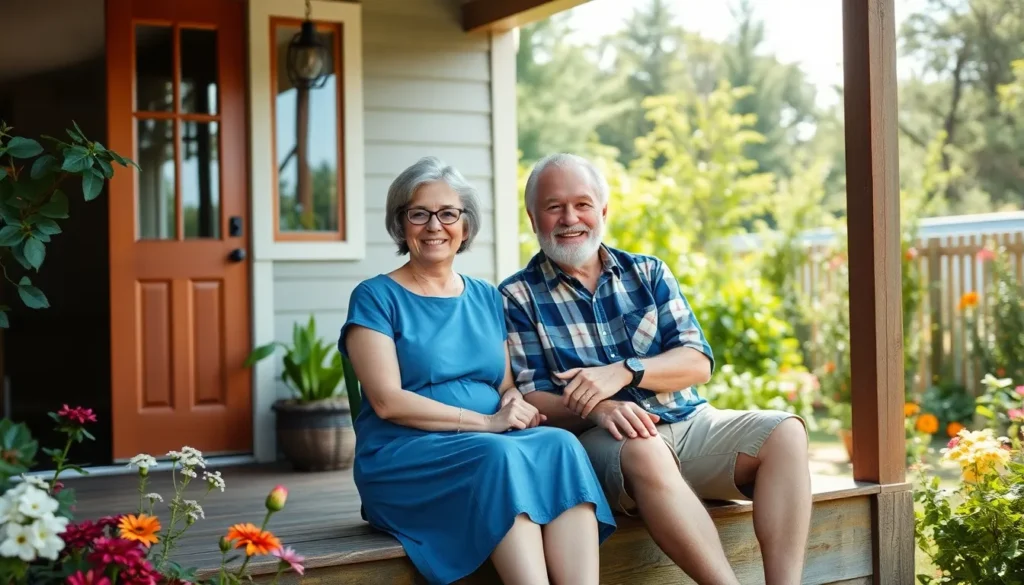
Community living is another attractive aspect, as many tiny home developments foster a sense of camaraderie among residents. Engaging with like-minded individuals can create lasting friendships and support networks. Accessibility to outdoor spaces encourages an active lifestyle, ideal for those looking to stay healthy and engaged in retirement.
Retirement tiny homes present an appealing option for those who prioritize simplicity and adventure. By embracing a minimalist lifestyle, retirees can enjoy a greater sense of freedom, comfort, and community.
Benefits Of Choosing A Tiny Home For Retirement
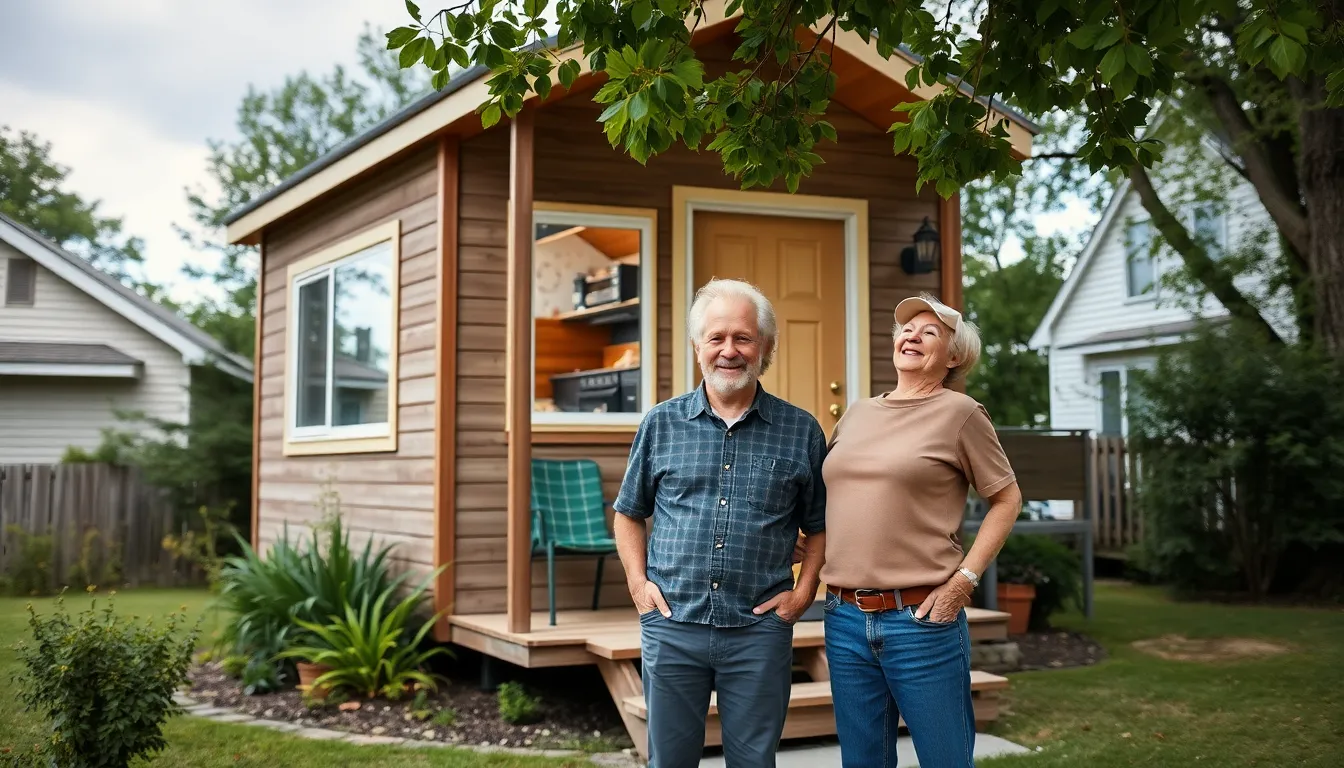
Choosing a tiny home for retirement brings numerous advantages. Retirees enjoy enhanced financial flexibility and a simpler lifestyle.
Financial Savings
Opting for a tiny home reduces housing costs significantly. Estimates show potential savings of up to 50% compared to traditional homes. Lower utility bills and maintenance expenses contribute further to financial relief. Smaller living spaces require fewer resources, resulting in savings on furnishings and upkeep. Property taxes often decrease due to reduced home value. For retirees with fixed incomes, tiny homes present an attractive option to manage expenses effectively. Funds saved can then redirect towards travel or hobbies, maximizing enjoyment during retirement.
Simplified Living
Simplified living becomes a hallmark of tiny home life. Downsizing allows for decluttering, creating a clean, organized space. Multifunctional furniture enables versatility, promoting efficient use of square footage. With fewer possessions, retirees can prioritize what truly matters, leading to reduced stress. Daily routines become easier as everything has its place. Community environments foster connections, enhancing social engagement. Outdoor spaces encourage physical activity, contributing to overall well-being. Choosing a tiny home facilitates an uncomplicated lifestyle, allowing retirees to focus on experiences rather than material concerns.
Considerations When Selecting A Retirement Tiny Home
Choosing a retirement tiny home requires careful thought in several key areas. Prioritizing location and community plays a crucial role in ensuring a fulfilling lifestyle.
Location and Community
Location significantly influences everyday life. Proximity to healthcare facilities, grocery stores, and recreational areas enhances convenience for retirees. Engaging with a vibrant community fosters connection and socialization among residents. Many tiny home developments offer shared amenities like gardens and community centers, which encourage interaction. Depending on preferences, retirees might opt for urban settings with cultural activities or tranquil rural areas that promote relaxation and nature. Understanding the climate and seasonal changes in a chosen area also affects comfort and enjoyment.
Design and Space Utilization
Design impacts functionality in tiny homes. Multifunctional furniture maximizes space, allowing for efficient use of every square foot. Many tiny homes incorporate innovative storage solutions, such as built-in shelves and under-bed compartments. Customizable layouts cater to individual needs, creating a personal haven. Natural light enhances the perception of space, making areas feel more open and inviting. Opting for a well-planned design supports a comfortable lifestyle while minimizing clutter. Simplified layouts contribute to easier maintenance, ensuring that retirees can enjoy their time instead of worrying about upkeep.
Popular Tiny Home Styles for Retirees
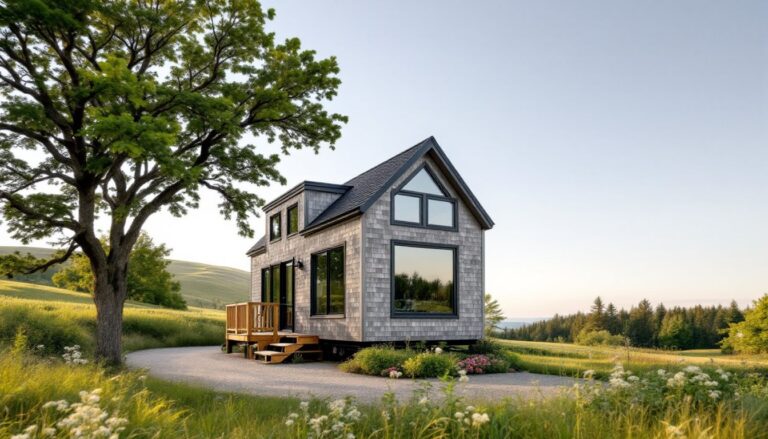
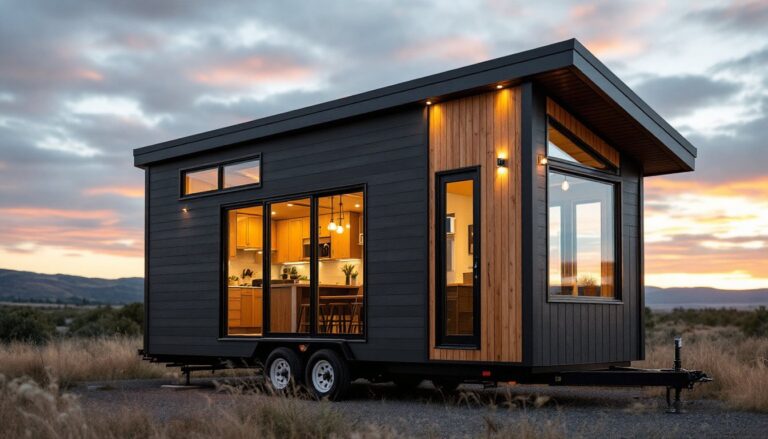
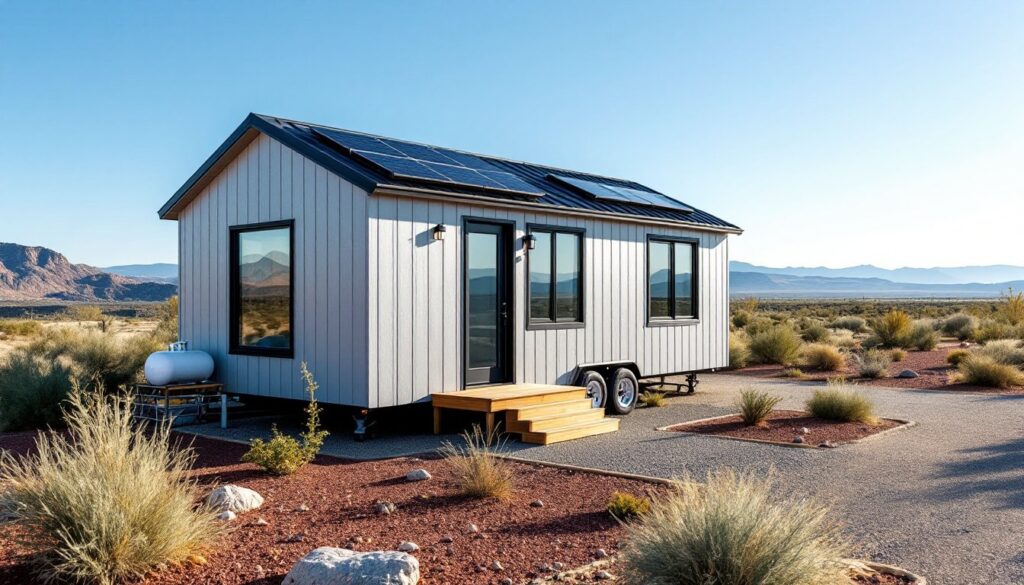
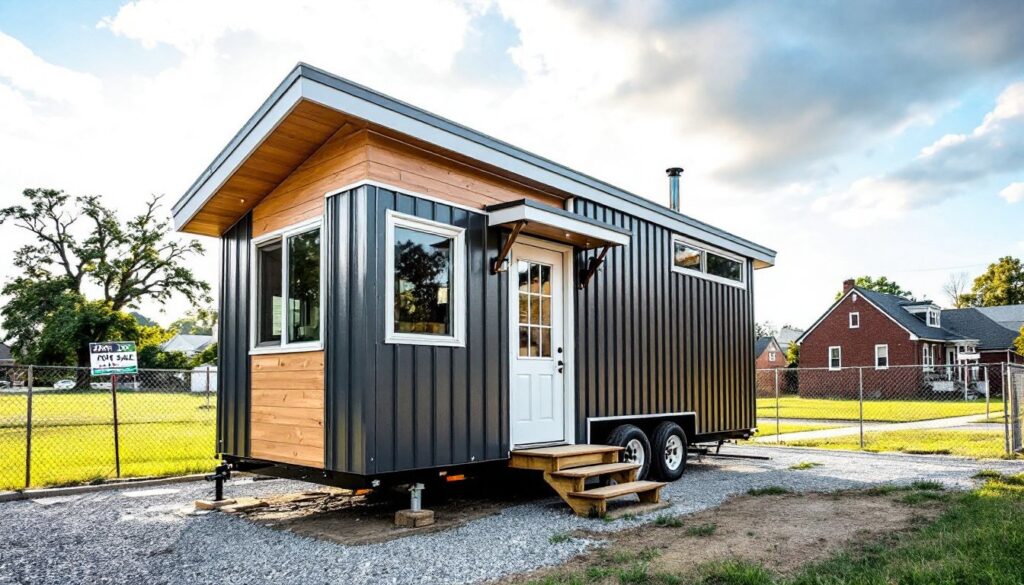
Various styles of tiny homes cater to retirees seeking simplicity and comfort. The modern tiny home features clean lines and open spaces. This design emphasizes functionality with minimalistic decor, allowing easy maintenance and a contemporary feel.
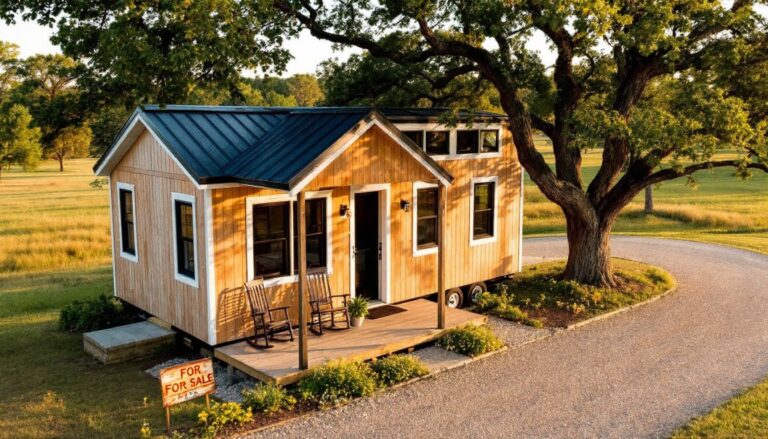
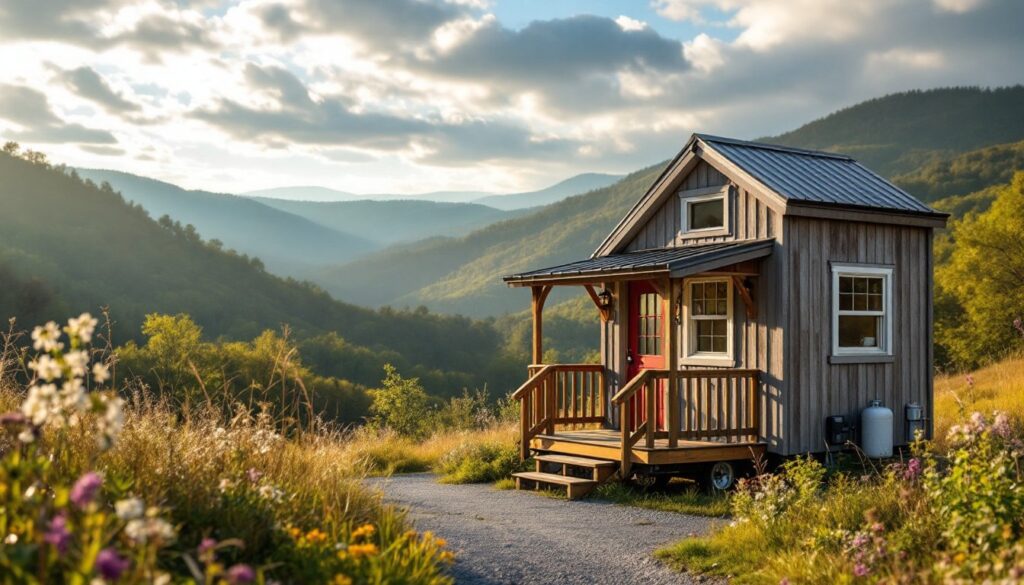
Cottage-style tiny homes evoke a cozy ambiance reminiscent of traditional houses. These often include wood finishes, charming porches, and garden spaces. Retirees can enjoy a connection to nature while relaxing in their serene outdoor environments.
Rustic tiny homes, characterized by natural materials and earthy tones, offer a warm, inviting atmosphere. The combination of reclaimed wood and metal accents provides a unique aesthetic. Retirees appreciate the craftsmanship and warmth from these designs.
Modular tiny homes provide flexibility in living arrangements. These structures can be expanded or customized based on the homeowner’s needs. Retirees often find this adaptability valuable, especially as their requirements shift over time.
Eco-friendly tiny homes promote sustainability and environmental consciousness. Use of renewable resources and energy-efficient appliances makes these homes appealing to retirees interested in reducing their carbon footprint. Additionally, green living enhances overall well-being.
Container homes, utilizing shipping containers as building blocks, offer a modern twist on tiny living. These structures can be uniquely designed to fit personal preferences while maximizing space. Retirees benefit from the robust construction and innovative layouts available in container homes.
Each tiny home style provides distinct advantages while aligning with the desires of those entering retirement. Prioritizing ease of maintenance, aesthetic appeal, and environmental consciousness can lead to fulfilling living experiences. Adopting a tiny home lifestyle fosters a sense of community, allowing retirees to thrive in their golden years.
Conclusion
Retirement tiny homes offer a unique opportunity for those looking to embrace a simpler and more fulfilling lifestyle. By downsizing, retirees can significantly reduce their living expenses while fostering a sense of community and adventure. The innovative designs and multifunctional spaces not only enhance comfort but also encourage a focus on experiences rather than material possessions.
Choosing a tiny home allows retirees to enjoy greater financial flexibility and less stress, making it an attractive choice for those on fixed incomes. With the right location and community, the tiny home lifestyle can lead to a vibrant and enriching retirement, filled with new experiences and lasting connections. Embracing this trend could very well lead to a more joyful and purposeful life in one’s golden years.