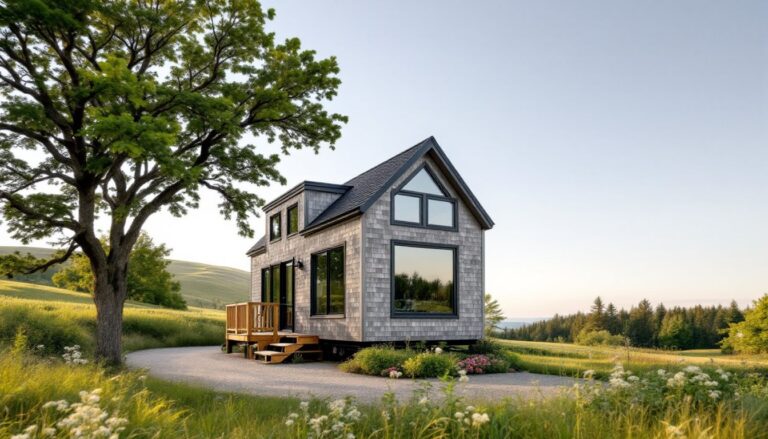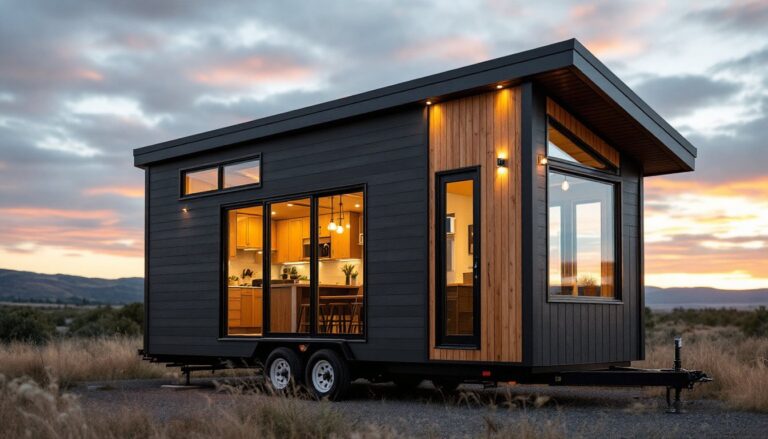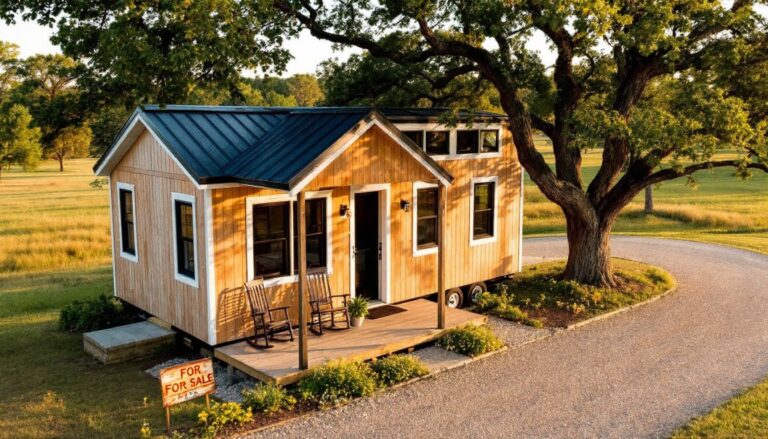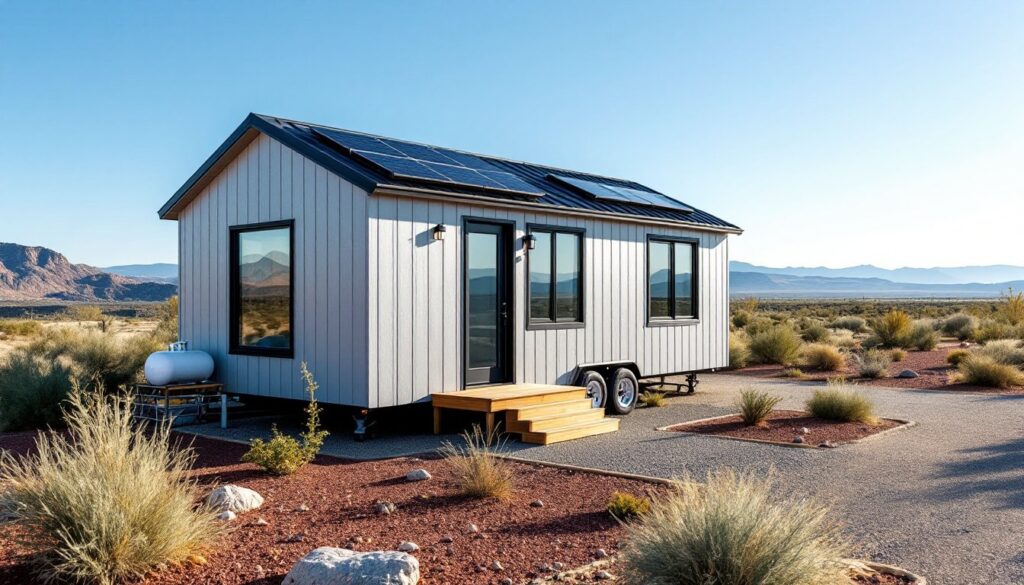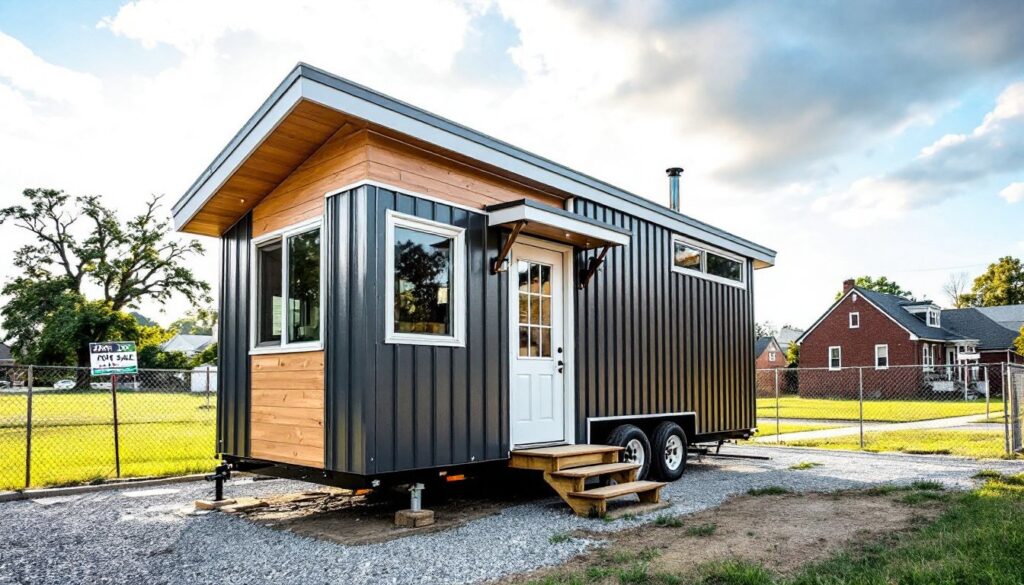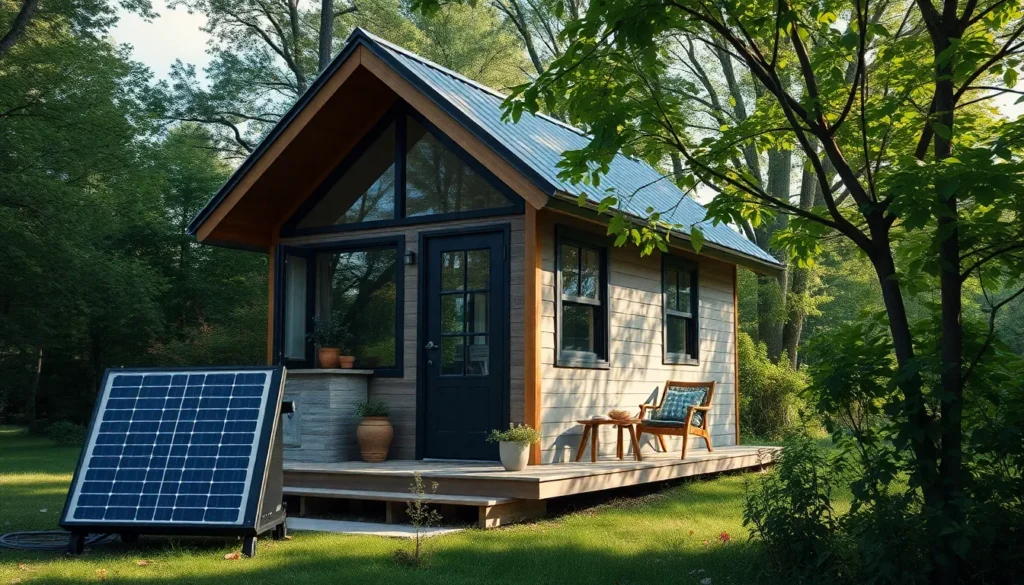

In a world where less is often more, tiny houses are stealing the spotlight, offering cozy living spaces that pack a punch. But what happens when the lights go out in your pint-sized paradise? Enter the tiny house generator—the unsung hero of minimalist living. It’s like having a superhero in your backyard, ready to save the day when the power grid throws a tantrum.
Imagine enjoying your morning coffee while your tiny house hums with energy, powering everything from your espresso machine to your Wi-Fi router. With a tiny house generator, you can embrace off-grid living without sacrificing the comforts of modern life. Who said living small means living without? Get ready to discover how these compact powerhouses can turn your tiny home into a cozy haven, even when the world outside is in chaos.
Overview of Tiny House Generators
Tiny house generators serve as vital energy sources for those who embrace minimal living. These compact devices enable tiny house residents to power essential appliances and enjoy a comfortable lifestyle.
What Is a Tiny House Generator?
A tiny house generator is a compact power source designed specifically for small living spaces. These generators convert fuel into electricity, providing energy for everyday needs. Options include solar, propane, and gas models, each offering unique advantages. Solar generators rely on sunlight, ensuring a sustainable energy solution. Propane generators provide convenience but may need fuel refills. Gas generators deliver high power output for heavy-duty appliances. Each type supports a tiny house’s off-grid capabilities and energy autonomy.
Why Use a Generator for a Tiny House?
Generators enhance the functionality of tiny homes by providing reliable electricity. They support essential appliances such as refrigerators and heating systems, making everyday life more comfortable. Off-grid living can lead to power outages, and having a generator ensures residents stay prepared during emergencies. Compact stature allows easy storage and portability. Cost-effective options exist, allowing users to choose models matching their budget and energy requirements. Overall, tiny house generators are indispensable tools for maintaining a cozy lifestyle in smaller living environments.
Types of Tiny House Generators
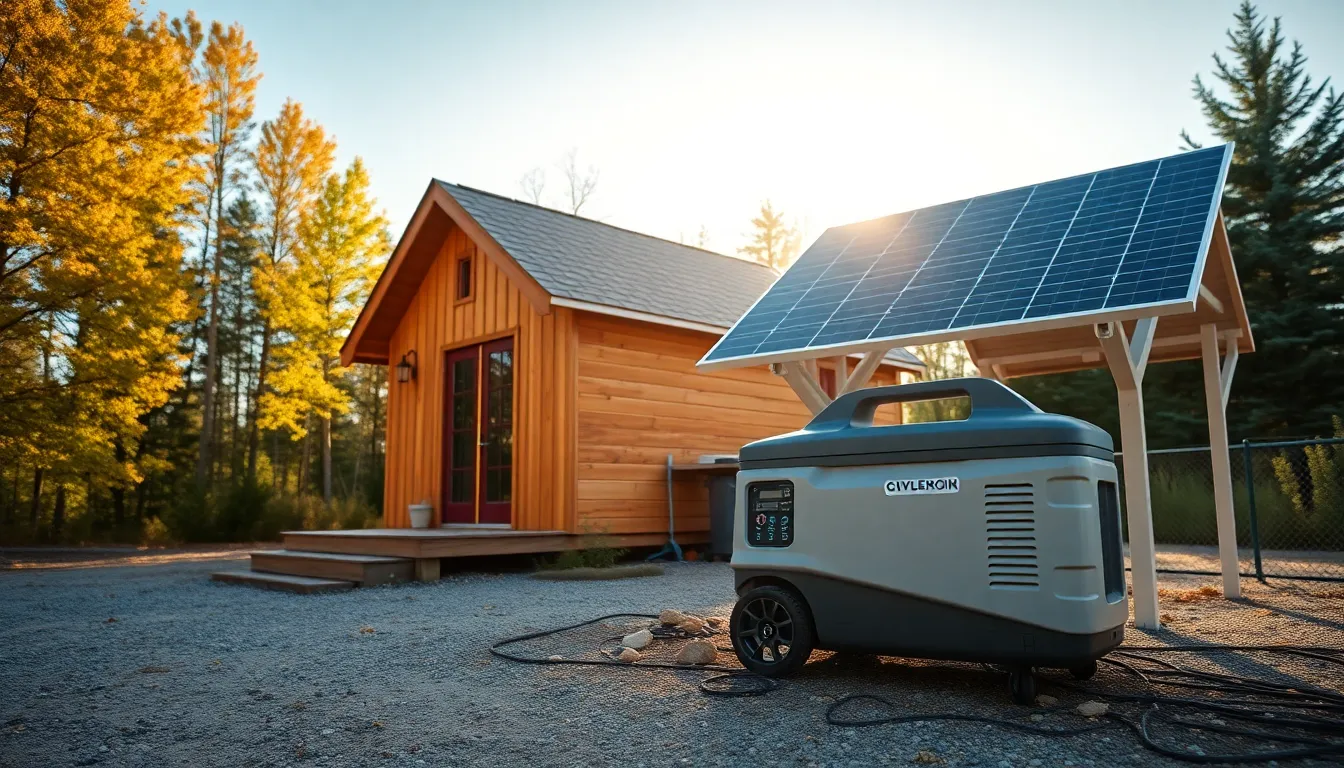
Tiny house generators come in various types, each tailored to specific energy needs and preferences.
Solar Generators
Solar generators use solar panels to harness sunlight and convert it into electricity. These generators are eco-friendly, providing a sustainable power source for daily living. Many models feature built-in inverters and battery storage, enabling users to store energy for later use. They excel in providing power for small appliances and charging devices. Since solar energy is abundant and free, operating costs can remain low once the initial investment is covered.
Portable Gas Generators
Portable gas generators offer flexibility and convenience for tiny house residents. Fueling these generators with gasoline makes them easily accessible, particularly during power outages or when traveling. Many units are compact, making storage simple in small living spaces. They deliver substantial power, capable of running essential appliances like refrigerators and heaters. Noise levels can vary, so selecting a quieter model helps maintain a peaceful environment.
Diesel Generators
Diesel generators provide robust reliability, often favored for their longevity and fuel efficiency. Such generators burn diesel fuel, ensuring they generate high power output for heavier electrical loads. They’re particularly suitable for extended off-grid use due to their resilience and operational durability. While initial costs may be higher, diesel generators typically require less frequent refueling. The efficiency of these models makes them an excellent choice for those needing consistent power.
Key Features to Consider
Determining the right tiny house generator requires understanding essential features. Prioritize aspects like power output, fuel efficiency, and noise level to ensure optimal performance.
Power Output
Power output defines capabilities of tiny house generators. Selection often depends on electricity requirements of appliances such as refrigerators, lights, and small electronics. Cottage models typically offer between 1,000 to 3,500 watts, accommodating standard usage. Smaller units might suffice for basic needs, while larger generators suit heavy-duty equipment. Evaluating total wattage demands clarifies appropriate generator size.
Fuel Efficiency
Fuel efficiency translates to cost-effectiveness and convenience for tiny house living. Generators utilizing propane or solar energy tend to have lower running costs over time. Solar generators provide renewable energy without fuel costs, though initial investment may be higher. Propane generators strike balance between portability and efficiency, delivering consistent power without frequent refueling. Selecting a generator with optimal fuel efficiency ensures minimal disruption during off-grid living.
Noise Level
Noise level significantly impacts comfort in tiny living spaces. Portable gas generators often produce sound levels of 60 to 70 decibels, comparable to normal conversations. Selecting quieter models can enhance the living experience, especially in peaceful environments. Solar generators operate silently, suitable for noise-sensitive areas. Evaluating decibel ratings helps identify generators that maintain tranquility while meeting power needs.
Pros and Cons of Tiny House Generators
Tiny house generators offer various benefits and drawbacks essential for off-grid living. Understanding these can help individuals make informed decisions about their energy needs.
Advantages
Tiny house generators like solar and propane models provide reliable power for essential appliances. They contribute to sustainability, particularly with solar options generating clean energy from sunlight. Portability remains a key feature, allowing users to position generators as needed. Maintenance tends to be straightforward, often requiring minimal upkeep for solar systems. Cost-effectiveness is apparent with several models available, accommodating different budgets while meeting energy demands.
Disadvantages
Noise levels can be an issue, especially with gas and propane generators, potentially disrupting peaceful environments. Performance may falter during extended use, particularly in propane and gas models lacking sufficient fuel supply. Installation requirements differ, as some generators necessitate specific setups, complicating initial use. Space constraints may limit storage options, particularly for larger models. Fuel prices fluctuate, impacting ongoing costs associated with gasoline or propane generators.
Best Tiny House Generators on the Market
Tiny house generators provide essential power for off-grid living. Residents can choose from multiple high-quality models to meet their energy needs.
Generator Model 1
The Jackery Explorer 2000 Pro is a popular solar generator. This model offers 2,160 watts of power, making it suitable for powering appliances like refrigerators and microwaves. Portability stands out with its lightweight design, allowing easy transport for outdoor adventures. Solar panel compatibility enhances its appeal, enabling users to harness renewable energy. Additionally, it has multiple ports for charging several devices simultaneously.
Generator Model 2
The Westinghouse WGen7500 operates on gas and delivers reliable power in demanding situations. With a 7,500 starting watt capacity and 6,500 running watts, it’s capable of running essential appliances during outages. Users appreciate its electric start feature, ensuring convenient operation. Runtime efficiency impresses with up to 12 hours of power on a full tank. This generator includes a wheel kit, simplifying transport and storage.
Generator Model 3
The Champion 100263 serves as an excellent dual-fuel option, compatible with both propane and gas. It generates 3,800 starting watts and 3,400 running watts, suitable for small to mid-sized appliances. Users value its inverter technology, as it produces clean power for sensitive electronics. This model also boasts a 7.5-hour runtime on propane, providing extended usage without frequent refueling. Its compact size makes storage in tiny homes convenient.
Conclusion
Tiny house generators play a crucial role in modern off-grid living. They enable residents to enjoy essential comforts without compromising on space or convenience. With various options available—from solar to gas—there’s a generator that fits every lifestyle and energy need.
These compact power sources not only provide reliable electricity but also enhance the overall functionality of tiny homes. As more people embrace minimal living, investing in the right generator can significantly improve their quality of life. When choosing a generator, considering power output, fuel efficiency, and noise levels can ensure a comfortable and sustainable living experience.