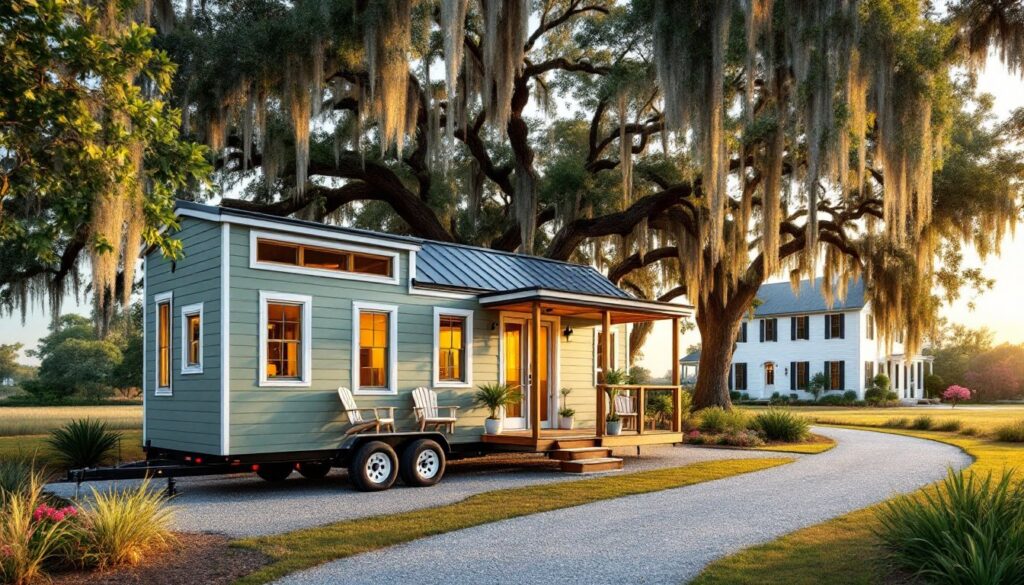

Charleston’s historic charm meets modern minimalism in a growing tiny home market that’s attracting downsizers, retirees, and sustainability-minded buyers. The Lowcountry’s mild winters, coastal access, and walkable neighborhoods make it one of the Southeast’s most viable markets for compact living. But buying a tiny home in Charleston isn’t like shopping for a traditional house, zoning laws vary wildly by municipality, financing can be tricky, and you’ll need to understand the difference between a THOW (tiny home on wheels) and a foundation-built ADU (accessory dwelling unit) before you start browsing listings.
Table of Contents
ToggleKey Takeaways
- Charleston’s mild winters, coastal access, and walkable neighborhoods make it one of the Southeast’s most viable markets for tiny homes for sale in Charleston, SC, attracting downsizers and sustainability-minded buyers.
- Zoning laws vary significantly by municipality—the City of Charleston allows ADUs under 850 sq ft on primary properties, while unincorporated County areas are more permissive for tiny homes on wheels as primary residences.
- New custom tiny homes range from $60,000 to $110,000, while used units cost $35,000 to $75,000; most banks won’t finance THOWs, so buyers should explore RV loans, personal loans, or cash purchases.
- Climate-appropriate construction is critical in the Lowcountry—prioritize closed-cell spray foam insulation, properly sized mini-split HVAC systems, and secure hurricane anchoring rated for 120+ mph winds.
- Foundation-built tiny homes hold value better than trailer-based units, which depreciate 10–20% in the first three years, making this an important consideration for long-term resale planning.
- Connect with the active local tiny home community through monthly meetups to access insider knowledge on builder-friendly land, off-grid utilities, and inspectors who understand alternative construction.
Why Charleston Is Perfect for Tiny Home Living
Charleston offers year-round livability without the heating costs that plague northern climates. Average winter lows hover around 50°F, meaning a well-insulated tiny home with a mini-split heat pump can stay comfortable without propane furnaces or wood stoves.
The metro area spans multiple municipalities, Mount Pleasant, James Island, West Ashley, North Charleston, and Summerville, each with different attitudes toward alternative housing. Some unincorporated areas of Charleston County allow THOWs on private land with minimal restrictions, while downtown Charleston enforces stricter setback and design review standards.
Coastal living also means hurricane preparedness is non-negotiable. Tiny homes on wheels need secure anchoring systems rated for 120+ mph winds, and insurance carriers will require proof of tie-downs that meet IRC Appendix E standards. Foundation-built tiny homes fare better in underwriting but still need elevated construction in flood zones.
The region’s active tiny home community runs monthly meetups and shares intel on builder-friendly land, off-grid utilities, and which inspectors understand alternative construction. That local knowledge matters when you’re working outside the conventional real estate playbook.
Types of Tiny Homes Available in Charleston
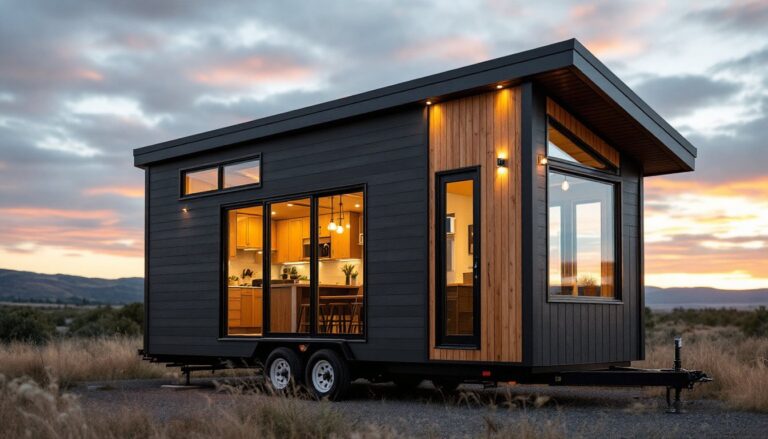
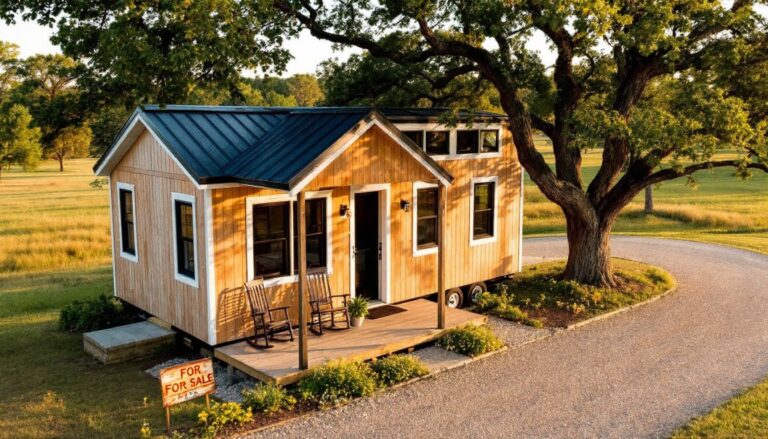
Tiny Homes on Wheels (THOWs): Built on trailers, typically 8.5′ wide by 20′ to 30′ long, these units bypass foundation requirements and can be relocated. Most weigh 10,000 to 14,000 lbs fully loaded, requiring a one-ton truck or professional transport. THOWs are classified as RVs by some jurisdictions, which affects where you can park them long-term. Builders often use 2×4 framing on 16″ centers to save weight, with spray foam insulation and metal roofing.
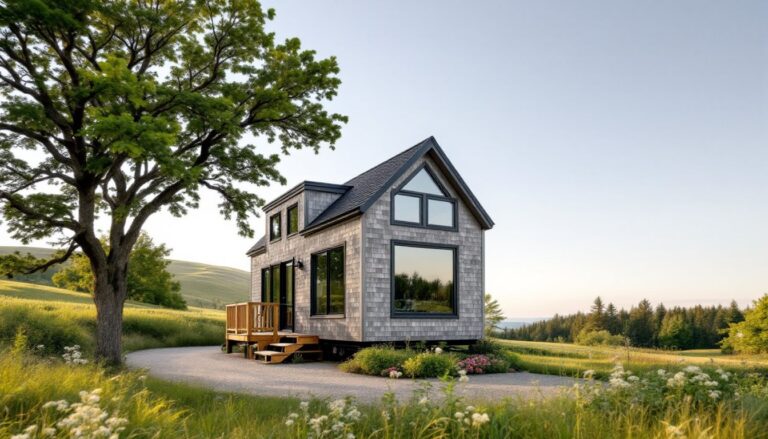
Foundation-Built Tiny Homes: These are permanent structures under 600 sq ft, often designed as ADUs or guesthouses. They follow standard residential building codes, 2×6 exterior walls, R-19 insulation, and IRC-compliant egress windows. Foundation options include pier-and-beam (common in flood zones) or slab-on-grade for stable soil. Permitting is straightforward but more expensive than THOWs.
Container Homes: Modified 20′ or 40′ shipping containers show up occasionally in Charleston listings. Proper builds require cutting structural steel for windows and doors, adding insulation (containers sweat without it), and treating rust. They’re trendy but not always cost-effective once you factor in foundation, HVAC, and interior finish work.
Park Models: These are 400 sq ft RVs built to ANSI A119.5 standards, wider than THOWs and designed for semi-permanent placement. Some tiny home communities allow them instead of site-built structures.
Where to Find Tiny Homes for Sale in Charleston
Local Builders and Custom Shops: Charleston-area builders like Tiny House Building Company and Low Country Tiny Homes fabricate custom THOWs and ADUs. Expect 4 to 8 months lead time for a custom build, with deposits around 25% to 30% upfront. Touring a builder’s completed units helps you evaluate craftsmanship, check for square corners, level floors, and clean electrical runs.
Online Marketplaces: Sites like Tiny House Listings, Tiny House Marketplace, and even Facebook Marketplace feature used and new tiny homes. Listings range from DIY shells needing finish work to turnkey models. Always request build specs, weight documentation, and photos of the undercarriage before traveling to inspect.
Real Estate Agents Specializing in Alternative Housing: A handful of Lowcountry agents understand tiny home transactions and can navigate land purchases, ADU permitting, and seller financing. They’ll know which sellers are open to creative deals and which parcels already have utilities stubbed in.
Tiny Home Communities and RV Parks: Some RV resorts near Charleston allow long-term tiny home placement, though monthly lot fees run $400 to $800. A few private communities are developing tiny home subdivisions with shared amenities and covenants that permit THOWs.
Browsing options on design-focused platforms can also spark ideas for layouts and finishes, though always verify local availability and code compliance.
Charleston Zoning Laws and Tiny Home Regulations
Zoning is the biggest wildcard. City of Charleston allows ADUs in R-1 through R-3 zones if they’re on the same lot as a primary dwelling, under 850 sq ft, and meet setback rules (typically 5′ side, 10′ rear). THOWs are not recognized as permanent dwellings within city limits, though some owners park them as “temporary structures” with annual permits.
Charleston County (unincorporated areas) is more permissive. Parcels zoned Agricultural or Rural Residential often allow one THOW per lot without a primary residence, provided it meets septic and setback requirements. You’ll still need an electrical permit and possibly a building permit if the unit exceeds 400 sq ft and is permanently connected to utilities.
Mount Pleasant and Summerville require ADUs to match the architectural style of the main house and prohibit THOWs as primary residences. James Island has no formal ADU ordinance but sometimes approves them as special exceptions.
Before buying land or a tiny home, call the local planning department and ask three questions: (1) Are THOWs allowed as primary residences? (2) What’s the minimum square footage for a dwelling? (3) Are there design review or HOA restrictions? For deeper context on navigating zoning challenges, research similar ordinances in other Lowcountry counties.
If your tiny home is on wheels, some owners register it as an RV and keep it mobile to avoid zoning conflicts, though this limits access to conventional mortgages and homeowner’s insurance.
Cost Breakdown: What to Expect When Buying a Tiny Home in Charleston
New Custom THOW: $60,000 to $110,000 depending on size, finishes, and off-grid features. A basic 24′ model with vinyl plank flooring, laminate counters, and a mini-split HVAC system starts around $65,000. Upgraded builds with hardwood floors, quartz counters, composting toilets, and solar arrays can exceed $100,000.
Used THOWs: $35,000 to $75,000 for units 3 to 7 years old. Inspect the trailer frame for rust, check roof seams for leaks, and test all appliances and plumbing. Factor in $3,000 to $8,000 for transportation if the seller is out of state.
Foundation-Built Tiny Homes (DIY or Contractor-Built): Expect $120 to $200 per sq ft for a permitted, turnkey build. A 400 sq ft ADU runs $48,000 to $80,000 excluding land prep, utility connections, and site work. DIY builders can cut costs by 30% to 40% if they handle framing, insulation, and finish carpentry themselves.
Land: Buildable lots within 30 minutes of Charleston range from $25,000 (rural, no utilities) to $80,000+ (in-town with water/sewer hookups). Budget $5,000 to $15,000 for well and septic if off-grid, or $2,000 to $5,000 for utility tap fees in served areas.
Financing: Most banks won’t write mortgages for THOWs. Options include RV loans (6% to 9% APR, up to 15-year terms), personal loans, or cash. Foundation-built tiny homes under 600 sq ft may qualify for construction loans if the land is owned free and clear. Exploring tiny home investment strategies can help buyers understand financing alternatives.
Insurance: THOWs often require specialty RV or mobile home policies, running $600 to $1,200 annually. Foundation-built units qualify for standard homeowner’s insurance, though expect higher premiums in flood zones.
Tips for Choosing the Right Tiny Home in Charleston
Prioritize Climate-Appropriate Construction: Lowcountry humidity and heat demand closed-cell spray foam insulation (R-13 to R-21 in walls) and a properly sized mini-split system (9,000 to 12,000 BTU). Avoid builders who use fiberglass batts in THOWs, they compress during transport and trap moisture.
Inspect the Trailer and Axles: For THOWs, check that the trailer is a welded steel frame with a GVWR (gross vehicle weight rating) that exceeds the home’s loaded weight by at least 1,000 lbs. Axles should be 5,200 lb or 7,000 lb capacity with electric brakes. Rust on the frame or undercarriage is a deal-breaker.
Verify Electrical and Plumbing Codes: Even if a tiny home isn’t permitted, it should follow NEC standards, GFCI outlets in wet areas, proper wire gauge for circuits, and a main breaker panel rated for the home’s load. Plumbing should use PEX or copper, not garden hoses, and all drains need P-traps.
Test Before You Buy: Spend a night or weekend in the unit if possible. Check for drafts, noise from the road (if it’s a THOW), and whether the layout actually works for daily living. Many buyers underestimate how cramped 200 sq ft feels with two people and a dog.
Understand Resale and Depreciation: THOWs depreciate like RVs, expect to lose 10% to 20% of value in the first three years. Foundation-built tiny homes on owned land hold value better but still suffer from limited buyer pools. If resale matters, stick to neutral finishes and proven layouts.
For budget-conscious buyers, reviewing options for tiny homes under $10,000 can reveal entry-level or shell models that allow for sweat equity.
Consider future needs, too, if you might retire in your tiny home, features like zero-step entries and wider doorways matter more than loft bedrooms with ladders. Browsing tiny house plans can help visualize different layouts before committing to a purchase.
Finally, check whether grant programs are available in South Carolina for first-time buyers or sustainable housing initiatives, some municipalities offer incentives for ADUs or energy-efficient builds.
Conclusion
Buying a tiny home in Charleston requires more assignments than a conventional real estate deal, but the payoff, lower costs, simplified living, and access to one of the South’s most livable cities, makes it worth the effort. Focus on zoning compliance, climate-appropriate construction, and financing realities, and you’ll avoid the pitfalls that trip up first-time tiny home buyers.