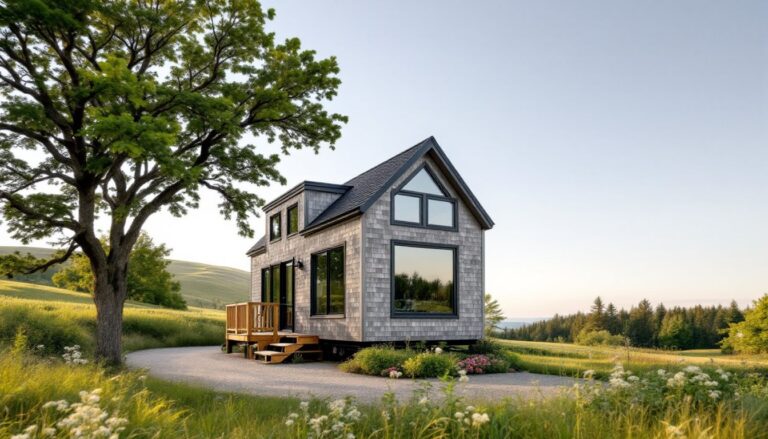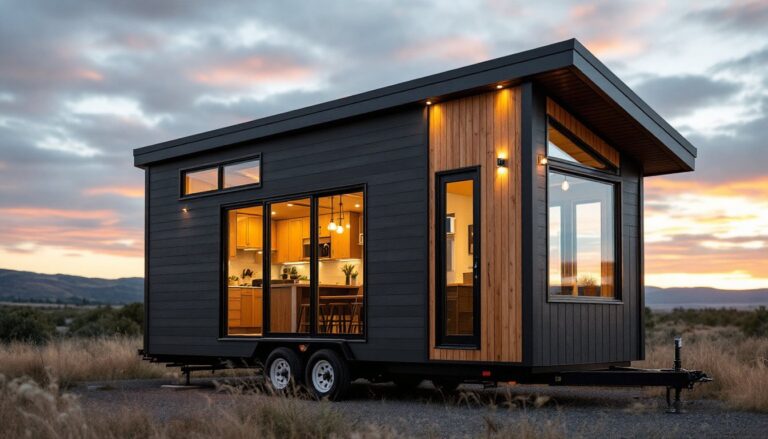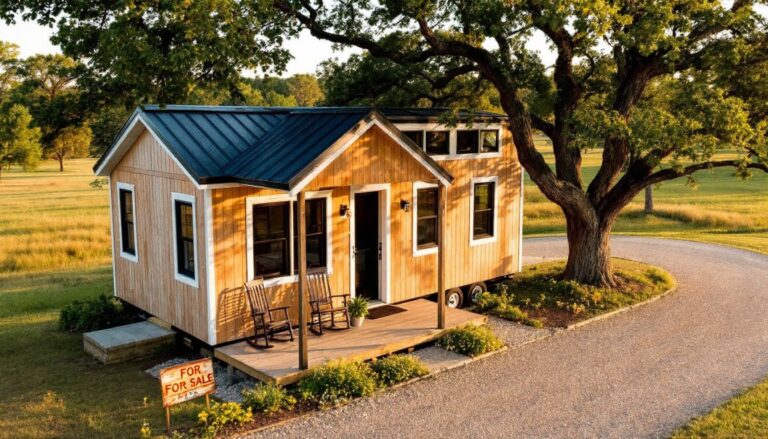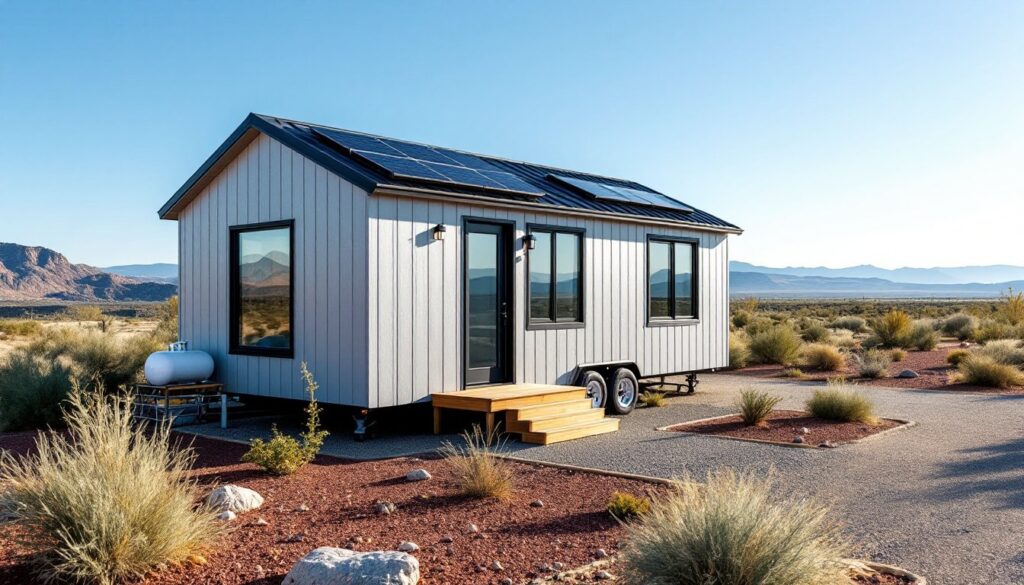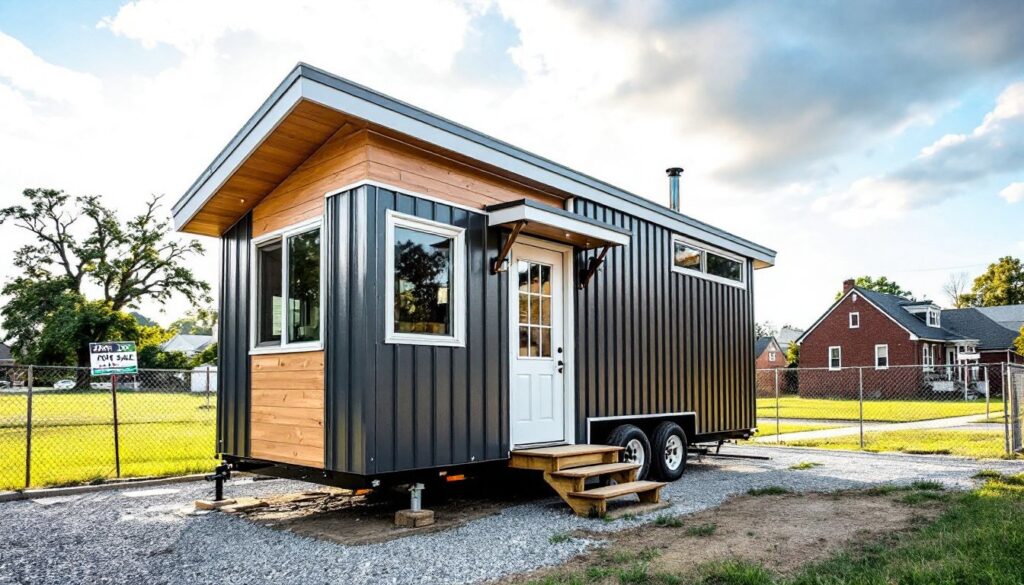
Tiny homes are gaining popularity as more people seek affordable and sustainable living options. However, navigating the maze of regulations can be daunting for those looking to downsize. Each city and state has its own set of rules that dictate everything from zoning to building codes, making it crucial for future tiny home owners to understand their local laws.
As the tiny home movement continues to grow, so do the challenges associated with it. Regulations often lag behind this innovative lifestyle, leading to confusion and frustration. Understanding these regulations not only helps in avoiding legal pitfalls but also ensures that tiny home enthusiasts can create safe and compliant living spaces.
Overview of Tiny Home Regulations
Tiny home regulations vary significantly across regions, creating a complex landscape for potential owners. Local jurisdictions establish specific zoning and building codes, which often dictate the minimum size, foundation type, and usage of tiny homes. While some areas embrace tiny homes by allowing them in residential zones, others restrict their placement, leading to potential legal complications.
Zoning laws typically determine where tiny homes can exist. For example, in some cities, tiny homes on wheels classify as recreational vehicles (RVs) under local regulations, limiting them to designated RV parks or campgrounds. Conversely, other municipalities recognize tiny homes as a legitimate housing alternative, permitting them in single-family zones.
Building codes also impact tiny home construction, addressing issues like safety standards, plumbing, and electrical systems. Builders must ensure compliance with local requirements, which can differ even between nearby cities. Common areas of concern include:
- Habitable space: Minimum square footage standards vary by location, typically ranging from 120 to 400 square feet.
- Utilities: Connections to water, sewer, and electricity often require specific permits and inspections.
- Safety features: Regulations frequently mandate smoke detectors, fire exits, and other safety measures.
Permitting processes may differ greatly by city, with some offering streamlined paths for tiny home approvals while others impose extensive bureaucratic hurdles. Prospective tiny home owners should consult local building departments and review current regulations thoroughly to avoid potential violations.
Legislation around tiny homes continues to evolve, as urban planners and policymakers recognize the need for affordable housing solutions. Staying informed about updates and changes in local regulations remains essential for anyone considering this housing option.
Key Regulatory Concerns
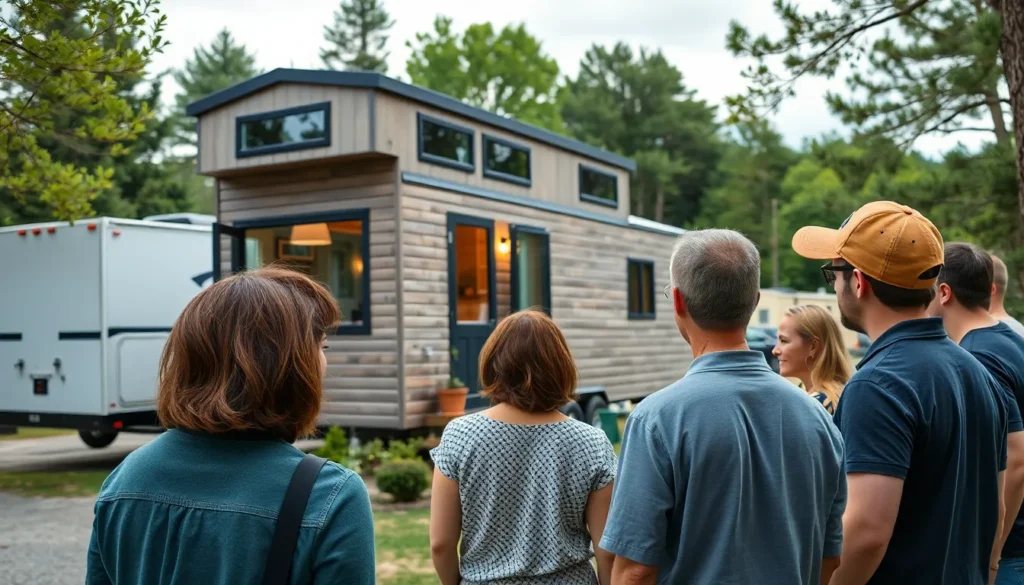
Understanding key regulatory concerns is essential for prospective tiny home owners. Zoning laws and building codes form the foundation of this complex landscape, influencing where and how tiny homes can be placed and built.
Zoning Laws
Zoning laws vary widely among municipalities. These regulations often dictate the type of structures permitted in specific areas. Many cities allow tiny homes within residential zones, while others classify tiny homes on wheels as recreational vehicles (RVs). This classification limits placement to RV parks or designated campgrounds. Additionally, zoning laws may require minimum lot sizes or specific land use permits. Owners must confirm local zoning classifications to avoid penalties and ensure compliance.
Building Codes
Building codes govern construction standards for safety and habitability. Compliance requirements can differ even between adjacent cities. Most codes address issues such as structural integrity, plumbing, electrical systems, and fire safety. Some jurisdictions may enforce stricter standards for tiny homes, which impacts their design and features. Tiny home builders often face challenges in meeting these codes, particularly regarding size and materials. Understanding local building codes is crucial for ensuring that a tiny home aligns with safety regulations and remains legally compliant.
Variations by State
Tiny home regulations vary significantly across states. Understanding these differences helps prospective owners navigate the legal landscape effectively.
California
In California, tiny homes often fall under the jurisdiction of both state and local regulations. Many cities, such as Los Angeles and San Diego, have begun allowing tiny homes in residential zones. However, some areas impose minimum size requirements that exceed 240 square feet. Additionally, California has established guidelines for tiny homes on wheels, classifying them as RVs, which may limit their placement. Owners must check local zoning laws and obtain necessary permits to ensure compliance with regulations.
Texas
Texas offers a relatively friendly environment for tiny home dwellers. Many municipalities permit tiny homes in residential areas and have few size restrictions. Cities like Spur and Austin have developed specific tiny home communities, promoting innovative living solutions. While Texas permits tiny homes, local building codes must be adhered to, which can vary by city. Property owners should verify foundation requirements and utility installations to remain compliant with these laws.
Florida
In Florida, tiny home regulations depend heavily on the city or county. Some areas, like Orlando, allow tiny homes in certain residential districts, while others may restrict them to RV parks. Florida also has specific building codes regarding wind load and flood zone considerations, significantly affecting tiny home design and placement. Residents looking to build must navigate local zoning boards and secure necessary licenses, ensuring their tiny home adheres to both building and safety regulations.
Benefits of Complying with Regulations
Aligning with tiny home regulations offers numerous advantages, primarily ensuring safety and enhancing property value. Compliance not only establishes a legal foundation for ownership but also contributes to a more sustainable living environment.
Enhancing Safety
Complying with local building codes significantly enhances the safety of a tiny home. Adherence to regulations guarantees that structural integrity, plumbing, electrical systems, and fire safety measures meet recognized standards. For example, building codes may specify robust materials to withstand environmental factors, ensuring durability and longevity. By following these guidelines, homeowners protect themselves from potential hazards and create secure living spaces for occupants.
Increasing Property Value
Effective compliance with zoning and building regulations can boost the market value of tiny homes. Properties that adhere to established standards attract more prospective buyers due to their verified safety and legality. For instance, homes officially classified as residential units tend to sell at higher prices than those viewed as recreational vehicles. As the demand for tiny homes increases, compliance validates their investment potential, leading to higher resale values and a more substantial return on investment.
Challenges Faced by Tiny Home Owners
Tiny home owners encounter multiple challenges, including limited land options and financing difficulties. These obstacles can impede the ability to establish a tiny home in a desirable location.
Limited Land Options
Limited land availability poses significant challenges for tiny home owners. Many urban areas enforce restrictive zoning laws that categorize tiny homes as RVs, preventing placement in traditional residential zones. Some jurisdictions impose minimum lot size requirements, restricting placement options even further. Rural areas may offer more space, but availability can be inconsistent. Additionally, securing land in regions with favorable zoning often results in inflated prices, complicating the search for suitable sites. Prospective owners must thoroughly research local listings and zoning designations to identify viable land options.
Financing Difficulties
Financing tiny homes presents unique challenges compared to traditional housing. Many lenders view tiny homes as non-permanent structures, limiting access to conventional mortgages. Alternative financing methods, such as personal loans or RV loans, may come with higher interest rates and stricter terms. Additionally, limited resale values can complicate equity-building for tiny home owners. Owners often rely on cash purchases, which aren’t always feasible. Understanding financing options and their terms is essential for effectively budgeting and securing necessary funds while pursuing tiny home ownership.
Navigating tiny home regulations is crucial for anyone considering this lifestyle. Understanding local zoning and building codes helps ensure compliance and safety. As the tiny home movement continues to grow, staying informed about regional laws will empower potential owners to make educated decisions.
Embracing tiny living offers numerous benefits but comes with unique challenges. By prioritizing knowledge of regulations and seeking guidance, aspiring tiny homeowners can successfully integrate into their communities while enhancing their property values. This proactive approach not only fosters a safer living environment but also contributes to the overall acceptance of tiny homes in society.