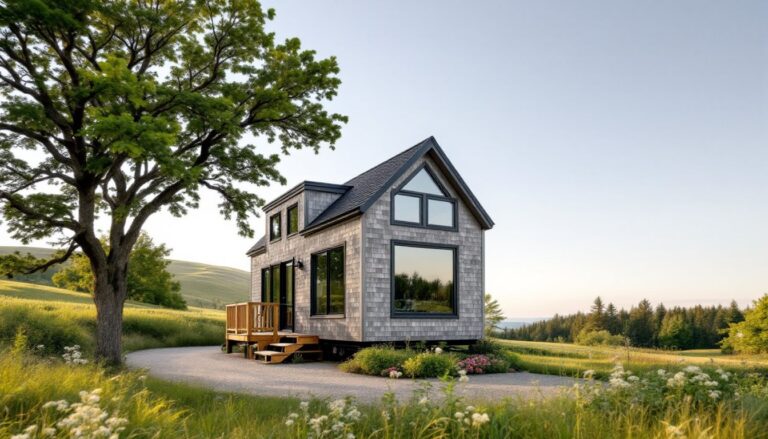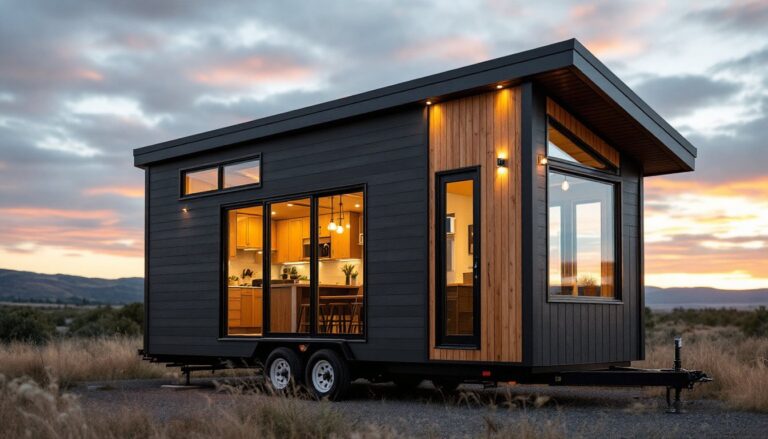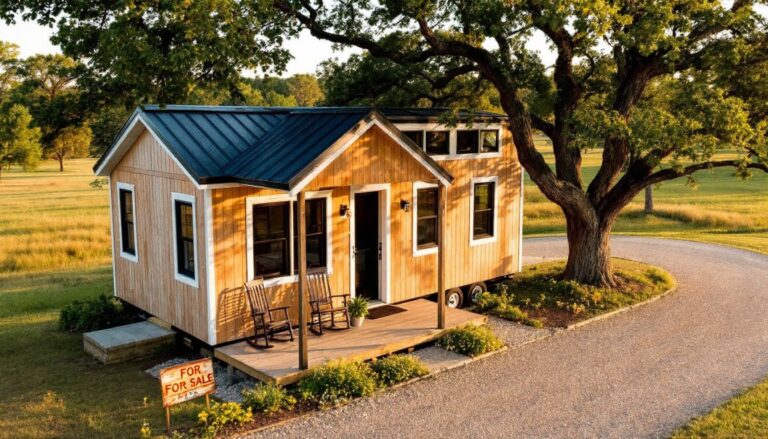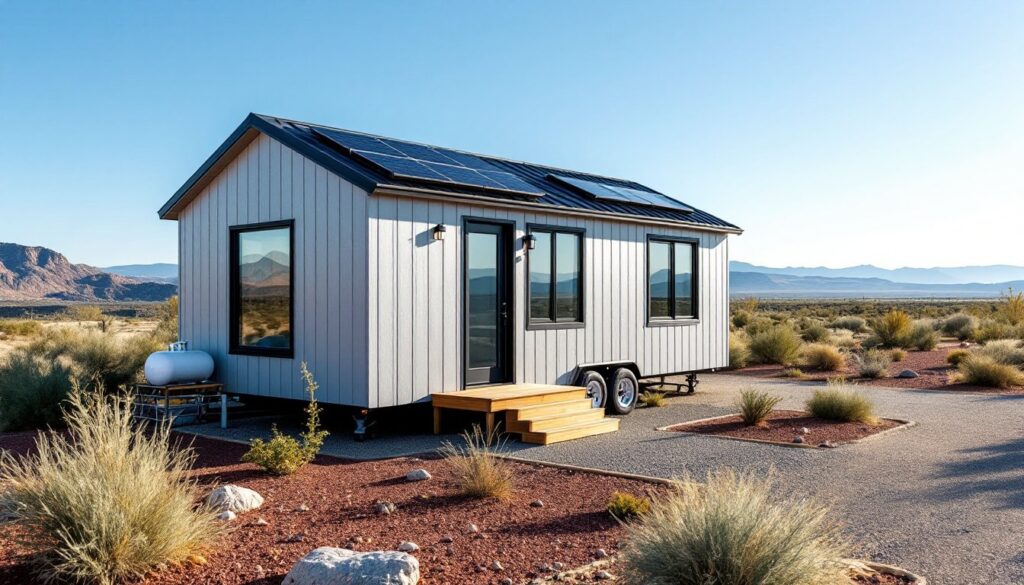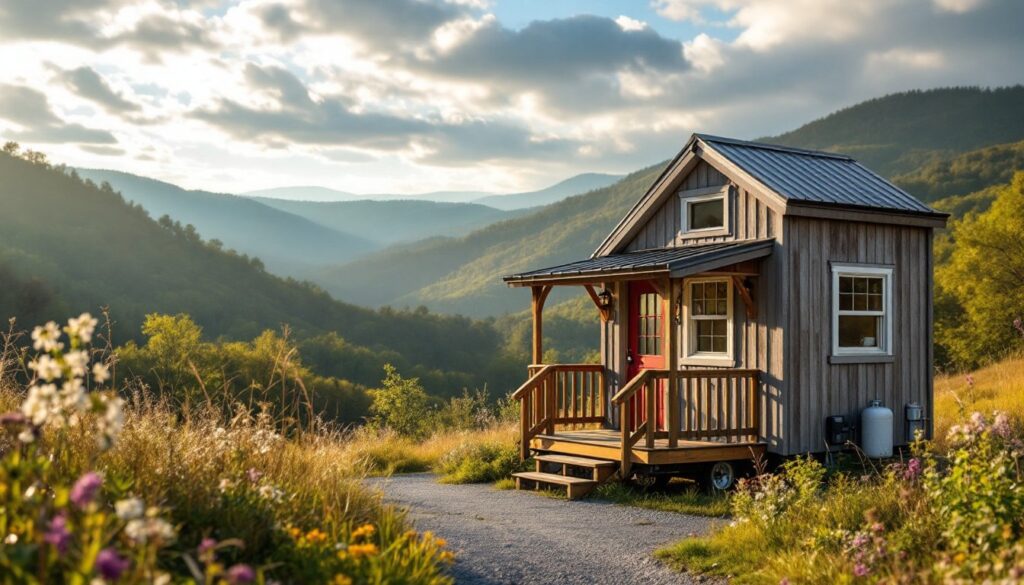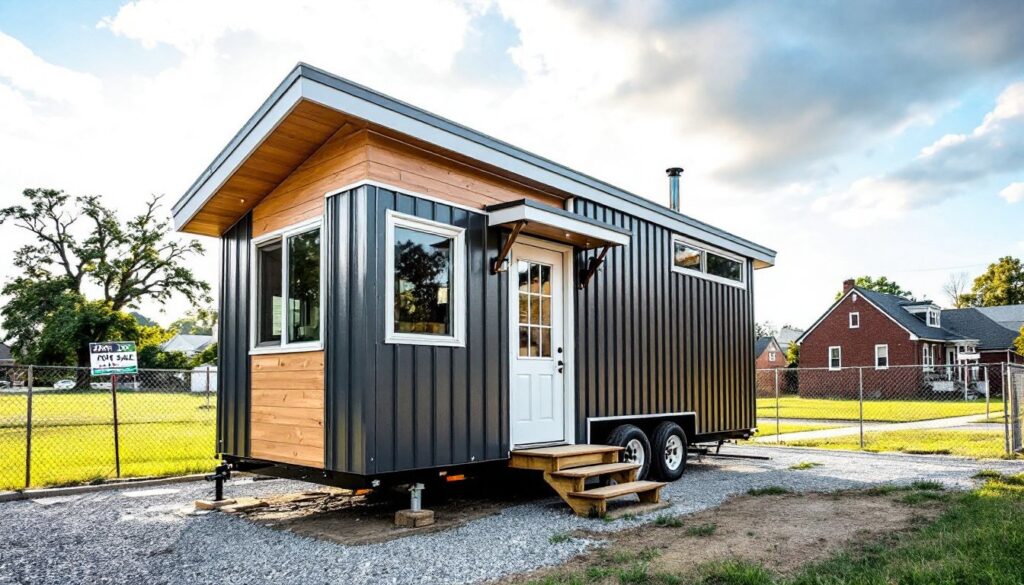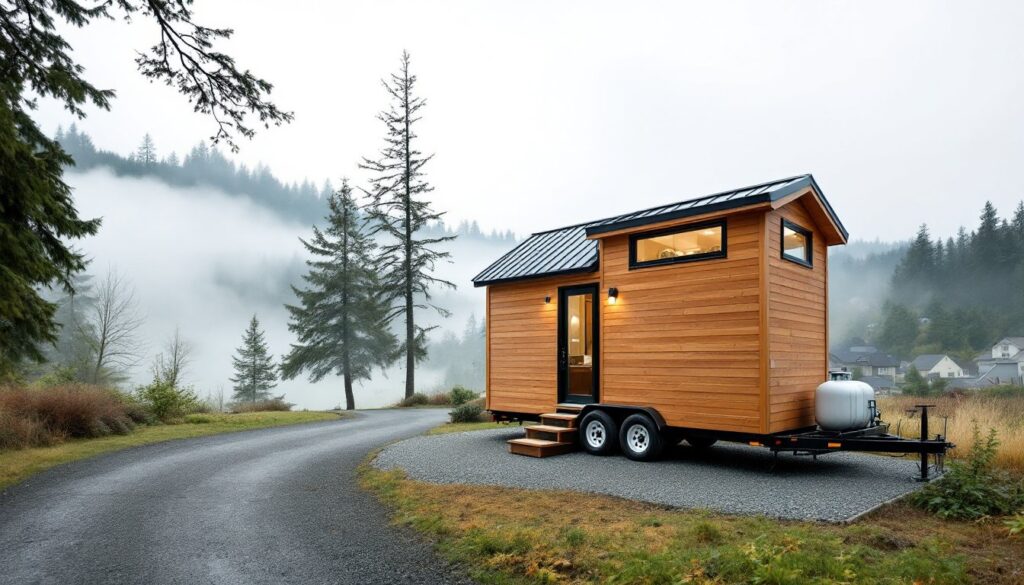

Vancouver, Washington, sits in a sweet spot for tiny home buyers, lower property costs than Portland just across the river, milder climate than much of the Pacific Northwest, and a local government that’s gradually warming to alternative housing. If you’re weighing whether to downsize into a tiny home, Vancouver offers practical advantages: proximity to urban jobs, access to outdoor recreation, and a growing community of minimalist-minded residents. This guide walks through the types of tiny homes on the market, where to find them, what they cost, and the zoning realities you need to navigate before signing any paperwork.
Table of Contents
ToggleKey Takeaways
- Vancouver, WA offers lower property costs than Portland plus a supportive climate and growing community for tiny homes for sale and residents seeking affordable, downsized living.
- Three main types of tiny homes available in Vancouver include THOWs (8.5’×20–28′ on wheels, $40K–$65K+), foundation models (permanent, mortgage-eligible), and prefab units with varying price points and placement flexibility.
- Zoning regulations require careful navigation: THOWs are limited to 180 days/year on private property without permits, while foundation models fall into gray areas; RV parks and rural agricultural zones offer legal placement alternatives.
- Typical tiny home pricing ranges from $40,000–$65,000 for entry-level models to $100,000–$150,000+ for custom builds, with mid-range options ($65K–$100K) offering residential-grade finishes and better resale value.
- Buyers must budget for hidden costs including delivery ($300–$600), foundation prep ($2,000–$5,000), and utility hookups ($3,000–$8,000), plus plan for depreciation of 10–15% in year one for THOWs.
- Before purchasing, get professional inspections, understand local financing options (RV loans, credit union programs, or cash), and connect with Vancouver’s active tiny home community for contractor referrals and zoning insights.
Why Vancouver, WA Is Perfect for Tiny Home Living
Vancouver offers a rare combination: a metro-adjacent location without Portland’s price tags or permitting headaches. Median home prices in Clark County run 20–30% below Multnomah County, freeing up budget for land or a well-built tiny dwelling.
The climate matters more than buyers often realize. Vancouver gets about 42 inches of rain annually, less than Seattle, and temperatures rarely dip below freezing for extended periods. That means simpler winterization: standard R-13 wall insulation and a mini-split heat pump handle most conditions without the expense of radiant floor heating or propane backup systems common in mountain regions.
Local infrastructure supports tiny living too. Vancouver has robust contractor networks familiar with small-footprint builds, multiple RV parks that accept THOWs (tiny homes on wheels), and a DIY culture fed by nearby makers’ spaces and tool libraries. The Columbia River Gorge is 20 minutes east: Portland’s job market is 15 minutes south. You’re not isolating yourself, you’re optimizing.
Types of Tiny Homes Available in Vancouver, WA
The Vancouver market splits into three main categories, each with distinct trade-offs.
Tiny Homes on Wheels (THOWs): Built on trailers, typically 8.5′ wide × 20–28′ long, these units max out around 320 square feet due to road weight limits. Most use steel I-beam trailers rated for 10,000–14,000 lbs GVWR. They’re legally classified as RVs in Washington if built to RVIA or NOAH standards, which opens up placement options but complicates financing. Expect SIP panels (structural insulated panels) or 2×4 framing with spray foam insulation. THOWs sell faster because they’re mobile, buyers often purchase sight-unseen and tow to private land or RV parks.
Foundation Tiny Homes: Permanent structures under 600 square feet, built on concrete slab or pier-and-beam foundations. These must meet IRC (International Residential Code) standards, which means 2×6 exterior walls, proper vapor barriers, and inspected electrical/plumbing rough-ins. Foundation models qualify for conventional mortgages and appreciate like standard homes, but you’re locked to the property. Builders in Vancouver often pre-fab wall panels off-site and assemble on-location to cut labor costs.
Prefab and Modular Units: Factory-built sections delivered by flatbed and craned into place. These aren’t mobile once installed, but construction happens in controlled environments, no rain delays, tighter tolerances. Washington requires modular homes to meet state building codes before transport, so quality control tends to be strong. Delivery and setup typically add $5,000–$8,000 to the purchase price, depending on site access and foundation prep.
Where to Find Tiny Homes for Sale in Vancouver
Vancouver’s tiny home market isn’t centralized, you’ll need to check multiple channels.
Local Builders and Custom Shops: Several Clark County builders specialize in tiny homes, offering both spec models and custom builds. Visiting a builder’s lot lets you inspect framing techniques, test door hardware, and gauge finish quality firsthand. Custom builds run 4–8 months from deposit to delivery, depending on complexity and material lead times. Many builders offer design consultations but expect to pay a deposit (usually 10–20%) to lock in lumber pricing.
Online Marketplaces: Platforms showcasing tiny homes for sale across the US list Vancouver-area inventory, including private resales and dealer stock. Filter by RVIA certification if you need RV park eligibility, and always request a third-party inspection before closing, DIY builds can hide framing issues or code violations.
RV Dealers and Tiny Home Lots: Some RV dealerships in Vancouver carry certified THOWs alongside travel trailers. These units often include warranties and financing options through the dealer, though interest rates run higher than traditional mortgages. Inspect the tongue weight and axle ratings, under-spec trailers cause frame sag and door misalignment after a few years.
Private Sales and Classifieds: Craigslist, Facebook Marketplace, and local classifieds turn over a steady stream of used tiny homes. Prices can be 30–40% below new builds, but buyer-beware applies: check for roof leaks, test all appliances, and verify the trailer title matches the VIN. If the seller can’t produce a title, walk away, you’ll have trouble insuring or relocating it.
What to Expect: Pricing and Features
Pricing in Vancouver reflects Pacific Northwest material costs and labor rates.
Entry-Level THOWs ($40,000–$65,000): Basic shells with laminate countertops, vinyl plank flooring, and builder-grade fixtures. Expect a composting toilet or cassette system, a two-burner propane cooktop, and a sleeping loft accessed by ladder. Insulation is often fiberglass batts in walls and spray foam in the roof cavity. Electrical is usually 30-amp RV hookup: propane fuels heat and hot water. These work well as guest cottages or weekend retreats but feel cramped for full-time living.
Mid-Range Models ($65,000–$100,000): Step up to quartz counters, hardwood or luxury vinyl flooring, and stainless appliances. Many include a ground-floor bedroom or convertible living space, eliminating the loft. Electrical often upgrades to 50-amp service with a breaker panel for household circuits. Expect a tankless propane water heater and a small split-system heat pump for climate control. Cabinetry is typically plywood boxes with hardwood faces, not solid wood, but far better than particleboard.
High-End and Custom Builds ($100,000–$150,000+): Custom tiny homes in this range rival conventional home finishes: solid wood cabinetry, tile or stone backsplashes, full-size appliances, and on-demand recirculating pumps for instant hot water. Some builders integrate solar arrays (1–3 kW) with lithium battery banks for off-grid capability. Framing may use advanced framing techniques (24″ on-center studs) to maximize insulation thickness. If you’re comparing features with bespoke options, expect lead times of 6–12 months and deposits up to 30%.
Features that increase resale value: residential-style windows (not RV sliders), metal roofing (lasts 40+ years vs. 15 for rolled asphalt), full-size washer/dryer hookups, and clear-coat exterior siding (cedar or composite). Avoid exotic woods or ultra-custom layouts, they narrow your buyer pool.
Zoning Laws and Placement Options in Vancouver, WA
Zoning is where many tiny home buyers hit walls, sometimes literally.
Vancouver’s municipal code allows accessory dwelling units (ADUs) on single-family lots, but minimum square footage is typically 400 sq ft for a detached structure. Foundation tiny homes under 400 square feet fall into a gray area: some buyers get variances, others face rejections. Clark County (unincorporated areas) has similar rules, though enforcement varies by neighborhood.
THOWs on private property: If it’s on wheels and classified as an RV, Vancouver limits occupancy to 180 days per year unless the property is zoned for RV use or you obtain a temporary dwelling permit (usually granted during primary home construction). Parking a THOW permanently as a residence without permits risks code enforcement and fines. Understanding local regulations before purchase prevents costly surprises.
RV Parks and Tiny Home Communities: Several RV parks in and around Vancouver accept THOWs for long-term stays. Monthly rates run $500–$900, including water, sewer, and electric hookups. A few dedicated tiny home parks have opened, offering private lots with full utilities and community amenities (shared workshop, gardens). These typically require a land lease ($300–$600/month) plus purchase of your tiny home. Lease terms matter, read the fine print on resale restrictions and utility responsibilities.
Rural and Agricultural Zoning: Unincorporated Clark County land zoned for agriculture sometimes permits tiny homes as farm worker housing or under rural residential exemptions. Minimum lot sizes are usually 2.5–5 acres, and you’ll need a septic system (or composting toilet approved by the health department) and a drilled well or water hookup. Budget $10,000–$20,000 for well drilling and $8,000–$15,000 for a septic install if utilities aren’t already on-site.
Permitting: Foundation tiny homes require the same permits as conventional homes: building permit, electrical permit, plumbing permit, and often a mechanical permit for HVAC. Inspections happen at rough-in and final stages. THOWs built to RVIA standards typically don’t need building permits but must pass RV park or county inspections for hookup compliance. Always verify requirements with the Clark County Building Division before breaking ground or parking.
Tips for Buying Your Tiny Home in Vancouver
Smart buying starts with honest assessment of your needs and budget.
Define Your Use Case: Full-time living demands different features than a backyard office or vacation cabin. If you’re living in it year-round, prioritize insulation (minimum R-19 walls, R-30 roof for Vancouver’s climate), full-size appliances, and adequate storage. Weekend use? You can compromise on kitchen space and heating capacity.
Inspect Before You Buy: Hire a certified home inspector or RV technician familiar with tiny builds. Key checkpoints: roof membrane integrity (look for pooling water or soft spots), framing square and level (use a 4′ level on floors and walls), electrical panel labeling (all circuits should be marked), and plumbing connections (test for leaks under load). If buying used, check for moisture intrusion, use a pin-type moisture meter on wall studs and subfloor near plumbing fixtures. Readings above 16% indicate active leaks or poor ventilation.
Financing Challenges: Most banks won’t write mortgages on THOWs because they’re not real property. Options include RV loans (10–15 year terms, 5–8% APR), personal loans (higher rates, shorter terms), or cash. Some credit unions in the Pacific Northwest offer tiny home-specific lending: shop around. Foundation models under 600 square feet sometimes qualify for conventional mortgages if the land and structure appraise together. Exploring grant programs may offset upfront costs for qualifying buyers.
Plan for Hidden Costs: Delivery and setup aren’t trivial. A THOW tow from Portland to Vancouver costs $300–$600 if you hire a service: DIY requires a 3/4-ton or larger truck with proper hitch capacity (Class IV or V, rated for 10,000+ lbs). Foundation prep (grading, gravel base, forms) runs $2,000–$5,000. Utility hookups (water, sewer, electric) add another $3,000–$8,000 depending on distance from existing service.
Resale Considerations: Tiny homes depreciate more like RVs than houses, expect 10–15% loss in the first year, then 5% annually. Foundation models hold value better. To maximize resale, keep original receipts and permits, maintain a log of upgrades, and avoid hyper-personalized interiors (bright paint, unconventional layouts). Neutral finishes and standard dimensions attract more buyers. For comparison, markets in areas with tiny home scenes like Colorado show similar depreciation curves.
Connect with the Community: Vancouver has an active tiny home and alternative housing community. Attending meetups or joining online groups (Facebook has several Pacific NW tiny home groups) provides real-world insights on builders, zoning workarounds, and placement strategies. Fellow owners often share recommendations on contractors, financing, and where to find deals. Resources like Angi can also help locate contractors experienced with small-footprint builds and utility hookups.
Conclusion
Buying a tiny home in Vancouver, WA, requires more assignments than a typical house purchase, zoning, financing, and placement all demand attention. But for buyers willing to navigate the details, the payoff is real: lower housing costs, reduced environmental footprint, and a lifestyle built around intentionality rather than square footage. Start by clarifying your use case, research local zoning hard, and inspect thoroughly before signing. Vancouver’s growing tiny home scene means you’re not pioneering alone, tap into the community, ask questions, and move forward with eyes wide open.