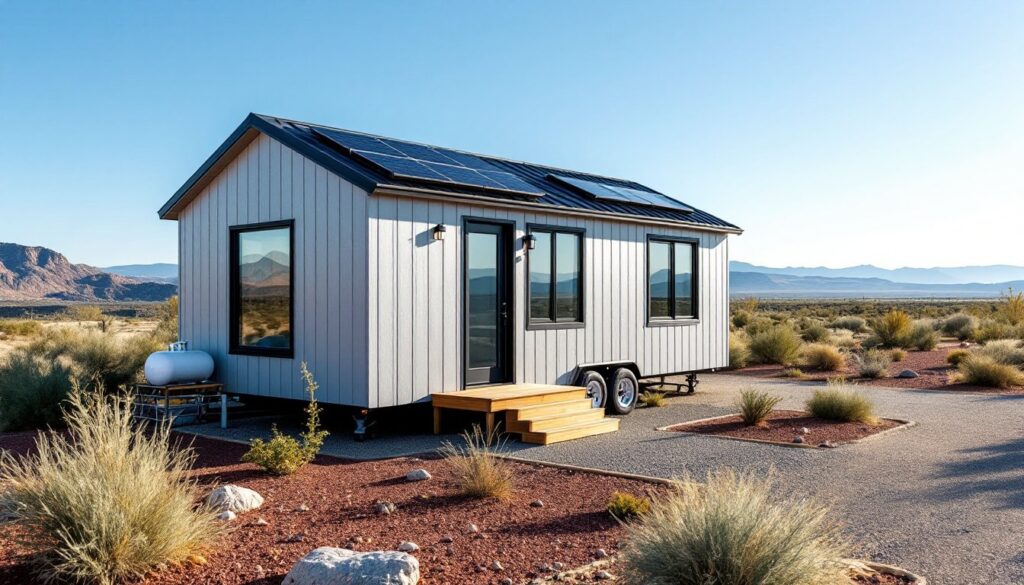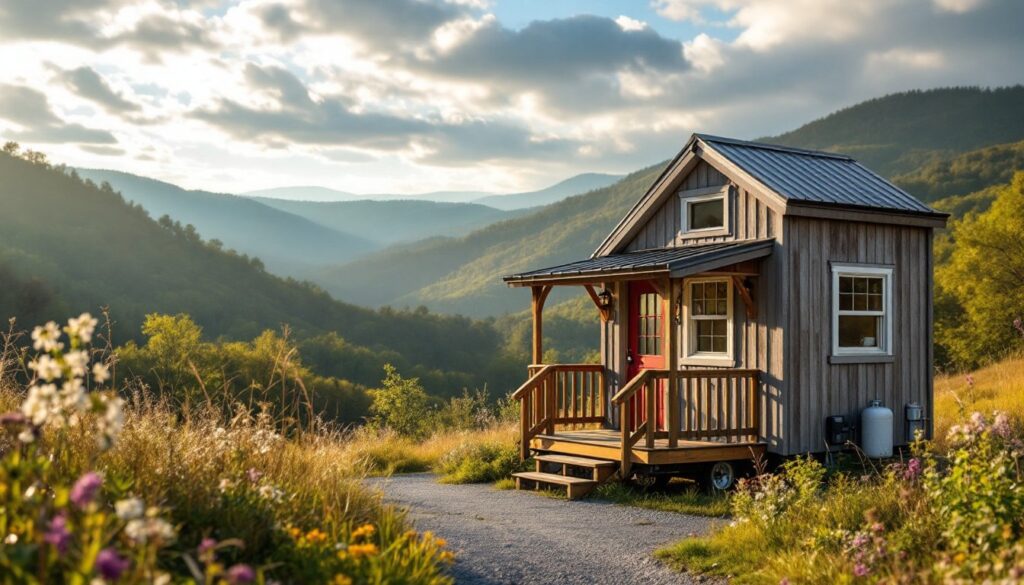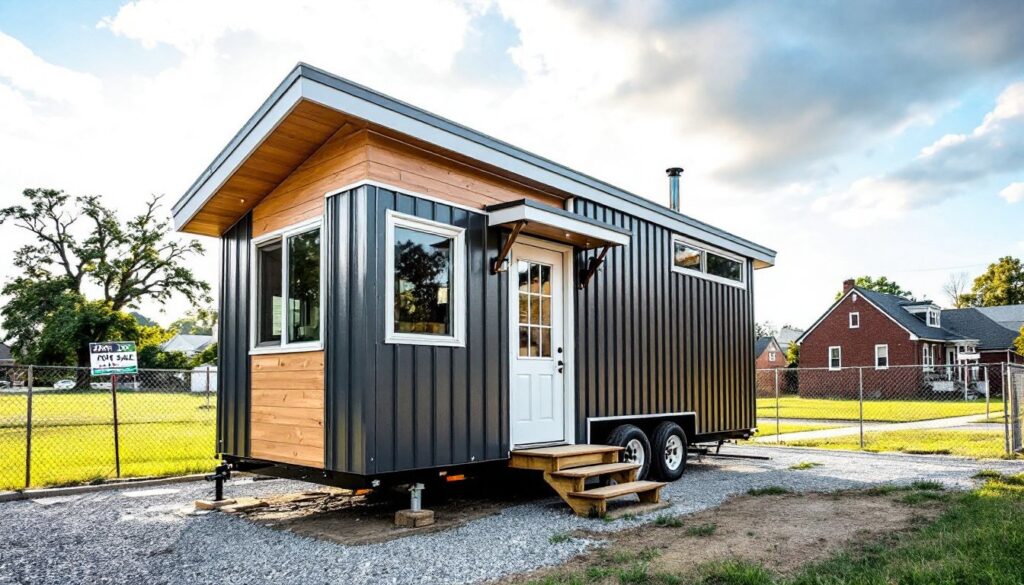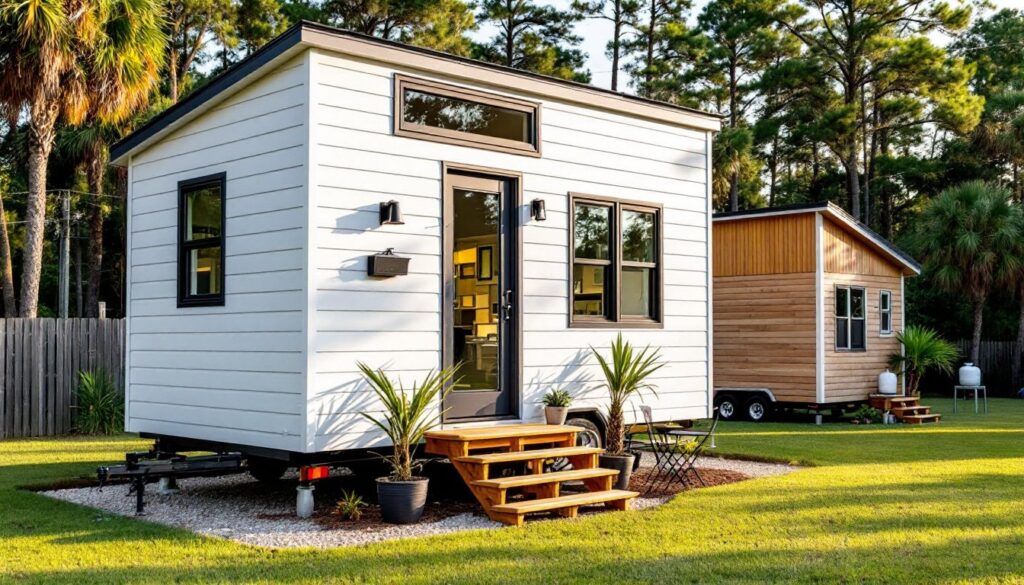

Daytona Beach offers more than spring break parties and NASCAR races. The coastal city has become a magnet for downsizers, retirees, and remote workers hunting for affordable housing with ocean breezes. Tiny homes deliver exactly that, compact living spaces that slash housing costs without sacrificing access to Florida’s east coast. Whether someone’s eyeing a wheeled unit they can relocate during hurricane season or a permanent park model on a leased lot, the Daytona Beach market has options. This guide walks through what’s available, where to look, what these homes cost, and the zoning rules that govern where they can legally land.
Table of Contents
ToggleKey Takeaways
- Tiny homes for sale in Daytona Beach range from $15,000 for used models to $100,000+ for premium custom builds, with mid-range options between $35,000–$65,000 offering the best balance of features and affordability.
- Daytona Beach’s no state income tax policy, year-round 72°F weather, and fiber internet infrastructure make it ideal for remote workers and retirees seeking affordable coastal living without high utility costs.
- Tiny homes on wheels (THOWs) are only legal for permanent occupancy in RV parks or mobile home communities, while park models may qualify as accessory dwelling units (ADUs) on residential lots with proper permits and meeting strict size and setback requirements.
- Financing tiny homes typically requires RV loans or personal loans at higher interest rates than mortgages, and buyers should budget an extra 10–15% for delivery, site prep, permits, and impact fees beyond the home purchase price.
- Hurricane preparedness is mandatory in Daytona Beach—tiny homes on wheels need tow vehicles rated for their weight, while permanent park models require wind-rated tie-downs and strapping systems to withstand Florida’s 140 mph Zone III wind loads.
- Before purchasing, verify zoning compliance, community rules, and insurance requirements with a local land-use attorney, as enforcement varies between city limits and unincorporated county areas, and HOA or park restrictions can prohibit short-term rentals or certain finishes.
Why Daytona Beach Is Perfect for Tiny Home Living
Daytona Beach sits in Volusia County, where year-round mild weather means lower heating bills and minimal winterization work. The average annual temperature hovers around 72°F, so HVAC systems in tiny homes don’t have to work overtime.
The area’s mix of urban amenities and natural spaces fits the tiny home lifestyle. Residents can bike to the beach, hit local farmers markets, or launch a kayak in the Halifax River without driving an hour. For remote workers, Daytona’s fiber internet infrastructure (available in most residential zones) supports full-time work-from-home setups in 200-square-foot spaces.
Cost of living plays a major role. Florida has no state income tax, and property taxes on tiny homes, especially those classified as personal property rather than real estate, can run significantly lower than traditional single-family homes. Land lease options in mobile home communities also reduce upfront investment, letting buyers focus budget on the structure itself.
Hurricane preparedness is non-negotiable. Tiny homes on wheels offer mobility if an evacuation order hits, though owners need a tow vehicle rated for the load (typically a 3/4-ton or 1-ton truck for homes over 10,000 lbs GVWR). Park models bolted to permanent foundations require the same wind-rated tie-downs and strapping systems mandated by the Florida Building Code for manufactured homes in Wind Zone III (140 mph sustained winds).
Types of Tiny Homes Available in the Daytona Beach Area
Buyers shopping Daytona Beach will encounter two dominant categories, each with distinct construction standards, mobility, and legal classifications.
Tiny Houses on Wheels
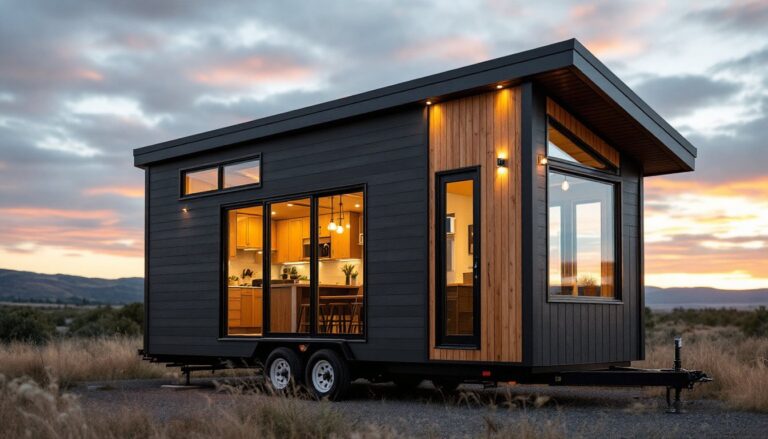
These are built on tandem-axle or gooseneck trailers, typically ranging from 100 to 400 square feet. Most comply with RVIA (Recreational Vehicle Industry Association) or NOAH (National Organization of Alternative Housing) certification standards, which differ from IRC (International Residential Code) requirements for permanent structures.
Framing uses 2×4 or 2×6 studs on 16-inch or 24-inch centers, but weight is critical, builders often spec lighter materials like LP SmartSide or metal siding instead of traditional clapboard. Roof trusses are engineered for highway transport, meaning they handle both static loads and dynamic forces from towing at 60+ mph.
Utilities run off RV-style hookups: 30-amp or 50-amp shore power, city water connections, and either a black-water holding tank or direct sewer tie-in. Propane tanks (typically 20 or 30 lb, mounted externally) fuel cooktops and on-demand water heaters.
For budget-conscious buyers, used THOWs start around $15,000, but expect cosmetic updates and potential appliance swaps. New custom builds from Florida-based manufacturers run $50,000 to $90,000 depending on finishes and off-grid features like solar arrays or composting toilets.
Park Model Tiny Homes
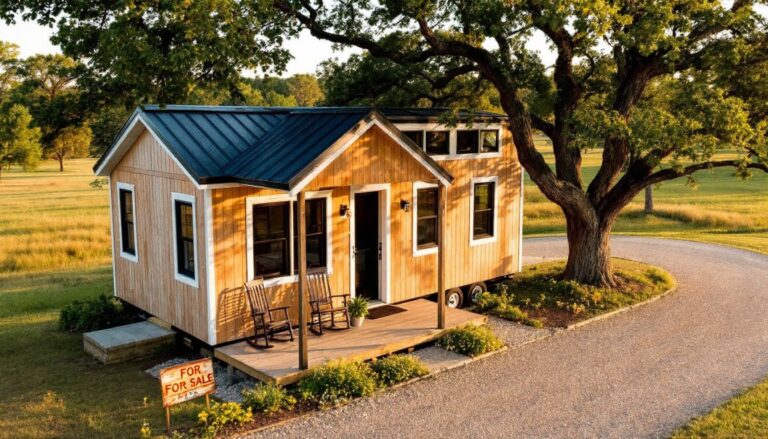
Park models are factory-built units designed for seasonal or permanent placement on a foundation. Under ANSI A119.5 standards, they max out at 400 square feet (excluding lofts, which can add another 100-150 square feet).
These units arrive on a steel chassis but are meant to stay put. Once sited, they’re typically set on concrete piers, concrete block, or helical piles, similar to mobile home installation. The Florida Building Code requires hurricane straps and ground anchors rated for Zone III wind loads.
Park models often include residential-grade appliances, full-size water heaters, and central HVAC systems rather than RV components. Electrical systems are wired for 100-amp or 200-amp service panels, allowing for standard breaker boxes and code-compliant wiring, no adapters needed.
Many Daytona Beach RV resorts and tiny home communities accept park models but not THOWs, due to insurance and aesthetic guidelines. Park models blend better visually and meet stricter structural codes, making them easier to insure and finance.
Where to Find Tiny Homes for Sale in Daytona Beach
The Daytona Beach tiny home market splits between private sellers, specialized dealers, and community-specific listings.
Online Marketplaces: Sites like Tiny House Listings, Facebook Marketplace, and Craigslist carry both new and used inventory. Filters for “Daytona Beach” or “Volusia County” surface local options, but always verify titles, lien status, and whether the unit meets Florida DMV or HUD classification requirements before handing over a deposit.
Local Builders and Dealers: Central Florida has several tiny home manufacturers within a two-hour radius. Buying direct from a builder allows customization, choose countertop materials, loft ladder styles, or upgraded insulation (spray foam vs. fiberglass batts). Builders often deliver and set up the home on-site, handling utility hookups and leveling.
Tiny Home Communities: Some RV resorts and mobile home parks in Daytona Beach now dedicate sections to tiny homes. These communities sometimes sell pre-owned units when residents move out, or they partner with builders to offer turnkey packages that include the home plus a long-term land lease. Monthly lot fees typically run $400 to $700, covering water, sewer, trash, and access to shared amenities like pools or laundry facilities.
Auctions and Estate Sales: Occasionally, tiny homes surface at estate auctions or through property liquidation companies. These deals can offer steep discounts, but buyer-beware applies, inspect for water damage, roof leaks, and structural issues before bidding. Hiring a home inspector experienced with RVs or manufactured housing is worth the $200 to $300 fee.
Anyone considering a tiny home investment should also explore whether the property can be rented short-term (via Airbnb or VRBO) to offset costs, though Volusia County has specific short-term rental regulations that vary by zoning district.
What to Expect: Pricing and Features of Daytona Beach Tiny Homes
Pricing swings widely based on size, condition, and features. Here’s a breakdown of typical ranges in the Daytona Beach market as of early 2026.
Budget Tier ($15,000–$35,000): Used THOWs, often 10+ years old, with basic finishes. Expect laminate countertops, vinyl plank flooring, RV-grade windows (single-pane or thin dual-pane), and minimal insulation (R-11 walls, R-19 roof). Appliances are usually apartment-size: 10-cubic-foot refrigerators, two-burner cooktops, combination washer-dryer units. Electrical panels are 30-amp, limiting simultaneous use of high-draw appliances. These homes work for full-timers on a tight budget but may need immediate repairs, check for roof leaks, delamination on exterior panels, and tire condition if it’s a THOW.
Mid-Range ($35,000–$65,000): New or lightly used park models and THOWs with upgraded interiors. Features include butcher block or quartz countertops, shiplap or tongue-and-groove accent walls, spray foam insulation (R-20+ walls), and residential-style windows (dual-pane, low-E glass). Kitchens come with full-size propane ranges or induction cooktops, and bathrooms often include standard 60-inch tubs or tiled walk-in showers. Electrical systems bump to 50-amp service, supporting mini-split HVAC units (1-ton or 1.5-ton capacity). Builders in this range typically offer limited warranties (1 year on labor, 5+ years on structural components).
Premium Tier ($65,000–$100,000+): Custom-built tiny homes with high-end finishes and off-grid capability. Think solid hardwood cabinetry, farmhouse sinks, luxury vinyl tile (LVT) or engineered hardwood floors, and designer light fixtures. Off-grid packages include roof-mounted solar arrays (2 kW to 5 kW), lithium battery banks (10 kWh+), and composting or incinerating toilets. Insulation hits R-30 walls and R-40+ roofs, with vapor barriers and proper ventilation to prevent mold in Florida’s humid climate. Some builders integrate smart home systems, Wi-Fi thermostats, app-controlled lighting, and remote security cameras. These homes rival modern design standards seen in luxury tiny home publications.
Hidden Costs: Budget an extra 10–15% for delivery (if out-of-state), site prep (grading, gravel pads, utility trenching), permits, and impact fees. Financing for tiny homes is tricky, most don’t qualify for traditional mortgages. RV loans (if RVIA-certified) or personal loans are common, with interest rates 1–3 points higher than conventional mortgages.
Zoning Laws and Tiny Home Regulations in Daytona Beach
Zoning is where tiny home dreams hit bureaucratic reality. Daytona Beach and Volusia County have distinct rules, and understanding them prevents costly mistakes.
Zoning Classifications: Tiny homes on wheels are usually classified as RVs if they meet RVIA standards. This means they’re only legal for permanent occupancy in zones that allow RVs as primary dwellings, typically RV parks, campgrounds, or mobile home parks with proper licensing. Parking a THOW in a residential driveway or backyard and living in it full-time violates most single-family zoning codes. Some owners register their THOW as a travel trailer and keep it at an RV resort, skirting restrictions while maintaining a legal “permanent” address elsewhere.
Park Models and ADUs: Park models on permanent foundations may qualify as accessory dwelling units (ADUs) in some residential zones, but Daytona Beach’s ADU ordinances have strict criteria: minimum lot size (often 7,500+ square feet), owner-occupancy of the primary dwelling, and setback requirements (typically 10 feet from side and rear property lines). The ADU can’t exceed a percentage of the main home’s square footage (usually 50–60%). Building permits are required, and the structure must meet full IRC standards, not ANSI A119.5. That means energy code compliance (R-13 walls, R-30 attic insulation minimum), egress windows in sleeping areas, and inspections at footing, framing, rough-in, and final stages.
Permits and Inspections: Any permanently sited structure needs a building permit from the Volusia County Building Department. Permit fees start around $500 and scale with project valuation. Electrical, plumbing, and mechanical work require licensed contractors unless the owner pulls an owner-builder permit (allowed for primary residences only). Most tiny home buyers hire a licensed GC to handle permitting and inspections, adding $2,000 to $5,000 to the project.
HOA and Community Rules: Even if county zoning allows it, homeowners associations and RV parks impose their own restrictions. Read covenants and park rules carefully, some ban certain exterior finishes, require skirting, limit pet breeds, or prohibit short-term rentals. Buyers in similar markets have faced eviction after failing to verify community rules.
Insurance and Titling: THOWs titled as RVs need RV insurance (liability and comprehensive), while park models on foundations require manufactured home or mobile home insurance policies. Standard homeowners insurance won’t cover most tiny homes. Lenders and insurers often require proof of permanent anchoring, skirting, and hurricane straps before issuing policies in coastal Florida.
Anyone serious about placing a tiny home in Daytona Beach should consult a local land-use attorney or zoning consultant before closing a deal. Rules change, and enforcement varies, what flies in unincorporated county land might get red-tagged within city limits. For those exploring options in other states, zoning complexity is universal, but Florida’s hurricane codes add extra layers.
Final Takeaway: Daytona Beach’s blend of coastal living, favorable tax climate, and growing tiny home acceptance makes it a solid market, but only for buyers who do their assignments. Verify zoning, budget for site prep and permits, and choose a home built to handle Florida’s wind and humidity. Done right, a tiny home here offers affordable, flexible living with sand between your toes and hurricanes on the radar. Skip the research, and you’ll end up with a glorified shed in a parking lot, wondering why the county inspector just slapped a stop-work order on your dream.