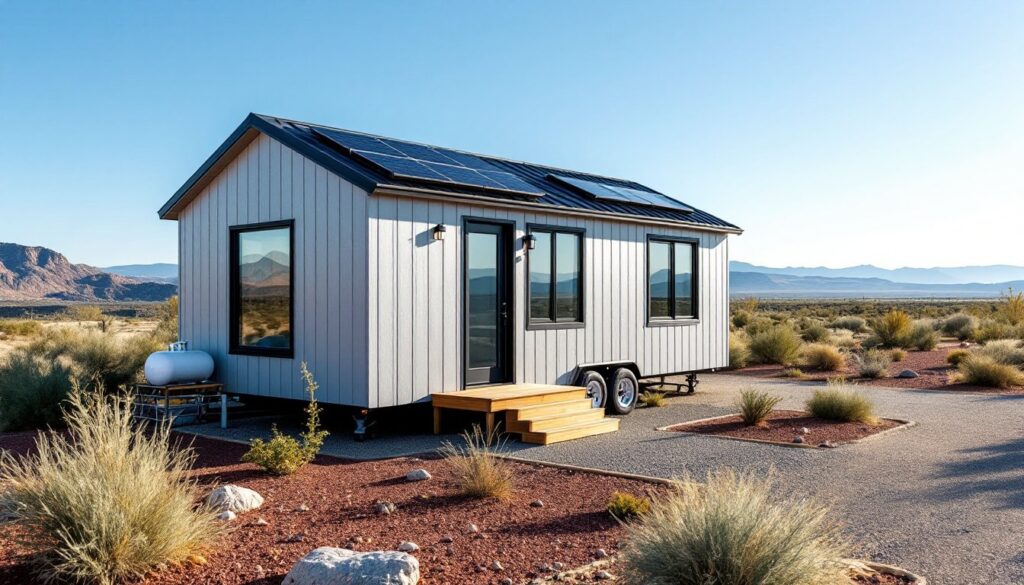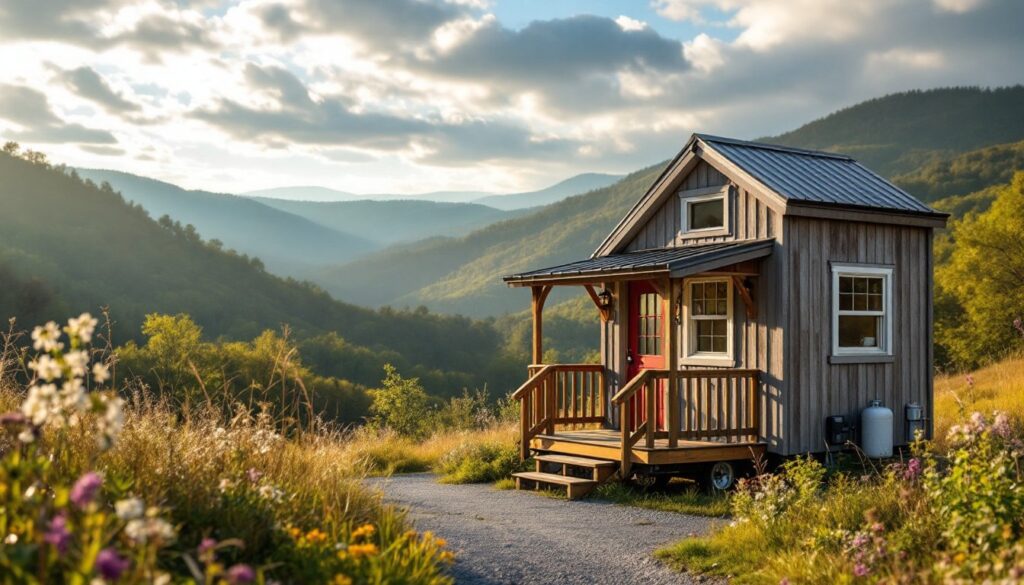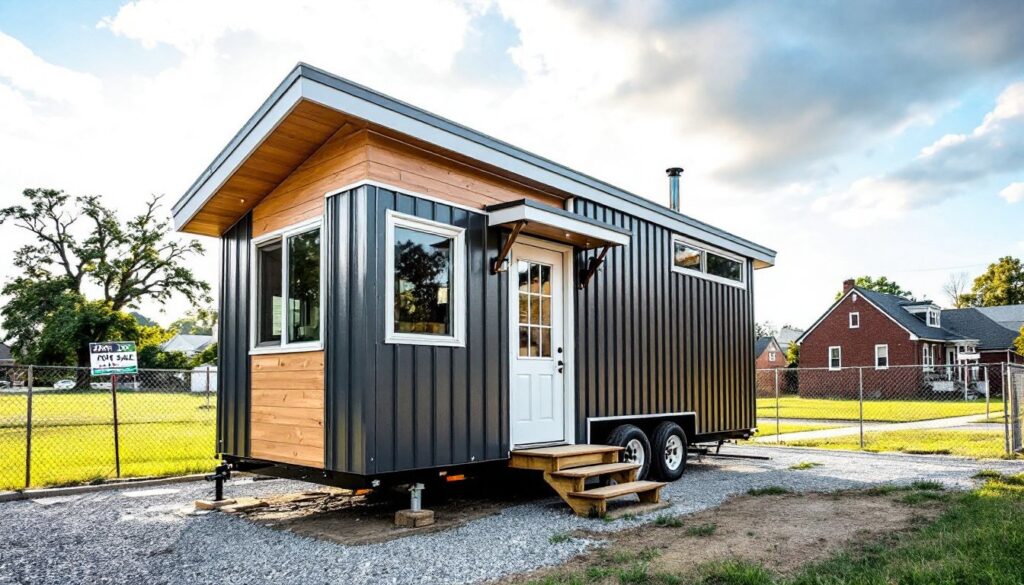
In a world where bigger often seems better, tiny homes in Colorado are turning that notion on its head, showcasing that less can indeed be more. Imagine a lifestyle where your home is not just a roof over your head but a symbol of freedom, sustainability, and a little bit of whimsy. With the breathtaking Rocky Mountains as a backdrop, tiny homes offer residents a chance to downsize their lives while maximizing enjoyment and reducing environmental footprints. If you’ve ever dreamed of living simply but stylishly, this article is here to guide you through the ins and outs of tiny home living in the Centennial State. Let’s jump into why these pint-sized properties are gaining popularity, the myriad benefits they bring, and how to embark on your tiny home journey.
The Appeal of Tiny Homes in Colorado
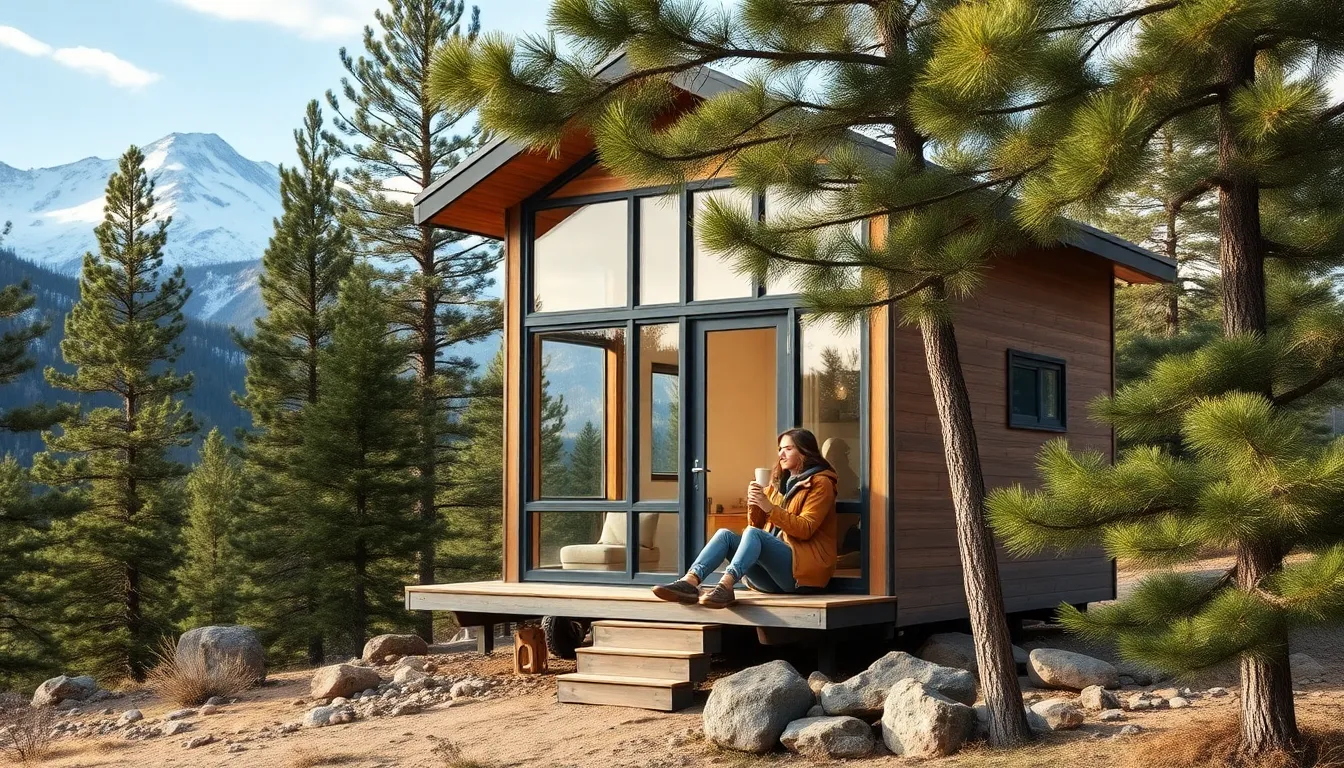
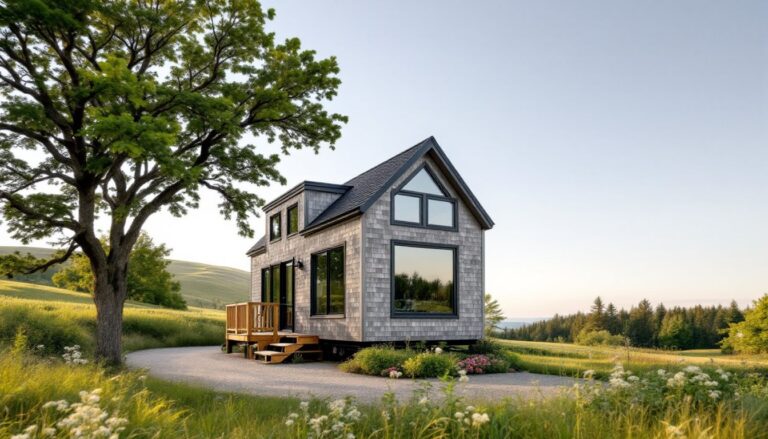
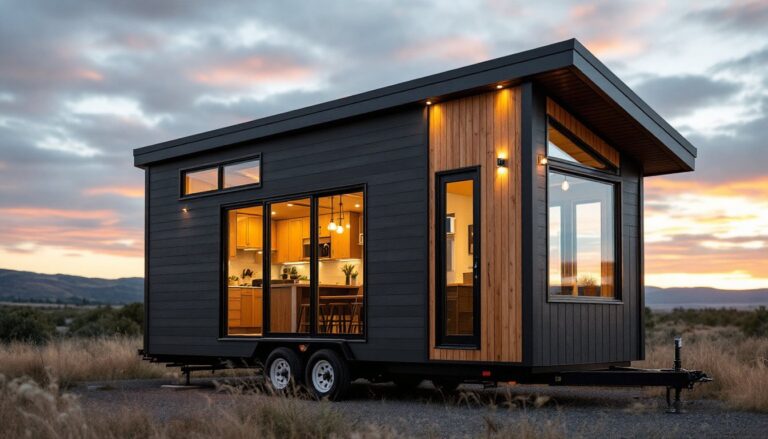
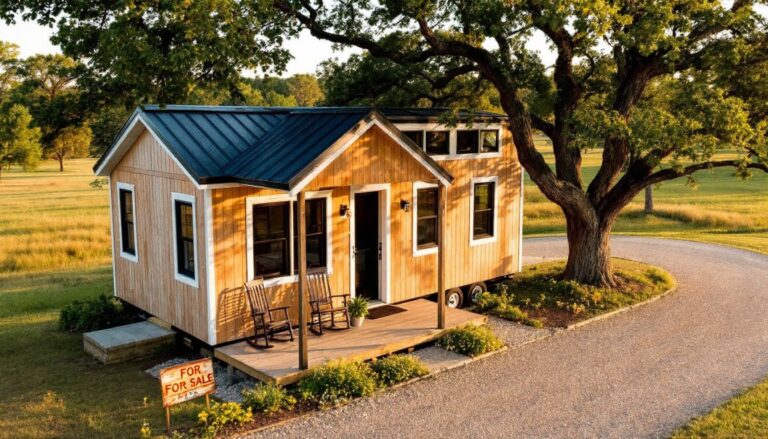
Colorado is a place that continually inspires adventure, and tiny homes are the perfect complement to this lifestyle. Nestled among fields, nestled in the mountains, or standing proud on wheels, these compact abodes resonate with the heart of Colorado. They’re not just about scaling down: they represent a lifestyle choice that celebrates the state’s natural beauty and encourages a deep connection with the environment.
The appeal begins with the simplicity that comes with living tiny. Clutter is minimized, making space for outdoor activities, exploration, and relaxation. Imagine waking up in your cozy home, sipping coffee while viewing snow-capped peaks or dense pine forests from your window, this is everyday life in a tiny home. Plus, they are designed to be energy-efficient, which is music to the ears of sustainability enthusiasts. When you live tiny, you’re not just embracing minimalism: you’re contributing to a greener planet.
Benefits of Living in a Tiny Home
Living in a tiny home yields a plethora of advantages that extend beyond mere square footage. One of the primary benefits is financial freedom. With lower mortgage payments or rental costs, homeowners can allocate funds toward experiences, travel, or savings. It’s not just about the money: it’s about the freedom that comes with it.
Besides, tiny homes encourage a connection to nature. Many desirable tiny homes feature large windows, inviting the outside in and ensuring that residents stay grounded. This connection helps combat stress and enhances well-being, a fact that’s hard to argue against in today’s fast-paced world.
Also, managing a smaller space requires creativity and resourcefulness. This often leads to a simpler lifestyle, fostering values such as sustainability and self-sufficiency. Every item has its place, promoting a lifestyle that prioritizes quality over quantity.
Navigating Tiny Home Regulations in Colorado
Even though the allure of tiny homes, there are hurdles when it comes to regulations in Colorado that potential owners must navigate. Each municipality has unique rules, and these can dictate everything from zoning to building codes. For instance, many towns allow tiny homes in specific areas, while others might enforce stringent regulations against them.
To start, it’s important to check with local zoning offices to know the evolving laws in your region. For example, some cities permit tiny homes as secondary dwellings but might restrict them as primary residences. Colorado has developed a growing awareness of tiny homes, which has led to more flexible regulations in some areas: but, navigating this landscape requires due diligence. Understanding these regulations not only ensures compliance but also will save time, effort, and potentially headaches down the road.
Popular Tiny Home Communities in Colorado
Tiny home communities are sprouting up all over Colorado, providing like-minded enthusiasts a chance to connect and share their passion. One standout is the community at “Tiny Town”, located in Colorado Springs. This vibrant environment showcases a variety of tiny home styles, all within walking distance of local shops and parks, perfect for those who enjoy a blend of community and independence.
Another notable mention is “The Village Collective”, located near Fort Collins. This innovative community not only promotes sustainable living but also offers shared resources and vibrant communal spaces, fostering friendships and collaboration among residents.
Finally, Evergreen boasts the “Evergreen Tiny House Community,” where rustic charm meets modern design, all with the stunning backdrop of the Rockies. Living in one of these communities means sharing resources, from tool sharing to a sense of camaraderie that can turn neighbors into friends.
Designing Your Tiny Home: What to Consider
Designing a tiny home is an exciting venture filled with opportunities. But, it comes with unique challenges that require careful thought. First, consider the functionality of the space. Smart layouts that include multifunctional furniture can transform limited square footage into a comfortable living environment.
Natural light is also crucial: including large windows will make small spaces feel more expansive. Kitchen designs that maximize storage while being aesthetically pleasing can make all the difference in day-to-day life.
Also, integrating sustainable materials can enhance the eco-friendliness of your new abode. From reclaiming wood to energy-efficient appliances, there’s a multitude of options to explore. Eventually, the design should reflect personal style while remaining practical, a delightful challenge for any future tiny homeowner.
Financing Your Tiny Home in Colorado
Financing a tiny home is often simpler than many assume, though it remains an area that requires some assignments. Traditional mortgages may not always be available for tiny homes, especially if they’re on wheels. Many buyers explore options like personal loans, RV financing, or even building equity through short-term rentals.
Crowd-funding platforms have emerged, showcasing innovative ways to get initial funding. Besides, local and state programs for sustainable living occasionally offer grants and financial assistance specifically for those looking to adopt eco-friendly housing options.
It’s also vital to prepare an accurate budget to cover not just the initial cost, but also utilities, maintenance, and any land leasing fees. A well-planned financial strategy can ensure enjoyment and peace of mind in a tiny home.