Moving a tiny house isn’t like hitching up a camper and rolling out. Whether it’s a THOW (tiny house on wheels) parked in someone’s backyard or a foundation-built structure that needs relocating, the logistics involve weight calculations, specialized towing rigs, permits, and route planning. Get one detail wrong, overload your truck, skip a height clearance check, or cross state lines without the right paperwork, and you’re stuck on the shoulder with a $5,000 towing bill and a citation. This guide walks through the real-world decisions, equipment, and prep work required to move a tiny house safely and legally in 2026.
Table of Contents
ToggleKey Takeaways
- Moving a tiny house requires different strategies depending on whether it sits on wheels (THOW) or a permanent foundation, with foundation-built relocation costing $10,000 to $30,000+ and requiring professional house-moving contractors.
- Before moving day, weigh your tiny house at a truck scale, secure all interior items, reinforce exterior fasteners, disconnect utilities, and measure total height, width, and length to plan your route and obtain necessary permits.
- Towing a tiny house demands a one-ton pickup or larger with adequate payload capacity, trailer brakes with a controller, safety chains, and electrical connectors—plus verification that your insurance covers the weight you’re hauling.
- Oversize load permits are required in every state if your tiny house exceeds 8’6″ wide, 13’6″ tall, or 53′ long, with costs ranging from $15 to $150 per state and blackout windows for weekends, holidays, or nighttime transport.
- Professional tiny house movers cost $2 to $5 per mile and handle permits, route planning, cargo insurance, and escort vehicles, making them essential for houses exceeding 14′ wide or 16′ tall.
- On moving day, perform a pre-trip inspection of tires and lights, drive carefully with wide turns and early braking, and stop every 50-75 miles to check load security and tire conditions.
Understanding Tiny House Mobility: Wheels vs. Foundation
Tiny houses fall into two camps: those built on trailers (THOWs) and those constructed on permanent foundations. The difference dictates your entire moving strategy.
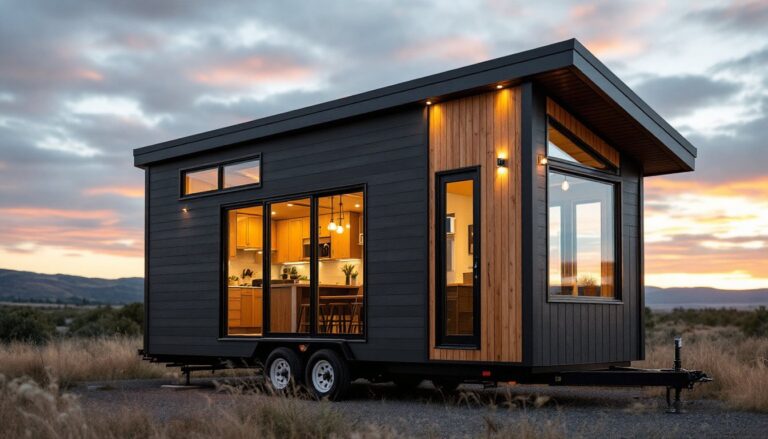
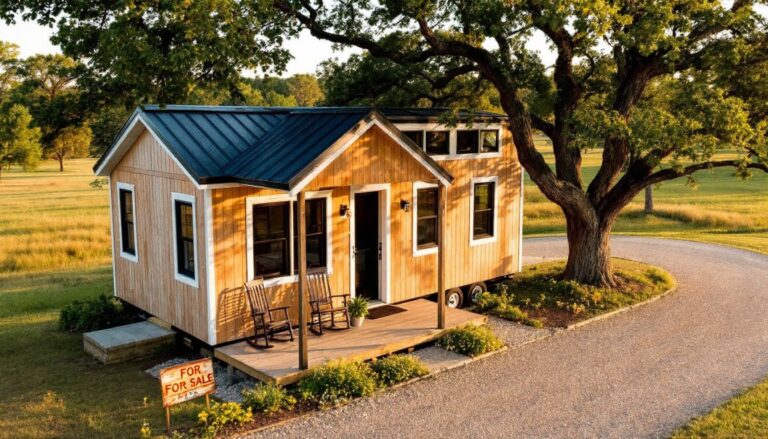
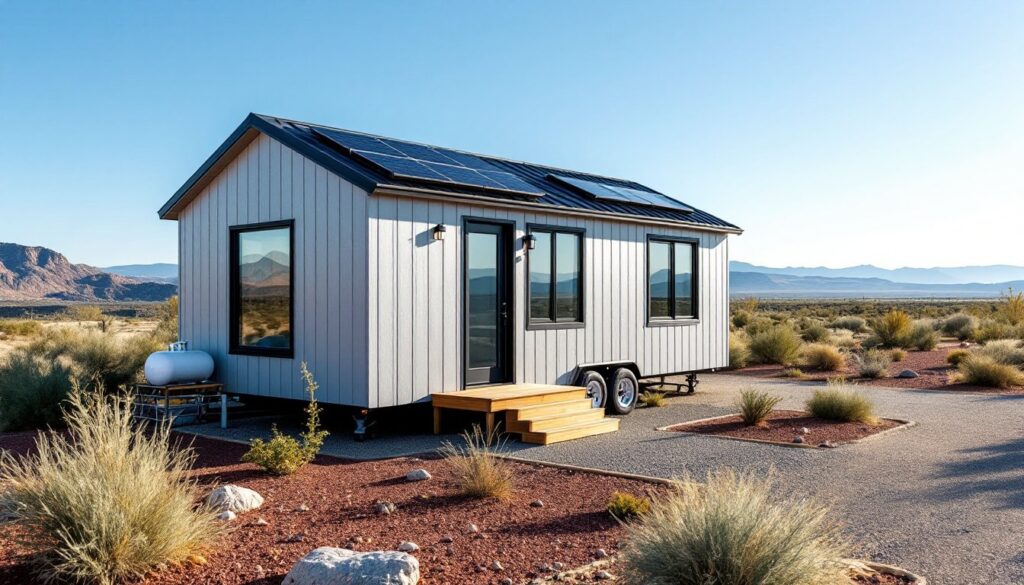
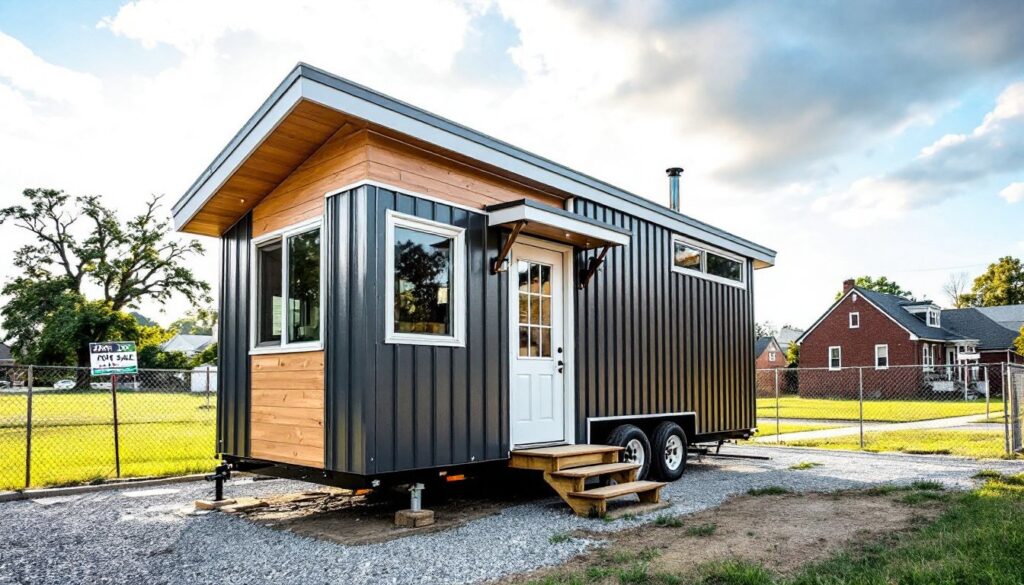
Tiny houses on wheels sit on double- or triple-axle trailers, typically rated for 10,000 to 14,000 lbs GVWR (Gross Vehicle Weight Rating). Most THOWs weigh between 8,000 and 12,000 lbs when fully loaded. These are designed for mobility, with weight distributed over axles and a tow hitch integrated into the frame. You’ll need a heavy-duty truck or fifth-wheel setup to move them, but the process is straightforward once you’ve secured the load and checked lights and brakes.
Foundation-built tiny houses require a completely different approach. If the structure is bolted to a slab or pier foundation, you’ll need to hire a house-moving contractor who specializes in structural relocation. This involves lifting the house with hydraulic jacks, placing it on steel beams, and transporting it on a flatbed or specialized dolly system. Costs run $10,000 to $30,000+ depending on distance, access, and weight. This isn’t a DIY job, structural lifting requires engineering calculations and permits.
Before planning any move, confirm your tiny house’s weight (get it weighed at a truck scale), check the trailer’s GVWR if applicable, and verify whether local codes allowed it to be built as a movable structure or a permanent dwelling. Many jurisdictions treat THOWs as RVs, which affects permitting and insurance.
Preparing Your Tiny House for the Move
Prep work determines whether your house arrives intact or sheds siding and windows along the interstate. Start at least two weeks before moving day.
Secure or remove all interior items. Empty cabinets, remove hanging artwork, and strap down appliances. Even a well-anchored shelf can rip loose under highway vibration. Pack dishes, lamps, and anything breakable separately. If you have a loft bed, strip the mattress and secure the frame to wall studs with additional screws or brackets.
Inspect and reinforce the exterior. Walk the perimeter and check for loose siding, trim, or roofing material. Tighten any screws on metal roofing panels. If you have lap siding or board-and-batten, confirm fasteners are driven into studs, not just sheathing. Check windows and doors, install plywood panels over large glass panes if the route includes rough roads. One hard bump can crack an entire picture window.
Disconnect utilities. Shut off propane at the tank, disconnect water lines, and unplug electrical hookups. Drain all water from tanks, pipes, and the water heater to prevent freeze damage and reduce weight. Secure the propane tank with ratchet straps or remove it entirely (many states require removal during transport). Cap any exposed plumbing to keep debris out.
Check the trailer. Inspect tires for tread wear and proper inflation (typically 50-65 PSI for trailer tires, but check the sidewall rating). Examine wheel bearings, if they haven’t been repacked in the last year or 10,000 miles, do it now. Test trailer brakes if equipped (electric or surge brakes are standard on tandem-axle trailers over 7,000 lbs). Replace any non-functioning lights: you’ll need working brake lights, turn signals, and clearance lights for legal transport.
Measure height, width, and length. Total height from ground to roof peak matters, most states limit loads to 13’6″ without an oversize permit. Include the trailer in your width measurement (typically 8’6″ max without a permit). Write these dimensions down: you’ll need them for route planning and permit applications.
Choosing the Right Towing Vehicle and Equipment
Towing a tiny house requires more than a big truck. You need a vehicle with adequate tow rating, the correct hitch setup, and supplemental braking.
Tow vehicle specs. For a 10,000 lb tiny house, you’ll need a one-ton pickup (Ford F-350, Ram 3500, Chevy Silverado 3500) or larger. Check the manufacturer’s tow rating, but focus on payload capacity, the weight of passengers, fuel, hitch weight, and tongue weight (typically 10-15% of trailer weight) all count against payload. A fifth-wheel hitch distributes weight better than a bumper hitch and is the preferred setup for THOWs over 10,000 lbs. Gooseneck hitches work too, but confirm your tiny house frame is designed for that connection point.
Braking systems. Most states require trailer brakes on loads over 3,000 lbs. Electric brakes are common on THOW trailers and require a brake controller installed in the tow vehicle. If your truck doesn’t have one, budget $150-$400 for a quality proportional controller (Tekonsha or Curt are solid brands). Test the brakes in an empty parking lot before hitting the road.
Safety chains and electrical. Use chains rated for at least the gross weight of your tiny house, crossed under the hitch to catch the tongue if it separates. Verify your seven-pin trailer connector works for all lights. Carry a spare fuse and extra bulbs.
If you don’t own a suitable truck, renting is an option, U-Haul and Penske rent one-ton trucks, but verify they allow tiny house towing (many rental agreements exclude trailers over 10,000 lbs). Alternatively, hiring a professional mover with their own rig eliminates the equipment challenge entirely.
Navigating Permits, Regulations, and Route Planning
Legal compliance is non-negotiable. Every state has different rules for oversize loads, and crossing state lines adds layers of complexity.
Oversize permits. If your tiny house exceeds 8’6″ wide, 13’6″ tall, or 53′ long (including truck and trailer), you need an oversize load permit in every state you pass through. Some states issue single-trip permits online in minutes: others require advance notice and escort vehicles. Costs range from $15 to $150 per state. Height is the most common trigger, many THOWs with pitched roofs hit 13’8″ to 14’2″ total, requiring permits even if width and length are legal. Understanding local zoning restrictions before you relocate can prevent surprises at your destination.
Route planning. Don’t rely on GPS alone. Use a trucking-specific GPS (Garmin Dezl or app like Trucker Path) to identify low bridges, weight-restricted roads, and tight turns. Call ahead to state DOT offices if your route includes questionable overpasses, listed clearances often assume pavement thickness and don’t account for repaving. Avoid residential streets, narrow two-lanes, and downtown areas. Stick to interstates and state highways whenever possible.
Travel restrictions. Some states prohibit oversize loads on weekends, holidays, or after dark. Others ban them during peak traffic hours. Check each state’s DOT website or call the permit office. If you’re moving across multiple states, create a timeline that accounts for these blackout windows.
Insurance. Verify your auto insurance covers trailer towing at the weight you’re hauling. Many policies cap trailer coverage at 1,000 to 3,000 lbs. You may need a commercial or RV policy. If hiring a mover, confirm they carry cargo insurance and liability coverage, get a certificate of insurance before the move.
DIY Moving vs. Hiring Professional Tiny House Movers
The DIY route saves money but demands experience, time, and tolerance for risk. Professional movers cost more but handle logistics and liability.
DIY moving works if you have:
- A suitable tow vehicle and hitch setup (or can rent one)
- Towing experience with trailers over 8,000 lbs
- Time to research permits, plan routes, and handle prep work
- Confidence troubleshooting mechanical issues on the road
Expect to spend $500-$2,000 on permits, fuel, and equipment rental for a cross-country move. Budget 2-3 days for a 1,000-mile trip, you can’t rush a 14,000 lb load. Bring a second person for safety: fatigue is real after six hours of white-knuckling a tall, heavy trailer in crosswinds.
Professional movers specialize in tiny house transport. They provide:
- Appropriately rated trucks and drivers with CDL licenses
- Permit acquisition and route planning
- Cargo insurance
- Escort vehicles if required
Costs run $2 to $5 per mile depending on distance, size, and complexity. A 500-mile move might cost $1,500 to $3,000: cross-country relocation can hit $10,000+. Get quotes from at least three companies, look for movers with tiny house experience, not just RV or mobile home transport. Ask for references and proof of insurance. Exploring options among affordable tiny home builders often reveals which movers they recommend based on past customer moves.
If your tiny house exceeds 14′ wide or 16′ tall, professional moving is your only realistic option, permits, escorts, and liability become prohibitively complex for DIYers.
What to Expect on Moving Day
Moving day starts hours before you hit the road. Plan for a full day of setup, even if the drive is short.
Pre-trip inspection. Walk around the tiny house and truck. Check tire pressure (both truck and trailer), test lights, confirm chains are attached, and verify the hitch is locked and pinned. Double-check that all windows and doors are latched. Do a final walk-through inside, look for anything left unsecured.
Driving technique. Accelerate slowly, brake early, and take turns wide. Your stopping distance doubles with a heavy trailer. Use truck lanes and avoid sudden lane changes, your trailer’s rear wheels track inside the path of your truck, so you need extra room on turns. Watch mirrors constantly: a 30-foot tiny house blocks your rear view entirely. If you have off-grid power solutions installed, make sure generators and solar panels are secured properly before departure.
Plan frequent stops. Pull over every 50-75 miles to check the load. Walk the trailer, inspect tires for heat (feel the sidewalls, they shouldn’t be too hot to touch), and confirm nothing has shifted. Re-check lights after every stop. Discussing your custom floor plan with a builder beforehand can help you identify which structural components need extra attention during transit.
Emergency kit. Carry a spare tire (matching the trailer’s size and rating), jack rated for the trailer weight, lug wrench, spare bulbs, electrical tape, ratchet straps, and a breakaway cable. Include a fire extinguisher and roadside flares. Keep the phone numbers for roadside assistance and your insurance company handy.
Weather and timing. Avoid high winds (sustained winds over 20 mph make tall trailers dangerous), heavy rain, and snow. Start early to avoid driving in darkness, your trailer lights aren’t as visible as you think.
Conclusion
Moving a tiny house is part logistics puzzle, part road trip, and entirely dependent on preparation. Whether you’re relocating a THOW across state lines or hiring a crew to lift a foundation-built structure onto a trailer, the key is addressing weight, permits, and route planning before you roll. Invest time in prep work, use the right equipment, and don’t hesitate to call in professionals when the job exceeds your experience or gear. Done right, your tiny house will arrive ready for its next chapter.