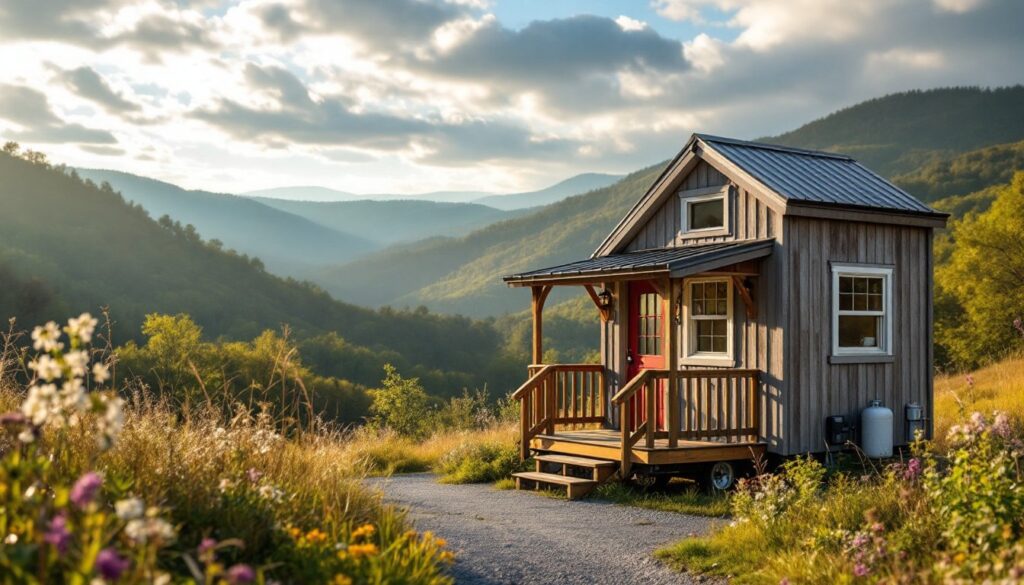

Tiny house living isn’t just about downsizing, it’s about rethinking how space works. Modern tiny house plans blend minimalist aesthetics with smart engineering, creating homes that feel open, functional, and surprisingly spacious even though their compact footprints. Whether someone’s looking to build a primary residence, a backyard ADU, or a mobile getaway, today’s plans offer flexibility that wasn’t available even five years ago. This guide walks through what defines modern tiny house design, layout options, key features, and the practical considerations that turn blueprints into livable homes.
Table of Contents
ToggleKey Takeaways
- Modern tiny house plans emphasize clean lines, open floor plans, and multifunctional spaces that maximize usable square footage without visual clutter.
- Choose between single-level, loft, or hybrid layouts based on lifestyle and local codes—loft designs save floor space but aren’t ideal for tall individuals or those avoiding stairs.
- Key design features include floor-to-ceiling windows, integrated storage in stairs and wall cavities, apartment-size appliances, and metal roofing for durability.
- Budget $30,000–$60,000 for a DIY modern tiny house build (200–300 sq ft) or $60,000–$120,000+ for a turnkey unit, accounting for materials, trailer, appliances, and labor.
- Verify local zoning laws before finalizing plans—some areas restrict tiny houses outright, while others permit them as ADUs or RVs; permitting and inspections are critical to insurability and resale.
- Prioritize the building envelope and mechanical systems (insulation, windows, electrical, plumbing) over finish details, which can be upgraded later to reduce costs.
What Makes a Tiny House Plan ‘Modern’?
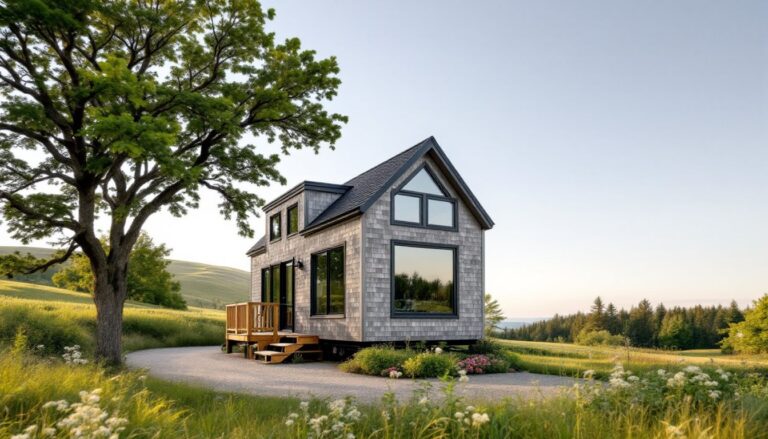
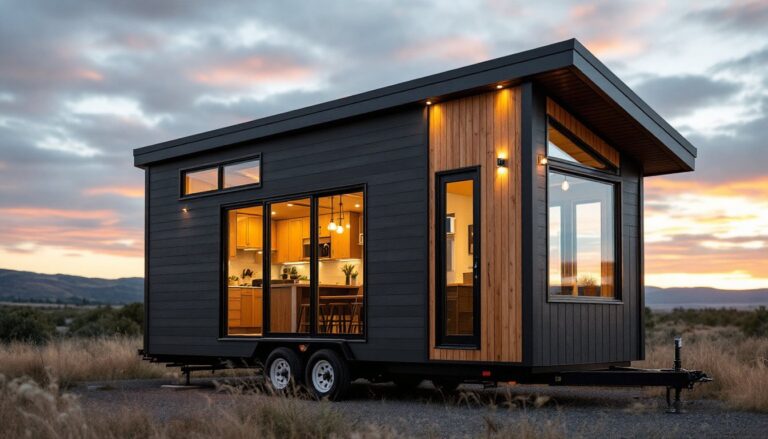
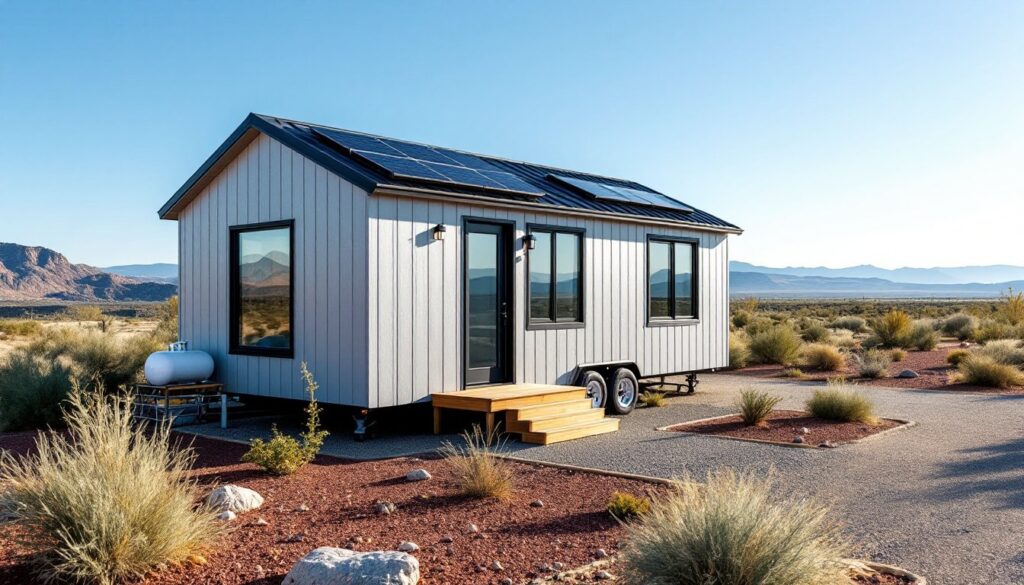
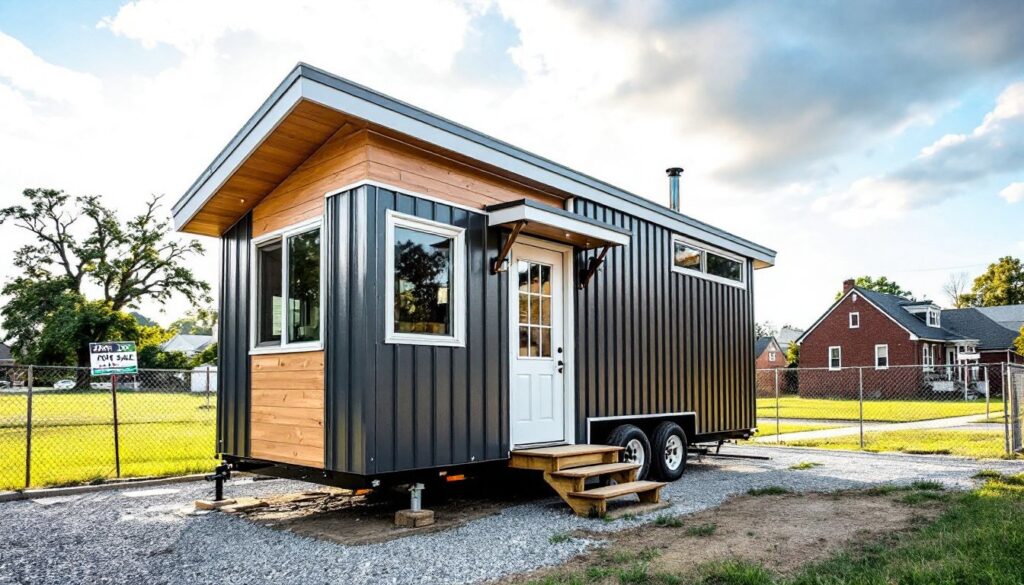
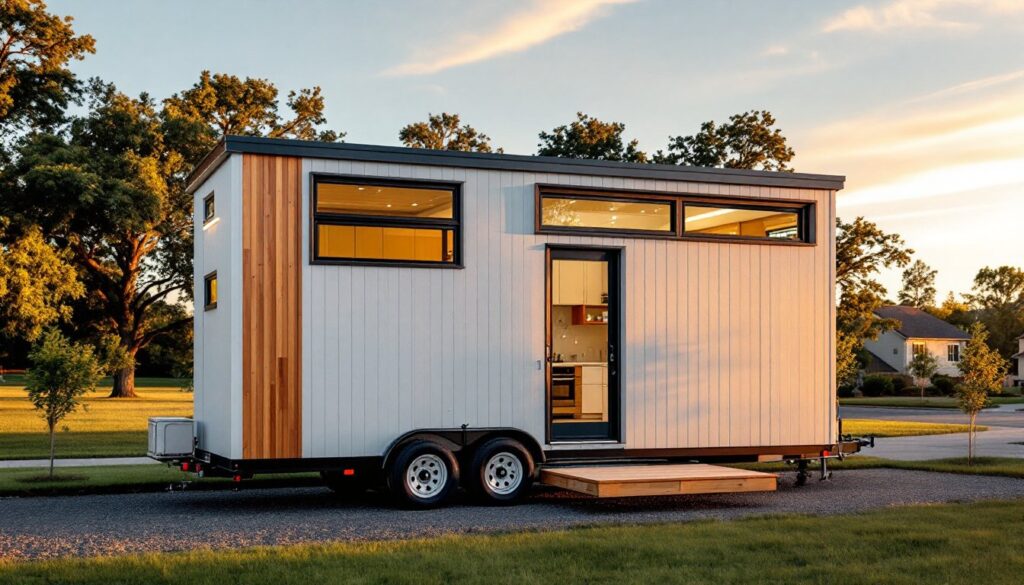
Modern tiny house plans distinguish themselves through clean lines, open floor plans, and an emphasis on natural light. Unlike rustic or cottage-style tiny homes with their decorative trim and cozy nooks, modern designs favor flat or low-slope roofs, large windows, and a minimal exterior palette, often combining fiber cement panels, metal siding, or standing-seam roofing in neutral tones.
Inside, the modern approach prioritizes multifunctional spaces. A dining table might fold into the wall. Stairs to a loft double as storage drawers. Built-ins replace freestanding furniture wherever possible. The goal is to eliminate visual clutter and maximize usable square footage without sacrificing style.
Material choices lean toward engineered wood products like plywood and OSB for sheathing, with spray foam insulation for tight thermal envelopes. Many plans incorporate SIPs (structural insulated panels) to speed up construction and improve energy efficiency. Modern doesn’t mean expensive, but it does mean intentional, every stud, joist, and finish material serves a purpose.
Zoning and code compliance are critical. Most jurisdictions define a tiny house as under 400 square feet for a dwelling on a foundation, though THOW (tiny houses on wheels) often fall under RV codes if they stay below 8.5 feet wide and meet RVIA or NOAH certification standards. Always verify local regulations before finalizing a plan, some areas won’t permit permanent tiny house living, while others have embraced advanced construction techniques that make small-footprint homes viable.
Popular Modern Tiny House Floor Plan Layouts
Modern tiny house layouts fall into a few proven categories, each with distinct trade-offs. The most common are single-level, loft, and hybrid designs.
Single-level plans place all living functions on one floor, typically in the 200–400 square foot range. These work well for individuals with mobility concerns or those who want to avoid climbing stairs daily. A typical layout includes a combined living/kitchen area, a full bathroom with a standard shower (not just a wet bath), and a sleeping nook or Murphy bed. The challenge is fitting a queen-size bed without sacrificing kitchen counter space, most plans use a sliding barn door or pocket door to separate the bedroom without eating into the floor plan.
Loft designs are the classic tiny house silhouette. By moving the sleeping area to a loft accessed by ladder or stairs, they free up the main floor for a larger kitchen, bathroom, and living area. Most lofts sit above the bathroom to maximize headroom (usually 3.5–4 feet of clearance in the loft itself). Stairs are preferable to ladders for daily use, but they consume roughly 16–20 square feet of floor space. Some builders use alternating tread stairs to save room, though they require careful footing.
Hybrid layouts combine elements of both, often incorporating a ground-floor sleeping area and a loft for guests, storage, or a home office. These plans work well in the 300–400 square foot range but require careful attention to ceiling height, if the tiny house is on a trailer, total height is capped at 13.5 feet to stay road-legal without an oversize permit.
Single-Level vs. Loft Designs
Choosing between single-level and loft plans comes down to lifestyle and local codes. Single-level designs meet accessibility standards more easily and feel less cramped for taller individuals. They’re also simpler to frame, no need to engineer a loft structure that can support 40 pounds per square foot live load (per IRC standards for sleeping areas).
Loft designs maximize vertical space, which is critical in homes under 250 square feet. But, they’re not ideal for anyone over six feet tall or those who dislike climbing stairs at night. Loft framing typically uses 2×6 joists at 16 inches on center, sistered or tripled where spans exceed 8 feet. If building on a trailer, joists often run perpendicular to the trailer frame and tie into a rim joist or ledger board.
Both layouts benefit from open shelving and wall-mounted storage to keep floor space clear. In compact living spaces, every design choice affects how the home feels daily, claustrophobia isn’t about square footage alone, but about sightlines and storage.
Key Design Features in Modern Tiny House Plans
Modern tiny house plans share a handful of signature features that set them apart from traditional small homes.
Floor-to-ceiling windows are nearly universal. Large glazing, often tempered low-E glass, brings in natural light and makes interiors feel larger. South-facing windows (in the Northern Hemisphere) provide passive solar heating, but require exterior shading or Low-E coatings to prevent overheating in summer. Many plans include a glazed entry door or transom windows above interior doors to borrow light between rooms.
Integrated storage is non-negotiable. Modern plans build storage into stairs, under seating, and within wall cavities. European-style cabinets with full-extension soft-close drawers maximize kitchen efficiency. In bathrooms, recessed medicine cabinets and wall-mounted vanities free up floor space. Even the bed platform often hides pull-out drawers or lift-up storage.
Minimalist kitchens favor butcher block counters, stainless steel sinks, and apartment-size appliances (24-inch ranges, 18-inch dishwashers, or counter-depth refrigerators). Open shelving replaces upper cabinets in many designs, reducing visual weight. A single-basin farmhouse sink is popular but verify that the trailer frame or foundation can support the added water weight, a full sink can add 50+ pounds at one point load.
Composting toilets or cassette toilets are common in off-grid or mobile builds, while foundation-based tiny houses typically use standard plumbing. If planning a THOW, consult a plumber familiar with PEX flexible tubing and low-point drains to prevent freeze damage during travel.
Electrical systems in modern tiny houses often run on 30-amp service (like an RV), though foundation builds use standard 100–200 amp panels. Many owners integrate solar power systems to offset grid dependence, especially in rural or off-grid locations. Battery storage (such as lithium iron phosphate banks) pairs with rooftop solar to provide energy autonomy.
Metal roofing is standard for durability and low maintenance. Standing-seam profiles shed snow and rain efficiently and last 40+ years with minimal upkeep. Underlayment should be synthetic (not felt), and roof pitch typically runs 3:12 to 5:12 for modern aesthetics and water runoff.
Personalization options abound. Some builders incorporate custom design elements like sliding glass walls, rooftop decks, or fold-down porches to extend usable space. These features add complexity and cost but can transform a tiny house from a shelter into a true home.
Choosing the Right Modern Tiny House Plan for Your Needs
Selecting a plan starts with honest questions about lifestyle and location. Will the home be mobile or on a foundation? Is it a full-time residence, a weekend retreat, or a rental unit? Does local zoning allow tiny houses, and if so, under what classification, ADU, RV, or primary dwelling?
Mobility vs. foundation is the first fork in the road. A THOW on a trailer offers flexibility but limits size (typically 8.5 feet wide × 13.5 feet tall × 20–30 feet long) and requires a tow vehicle rated for 10,000–14,000 pounds GVWR. Foundation-based builds can go larger and tie into municipal utilities but lose portability. Many people mistakenly assume tiny homes on wheels are always cheaper, they’re not, once you factor in trailer cost ($4,000–$7,000), towing equipment, and insurance.
Climate shapes material and layout choices. In cold regions, prioritize insulation (R-21 walls, R-38 roof minimum), double-pane windows, and a mini-split heat pump or direct-vent propane heater. Hot climates benefit from reflective roofing, cross-ventilation, and covered porches to shade windows. Humidity-prone areas need vapor barriers and moisture-resistant drywall (purple board) in bathrooms.
Building skill matters. Some plans are DIY-friendly, with straightforward stick framing and minimal custom cuts. Others call for advanced framing techniques, welded steel frames, or curved roof trusses that require professional help. If this is a first build, choose a plan with detailed cut lists, full-size anchor points marked, and a builder’s support forum. Plans sold as CAD files offer the most flexibility for customization but assume the builder can read technical drawings.
Permitting and inspections can derail a project. Some areas welcome tiny houses under ADU (accessory dwelling unit) codes: others ban them outright. If building on wheels to bypass zoning, confirm the property allows RV parking for extended periods, many don’t. For foundation builds, expect the same permit process as any new construction: foundation inspection, framing inspection, electrical/plumbing rough-in, and final inspection. Cutting corners here isn’t worth it, unpermitted tiny houses are nearly impossible to insure or sell.
Budget Considerations and Building Costs
Tiny house costs vary wildly depending on whether someone’s building DIY, hiring a contractor, or buying a turnkey unit. As of 2026, expect the following ballpark figures for a 200–300 square foot modern build:
Materials: $20,000–$40,000 for a quality DIY build. This includes framing lumber (often 2×4 walls, 2×6 or 2×8 roof rafters), sheathing, insulation, windows, roofing, siding, and interior finishes. Costs spike if using SIPs, exotic hardwoods, or high-end fixtures.
Trailer (if applicable): $4,000–$7,000 for a tandem-axle trailer rated for tiny house loads. Opt for 7,000-pound axles minimum and electric brakes on all wheels. Avoid trailers designed for cargo or equipment, tiny house trailers have reinforced cross-members and bolt patterns for floor framing.
Appliances and fixtures: $3,000–$8,000. A mini-split HVAC system runs $1,200–$2,500 installed. An on-demand water heater (propane or electric) costs $400–$1,000. Budget another $1,500–$3,000 for kitchen appliances, sink, faucet, toilet, and shower.
Labor: $15,000–$50,000+ if hiring pros. Specialized trades (electrician, plumber) charge standard rates, often $75–$150/hour, and won’t discount much for a small project. Some states require licensed contractors for any structure over 120 square feet or anything with plumbing.
Total DIY cost: $30,000–$60,000 for a well-built modern tiny house. Turnkey from a builder: $60,000–$120,000+, depending on finishes and location.
Hidden costs add up quickly: building permits ($500–$2,000), tool rental or purchase ($1,000–$3,000 if starting from scratch), delivery of materials (many lumberyards charge $100–$300 per trip), and temporary housing or storage during the build. If financing, note that traditional mortgages don’t apply to tiny houses, most buyers use personal loans, RV loans, or cash.
Saving money without compromising quality means prioritizing the envelope and mechanicals. Spend on good insulation, quality windows, and code-compliant electrical/plumbing. Finish details like countertops, flooring, and cabinet hardware can be upgraded later. Salvaged materials, reclaimed wood, architectural salvage windows, surplus tile, cut costs if sourced carefully, but verify dimensions and condition before designing around them.
For those exploring alternative designs, shipping container conversions start around $25,000–$50,000 but involve different structural considerations (cutting openings in steel, dealing with container width, treating for rust).
Conclusion
Modern tiny house plans offer a practical path to simplified living without sacrificing design or functionality. The best plan is the one that aligns with local codes, personal skill level, and long-term goals, whether that’s a mobile lifestyle or a permanent backyard studio. Take the time to refine the plan, source quality materials, and build with intention. A well-executed tiny house isn’t just small, it’s purposeful.