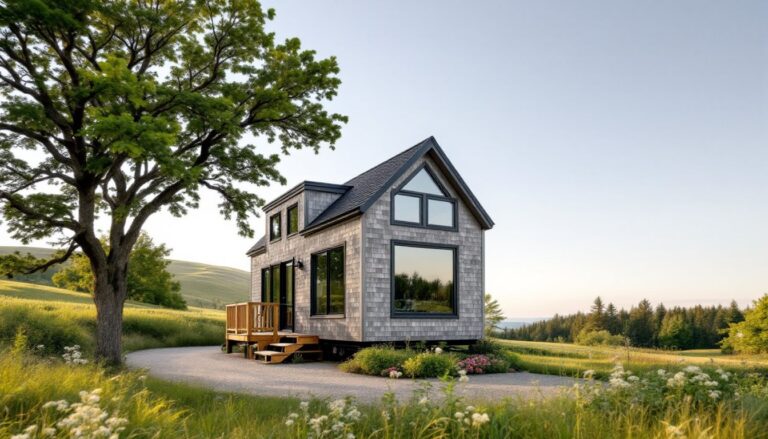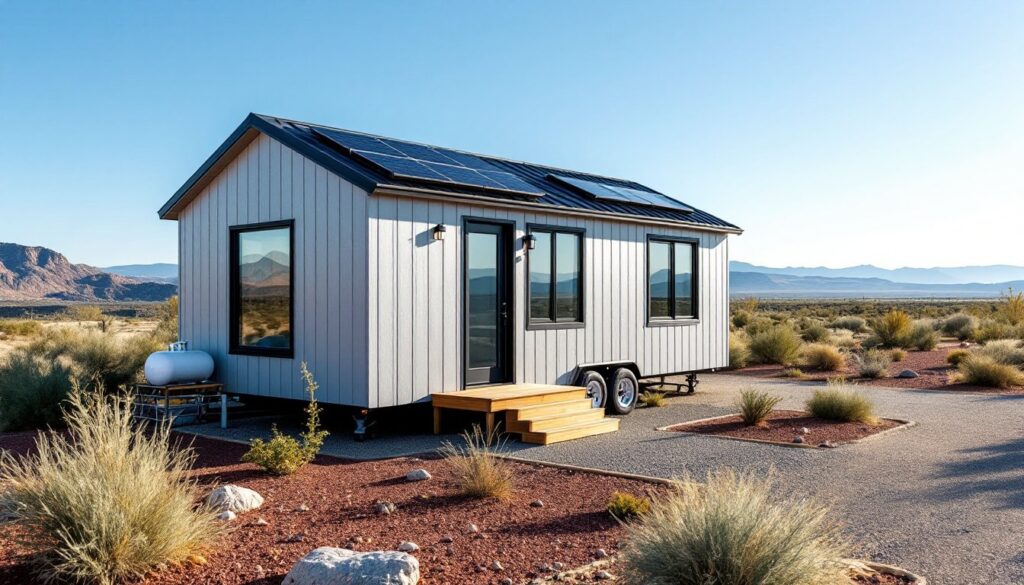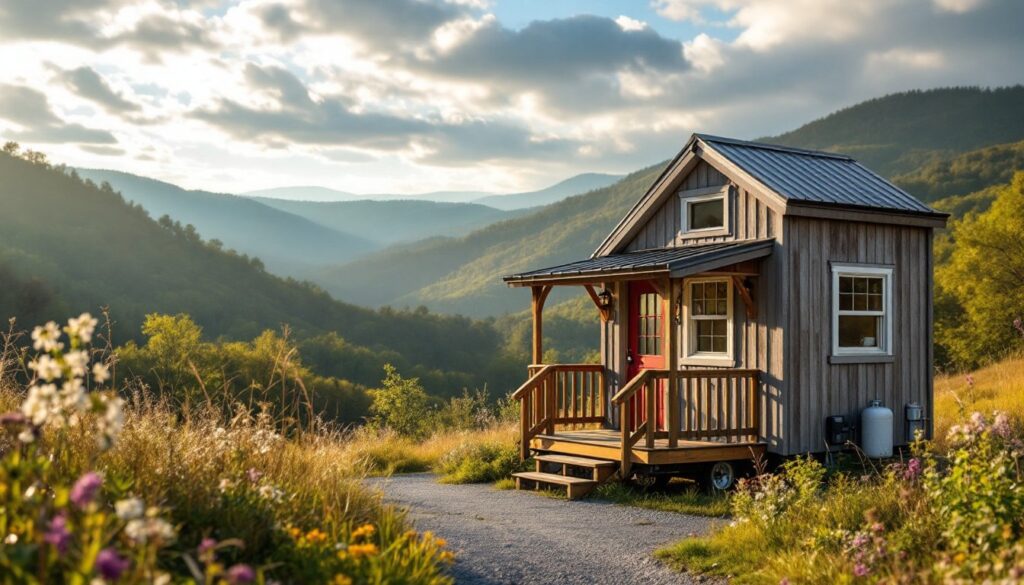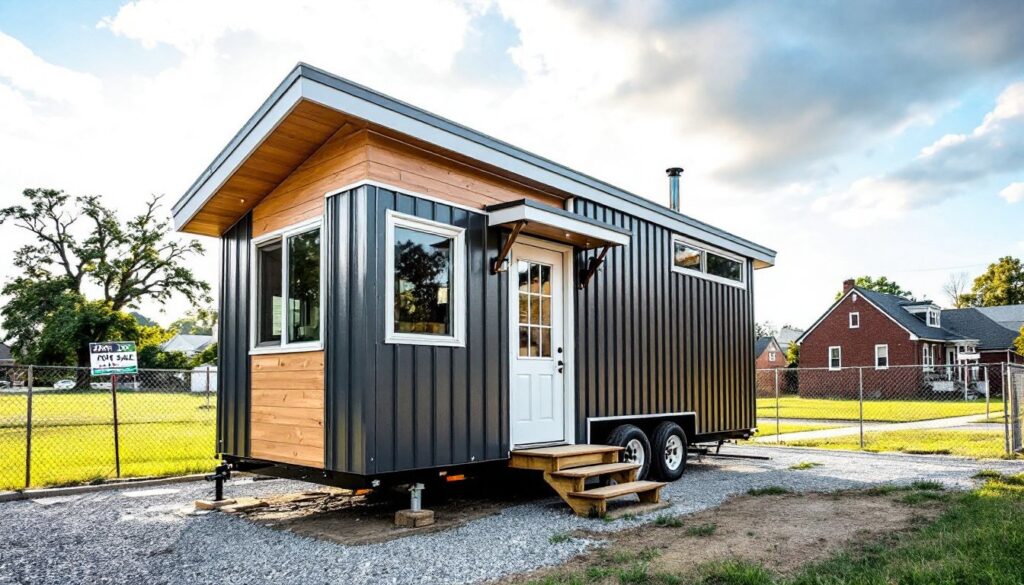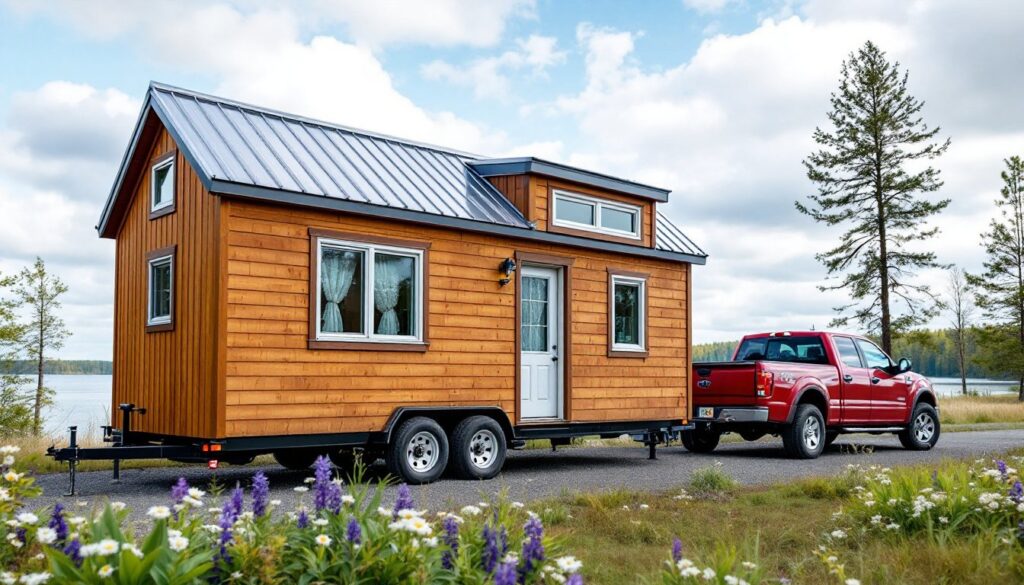

Minnesota’s tiny home market has exploded in recent years, driven by buyers seeking affordable housing, simplified lifestyles, and freedom from traditional mortgage burdens. Whether someone’s eyeing a lakeside retreat in the north woods or a year-round dwelling in the Twin Cities, the state offers a surprising variety of tiny homes, from turnkey models to custom builds. But buying one involves more than falling in love with clever storage solutions. Zoning codes, foundation requirements, and winterization needs all matter in Minnesota’s climate. This guide walks through where to find tiny homes for sale, what they cost, and how to navigate the regulatory landscape before signing on the dotted line.
Table of Contents
ToggleKey Takeaways
- Tiny homes for sale in Minnesota range from $40,000 to $150,000+, offering an affordable alternative to the state’s median home price of $350,000 and attracting first-time buyers and retirees seeking simpler lifestyles.
- Minnesota’s harsh winters demand specialized features like spray foam insulation (R-20+ walls), triple-pane windows, mini-split heat pumps rated to -15°F, and heated holding tanks to ensure year-round comfort and reduce heating costs to under $50/month.
- Zoning regulations for tiny homes vary significantly by municipality, with most cities requiring 500–750 square foot minimums for primary residences, though progressive cities like Duluth and Northfield are piloting ADU ordinances allowing smaller structures.
- Three main types of tiny homes available are THOWs (tiny homes on wheels), permanent-foundation models, and prefab modular units, each with distinct legal implications, financing options, and suitability for Minnesota’s climate and regulations.
- Before purchasing, verify local zoning laws, secure pre-approval for RV loans (typically 10–15 years at 1–3 points higher than mortgages), budget for land utilities ($1,500–$25,000), and hire an inspector familiar with tiny homes to check the trailer frame, roof, insulation, electrical systems, and plumbing.
Why Tiny Homes Are Thriving in Minnesota
Minnesota’s housing market, particularly around Minneapolis-St. Paul, has seen median home prices climb past $350,000 as of 2026, pricing out first-time buyers and retirees on fixed incomes. Tiny homes offer an escape hatch, with many models costing between $40,000 and $100,000 fully finished.
The state’s strong outdoor culture also plays a role. Minnesotans value lake cabins, hunting shacks, and weekend getaways. A towable tiny home serves double duty: primary residence or seasonal retreat. Owners can park one on family land Up North during summer, then relocate south for winter without maintaining two traditional properties.
Energy efficiency matters in a state where January lows hit -20°F. Modern tiny homes built for Minnesota include spray foam insulation (R-values of 20+ in walls), triple-pane windows, and mini-split heat pumps with cold-climate compressors rated to -15°F. Heating a 200-square-foot space costs a fraction of a 1,500-square-foot ranch, often under $50/month even in deep winter.
Finally, Minnesota’s progressive environmental policies and strong tiny home advocacy groups have pushed municipalities to pilot tiny home regulations that make legal placement easier than in many states. While challenges remain, the regulatory tide is shifting in favor of small-scale housing.
Types of Tiny Homes Available in Minnesota
Buyers encounter three main categories in Minnesota’s market, each with distinct legal and practical implications.
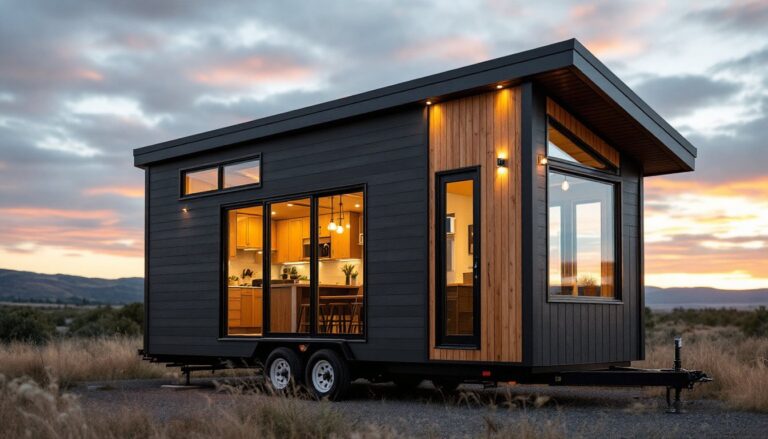
Tiny homes on wheels (THOWs) remain the most common. Built on tandem-axle trailers (typically 20–28 feet long), these units are classified as recreational vehicles if they meet RVIA certification standards. That classification simplifies financing through RV lenders and sidesteps some local zoning hurdles, though many cities still prohibit long-term RV living. Expect 7,000–10,000 lb. GVWR trailers with electric brakes and breakaway systems. A 3/4-ton or 1-ton truck handles towing, though professional transport often makes sense for first-time buyers.
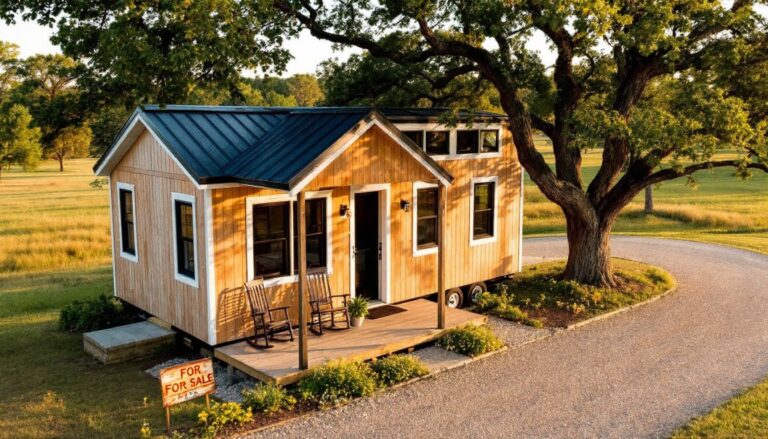
Tiny homes on permanent foundations resemble traditional houses, just smaller. These range from 400 to 800 square feet and must comply with the Minnesota State Building Code (based on the International Residential Code). They require frost-protected shallow foundations (FPSF) or full basements extending below the 42-inch frost line common in northern Minnesota. Financing works like a conventional mortgage, but the home needs a minimum square footage depending on jurisdiction (many cities require 500+ square feet for single-family dwellings).
Prefab modular tiny homes arrive in sections and get assembled on-site. Minnesota manufacturers often ship these in two halves, joined and finished over 2–3 days. They meet HUD code or IRC standards, making them easier to insure and finance than THOWs. The trade-off: less mobility and higher upfront costs due to foundation and utility hookup expenses.
A fourth niche category, tiny home park models, are factory-built units designed for permanent placement in licensed tiny home communities. These typically don’t have road-rated trailers and can exceed 400 square feet.
Where to Find Tiny Homes for Sale in MN
The Minnesota tiny home market mixes local builders, out-of-state dealers willing to deliver, and private resales. Start by checking specialized tiny home listing sites like Tiny House Listings and Tiny Home Builders, filtering by Minnesota or surrounding states. Facebook Marketplace and Craigslist yield occasional gems, especially used THOWs from owners relocating or upgrading, but inspect carefully for roof leaks, trailer frame rust, and DIY electrical work that doesn’t meet code.
RV dealerships throughout Minnesota stock park model RVs, which overlap heavily with tiny homes. These range from basic 12-foot-wide single-wides to upscale 400-square-foot models with residential appliances and standing-seam metal roofs. Dealers in Brainerd, Duluth, and the Twin Cities suburbs often carry inventory or can order custom builds. Financing terms mirror RV loans: shorter periods (10–15 years) and higher interest rates than conventional mortgages.
For those considering tiny homes in neighboring states, some Colorado and Texas builders deliver to Minnesota for a transport fee (typically $2–$4 per loaded mile). That adds $2,000–$6,000 to the purchase price but opens access to builders with proven cold-climate experience.
Top Minnesota Tiny Home Builders and Dealers
Several Minnesota-based builders specialize in cold-weather tiny homes. Incredible Tiny Homes (near Bemidji) constructs custom THOWs with R-30 ceiling insulation and on-demand propane water heaters rated for freezing conditions. Their base 20-foot model starts around $65,000 before options. Escape Traveler offers factory-built models in Wisconsin with delivery throughout Minnesota: their homes include LP SmartSide siding (more durable than standard T1-11 in Minnesota’s freeze-thaw cycles) and PEX plumbing with heat tape for winter use.
For permanent-foundation builds, local contractors often work from tiny home plans available through sites like The House Designers. This route requires more legwork, permitting, foundation work, utility connections, but allows full customization and typically qualifies for traditional construction loans.
Don’t overlook retiree-focused tiny homes designed for aging-in-place. These include zero-step entries, wider doorways (36 inches), and reinforced bathroom framing for grab bars.
What to Expect: Pricing and Features
As of 2026, Minnesota tiny home prices break down roughly as follows:
- DIY shell kits: $10,000–$25,000 (trailer, framing, sheathing, roofing: buyer finishes interior)
- Basic turnkey THOWs: $40,000–$65,000 (functional but builder-grade finishes)
- Mid-range custom builds: $65,000–$95,000 (upgraded appliances, real hardwood, tile bathrooms)
- High-end luxury models: $95,000–$150,000+ (chef kitchens, composting toilets, solar arrays, custom millwork)
- Permanent-foundation tiny homes: $80,000–$180,000 (includes foundation, well/septic or utility hookups, and site prep)
Shell kits appeal to experienced DIYers willing to handle framing, electrical (requires a licensed electrician for final inspection in Minnesota), plumbing, and insulation. Budget 300–600 hours of labor, plus subcontractor costs for trades you can’t handle. A licensed Minnesota electrician charges $75–$120/hour: expect $2,000–$4,000 for a complete tiny home electrical system meeting NEC Article 550 (for RVs) or Article 210 (for dwellings).
Standard features in mid-range Minnesota tiny homes include:
- Spray foam or mineral wool insulation: R-20+ walls, R-30+ roof
- Low-E triple-pane windows (U-factor ≤0.22)
- Mini-split heat pump (Mitsubishi, Fujitsu, or LG with hyper-heat technology)
- On-demand water heater (propane or electric, 2.5+ GPM)
- Residential appliances: apartment-size fridge, induction or propane cooktop, convection microwave
- Composting or flush toilet (the latter requires black water holding tank or septic connection)
- LED lighting throughout (12V DC or 120V AC systems)
- Luxury vinyl plank flooring (more forgiving in humidity swings than solid hardwood)
Winterization details separate Minnesota-ready homes from southern-built models. Look for heated holding tanks, enclosed and insulated underbelly, and Arctic-rated PEX piping. Builders should also use metal roofing (26-gauge standing seam or ribbed panels) rated for Minnesota’s 50+ lb./sq. ft. snow loads.
Transport costs add $2,000–$6,000 depending on distance and whether escorts or permits are needed for wide loads. Setup, blocking and leveling the trailer, connecting utilities, runs another $500–$2,000 unless the buyer tackles it. For inspiration on layouts and design trends, HGTV’s tiny home features showcase creative storage solutions and space-saving techniques.
Minnesota Zoning Laws and Tiny Home Regulations
Minnesota lacks statewide tiny home legislation, so rules vary wildly by city and county. Most jurisdictions regulate tiny homes under existing codes for single-family dwellings, accessory dwelling units (ADUs), or recreational vehicles, and those categories rarely align with what tiny home buyers want.
Within city limits, many Minnesota municipalities require minimum dwelling sizes (commonly 500–750 square feet) that exclude most tiny homes. But, cities like Duluth, Northfield, and parts of the Twin Cities metro have adopted or are piloting ADU ordinances that allow smaller structures (down to 150–400 square feet) on lots with existing primary homes. These typically require:
- Permanent foundation (no wheels visible)
- Connection to municipal water/sewer or approved septic
- Setback compliance (often 5–10 feet from property lines)
- Owner occupancy of either the primary home or the ADU
THOWs face tougher restrictions. Most cities prohibit using an RV (which includes RVIA-certified tiny homes on wheels) as a primary residence, even on private property. Some allow THOWs as temporary housing (180 days/year max) or during construction of a primary dwelling. A few rural townships take a hands-off approach if the property has no neighbors within sight and the home meets setbacks.
Outside city limits, county zoning applies. Northern Minnesota counties with low population density often allow RVs and tiny homes more freely, especially on agricultural or recreational zoned land. Still, assume you’ll need a septic system permit from the county (around $500–$1,500 plus installation costs of $5,000–$15,000) and a well permit if municipal water isn’t available (drilling runs $15–$30/foot: typical well depth is 100–300 feet).
Building permits are required statewide for permanent-foundation tiny homes. Expect plan review fees of $200–$800 and inspections at footing, framing, electrical, plumbing, and final stages. RVIA-certified THOWs often bypass building permits if classified as RVs, but the buyer must verify local rules before assuming that’s the case.
Before purchasing land or a tiny home, call the local zoning office. Ask specifically about minimum square footage, ADU rules, RV dwelling restrictions, and foundation requirements. Some buyers have successfully appealed for variances, but that process takes months and isn’t guaranteed. For a deeper jump into compliance, navigating regional zoning complexities offers case studies from municipalities across the country.
Tips for Buying Your Tiny Home in Minnesota
Get pre-approved for financing early. Traditional mortgages rarely apply to THOWs: instead, buyers use RV loans (through credit unions like Lightstream or local banks), personal loans, or cash. RV loans require 10–20% down, run 10–15 years, and carry interest rates 1–3 points higher than mortgages. If buying a foundation model, shop lenders experienced with non-conforming properties, as appraisals can come in low on sub-500-square-foot homes.
Inspect like you’d inspect any house. Hire a home inspector familiar with tiny homes or RVs. Key checkpoints:
- Trailer frame and axles: Check for rust, cracked welds, and proper tongue weight (10–15% of total weight).
- Roof and flashing: Standing-seam metal is ideal: check all penetrations (vents, skylights) for sealant condition.
- Insulation and moisture barriers: Look for Tyvek or similar house wrap, properly taped seams, and no signs of condensation or mold in wall cavities.
- Electrical system: Verify the home has a 125A or 200A main breaker panel if it’s a THOW (not the 30A or 50A RV-style setup), GFCI outlets in kitchen/bath, and 14 AWG or 12 AWG Romex (not undersized wire).
- Plumbing: PEX is standard: look for shutoffs, heat tape on drain lines, and properly vented drains.
Plan for land and utilities before you buy. A tiny home without a place to put it is an expensive lawn ornament. If parking on private land, confirm zoning allows it and budget for utility hookups, $1,500–$4,000 for electric service (trench, conduit, meter base, inspection), $5,000–$15,000 for septic, and $8,000–$25,000 for a drilled well. Some buyers join tiny home communities or RV parks that provide utilities and legal parking, though monthly lot rent ($300–$800) reduces the cost savings.
Test towing logistics if buying a THOW. A 24-foot tiny home weighs 8,000–12,000 lbs. loaded. That demands a 3/4-ton or 1-ton truck (F-250, Ram 2500, Silverado 2500 or larger) with a gooseneck or bumper-pull hitch rated for the load. Trailer brakes must be functional and synced with the truck’s brake controller. For similar buying considerations in other markets, check builder reputations and delivery options.
Consider resale value. Minnesota’s tiny home market is growing but still niche. Custom features appeal to the original buyer but may not to the next. Neutral finishes, quality construction, and RVIA certification improve resale odds. If going custom, think about bespoke design choices that balance personality with broad appeal.
Finally, join local tiny home groups. Minnesota Tiny House Enthusiasts (on Facebook) and regional meetups provide firsthand advice, builder recommendations, and land-sharing opportunities. Other states like Pennsylvania and Texas have established tiny home networks that offer lessons applicable to Minnesota buyers.
Buying a tiny home in Minnesota means balancing affordability, climate demands, and a patchwork of local regulations. But for those willing to do their assignments, the result is a home that fits both their budget and their values, without the decades-long mortgage.