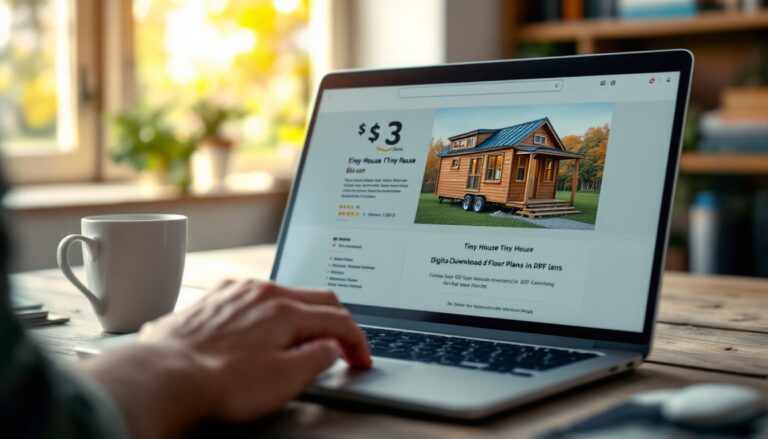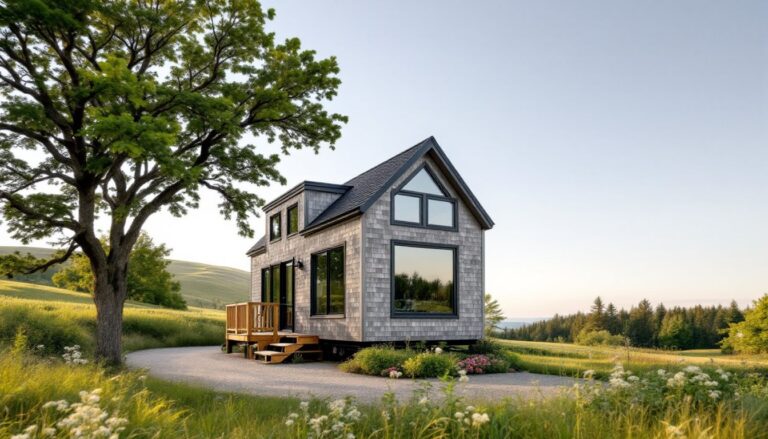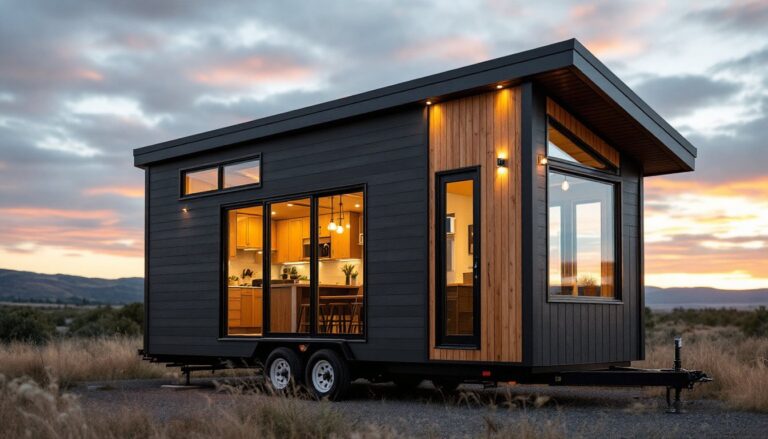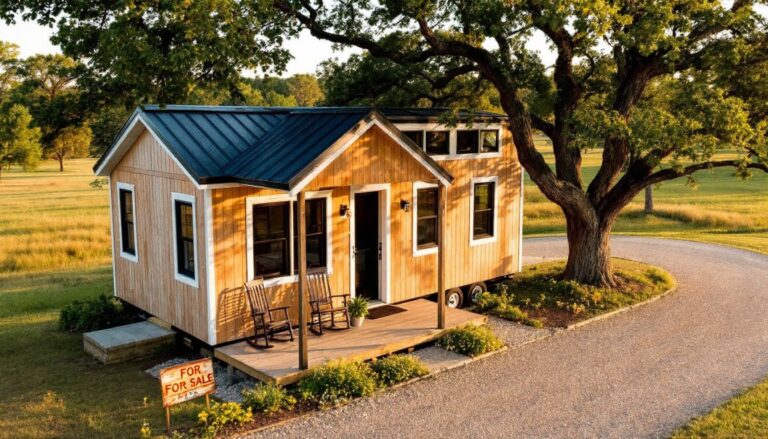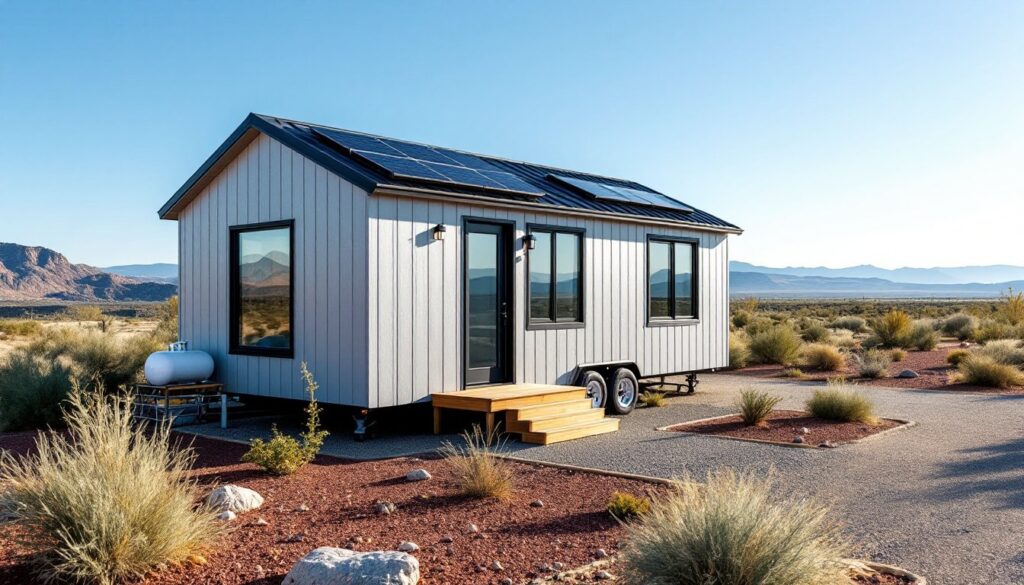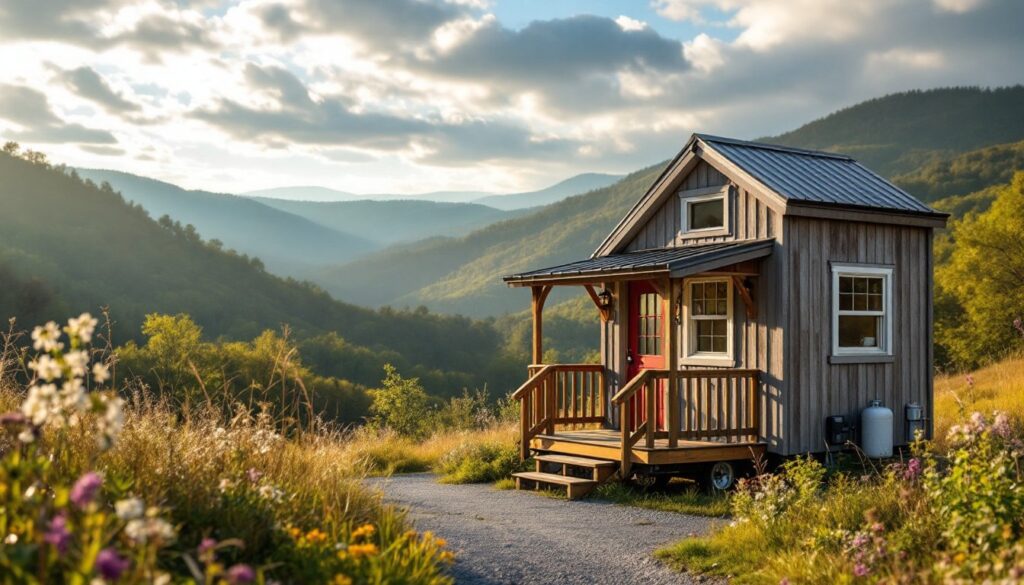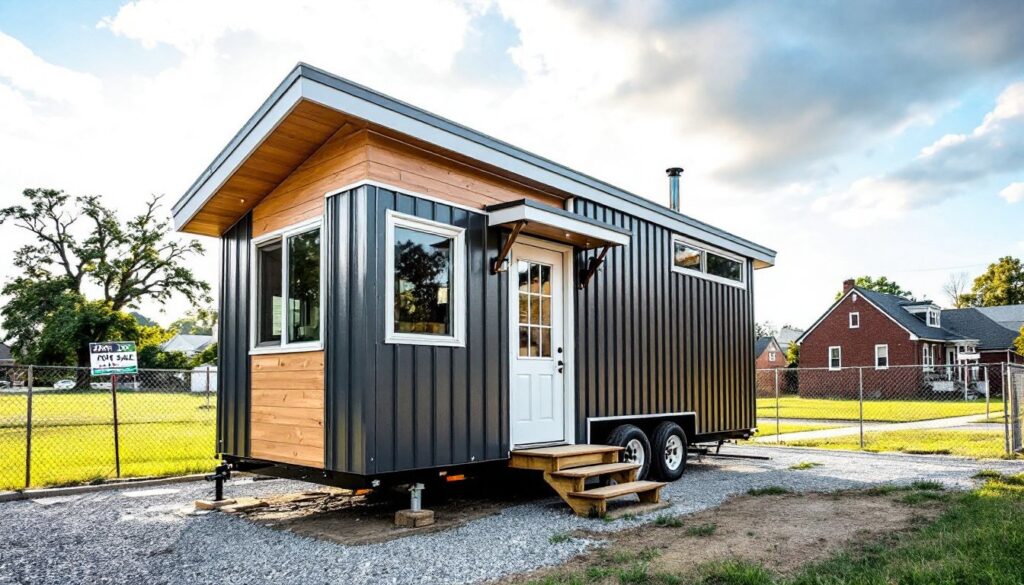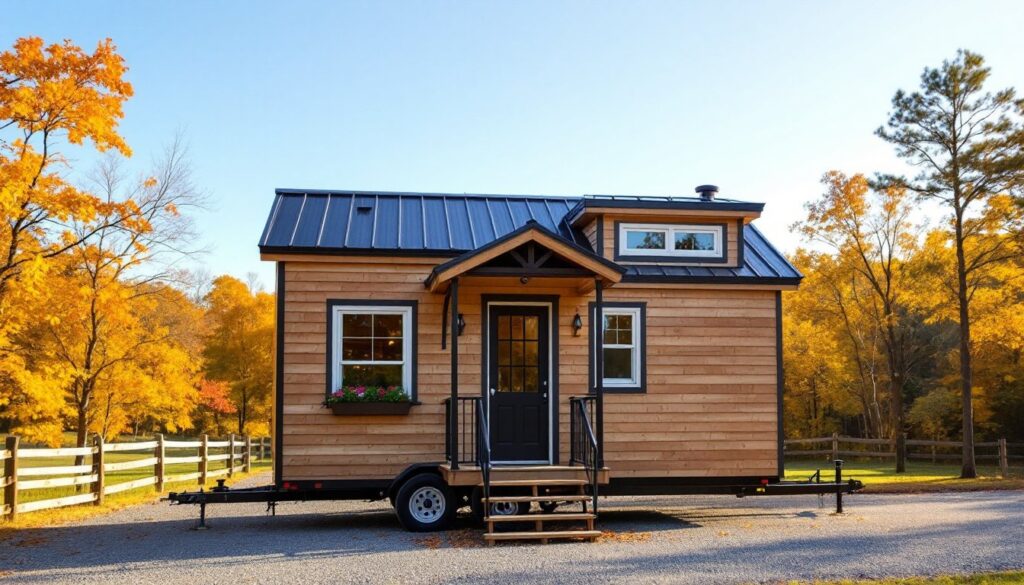

Finding affordable housing in New York City has always been challenging, but the tiny house movement is offering an unconventional solution. While you won’t see rows of tiny homes lining Manhattan streets, the appeal of downsized, efficient living spaces is catching on with urban dwellers tired of sky-high rents and mortgage payments. This guide walks through where to find tiny houses for sale near NYC, what they cost, and the zoning realities anyone considering this lifestyle needs to understand before making a purchase.
Table of Contents
ToggleKey Takeaways
- Tiny houses for sale near NYC range from $40,000–$150,000, offering a dramatic cost reduction compared to the region’s median home price of $700,000–$900,000.
- Zoning laws prohibit tiny homes on wheels as primary residences within NYC’s five boroughs, making placement in Hudson Valley, Catskills, or upstate New York the practical solution for buyers.
- Professional inspection and towing logistics are critical—moving a tiny house can cost $2,500–$4,000 and requires heavy-duty equipment to avoid structural damage.
- Mid-range finished tiny homes ($50,000–$85,000) offer functional kitchens, sleeping lofts, and standard utilities, making them move-in ready for most buyers.
- Ongoing ownership costs—land, utilities, insurance, and annual maintenance ($1,000–$2,000 yearly)—should be factored into the total investment beyond the purchase price.
- Renting a tiny house for a week or month before buying allows prospective owners to confirm the lifestyle fits, preventing costly regret after purchase.
Why Tiny Houses Are Gaining Popularity in New York City
The tiny house trend isn’t just about Instagram-worthy interiors. For New Yorkers, it’s driven by economics and lifestyle shifts.
First, there’s the cost factor. The median home price in NYC hovers around $700,000–$900,000, while a finished tiny house typically runs $40,000–$120,000 depending on size and finishes. That’s a massive difference, even when factoring in land or lot rental costs. Younger buyers and retirees on fixed incomes are particularly drawn to the lower entry price and reduced monthly expenses.
Second, minimalism and sustainability have moved from fringe to mainstream. Tiny homes use a fraction of the energy of traditional houses, most rely on mini-split HVAC systems, tankless water heaters, and LED lighting throughout. With proper insulation (spray foam or rigid board rated at R-30+ in walls), heating costs in a 200-square-foot space can be under $50 per month.
Finally, the pandemic changed how people view space. Remote work made cramped city apartments less tolerable, and many are rethinking whether they need to stay within city limits. A tiny house on a small plot in upstate New York or the Hudson Valley offers an escape hatch without fully abandoning the metro area. The popularity of affordable mobile options has also surged among those seeking flexibility.
Where to Find Tiny Houses for Sale in the NYC Area
Online Marketplaces and Tiny Home Builders
The easiest starting point is online. National tiny house marketplaces like Tiny House Listings, Tiny Home Builders, and even Facebook Marketplace feature dozens of listings within driving distance of NYC. Filter by location (New York, New Jersey, Connecticut) and price range to narrow results.
Several national builders ship to the Northeast. Tumbleweed Tiny House Company offers shell kits and finished models ranging from 117 to 310 square feet. Expect to pay $70,000–$100,000 for a turnkey unit on a trailer, not including delivery fees (typically $3–$5 per mile from the build site). New Frontier Tiny Homes and Mint Tiny House Company also deliver to the region and offer customization options like upgraded cabinetry, composting toilets, and off-grid solar packages.
For those seeking inspiration on regional alternatives, browsing tiny homes available in Pennsylvania or exploring options in Colorado Springs can reveal different styles and price points that might influence design decisions.
Local Dealers and Custom Builders Serving NYC
If you want to see units in person before buying, a handful of regional dealers and custom builders operate within a few hours of the city.
Tiny Estates in upstate New York not only sells tiny homes but also operates a tiny house resort where prospective buyers can rent a unit overnight to test the lifestyle. Units range from 160 to 400 square feet and start around $55,000 for basic models.
B&B Micro Manufacturing in New Jersey specializes in custom builds on wheels. They work with clients to design layouts optimized for the owner’s needs, whether that’s a full kitchen with apartment-size appliances or a murphy bed to maximize daytime space. Typical build time is 4–6 months, with prices starting at $60,000.
For a truly bespoke option, reach out to local residential contractors experienced in accessory dwelling units (ADUs). While not traditional tiny house builders, many can frame and finish a small structure on a foundation if you already own land. Expect to pay $150–$250 per square foot for custom construction, similar to standard home building costs but on a much smaller footprint. These builders understand local codes and can pull permits, a major advantage in the NYC metro area.
Readers interested in Midwest alternatives might also tiny home markets in Kansas City for comparison.
What to Expect: Pricing and Features of NYC Tiny Homes
Pricing varies widely based on whether the home is on a foundation or wheels, the level of finish, and whether it’s DIY, semi-custom, or turnkey.
Budget tier ($30,000–$50,000): Shell-only units or older used models. Expect basic framing, minimal insulation, and unfinished interiors. You’ll need to handle electrical, plumbing, and finish work yourself or hire subcontractors. Not move-in ready.
Mid-range ($50,000–$85,000): Finished tiny homes on trailers with functional kitchens (two-burner cooktop, under-counter fridge, small sink), a wet bath (combined shower and toilet space), and a sleeping loft accessed by ladder or steep stairs. Standard features include laminate countertops, vinyl plank flooring, and basic fixtures. Walls are typically sheathed in shiplap or drywall. Most include a 100-amp electrical panel wired to code and PEX plumbing.
Premium tier ($85,000–$150,000+): High-end finishes like quartz counters, tile backsplashes, real hardwood floors, and stainless appliances. Upgraded insulation (spray foam throughout), mini-split climate control, and on-demand water heaters are standard. Some include smart home integration, built-in storage solutions, and exterior upgrades like metal roofing or cedar siding. Larger models (up to 400 square feet on a gooseneck trailer) might feature a ground-floor bedroom, full-size appliances, and a separate bathroom.
Keep in mind that tiny homes on wheels are classified as RVs in many jurisdictions, which affects financing and insurance. Most traditional mortgage lenders won’t touch them, you’ll likely need an RV loan or personal loan with higher interest rates (6–10% as of 2026). Insurance runs $600–$1,200 annually, similar to RV coverage.
For those exploring simpler builds, reviewing tiny house floor plans can help visualize space usage and prioritize must-have features.
Zoning Laws and Placement Challenges in New York City
Here’s the hard truth: parking a tiny house within the five boroughs of NYC is legally complicated, bordering on impossible.
New York City zoning codes don’t recognize tiny houses on wheels as permanent dwellings. The NYC Department of Buildings classifies them as vehicles or temporary structures, which can’t be used as primary residences on private property. You can’t legally live in one in your backyard, even if you own the lot.
Tiny homes on permanent foundations fare slightly better, but they must meet the same building codes as any other residence. That means minimum room sizes (at least 80 square feet for any habitable room per NYC building code), ceiling heights (7 feet minimum), egress windows, and compliance with electrical (NEC) and plumbing codes. An accessory dwelling unit (ADU) might be allowed on some single-family lots in the outer boroughs, but ADU regulations vary by zoning district and typically require permits, inspections, and approval from the NYC Department of Buildings, a months-long process.
The practical workaround? Most NYC tiny house buyers place their homes outside city limits. Popular spots include:
- Hudson Valley towns like New Paltz, Beacon, and Woodstock, where some rural zones allow tiny homes on agricultural land or as secondary structures.
- Catskills region, where cheap land and looser enforcement make placement easier (though you should still check with the local building department).
- Long Island’s East End, where some properties allow accessory structures.
- Upstate New York, particularly in counties with flexible zoning for RVs or camp structures.
- Northern New Jersey, where certain townships permit tiny homes as accessory buildings or on agricultural parcels.
Before purchasing land or moving a tiny house, call the local zoning office. Ask specifically about minimum square footage requirements, whether RVs or mobile structures can be occupied year-round, and if a certificate of occupancy is required. Some towns are tiny-house friendly: others will shut you down immediately. The real estate landscape varies significantly even within the metro region.
If you’re serious about keeping the home within commuting distance of NYC, hiring a local land-use attorney for a few hours of consultation ($300–$500) can save you from expensive mistakes.
Tips for Buying and Moving a Tiny House to NYC
Purchasing a tiny house is more like buying an RV than a traditional home, and moving one requires logistics most first-timers underestimate.
Inspection is critical. Hire a certified home inspector with tiny house or RV experience to check the frame, roof, plumbing, and electrical before you hand over money. Look for water damage (check around windows, roof seams, and the subfloor), proper framing attachment to the trailer, and code-compliant wiring. A bad build can cost thousands to fix. If buying used, ask for maintenance records and whether the home has been moved before, multiple moves can stress the frame and fasteners.
Understand towing requirements. Most tiny houses on trailers weigh 8,000–14,000 pounds and require a heavy-duty truck (Ford F-250 or larger with towing capacity of at least 10,000 pounds) and a gooseneck or bumper-pull hitch. Don’t attempt to move it yourself unless you have experience towing large trailers. Professional tiny house movers charge $2–$5 per mile: moving a home from, say, North Carolina to New York could run $2,500–$4,000. You’ll also need permits for oversize loads in some states.
Prep your land before delivery. The site should be level, accessible by a large truck, and have utility hookups if you’re connecting to grid power, water, and sewer. Many tiny house owners use RV-style hookups: a 50-amp electrical service (or at minimum 30-amp), a water spigot with frost-free hose bib, and either a sewer cleanout or septic connection. If off-grid, plan for a composting toilet, gray water management, and either solar panels (expect 2–4 kW of capacity and $8,000–$15,000 installed) or a generator.
Factor in ongoing costs. Even though the purchase price is low, you’ll still pay for land (lease or purchase), utilities, property taxes (if on a foundation), insurance, and maintenance. Many tiny house owners underestimate how quickly repairs add up, roofs need resealing, trailers need new tires and bearings, and appliances in small spaces work harder and wear out faster. Budget at least $1,000–$2,000 per year for upkeep.
Test before you commit. Rent a tiny house for a week or month through Airbnb or a tiny house resort. Living in 200 square feet sounds romantic until you realize there’s no room for your bike, your partner’s work-from-home setup, or a normal-size dining table. Many people love tiny living: others find it claustrophobic. Better to learn that before buying. Those curious about variations in layout and livability might also explore tiny homes in Tyler, TX, which often emphasize different climate considerations.
Finally, if you’re handheld through the buying process, lean on communities and forums. Tiny house owners are vocal online, and groups on Facebook or Reddit can point you toward reputable builders, warn you about scams, and share real-world advice about what works in the Northeast climate. Resources like Apartment Therapy offer small-space living tips that translate well to tiny homes, while Fine Homebuilding covers construction details for those considering a custom build.
Buying a tiny house near NYC is doable, but it’s not a shortcut. It requires research, realistic expectations, and a willingness to adapt. Done right, it offers a creative, affordable path to homeownership in one of the country’s most expensive regions.