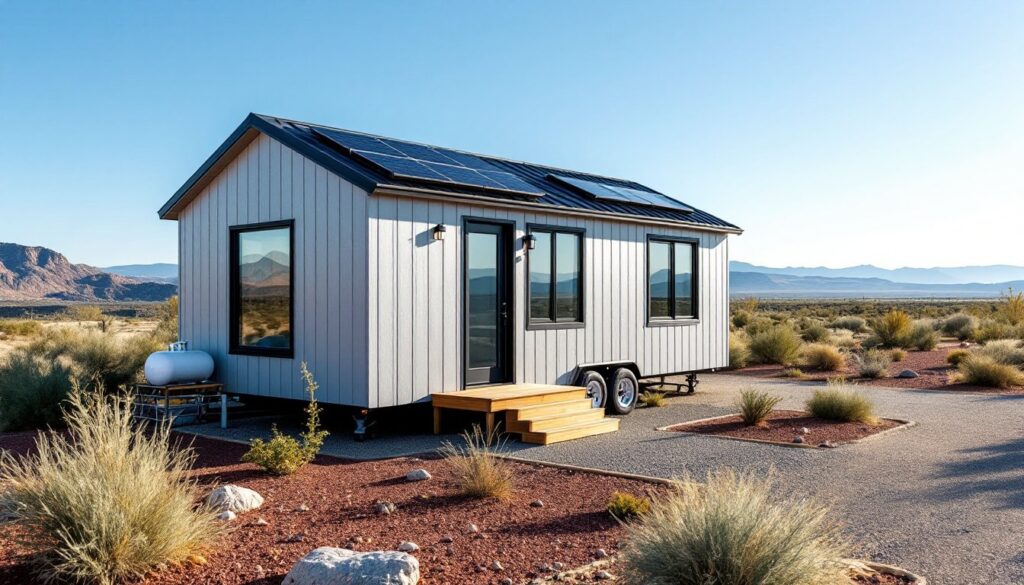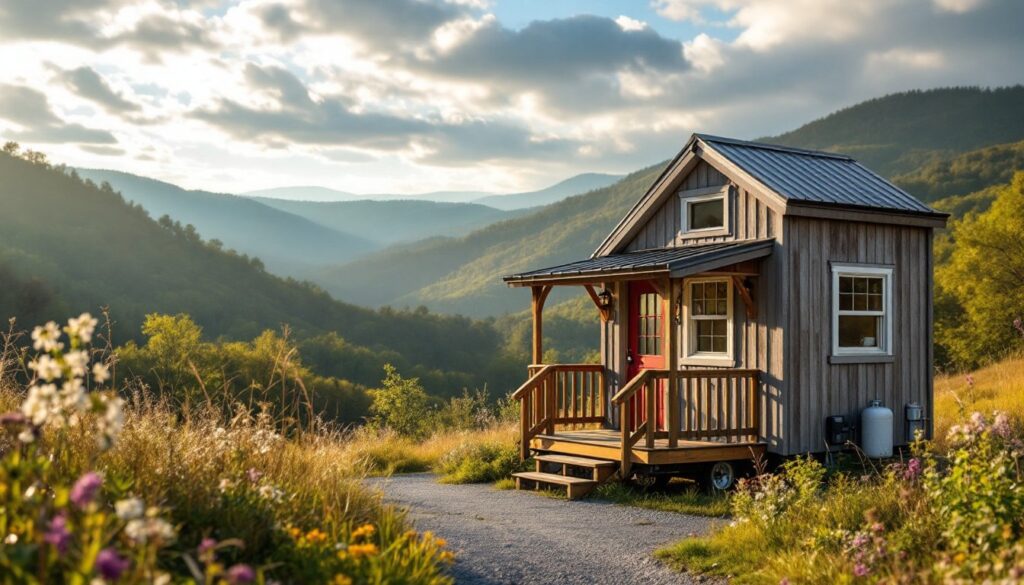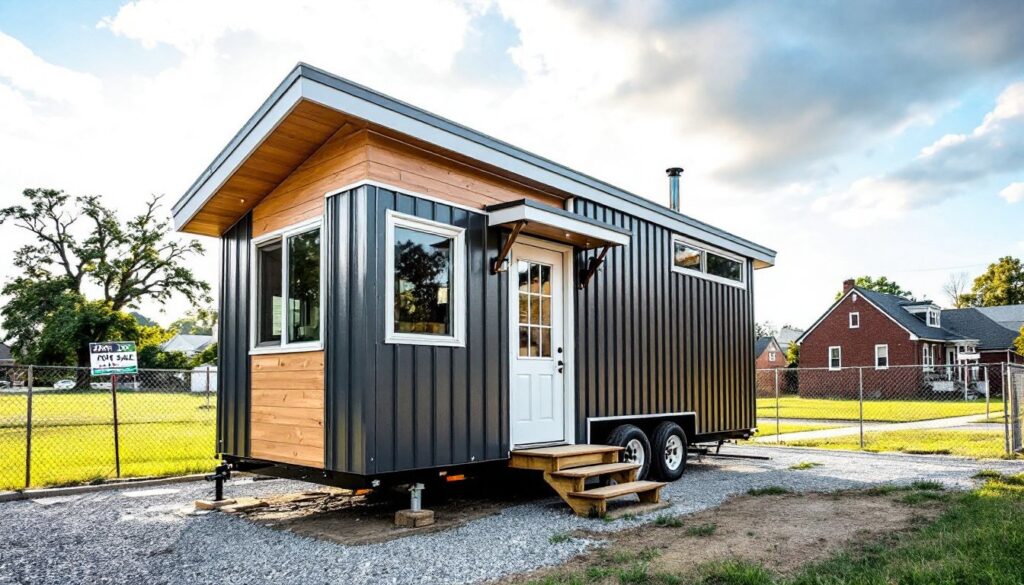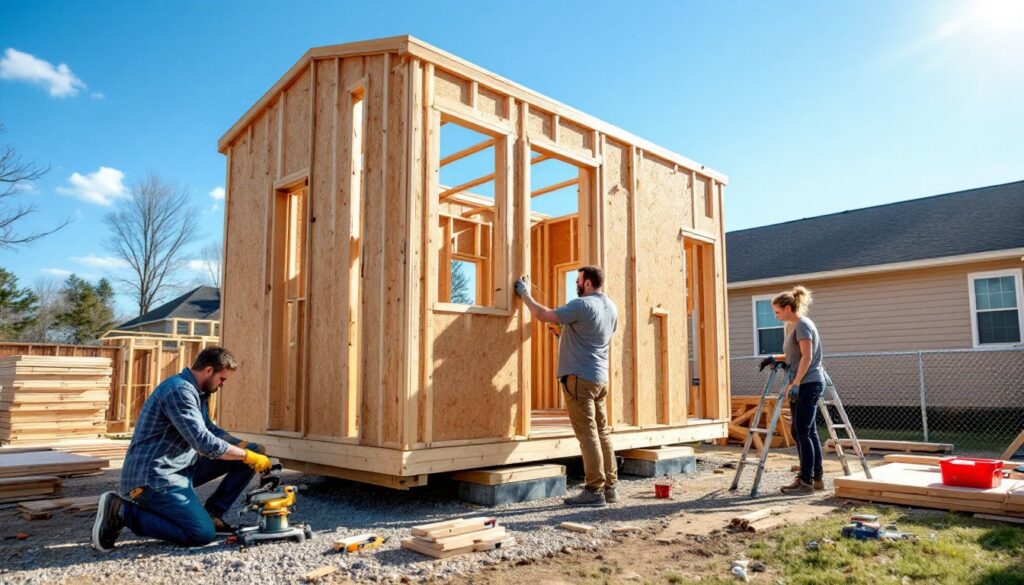

Tiny house kits under $10,000 sound too good to be true, but they’re real, and they’re reshaping affordable housing. These pre-cut, flat-pack structures offer a path to homeownership or a backyard studio without the sticker shock of conventional builds. The catch? Budget kits are bare-bones, and final costs climb fast once you factor in foundations, utilities, and finishing work. But for DIYers willing to swing a hammer and navigate zoning laws, they’re a legitimate way to get four walls and a roof for less than a used car. This guide breaks down what you actually get, what you’ll pay beyond the kit, and whether you can realistically build one yourself.
Table of Contents
ToggleKey Takeaways
- Tiny house kits under $10,000 provide an affordable foundation for homeownership, but the kit price covers only the frame—expect total project costs of $20,000–$35,000 when adding foundation, utilities, and finishes.
- Budget kits are shell-only structures with pre-cut lumber and sheathing; windows, doors, roofing, insulation, electrical, and plumbing are not included and must be sourced separately.
- DIY assembly is possible for experienced builders with proper tools and help, but roof framing carries fall risks and many jurisdictions require licensed electricians and plumbers for permitted work.
- Zoning laws present the biggest obstacle—most municipalities prohibit residential structures under 600–1,000 square feet, making tiny houses legal as accessory dwelling units (ADUs) or RVs in select progressive areas only.
- Before purchasing any tiny house kit, contact your local planning department to confirm zoning compliance, permit requirements, and whether THOWs (tiny houses on wheels) are allowed on your intended property.
- All-in construction still costs 50–75% less than conventional building at $150–$200 per square foot, making tiny house kits a viable budget alternative if you plan for hidden costs and navigate legal requirements upfront.
What Are Tiny House Kits and Why Are They So Affordable?
A tiny house kit is essentially a flatpack building system, think IKEA furniture scaled up to a dwelling. Manufacturers cut framing lumber, wall panels, and sometimes roof trusses to spec, then ship the package with fasteners and basic instructions. You supply the labor, foundation, and finishing materials.
The sub-$10K price point hinges on three factors: small footprint (typically 120–200 square feet), minimal materials, and no labor markup. A standard 16×20-foot shell uses roughly 1,500 board feet of framing lumber, about $900–$1,200 in 2026 materials at retail. Manufacturers buying wholesale and cutting with CNC precision keep waste, and costs, low.
Shell kits dominate the budget tier. You get the bones: wall studs (usually 2×4 or 2×6 on 16-inch centers), floor joists, roof framing, sheathing, and housewrap. Windows, doors, insulation, siding, roofing, wiring, and plumbing? Not included. That’s how the price stays under five figures.
Most kits arrive on a single pallet or truck. Some require a trailer chassis if you’re building a THOW (tiny house on wheels): others assume a permanent foundation like a concrete slab, pier-and-beam, or helical piles. Make sure you know which before you buy.
Top Tiny House Kits You Can Buy for Under $10,000
The budget kit market is lean but growing. Here are categories you’ll encounter:
- Studio/shed kits (8×12 to 12×16 feet): $3,000–$6,500. These work as backyard offices, guest cottages, or workshops. Brands often market them as “storage buildings,” skirting residential code triggers.
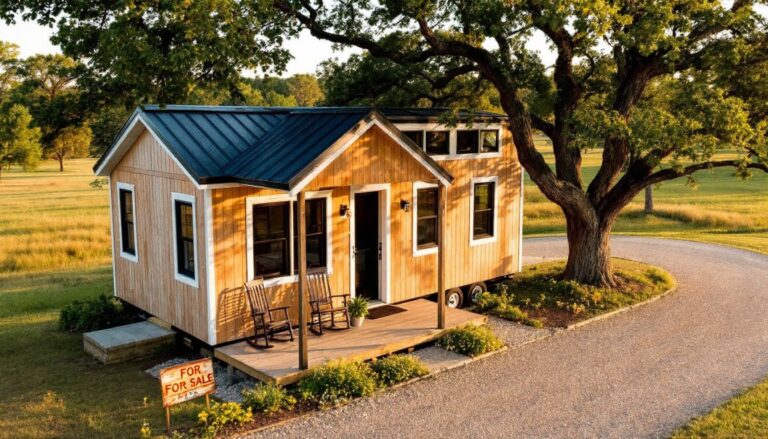
- Basic cabin shells (16×20 feet): $7,000–$9,500. Framing, sheathing, and sometimes rough openings for windows/doors. No finishes.
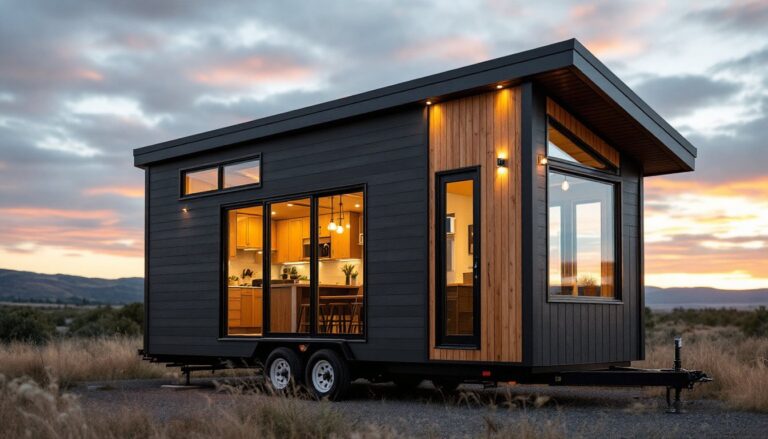
- THOW frames (trailer + framing): $8,000–$9,800. Includes a steel chassis with axles and wheel wells, plus wall framing. You’ll need to source roofing, siding, and mechanicals separately.
Some companies offer tiny house plans for DIYers who’d rather source lumber locally and cut their own components, which can push all-in shell costs below $5,000 if you have the tools and skill.
Shell Kits vs. Complete Kits: Understanding Your Options
Shell kits provide structure only: framing, sheathing, maybe a subfloor. You finish everything else. Budget kits are almost always shells.
Complete kits, or “turnkey” kits, include windows, doors, siding, roofing, insulation, sometimes even cabinetry and fixtures. They start around $15,000 and climb fast. You won’t find true complete kits under $10K unless they’re used or salvaged.
Shell kits suit experienced DIYers or those with construction help. If you’ve never framed a wall or run electrical, expect a steep learning curve. Complete kits reduce decisions and trips to the lumberyard but cost 50–100% more.
What’s Included (and What’s Not) in Budget Tiny House Kits
Read the spec sheet twice. Budget kits vary wildly, but here’s a typical breakdown:
Usually included:
- Pre-cut dimensional lumber (2×4 or 2×6 studs, 2×6 or 2×8 joists)
- Wall and roof sheathing (7/16-inch OSB or 1/2-inch plywood)
- Housewrap or building paper
- Fasteners (nails, screws, hurricane ties, joist hangers)
- Assembly diagrams (often just schematic PDFs, not step-by-step instructions)
Rarely included:
- Foundation materials (concrete, piers, trailer)
- Windows and exterior doors
- Roofing (shingles, metal panels, underlayment)
- Siding (LP SmartSide, T1-11, cedar, vinyl)
- Insulation (fiberglass batts, spray foam, rigid foam)
- Interior finishes (drywall, paneling, flooring)
- Plumbing and electrical materials
- HVAC (mini-split, propane heater, wood stove)
One kit we reviewed listed “complete framing package” but excluded corner bracing and window headers, critical structural elements. Another advertised “ready to finish” but shipped wall panels with no vapor barrier or flashing details. If the listing doesn’t name a component, assume it’s not there.
Some manufacturers do offer add-on packages: a window/door bundle for $1,200, a roofing package for $800. These can be cost-effective if shipping is consolidated, but compare pricing with local suppliers, big-box stores often beat kit upsells on commodity items like shingles and insulation.
Hidden Costs to Budget for Beyond the Kit Price
The kit is the tip of the iceberg. Here’s what pushes total costs into the $15,000–$30,000 range for a livable structure:
Foundation: $1,500–$5,000. A gravel pad and treated-wood skids run $500–$1,000. Concrete slab (4 inches thick, 16×20 feet) costs $2,000–$3,500 poured. Helical piles or sonotube piers with beams: $1,800–$4,000. For tiny homes on wheels, a new 20-foot tandem-axle trailer runs $4,000–$6,000.
Windows and doors: $800–$2,500. Vinyl double-hungs start around $120 each: a pre-hung exterior door is $200–$400. Casement or awning windows cost more but seal better in a mobile structure.
Roofing: $600–$1,500. Asphalt shingles cover about 100 square feet per bundle ($35–$45/bundle). A 16×20 gable roof needs roughly 500 square feet of coverage (5 squares), so $175–$225 in shingles, plus underlayment ($50–$80), drip edge, and ridge cap. Metal roofing costs double but lasts 40+ years.
Siding and trim: $900–$2,200. T1-11 plywood siding is the budget choice at $30–$50 per 4×8 sheet. LP SmartSide or fiber-cement costs $1.50–$2.50 per square foot installed, adding $480–$800 for a small structure.
Insulation: $300–$800. R-13 fiberglass batts for 2×4 walls run about $0.60 per square foot: 400 square feet of wall area costs $240. Add R-30 or R-38 in the ceiling.
Electrical and plumbing rough-in: $1,200–$3,500 if you DIY (wire, boxes, panel, PEX, fittings, fixtures). Double that for a licensed electrician and plumber. Many jurisdictions require permitted electrical work.
Interior finishes: $1,500–$4,000. Drywall or tongue-and-groove paneling, paint or stain, flooring (vinyl plank, laminate, or reclaimed wood), trim, and a basic kitchenette.
Utilities hookup: $500–$2,000 for grid electric and municipal water/sewer connections. Off-grid solar and composting toilet systems start around $3,000–$5,000.
All told, finishing a sub-$10K kit into a code-compliant, livable dwelling typically costs $20,000–$35,000, depending on finishes and whether you hire out trades. That’s still cheaper than conventional construction, which builders estimate at $150–$200 per square foot in 2026.
DIY Assembly: Can You Really Build It Yourself?
Yes, if you’ve framed before, own or can borrow tools, and have help for the heavy lifts. If your carpentry résumé includes a birdhouse and a wobbly bookshelf, budget extra time and money for mistakes.
Required skills:
- Reading framing plans and cutting lists
- Laying out a level foundation or trailer deck
- Assembling wall frames, squaring corners, and plumbing walls
- Installing sheathing with proper nailing schedules
- Cutting and setting roof trusses or rafters
- Basic electrical (running Romex, installing boxes, connecting a panel, or hiring this out)
- Basic plumbing (PEX water lines, waste venting)
Tools you’ll need:
- Circular saw or miter saw
- Corded drill and impact driver
- Framing nailer (pneumatic or cordless) or a lot of patience with a hammer
- Level (4-foot and 8-foot), speed square, tape measure, chalk line
- Sawhorses or a work table
- Ladders or scaffolding for roof work
Assembly time for a shell ranges from 40–120 hours depending on experience and help. Expect weekends over 4–8 weeks. Adding finishes can double that.
Safety note: Roof framing is the riskiest phase. Use fall protection (harness, anchor points) if the pitch exceeds 4:12 or the eave height tops 8 feet. Wear safety glasses, gloves, and hearing protection when cutting and nailing.
Don’t have the skills? Some kit companies offer builder referrals or will send a crew to erect the shell for $2,500–$5,000. Alternatively, hire a handyman for the framing phase and finish the interior yourself, a middle path many tiny home investment buyers take.
Zoning, Permits, and Legal Considerations for Tiny Homes
This is where dreams hit red tape. Tiny houses occupy a legal gray zone in most U.S. jurisdictions.
Zoning: Many municipalities have minimum square footage requirements for dwellings, often 600–1,000 square feet. A 120-square-foot kit won’t qualify as a legal residence. Some areas allow tiny homes as accessory dwelling units (ADUs) if the lot has a primary residence. Others permit them in RV parks or on agricultural land. A few progressive cities (Portland, Austin, Fresno) have adopted tiny-house-friendly codes, but they’re outliers.
Building permits: Required for any permanent structure in virtually all jurisdictions. Permit fees run $200–$1,200 depending on project value. Inspections cover foundation, framing, electrical, plumbing, and final. Skipping permits risks fines, forced removal, or inability to sell/insure the property.
Tiny houses on wheels (THOWs): Often classified as RVs, which sidesteps building codes, but triggers RV regulations. To park legally long-term, you’ll need an RV-zoned lot or a landowner’s permission (and their zoning must allow it). Some states require RV certification from RVIA or NOAH, which DIY builds rarely achieve.
Utilities: Connecting to grid power and sewer usually requires permits and licensed contractors. Off-grid systems (solar, composting toilet, rainwater) may face health department restrictions, especially for waste.
Insurance: Homeowners or RV insurance? Depends on foundation type and local classification. Expect to shop around: many carriers won’t insure non-certified tiny homes.
Action steps:
- Contact your local planning/zoning department before buying a kit. Ask about minimum dwelling size, ADU rules, and whether THOWs are allowed.
- If zoning prohibits residential use, consider classifying the structure as a shed, studio, or workshop, but don’t live in it full-time unless you’re okay operating in a legal gray area.
- Apply for permits early. Plan reviews can take 2–6 weeks.
- For off-grid builds on rural land, verify county setback rules, septic requirements, and well permits.
Some buyers explore tiny home grant programs that support affordable housing projects, though eligibility often requires compliance with local codes. If you’re serious about legal, long-term tiny living, invest an hour with a local zoning attorney or builder familiar with alternative dwellings, it’s cheaper than a teardown order.
Tiny house kits under $10,000 are a real entry point into affordable, simplified living, but only if you budget for the hidden costs, have the skills (or help) to assemble them, and navigate the zoning maze. Done right, they’re a viable DIY project. Done blind, they’re an expensive shed.