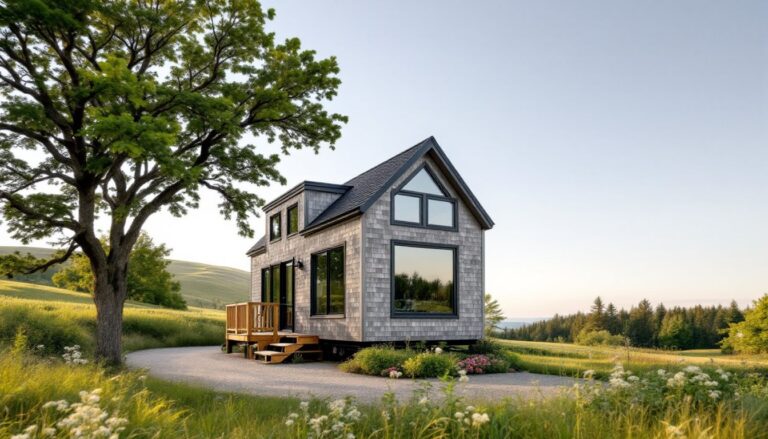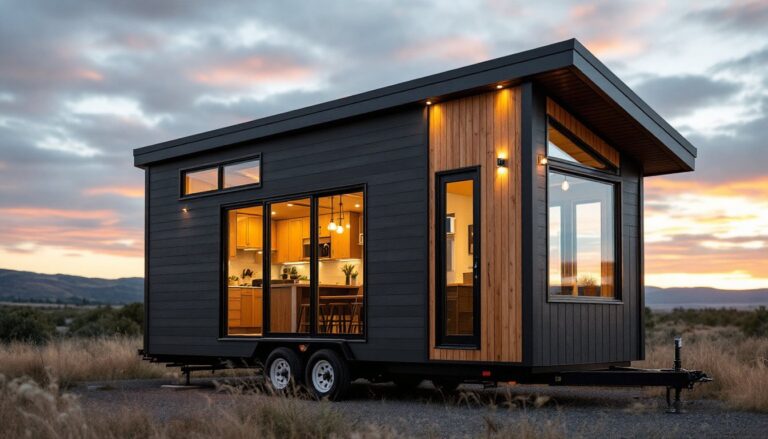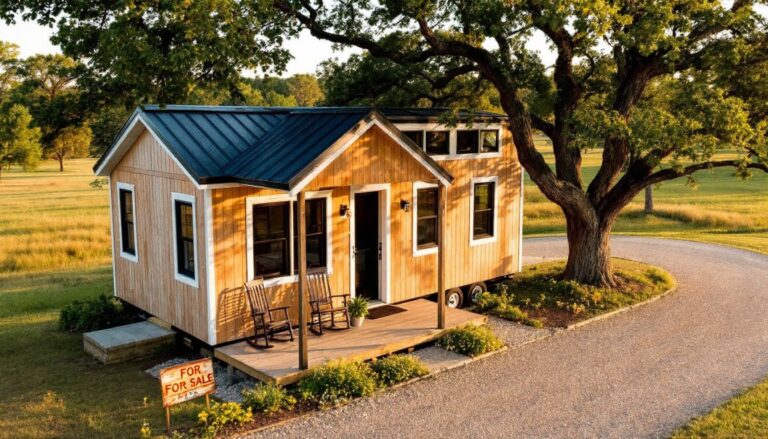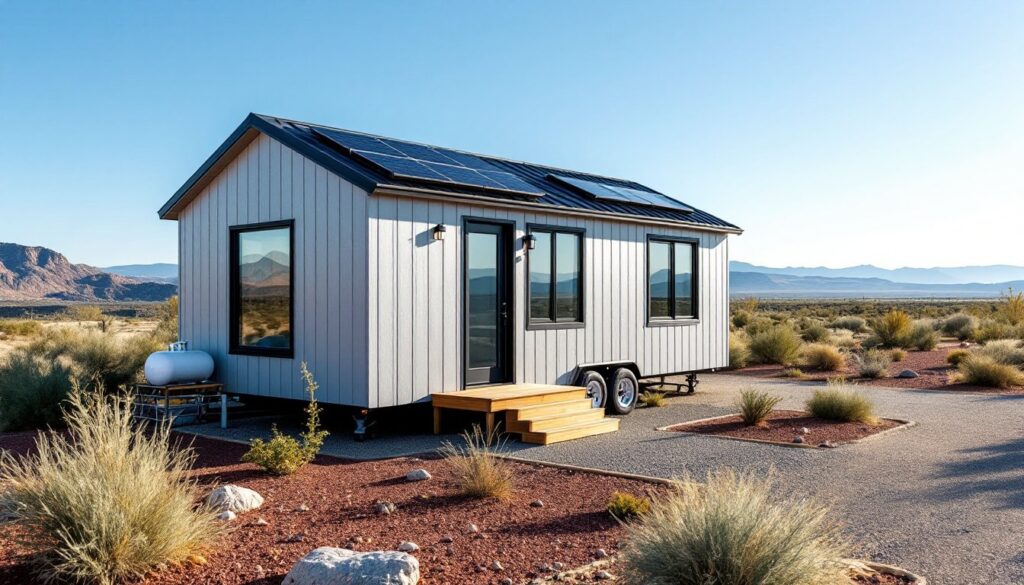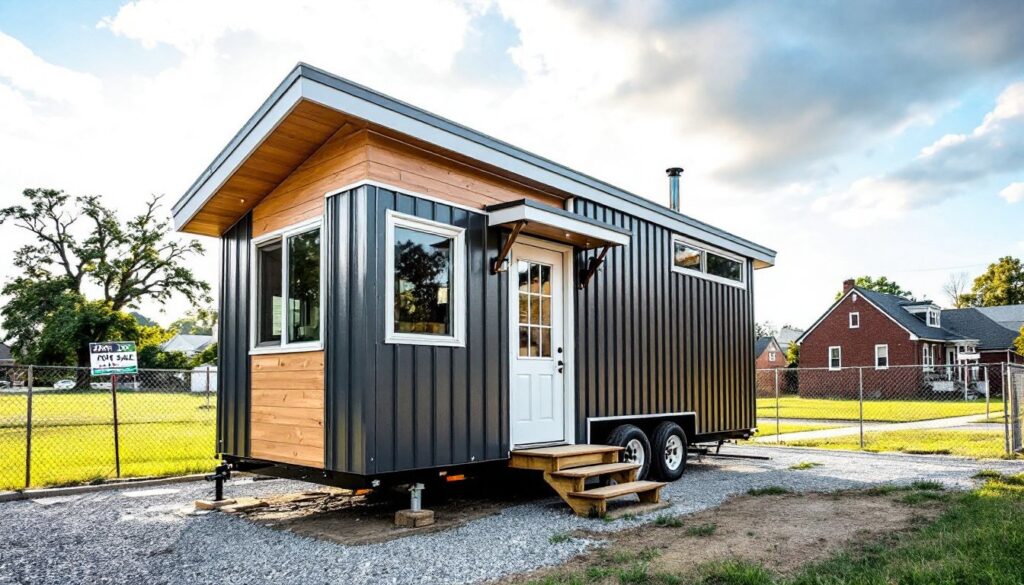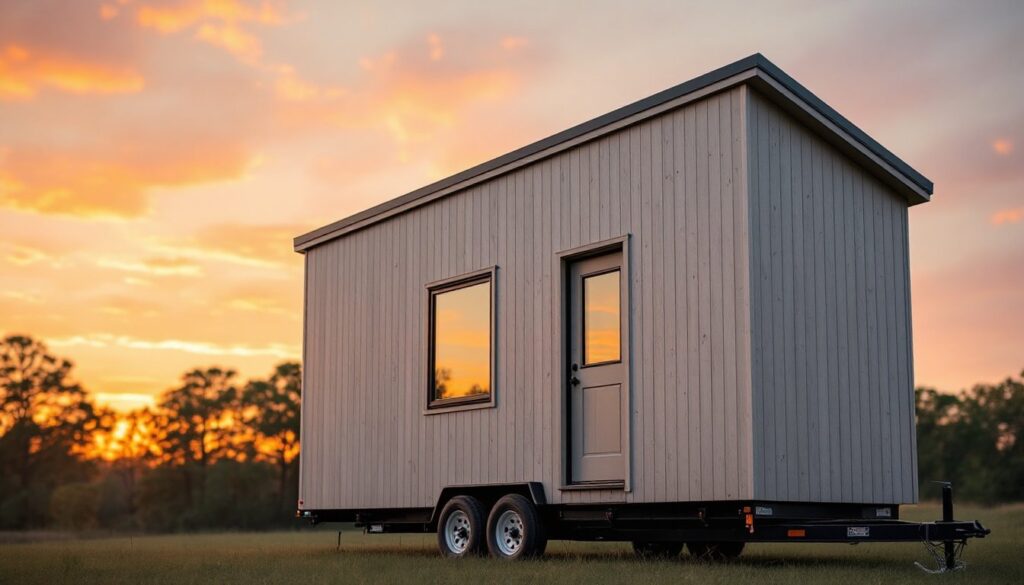

The tiny house movement has evolved beyond downsizing, it’s about intentional living. A minimalist tiny house strips away the excess to focus on what matters: functionality, quality, and space that breathes. Whether you’re planning a weekend build or contracting out the work, this approach eliminates clutter before the first 2×4 goes up. The result? A home that’s easier to maintain, cheaper to operate, and designed around how you actually live, not how much stuff you own. Here’s what you need to know before breaking ground.
Table of Contents
ToggleKey Takeaways
- A minimalist tiny house combines space efficiency with intentional design, reducing build costs, maintenance demands, and operational complexity while maximizing livable space.
- Multi-functional furniture and smart storage solutions—such as wall-mounted desks, Murphy beds, and pull-out drawers—are essential to making a minimalist tiny house feel comfortable rather than cramped.
- Neutral color palettes and natural materials like exposed wood ceilings and sealed plywood walls create visual continuity and warmth without adding unnecessary clutter.
- Electrical and plumbing planning becomes simpler in minimalist layouts by clustering outlets strategically and using a single wet wall with PEX tubing to reduce material costs and installation complexity.
- Proper structural basics—including flashing, continuous air barriers, and adequate ventilation—remain non-negotiable in minimalist builds, ensuring durability and water resistance despite the stripped-down aesthetic.
What Is a Minimalist Tiny House?
A minimalist tiny house combines the space efficiency of tiny living, typically under 400 square feet, with design principles that prioritize simplicity and purpose. Unlike traditional tiny homes that may pack in decorative details or maximize storage at every turn, minimalist builds focus on clean lines, open space, and a curated selection of essentials.
Think exposed structural elements, limited color palettes, and furniture that serves multiple roles. A minimalist approach doesn’t mean sterile or uncomfortable. It means every element earns its place. That includes your framing lumber, finish materials, and even the hardware you choose.
Most minimalist tiny houses are built on trailers (RVIA-compliant for roadability) or on permanent foundations, depending on local zoning. Either way, the footprint stays small, but the design philosophy cuts deeper than square footage. It’s about reducing visual noise and operational complexity, fewer finishes to maintain, fewer systems to troubleshoot, and fewer belongings to manage.
Why Choose a Minimalist Approach for Your Tiny Home
A minimalist design strategy delivers tangible benefits beyond aesthetics. First, it reduces build costs. Limiting material variety means fewer specialty orders, less waste, and simpler finish schedules. Drywall, paint, and trim work move faster when you’re not switching between five profiles or textures.
Second, it simplifies maintenance. Fewer finishes mean fewer surfaces to clean, repaint, or repair. Open shelving eliminates cabinet hardware failures. Durable, single-material surfaces (think sealed plywood or polished concrete) hold up better than layered composites.
Third, minimalism forces better planning. When you can’t hide clutter behind closed doors, you design with intent. Every item, from cookware to clothing, needs a logical home. That discipline carries through to electrical and plumbing layouts, too. Fewer outlets, fewer fixtures, fewer potential failure points.
Finally, a stripped-down interior maximizes perceived space. Light travels farther in a room without visual interruptions. A tiny house already challenges spatial norms: a minimalist layout makes 200 square feet feel livable rather than cramped. Studies on small space living consistently show that decluttered interiors improve both mood and functionality.
Essential Design Principles for Minimalist Tiny Houses
Multi-Functional Furniture and Smart Storage Solutions
In a minimalist tiny house, furniture does double or triple duty. A dining table folds into a wall-mounted desk. A staircase conceals pull-out drawers. A Murphy bed opens to reclaim floor space during the day.
Build or buy pieces that integrate storage without adding bulk. A bench seat with a hinged top stores linens. A platform bed frame provides under-mattress bins. Tiny container homes often use modular shelving that adapts as needs change.
Avoid ornamental storage. Open shelving in the kitchen keeps dishes visible and accessible but demands discipline, only keep what you use weekly. For hidden storage, prioritize drawers over cabinets: they’re easier to organize and access in tight quarters.
When designing built-ins, reference actual dimensions. A standard 24-inch-deep countertop wastes space in a galley kitchen: 18 inches often suffices and frees up floor area. Measure your largest pots, appliances, and bins, then design to fit, not the other way around.
Neutral Color Palettes and Natural Materials
Minimalist interiors rely on restrained color schemes to create visual continuity. Whites, grays, and earth tones dominate walls and large surfaces, with occasional contrast in textiles or small accents.
Paint coverage averages 350–400 square feet per gallon for flat or eggshell finishes. In a tiny house, one gallon often covers all walls in a single coat. Choose a single brand and sheen to simplify touch-ups.
Natural materials add warmth without clutter. Exposed 2×6 or 2×8 tongue-and-groove pine ceilings bring texture. Sealed plywood walls (actual thickness 23/32 inch for 3/4-inch nominal) eliminate the need for drywall and paint. Cork or natural linoleum flooring provides durability and a softer feel than laminate.
When selecting materials, prioritize longevity. A minimalist build isn’t about cheap finishes, it’s about fewer, better-quality choices. For inspiration on balancing functionality and aesthetics, modern design approaches showcase how restrained palettes enhance rather than limit a space. Similarly, effective lighting strategies can transform neutral tones by highlighting texture and depth without adding visual weight.
Building Your Minimalist Tiny House: Key Considerations
Before you order materials, address the structural and legal groundwork. If building on a trailer, confirm it’s rated for the finished weight (most tiny houses land between 10,000–14,000 pounds with furnishings). Overloading a trailer voids insurance and risks axle failure.
For foundation builds, verify zoning compliance and setback requirements. Many jurisdictions classify structures under 120 square feet as accessory buildings that don’t require permits, but rules vary widely. Check local codes before pouring a slab or installing utilities.
Framing a minimalist tiny house follows standard practices, 16-inch on-center studs for walls, 24-inch on-center rafters for roofs, but material choices matter. Use actual 1.5 × 3.5-inch (nominal 2×4) framing for non-load-bearing interior partitions to save weight and thickness. For exterior walls, 2×4 framing suffices in mild climates, but 2×6 allows for better insulation (R-19 to R-21 vs. R-13 to R-15).
Electrical planning gets simpler in minimalist layouts. Run 12-gauge Romex for 20-amp circuits (kitchen, bathroom) and 14-gauge for 15-amp lighting circuits. Limit outlet boxes to essential locations, NEC code requires one per 12 feet of wall, but you can stay minimal by clustering outlets near workstations.
Plumbing demands precision. A single wet wall (containing all supply and drain lines) reduces material costs and simplifies rough-in. Use PEX tubing instead of copper: it’s lighter, cheaper, and easier to route in tight framing cavities. A tankless water heater saves space but requires sufficient gas supply or a dedicated 240V circuit if electric.
For DIYers tackling the build solo, a minimalist approach helps. Fewer finish layers mean less sanding, priming, and trim work. But don’t skip structural basics: proper flashing around windows, continuous air barriers, and adequate ventilation. A minimalist house still needs to shed water and breathe.
If budget allows, consider bespoke design services or CAD files to streamline planning. Custom drawings reduce guesswork and material waste, especially for built-in furniture and storage.
Finally, think about utilities. Solar power systems pair well with minimalist builds, they reduce grid dependence and align with the low-impact philosophy. A basic 2–3 kW solar array with battery storage can power LED lighting, a refrigerator, and small electronics, though it won’t run high-draw appliances like electric heat or AC.
Safety note: Always wear cut-resistant gloves when handling metal framing or roofing, safety glasses during any cutting or fastening, and a respirator when insulating or working with adhesives. If you’re working at height (above 6 feet), use fall protection, roof framing on a tiny house may feel low, but a fall from a ladder onto a trailer deck can cause serious injury.
Conclusion
A minimalist tiny house isn’t about sacrifice, it’s about precision. Every material, every square inch, and every design choice works harder because there’s no room for filler. Whether you’re building from scratch or retrofitting an existing space, the principles remain: prioritize function, embrace restraint, and let quality materials do the talking. The result is a home that’s easier to build, simpler to live in, and built to last.