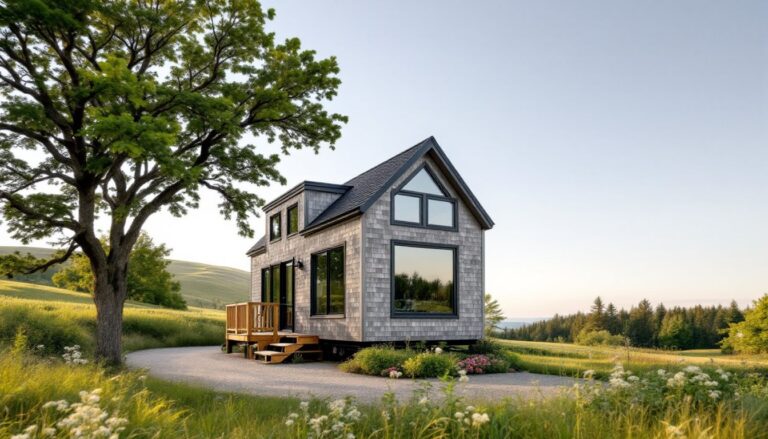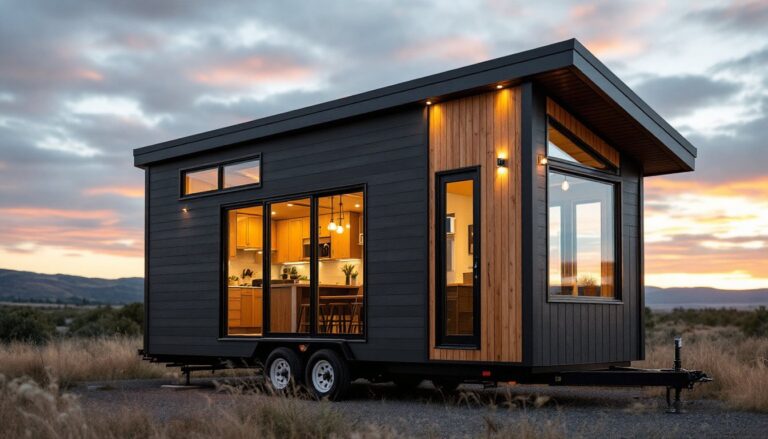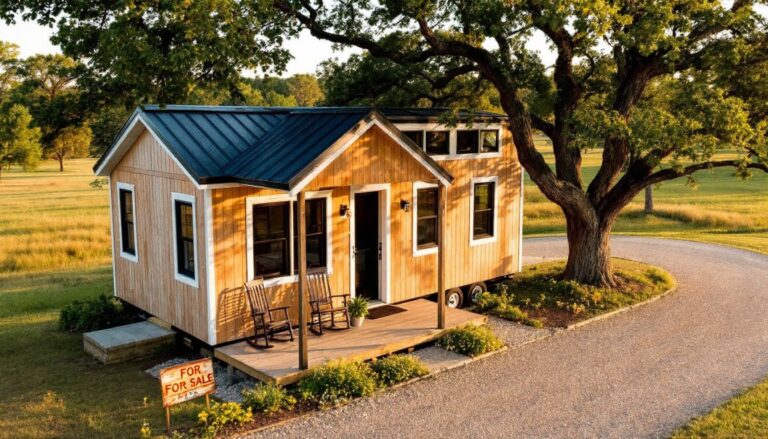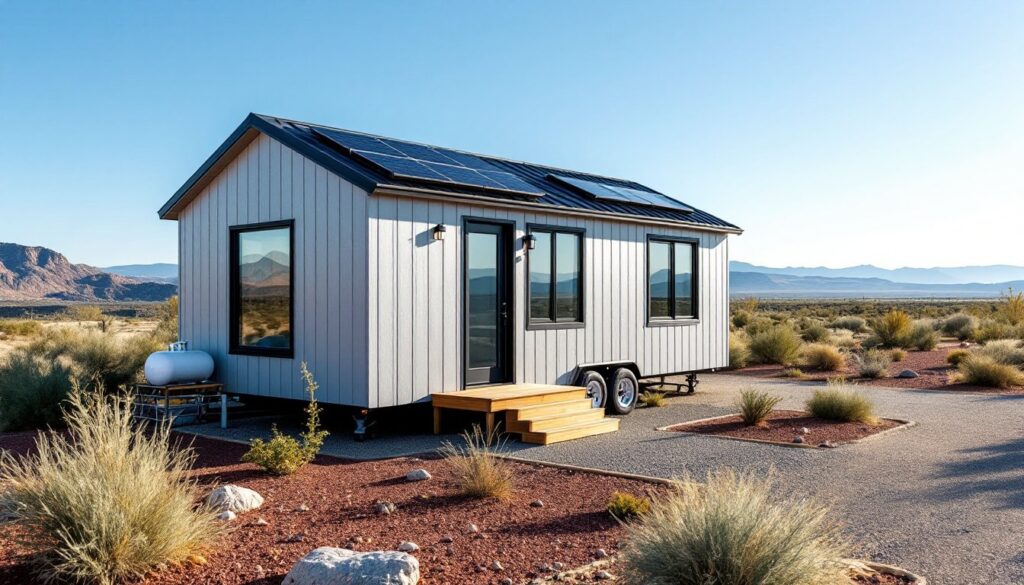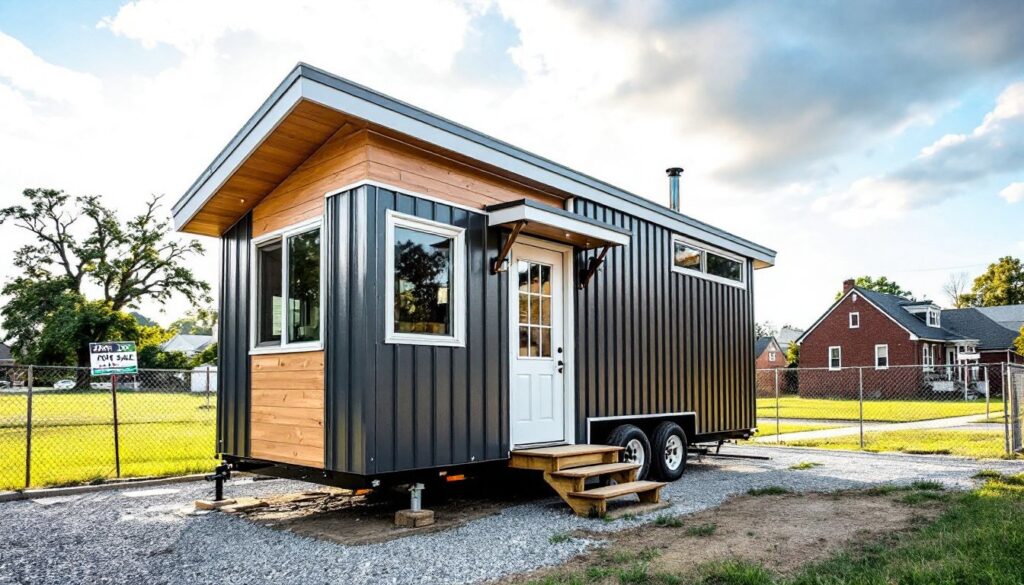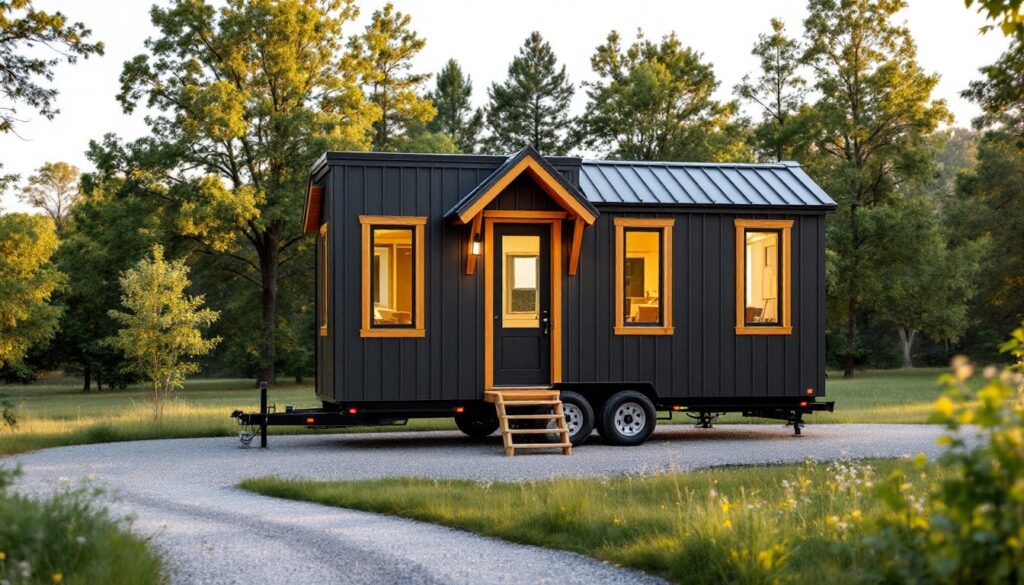

Firefly Tiny Homes has carved out a niche in the compact living market by combining thoughtful design with practical construction. These aren’t hobbyist sheds or weekend experiment builds, they’re engineered homes on wheels or foundations, built to meet RVIA or IRC standards depending on configuration. For anyone weighing downsizing, financial flexibility, or off-grid living, understanding what Firefly offers, and where it falls short, makes all the difference between a smart investment and buyer’s remorse.
Table of Contents
ToggleKey Takeaways
- Firefly Tiny Homes specializes in engineered structures ranging from 120 to 400 square feet, offering both RVIA-certified mobile models and IRC-compliant foundation options designed for full-time living.
- Pricing for Firefly Tiny Homes ranges from $50,000 for a 20-foot shell to $95,000+ for turnkey models, with additional costs for land, delivery (up to $5 per mile), foundation work, and upgrades like solar systems or custom finishes.
- Firefly’s semi-custom approach uses quality materials including closed-cell spray foam insulation, engineered framing, and European-style windows, positioning the brand above entry-level builders but below luxury custom options.
- Before purchasing, confirm local zoning laws with your planning department, as many municipalities don’t allow tiny homes as primary residences or restrict where RVIA-certified models can be placed.
- Financing for Firefly models typically requires 20-30% down payment, with RV loans for trailer models and construction or personal loans for foundation models, though conventional mortgages for tiny homes remain rare.
- Resale values and secondary market availability for tiny homes remain unpredictable, so buyers should view Firefly purchases as long-term commitments rather than quick investments.
What Are Firefly Tiny Homes?
Firefly Tiny Homes is a builder specializing in small-scale residential structures, typically ranging from 120 to 400 square feet. The company offers both RVIA-certified trailers (classified as RVs for legal and insurance purposes) and foundation models that comply with International Residential Code (IRC) Appendix Q standards where adopted.
Most Firefly units feature steel trailer frames with tandem or triple axles, depending on length. The frames support engineered lumber framing (not dimensional 2x4s in many cases), closed-cell spray foam insulation, and metal or composite exterior cladding. Electrical systems are wired to NEC Article 551 (RV standard) for wheeled models or Article 310 (residential) for permanent foundations.
Firefly positions itself in the mid-range tiny home market, above DIY kits but below custom luxury builders. The company uses a semi-custom approach: buyers select from base floor plans, then modify finishes, appliances, and optional upgrades. This keeps costs predictable while allowing some personalization.
One key distinction: Firefly builds are designed for full-time living, not weekend getaways. That means potable water systems, full-height doorways, and permanent sleeping lofts with code-compliant ladder or stair access. If zoning allows, these homes can serve as primary residences, ADUs (accessory dwelling units), or rental income properties.
Popular Firefly Tiny Home Models and Floor Plans
Firefly’s lineup centers on three core models, each optimized for different living priorities.
The Inspiration Series (20-24 feet) suits solo dwellers or couples who prioritize mobility. These models typically include a sleeping loft accessed by a ship’s ladder, a wet bath (combined shower and toilet), and a single-burner cooktop. Ceiling height maxes out at 13’6″ total to stay road-legal without oversize permits in most states.
The Liberty Series (26-30 feet) adds a ground-floor bedroom option, eliminating the need to climb into a loft every night. This layout appeals to older buyers or anyone with mobility concerns. Expect a full-size refrigerator, three-burner range, and space for a stackable washer/dryer. Towing requires a one-ton pickup with proper brake controller and weight-distribution hitch.
The Foundation Series is built on permanent piers or slab, not wheels. These homes stretch up to 400 square feet and can include features like full-size bathtubs, standard 36-inch doorways, and porch overhangs. Because they’re not trailer-mounted, builders have more freedom with floor plans and material choices. Foundation models often qualify for conventional mortgages if zoned residential.
Most Firefly floor plans use an open-concept main area with the kitchen, dining, and living space flowing together. Storage is integrated into stair treads, under benches, and in toe-kick drawers. Sleeping lofts typically measure 42-48 inches in headroom, enough to sit up in bed, but not stand. Anyone over 6 feet tall should test a loft mockup before committing.
Cost and Pricing: What to Expect When Buying a Firefly Tiny Home
Base pricing for Firefly Tiny Homes starts around $50,000 for a 20-foot shell (framing, insulation, windows, and doors but no interior finishes) and runs up to $95,000 for a turnkey 30-foot model with mid-grade appliances and finishes. Foundation models top out near $120,000 depending on site prep and local labor rates.
Those figures don’t include land, utility hookups, or delivery. Transporting a tiny home more than 500 miles can add $3-$5 per mile, and pilot cars or permits may be required for wider models. If placing the home on a foundation, budget another $8,000-$15,000 for a pier-and-beam or slab foundation, plus septic or sewer connection if not already available.
Upgrades that commonly push costs higher:
- Off-grid solar packages (3-5 kW with battery storage): $12,000-$18,000
- Composting or incinerating toilets: $1,200-$2,500
- Propane or mini-split HVAC: $2,000-$4,500
- Upgraded appliances (convection oven, dishwasher drawer): $1,500-$3,000
- Custom cabinetry or hardwood flooring: $3,000-$6,000
Financing is tricky. RVIA-certified models qualify for RV loans (typically 10-15 years at 5-8% APR), while foundation models may qualify for construction or personal loans. Few lenders offer conventional mortgages for tiny homes under 600 square feet. Expect a down payment of 20-30% and proof that the home will be placed on owned or leased land with proper zoning.
For buyers exploring options in emerging tiny home markets, checking availability in areas like Tiny Homes For Sale can provide pricing context.
Key Features and Design Elements of Firefly Homes
Firefly’s construction approach balances weight, durability, and thermal performance, three factors that often conflict in tiny home builds.
Framing and Structure: Most models use steel C-channel trailer frames rated for highway towing. Wall framing is either 2×4 studs on 16-inch centers or engineered lumber (LVL or LSL) to reduce weight without sacrificing strength. Roof trusses are typically engineered to handle snow loads of 20-40 psf, depending on buyer’s region.
Insulation and Climate Control: Walls get closed-cell spray foam (R-13 to R-21), which air-seals and insulates in one pass. Roofs often receive R-30 or higher. Windows are dual-pane with Low-E coatings. Most buyers add a mini-split heat pump for efficient heating and cooling, though some opt for propane furnaces in colder climates.
Electrical and Plumbing: Electrical panels are typically 100-amp for foundation models and 30- or 50-amp RV-style for trailers. Plumbing uses PEX tubing with a manifold system for easy winterization. Tankless water heaters (propane or electric) are standard, sized for 1.5-2.0 GPM flow.
Interior Finishes: Expect luxury vinyl plank (LVP) flooring, shiplap or drywall walls, and butcher-block or laminate countertops. Cabinets are typically plywood with soft-close hinges. Firefly avoids particleboard and MDF in favor of materials that handle humidity and road vibration.
An interesting design choice: Firefly uses European-style windows (tilt-and-turn or awning) that seal tighter than standard sliders. This reduces air infiltration but costs more upfront. For those interested in off-grid capabilities, many Firefly owners integrate solar-powered tiny homes setups for energy independence.
Pros and Cons of Choosing Firefly Tiny Homes
Advantages:
- Build Quality: Firefly uses better-than-average materials and construction techniques compared to entry-level builders. Spray foam insulation and engineered framing improve durability and energy efficiency.
- Customization: The semi-custom model lets buyers pick finishes and layouts without paying full custom prices.
- Code Compliance: RVIA or IRC certification means the home meets minimum safety and construction standards, which helps with insurance and resale.
- Foundation Options: Offering both trailer and foundation models gives buyers flexibility based on zoning and lifestyle.
Disadvantages:
- Cost: Firefly sits in the mid-to-upper price range. Buyers can find cheaper options, though often with lower build quality.
- Lead Times: Custom builds can take 6-12 months from deposit to delivery, longer during supply chain disruptions.
- Zoning Challenges: Even with IRC compliance, many municipalities don’t allow tiny homes as primary residences. Buyers need to confirm zoning before purchasing. Some areas require homes to be connected to municipal utilities, which adds cost.
- Resale Market: The secondary market for tiny homes is still developing. Resale values are unpredictable, and finding a buyer can take time.
Safety and Permits: Trailer-mounted homes must be titled and registered like RVs. Foundation models require building permits in most jurisdictions, and inspections will check for compliance with local codes. Always confirm with your local building department before finalizing plans.
A practical comparison can be found in a tiny house village that showcases Firefly’s real-world performance in a community setting.
How to Get Started with Your Firefly Tiny Home Purchase
Step 1: Confirm Zoning and Land Access
Before contacting Firefly, verify that you can legally place a tiny home on your intended site. Call your local planning or zoning department and ask:
- Are structures under 400 square feet allowed as primary residences?
- Do RVIA-certified homes qualify, or only IRC-compliant foundations?
- What setbacks, utility connections, and permits are required?
If placing the home on someone else’s property, get written permission and confirm their zoning allows it. Some areas restrict RVs to campgrounds or require them to be hidden from street view.
Step 2: Arrange Financing
Contact lenders who specialize in RV loans (for trailer models) or personal/construction loans (for foundation models). Have your credit score, income documentation, and land details ready. If you’re using the home as an retirement tiny home or investment property, mention that, it may affect loan terms.
Step 3: Choose a Model and Finishes
Review Firefly’s base floor plans and decide which layout fits your needs. Consider:
- Will you tow the home regularly, or is it semi-permanent?
- Do you need ground-floor sleeping?
- What appliances are non-negotiable (dishwasher, full-size fridge, etc.)?
Request a detailed quote with all upgrades itemized. Ask about lead times, deposit structure, and warranty coverage.
Step 4: Plan Site Prep and Utilities
For foundation models, hire a contractor to pour piers or a slab before delivery. For trailer models, level the site and install utility hookups (30- or 50-amp electrical, water, and sewer or septic). Some buyers park tiny homes on gravel pads with temporary hookups while they finalize permanent utilities.
Step 5: Coordinate Delivery and Inspection
Firefly will arrange transport or provide the home for buyer pickup (if you have a suitable tow vehicle and experience). Once on-site, hire an inspector familiar with RVIA or IRC standards to check for shipping damage or construction defects. Document everything before final payment.
For those exploring regional options, reviewing bespoke tiny homes can offer additional customization ideas. Also, exploring tiny home grant programs may uncover financial assistance opportunities.
Conclusion
Firefly Tiny Homes delivers a solid mid-range product for buyers who want better construction than entry-level options but can’t justify full custom pricing. The company’s focus on code compliance and semi-custom layouts gives buyers flexibility without chaos. Just don’t skip the assignments: confirm zoning, secure financing, and budget for site prep and delivery. Compact living works when the details are handled upfront.