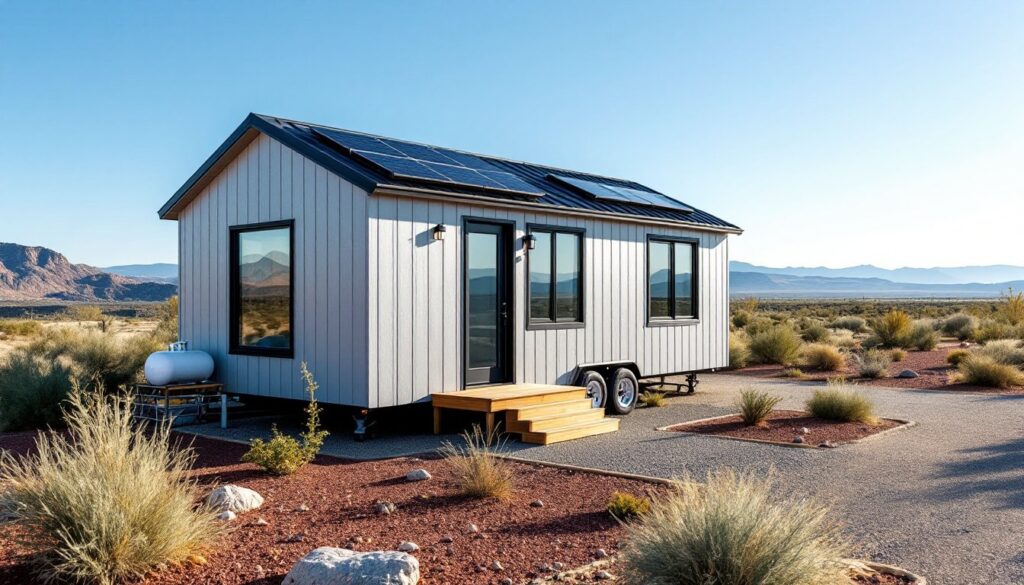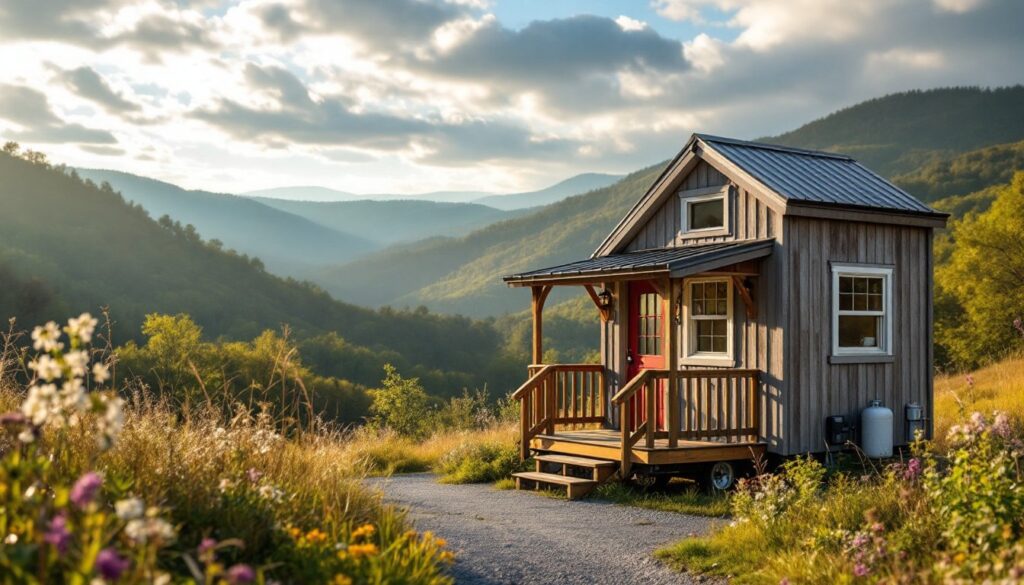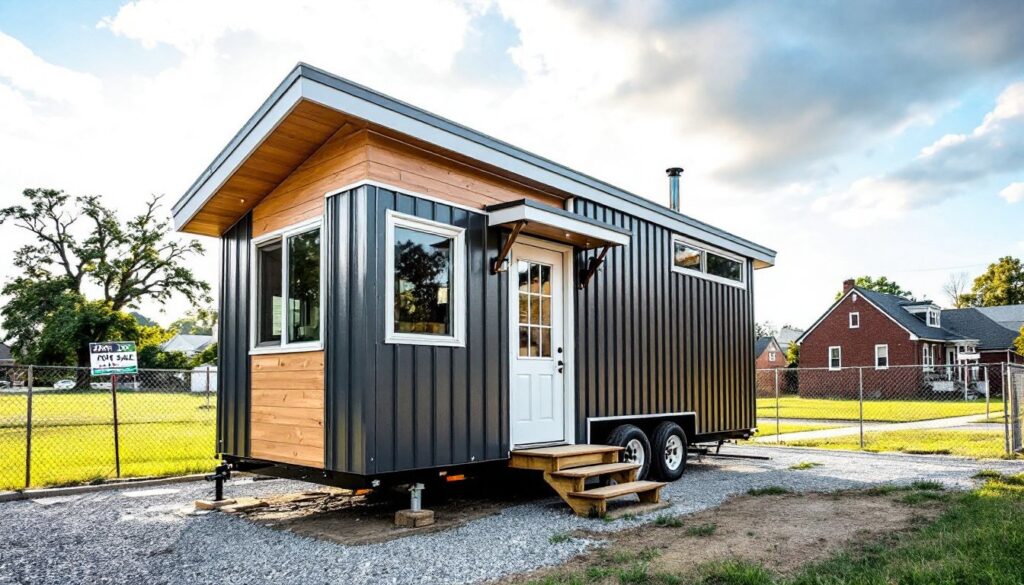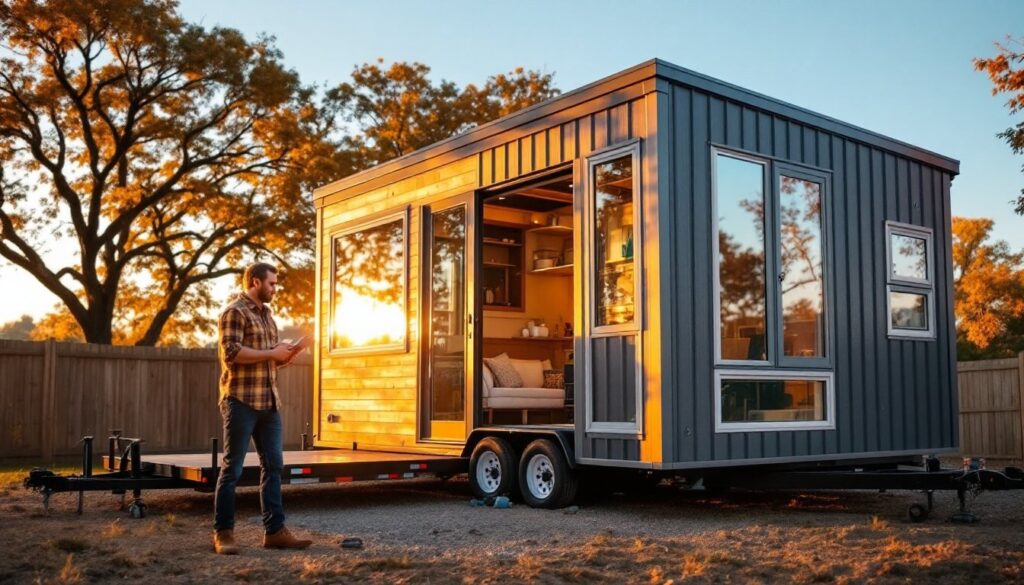

Foldable tiny homes aren’t science fiction anymore, they’re shipping on flatbeds, unfolding in backyards, and solving housing problems from California to Colorado. These prefabricated, collapsible structures can transform from a compact shipping container into a fully functional dwelling in hours, not months. They combine the affordability and mobility of traditional tiny homes with deployment speed that makes even modular construction look sluggish. Whether you’re eyeing a backyard ADU, a remote jobsite office, or an off-grid escape, foldable designs deserve a hard look before you commit to stick-built or standard modular options.
Table of Contents
ToggleKey Takeaways
- Foldable tiny homes deploy in hours to days without oversize shipping permits, making them significantly cheaper and faster than stick-built or traditional modular construction.
- Base prices for foldable tiny homes range from $20,000–$80,000 fully equipped, a fraction of median home prices, with total project costs rarely exceeding $100,000 when including foundation and utilities.
- Zoning and permitting are critical hurdles; many jurisdictions lack code provisions for foldable structures, so verify local ADU ordinances and building requirements before purchasing.
- Financing foldable tiny homes requires personal loans, RV loans, or construction loans since traditional mortgage lenders typically won’t finance units under minimum square footage thresholds.
- Setup involves precise site preparation, foundation work ($3,000–$10,000), utility connections ($5,000–$15,000), and proper anchoring to meet wind and seismic codes.
What Are Foldable Tiny Homes?
A foldable tiny home is a factory-built dwelling engineered to collapse for transport and expand on-site. Think of it as origami architecture with structural integrity. Most designs use a steel chassis or frame that supports hinged wall panels, roof sections, and floor extensions. When folded, the unit measures roughly 8–10 feet wide by 20–40 feet long, standard shipping dimensions that fit on a flatbed truck without oversize permits.
Once delivered, hydraulic jacks, manual cranks, or electric actuators unfold the structure. Walls swing out, the roof lifts, and interior partitions lock into place. Total setup time ranges from two hours to one day, depending on model complexity and whether plumbing and electrical hookups are pre-installed. Most units arrive with insulation, windows, doors, and interior finishes already in place, so you’re not dealing with bare studs.
Materials vary by manufacturer. Steel frames dominate for durability and load-bearing capacity, while wall panels often use SIPs (structural insulated panels) or composite sandwich panels for insulation and rigidity. Exterior cladding ranges from corrugated metal to fiber cement or wood-look composites. Floor systems typically consist of plywood or OSB decking over steel joists, with R-19 to R-30 insulation in colder climates.
Key distinction: These aren’t pop-up campers. They’re engineered to meet residential building codes (where applicable) and designed for year-round occupancy, not seasonal camping.
Why Foldable Tiny Homes Are Gaining Popularity
Shipping costs are the silent killer of modular and prefab construction. A standard modular home requires a pilot car, route surveys, and sometimes utility line lifts, easily adding $5,000–$15,000 to your budget. Foldable units avoid those fees because they ship as standard freight. That’s a big deal if you’re building in a rural area or dealing with narrow access roads.
Construction timelines have stretched post-pandemic. Stick-built projects face permitting delays, subcontractor shortages, and material backorders. Factory-built foldables bypass most of those bottlenecks. Production happens in a controlled environment with standardized workflows, and you’re not waiting on a framing crew to show up between rainstorms. Deployment speed matters for disaster relief, workforce housing, and anyone who needs shelter now, not next year.
Real estate prices in urban and mountain markets have made traditional housing unaffordable for middle-income buyers. Foldable tiny homes offer a pathway to ownership without a six-figure mortgage. They’re also popular as accessory dwelling units (ADUs) in cities with relaxed zoning, providing rental income or multigenerational housing without a major addition.
The rise of remote work and digital nomadism feeds demand, too. Professionals who can work from anywhere are choosing lifestyle flexibility over square footage. If your office fits in 400 square feet and you’d rather spend money on experiences than a 30-year note, a foldable home makes sense. Publications like Dwell regularly feature compact, efficient designs that prioritize function and mobility.
Key Benefits of Choosing a Foldable Tiny Home
Lower upfront cost is the most obvious advantage. Base models start around $20,000–$40,000 for a bare-bones shell, while turnkey units with appliances, fixtures, and finishes run $50,000–$80,000. That’s a fraction of median home prices in most U.S. markets. You’ll still need to budget for site prep, foundation work (more on that below), and utility connections, but total project costs rarely exceed $100,000.
Faster occupancy means you’re not burning rent money while waiting for construction to finish. From order to move-in, expect 8–16 weeks depending on manufacturer lead times and site readiness. Compare that to 6–12 months for stick-built or 4–6 months for traditional modular.
Portability isn’t just theoretical. If you relocate for work, sell your property, or decide you hate your neighbors, you can fold the home, load it on a truck, and move it. Resale value holds better than RVs because you’re selling a dwelling, not a depreciating vehicle. Some owners treat them as tiny home investments, moving units between rental markets or selling them to new buyers.
Minimal site disruption appeals to environmentally conscious buyers. You’re not staging heavy equipment for months, excavating huge foundations, or generating dumpsters full of construction waste. A small crane or forklift, a level pad, and a few hookups get you operational. That makes foldable homes viable on sensitive sites where traditional construction would cause erosion or habitat damage.
Energy efficiency comes standard in most designs. Compact floor plans reduce heating and cooling loads, and modern insulation packages (spray foam, SIPs, or rigid foam) keep conditioned air inside. Pair that with solar-powered systems and you can achieve net-zero energy consumption in sunny climates.
Popular Foldable Tiny Home Designs and Models
Boxabl Casita is the most recognized name in this space, thanks to viral marketing and a high-profile Elon Musk rumor. The unit unfolds to 375 square feet, includes a full kitchen, bathroom, and living area, and ships for around $60,000. Steel frame, EPS foam core panels, and a modular utility spine make hookups straightforward. It’s engineered to meet IRC (International Residential Code) standards, though local permitting is still your responsibility.
Brette Haus offers a premium Scandinavian-inspired design with floor-to-ceiling windows and a folding roof system. The 387-square-foot model emphasizes natural light and clean lines, appealing to buyers who want aesthetics along with function. Price point is higher, expect $80,000–$100,000, but finishes include hardwood flooring, quartz counters, and European fixtures.
Ten Fold Engineering targets commercial and humanitarian markets with units that unfold to 645 square feet. Hydraulic deployment takes about eight minutes, and the design accommodates office layouts, medical clinics, or temporary housing. These aren’t budget options (around $130,000–$150,000), but they’re built for durability and repeated relocation.
MODS International produces smaller 160–320 square foot units for backyard studios, home offices, or guest quarters. Their designs prioritize simplicity and DIY-friendly setup, with manual crank systems and modular panel construction. Pricing starts around $25,000 for a shell, making them accessible for homeowners who want to handle interior finishes themselves. Similar flexibility is seen in the bespoke tiny homes market, where customization drives design.
Most manufacturers offer customization: add solar panels, upgrade windows to low-E glass, swap standard fixtures for high-efficiency models, or reconfigure interior walls. Expect lead times to increase if you deviate from stock configurations.
What to Consider Before Buying a Foldable Tiny Home
Zoning and permitting will make or break your project. Many jurisdictions don’t have code provisions for foldable structures, so inspectors default to manufactured home or RV regulations, or reject the permit outright. Research local ADU ordinances, minimum square footage rules, and setback requirements before you write a deposit check. Some manufacturers provide engineering stamps and ICC-ES reports to help with code compliance, but that doesn’t guarantee approval.
Foundation requirements vary by soil type, climate, and local code. Most foldable homes work on pier-and-beam foundations, helical piers, or concrete slabs. Avoid placing them directly on grade unless the manufacturer explicitly allows it and your soil drains well. Frost heave, settling, and moisture intrusion will destroy your investment faster than you can say “structural warranty.” Budget $3,000–$10,000 for foundation work depending on site conditions.
Utility connections aren’t plug-and-play. You’ll need a licensed electrician to run service from your panel or meter (expect 100-amp or 200-amp service depending on HVAC and appliances), a plumber for water and sewer hookups, and possibly an HVAC contractor if you’re adding split systems or heat pumps. Some units come with mini-split heat pumps pre-installed: others leave climate control to the buyer. Factor in $5,000–$15,000 for full utility hookups if you’re starting from raw land.
Access and delivery logistics matter. A flatbed truck needs a clear path at least 12 feet wide and overhead clearance of 14 feet. Tight driveways, low-hanging branches, and soft soil can stop delivery cold. Walk your property with a measuring tape and satellite imagery before committing.
Financing is tricky. Traditional mortgage lenders rarely finance tiny homes because they don’t meet minimum square footage thresholds or aren’t permanently affixed to real property. You’ll likely need a personal loan, RV loan, or construction loan with higher interest rates and shorter terms. Some buyers pay cash or finance through home equity lines if they’re adding an ADU to existing property. The affordability of tiny homes on wheels under $10,000 illustrates how alternative markets address financing challenges.
Resale and insurance deserve attention. Insuring a foldable home often requires specialized carriers who cover park models, modular homes, or manufactured dwellings. Standard homeowners’ policies won’t apply. Get quotes before you buy. Resale depends on local demand and whether the home is titled as real property or personal property.
Setting Up Your Foldable Tiny Home: A Step-by-Step Guide
1. Prepare the site. Clear vegetation, grade for drainage, and install your foundation. Ensure the pad is level within 1/4 inch over 10 feet, use a laser level or long straightedge. If you’re on a slope, you’ll need more extensive foundation work (piers or a raised platform). Compact the soil or lay a gravel base to prevent settling.
2. Coordinate delivery. Confirm delivery windows with the manufacturer and arrange for a crane or forklift if needed. Most units weigh 8,000–15,000 pounds, so a standard pickup won’t cut it. Have your utility trenches dug and conduit/plumbing stubbed out before the home arrives, you don’t want to excavate around a deployed structure.
3. Unfold the structure. Follow the manufacturer’s deployment instructions exactly. Hydraulic systems require a power source (generator or shore power): manual systems need a crew of 2–4 people and basic hand tools. Lock all hinges, bolts, and latches per the checklist. Double-check that floor sections are flush and walls are plumb before moving to the next step.
4. Anchor the home. Use ground anchors, helical piers, or foundation bolts to secure the chassis. This isn’t optional, wind uplift and seismic forces can shift or damage an unanchored structure. Most codes require 4–8 anchors depending on unit size and wind zone. Resources like Apartment Therapy often highlight how anchoring and site prep impact long-term stability in compact living setups.
5. Connect utilities. Run electrical from your service panel through weatherproof conduit into the home’s breaker box. Connect water supply and waste lines, pressure-test for leaks, and install shutoff valves. If you’re on septic, confirm your system can handle the additional load. PPE reminder: Wear gloves when handling PVC primer and cement, and use safety glasses during electrical work.
6. Inspect and test systems. Turn on water, check for leaks at all fixtures, and cycle the water heater. Flip breakers and verify outlets, lights, and appliances function. Test HVAC, let it run for an hour to confirm it holds temperature. Check windows and doors for proper sealing and operation. Look for gaps, cracks, or misaligned panels that need caulk or adjustment.
7. Schedule inspections. If your jurisdiction requires them, call for rough and final inspections before you move in. Failing to get sign-off can complicate insurance and resale. While trends in tiny container homes show growing acceptance, inspectors still scrutinize non-traditional construction closely.
8. Finish interior details. Install shelving, hang curtains, connect appliances, and personalize your space. Some buyers add interior partition walls or loft sleeping areas: just confirm any modifications won’t void the structural warranty. Regional design inspiration is abundant, for instance, tiny homes in Colorado often integrate mountain-modern aesthetics and cold-climate upgrades.
Conclusion
Foldable tiny homes eliminate many barriers that keep people out of homeownership, cost, construction timelines, and site disruption. They’re not a fit for everyone, especially if local zoning treats them like RVs instead of dwellings. But for buyers who value affordability, speed, and flexibility, they’re worth serious consideration. Do your assignments on permits, foundation requirements, and financing before you commit. If those boxes check, you could be unpacking dishes in your new home within weeks, not years.