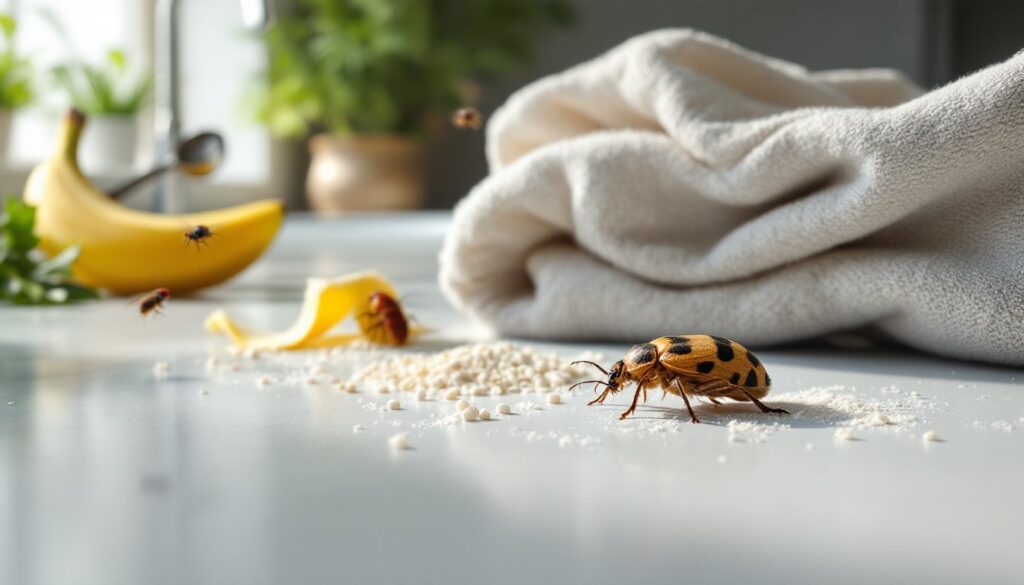

Finding small brown bugs with wings crawling or flying around the house triggers immediate questions: What are they? Where did they come from? And most importantly, how does one get rid of them? These tiny invaders aren’t always easy to identify at a glance, but knowing exactly which pest has moved in determines the most effective removal strategy. This guide breaks down the most common culprits, walks through visual identification methods, and explains what’s drawing them inside in the first place.
Table of Contents
ToggleKey Takeaways
- Small brown bugs with wings in your house typically include carpet beetles, drugstore beetles, fruit flies, and fungus gnats—each requiring different identification and removal methods.
- Accurate identification using body shape, size, antennae, and flight behavior determines the most effective control strategy for small brown winged bugs.
- Food sources, moisture, and unsealed entry points attract these pests indoors; eliminate them by storing pantry goods in airtight containers, fixing leaks, and sealing cracks and gaps.
- Carpet beetle larvae damage fabrics and stored goods, while fruit flies and fungus gnats reproduce rapidly in fermenting organic matter and overwatered soil—rapid response prevents infestations from exploding.
- Routine cleaning, weekly vacuuming, prompt trash removal, and reducing humidity significantly reduce populations, but persistent infestations may require professional pest control treatment.
What Are These Tiny Brown Flying Bugs in Your Home?
Most tiny brown bugs with wings found indoors measure between 1/16 to 1/4 inch long, small enough that they’re easily missed until they start appearing in numbers. The term “tiny brown bug” covers several distinct species, and they vary in behavior, habitat preference, and the level of nuisance they cause.
The presence of wings is a key identifier. Some species, like carpet beetles, have hardened outer wing covers (elytra) and rarely fly indoors. Others, like fruit flies and fungus gnats, are active fliers that buzz around light sources, drains, or food. Body shape, movement pattern, and location within the home all contribute to accurate identification.
These pests typically enter homes through open windows, cracks in foundations, or gaps around doors and utility penetrations. Some hitch a ride on groceries, houseplants, or secondhand furniture. Others breed indoors when conditions, moisture, food sources, or undisturbed organic material, are favorable. The good news: most of these bugs aren’t dangerous to humans, but they can damage fabrics, contaminate food, or simply become a persistent annoyance if left unchecked.
Common Types of Small Brown Winged Bugs Found Indoors
Carpet Beetles
Carpet beetles (family Dermestidae) are among the most frequently misidentified household pests. Adults measure 1/8 to 3/16 inch and have oval bodies covered in tiny scales that create mottled brown, tan, or mixed-color patterns. They’re slow-moving and rarely fly during the day, preferring to crawl along baseboards, window sills, and closet floors.
The real trouble starts with the larvae, fuzzy, carrot-shaped grubs covered in bristles. Larvae feed on natural fibers including wool, silk, fur, feathers, and even pet hair. They’ll chew irregular holes in carpets, clothing, upholstered furniture, and stored blankets. Adults feed on pollen and nectar, so they’re often found near windows in spring when they’re seeking an exit after overwintering indoors.
Control involves thorough vacuuming of baseboards, closets, and under furniture, along with laundering or dry-cleaning affected textiles. Infestations in wall voids or behind baseboards may require residual insecticide treatment by a licensed pest control professional.
Drugstore and Cigarette Beetles
Drugstore beetles (Stegobium paniceum) and cigarette beetles (Lasioderma serricorne) are nearly identical in appearance and behavior. Both measure about 1/10 to 1/8 inch, with cylindrical, reddish-brown to tan bodies and humped backs. They’re strong fliers, especially in warm conditions, and are often spotted circling overhead lights at night.
These pantry pests infest a remarkable range of stored products: flour, cereal, spices, dried fruit, pet food, birdseed, dried flowers, and even prescription medications or tobacco products. Infestations often begin with contaminated bulk goods or products that sat too long on a warehouse shelf. Homeowners typically notice the adults flying near kitchen cabinets or find tiny exit holes in cardboard packaging.
Elimination requires locating and discarding all infested food items. Check every dry good in the pantry, including unopened packages, beetles can chew through cardboard, paper, and thin plastic. Vacuum shelves thoroughly, wipe them down, and consider storing susceptible items in airtight glass or heavy plastic containers. Pheromone traps can monitor for lingering activity but won’t solve an active infestation on their own.
Fruit Flies and Fungus Gnats
Fruit flies (Drosophila spp.) are 1/8 inch long with tan or light brown bodies, bright red eyes, and slow, lazy flight patterns. They’re drawn to fermenting organic matter, overripe fruit, vegetable scraps, dirty drains, recycling bins, and even damp mop heads. A single banana peel in the compost can support dozens of fruit flies within a week.
Fungus gnats (families Mycetophilidae and Sciaridae) are 1/8 inch or smaller, with dark bodies, long legs, and delicate wings. They’re weak fliers that tend to hover around houseplants, sinks, or basement windows. Their larvae live in the top 2–3 inches of potting soil, feeding on organic matter and sometimes plant roots. Overwatered houseplants are the primary breeding ground indoors.
Both species reproduce rapidly, life cycles as short as 8 to 10 days, so populations can explode if breeding sites aren’t addressed. Removing food and moisture sources is the first line of defense. For fruit flies, clean drains with a stiff brush and enzymatic cleaner, store produce in the refrigerator, and empty trash daily. For fungus gnats, allow potting soil to dry between waterings, apply a layer of sand or diatomaceous earth to the soil surface, and use yellow sticky traps to catch adults.
How to Identify Which Bug You’re Dealing With
Accurate identification starts with close observation. Use a magnifying glass or smartphone macro lens to examine a specimen. Note the body shape: Is it round and beetle-like, or slender and fly-like? Check the antennae, beetles have clubbed or segmented antennae, while flies have short, inconspicuous ones.
Size matters. Measure the bug against a ruler or compare it to a grain of rice. Carpet beetles are usually closer to 1/8 inch, while fruit flies hover around 1/8 inch but appear more delicate. Drugstore beetles are compact and cylindrical: fungus gnats are leggy and fragile.
Flight behavior is a strong clue. Fruit flies and fungus gnats are active, constant fliers. Carpet beetles rarely take off and prefer to crawl. Drugstore and cigarette beetles fly in short bursts, especially at night, and are attracted to light.
Location and context narrow it down further. Bugs near houseplants or damp basements are likely fungus gnats. Pests around fruit bowls, trash cans, or drains point to fruit flies. Specimens in closets, along carpet edges, or on window sills suggest carpet beetles. Bugs emerging from pantry goods indicate stored product beetles.
For persistent or uncertain cases, capture a specimen in a small vial or clear plastic bag and contact a local Cooperative Extension office. Many offer free or low-cost pest identification services. Online resources and comparison photos help, but entomologists provide definitive answers and regionally specific control recommendations. Similar issues occur with identifying tiny black bugs that appear in other parts of the home.
Why These Bugs Are Attracted to Your Home
Small brown bugs with wings don’t invade randomly, they’re following signals that indicate food, moisture, or shelter. Food sources vary by species. Carpet beetles seek natural fibers, pet dander, and dead insects trapped in wall voids or under baseboards. Stored product beetles need dry goods: grains, spices, pasta, and even decorative items like dried flowers. Fruit flies require fermenting organic matter, which can include a splash of spilled juice, residue in a recycling bin, or decaying vegetable matter in a garbage disposal.
Moisture and humidity are major attractants. Fungus gnats thrive in overwatered soil, damp basements, and areas with poor ventilation. Fruit flies congregate near damp mops, leaky pipes, and standing water in sink drains. Even a slow drip under a sink can support a breeding population if left unaddressed.
Access points matter. Gaps around windows and doors, torn screens, and cracks in foundation walls allow outdoor beetles and flies to enter. Pantry pests usually arrive via infested products purchased at the store. Houseplants brought in from a nursery or garden center often carry fungus gnat larvae in the potting mix.
Environmental conditions inside the home also play a role. Warm temperatures speed up insect reproduction. Poor housekeeping, crumbs, spills, neglected trash, provides ongoing food. Clutter offers undisturbed hiding spots for beetles to lay eggs and larvae to mature. Seasonal factors influence activity, too: carpet beetles are most active in spring when adults emerge and attempt to exit the home, while fruit fly and gnat populations peak in late summer and fall when garden produce and humidity levels are high.
Effective prevention requires cutting off these attractants. Seal cracks and gaps with caulk or weatherstripping. Install tight-fitting screens on windows and vents. Store pantry goods in airtight containers made of glass or heavy plastic. Clean up spills immediately, take out trash daily, and run the garbage disposal regularly with cold water and a bit of dish soap. Reduce indoor humidity with exhaust fans, dehumidifiers, or improved ventilation. Inspect houseplants before purchase and quarantine new arrivals for a few weeks. For long-term home organization tips, focus on minimizing clutter in closets and storage areas where beetles can hide.
Routine cleaning disrupts breeding cycles. Vacuum carpets, baseboards, and upholstered furniture weekly, paying special attention to edges and crevices. Empty the vacuum bag or canister outdoors immediately to prevent beetles from crawling back out. Wipe down pantry shelves, check expiration dates, and rotate stock to use older items first. These steps reduce food and habitat availability, making the home far less attractive to small brown winged bugs. When basic elimination methods don’t resolve the problem within a few weeks, or if damage to textiles or contamination of food becomes extensive, it’s time to consult a licensed pest control professional for a thorough inspection and targeted treatment plan.