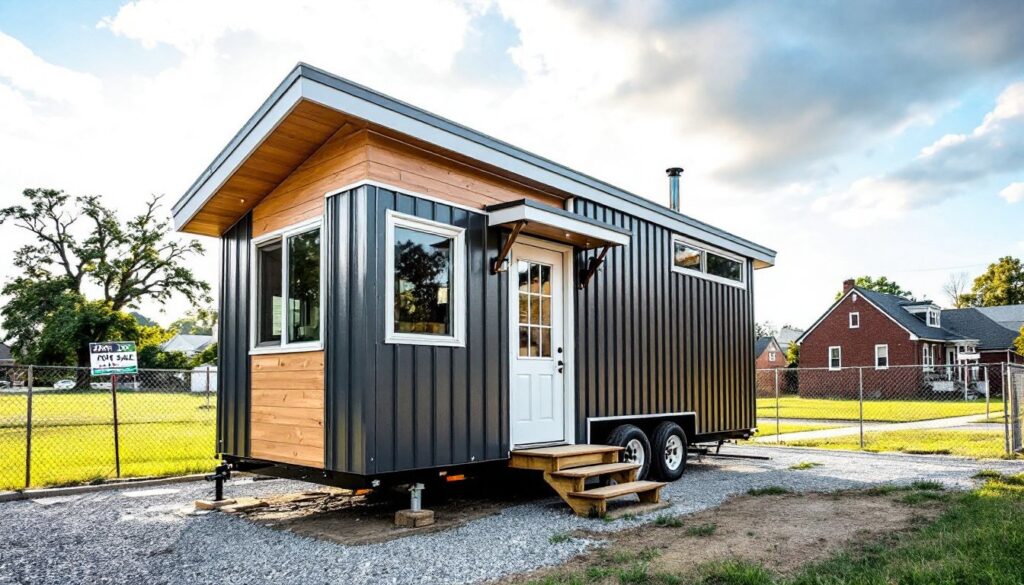

In the cozy world of tiny homes, every square inch counts—even the light! When you’re living in a space that could fit into a parking spot, the right lighting can transform it from a cramped cave into a stylish sanctuary. Imagine stepping into a tiny home that feels spacious and inviting, all thanks to clever lighting choices.
Overview of Tiny Home Lighting
Lighting in tiny homes plays a crucial role in maximizing functionality. A well-lit space creates an inviting atmosphere and visually expands the area. Consider natural light sources, such as windows and skylights, to enhance the overall feel of the home. Strategically placed fixtures can highlight specific areas, adding depth and interest.
LED lights offer energy efficiency and longevity, making them ideal for small spaces. They come in various styles, from recessed to pendant, allowing for seamless integration into design schemes. Dimmable options provide flexibility, adjusting the brightness for different activities.
Table lamps and wall sconces help to create cozy nooks for reading or relaxing. These fixtures also free up surface space while adding decorative touches. Overhead lighting options, like track or flush mounts, ensure adequate coverage throughout the tiny home.
Layering different types of lighting fosters versatility and functionality. Incorporating task lighting in work areas ensures that every task remains illuminated, while ambient lighting creates a comfortable overall glow. Accent lighting can draw focus to artwork or architectural features, enhancing the home’s aesthetic.
Choosing the right color temperature can impact mood and energy levels. Warmer tones create a relaxing environment, while cooler tones may promote productivity. It’s beneficial to consider the home’s color palette and design style when selecting lighting options.
Investing in quality lighting solutions can significantly elevate comfort and utility in a tiny home, ultimately transforming how the space is experienced.
Benefits of Proper Lighting
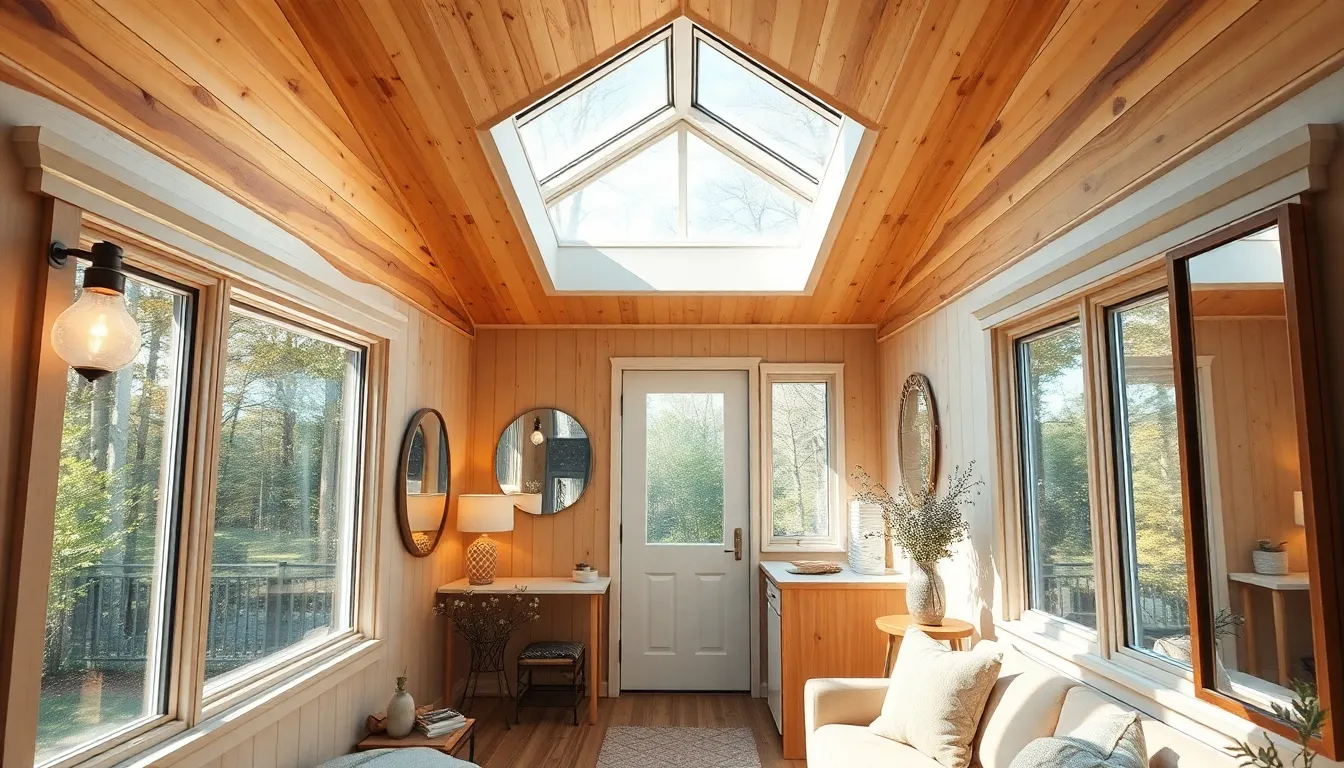
Proper lighting significantly impacts the functionality and ambiance of tiny homes. Effective lighting choices create a welcoming atmosphere and enhance space perception.
Enhancing Space Perception
Natural light sources, such as windows and skylights, expand the visual boundaries of tiny homes. Rooms feel larger and more inviting with the right mix of ambient and natural light. Dimmable fixtures allow for adaptable lighting that maintains an open feel, making spaces adaptable for different activities. Layering task, ambient, and accent lighting creates a harmonious environment, emphasizing areas that often go unnoticed. Utilizing mirrors also reflects light, further enhancing spatial perception. Choosing lighter color tones for bulbs brightens rooms and promotes a sense of openness.
Energy Efficiency
Energy-efficient lighting solutions reduce utility costs and minimize environmental impact. LED lights consume up to 75% less energy than traditional incandescent bulbs, making them an ideal choice for tiny homes. Long-lasting LED options can last over 25,000 hours, ensuring reduced replacement frequency. Incorporating motion sensors in lighting systems increases efficiency by activating only when needed. Sustainable choices contribute to a greener lifestyle, aligning with many tiny home philosophies. Prioritizing energy-efficient lighting optimizes both functionality and resource conservation in compact living spaces.
Types of Lighting Options
Selecting the right lighting plays a crucial role in enhancing the overall atmosphere of tiny homes. Various options exist to create a warm and inviting environment while maximizing space.
Ambient Lighting
Ambient lighting serves as the primary source of illumination in tiny homes. Ceiling-mounted fixtures and wall sconces provide even light distribution, ensuring that every corner receives adequate brightness. Warm LED bulbs create a cozy feel, promoting relaxation and comfort. Consider incorporating dimmable features to adjust brightness levels based on the time of day or activity. Skylights also offer an excellent way to enhance natural light, expanding the perceived space. Layering ambient light with other types of lighting elevates the overall experience of a compact living area.
Task Lighting
Task lighting focuses on specific areas where activities take place. It enhances functionality in key spots like kitchens and workspaces. Options include under-cabinet lighting and desk lamps, which provide concentrated light for tasks such as cooking or reading. Adjustable fixtures prove beneficial, allowing users to direct light exactly where needed. Bright, cool LED lights help with detail-oriented tasks, increasing productivity. Using multiple task lighting sources can eliminate shadows, making tiny spaces more usable for daily functions.
Accent Lighting
Accent lighting highlights specific features or areas within a tiny home. This type of lighting adds personality and depth to spaces. Wall-mounted picture lights or spotlights can draw attention to artwork or unique architectural elements. Such features create focal points, enhancing the visual interest of small areas. Colored LED strips or illuminated shelves can enhance ambiance while providing secondary lighting. Pairing accent lighting with other light types increases overall dynamism, making even the smallest living areas feel expansive and inviting.
Smart Lighting Solutions
Smart lighting offers innovative ways to enhance functionality in tiny homes. It combines convenience and control, allowing users to customize their environments effortlessly.
Benefits of Smart Technology
Smart lighting solutions increase energy efficiency, operating on lower energy consumption than traditional lighting systems. They often include automated features such as scheduling and remote control access, providing flexibility to homeowners. Customizable color temperatures enhance mood and productivity by adapting based on time of day or activity. Integration with home automation systems further enhances functionality, allowing users to sync lighting with other smart devices. The ability to monitor energy usage provides insight into consumption patterns, aligning with sustainable living practices.
Popular Smart Lighting Products
Smart bulbs, such as those from Philips Hue and Wyze, allow users to adjust brightness and colors via apps. Smart switches and dimmers simplify control of existing fixtures, making them an ideal upgrade for tiny homes. Motion-sensor lights, like those by Ring, activate automatically, ensuring safety and convenience. Smart LED strips add ambiance, easily installed in various locations for accent lighting. Home assistants, like Amazon Echo or Google Nest, integrate voice control seamlessly, making adjustments hands-free. Transform spaces with various products tailored for efficiency and style.
Tips for Effective Tiny Home Lighting
Effective lighting plays a vital role in tiny homes. Proper techniques create a warm atmosphere and enhance functionality in limited spaces.
Layering Light
Layering light involves combining various types of lighting for maximum effect. Ambient lighting provides overall illumination, while task lighting focuses on specific areas like kitchens and reading nooks. Accent lighting adds character, highlighting art or architectural details. Using dimmable fixtures allows adjustments depending on the time of day, creating a cozy vibe or a bright work environment. Homeowners achieve versatility by incorporating all three types, ensuring every area of the tiny home meets its lighting needs.
Choosing the Right Fixtures
Choosing the right fixtures enhances both style and functionality. Ceiling-mounted options work well for overall lighting, ensuring spaces remain open and airy. Wall sconces provide additional illumination without consuming valuable floor space. Using table lamps in multifunctional areas combines aesthetics with practicality, promoting surface efficiency. For specific tasks, under-cabinet lighting in kitchens brightens workspaces effectively. Selecting energy-efficient LED options contributes to lower utility bills and long-term sustainability, aligning with eco-friendly living principles. Opting for modern designs can elevate a tiny home’s overall aesthetic appeal.
Conclusion
Effective lighting is crucial in tiny homes where every detail counts. By thoughtfully selecting and layering different lighting types, homeowners can create a warm and inviting atmosphere. The use of energy-efficient solutions not only enhances comfort but also supports sustainable living practices.
Incorporating natural light sources alongside smart lighting technology can further optimize functionality and ambiance. With the right approach to lighting, tiny homes can transform into stylish and practical spaces that reflect personal style while maximizing utility. Investing in quality fixtures and innovative solutions will ultimately elevate the overall living experience.