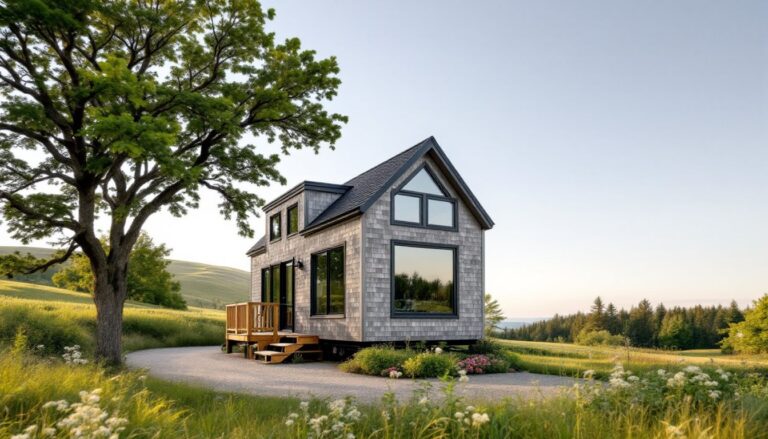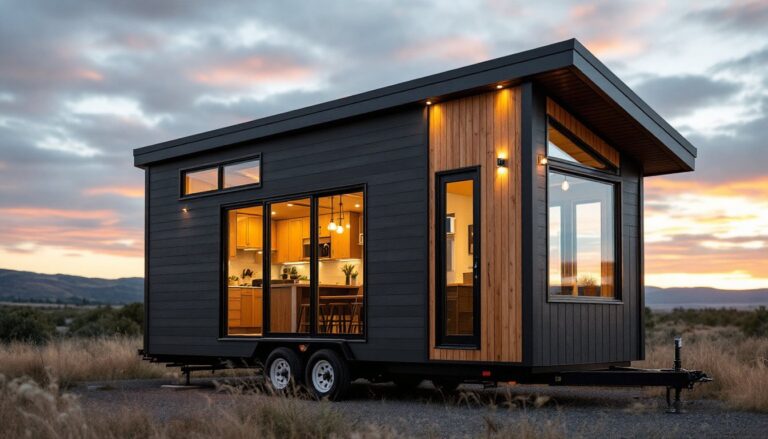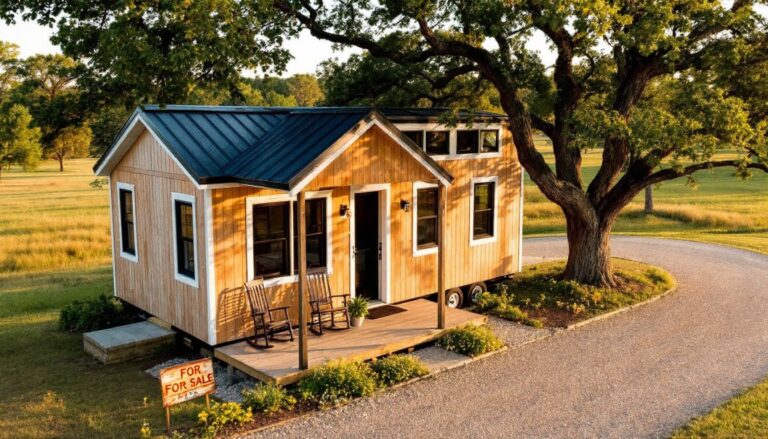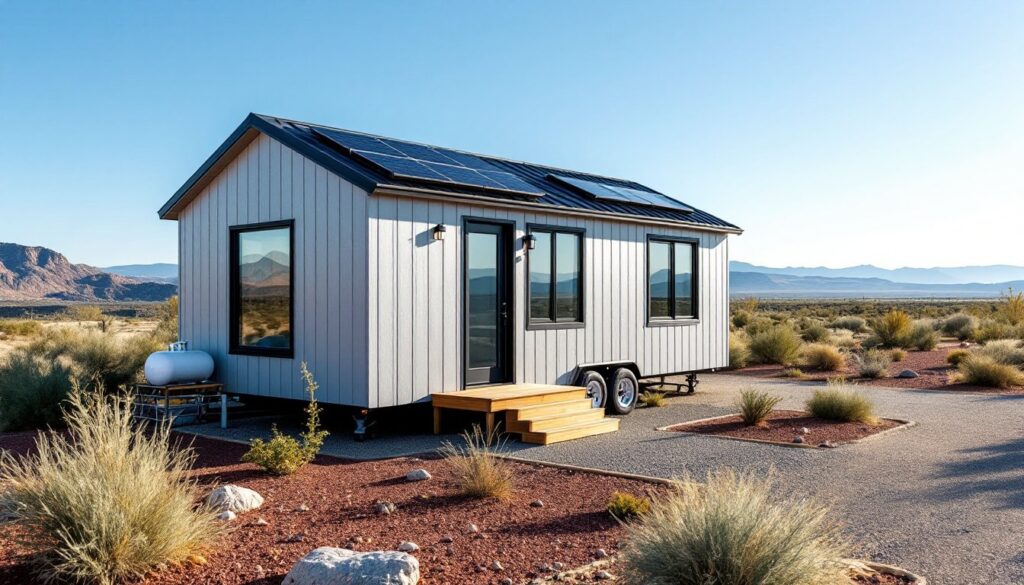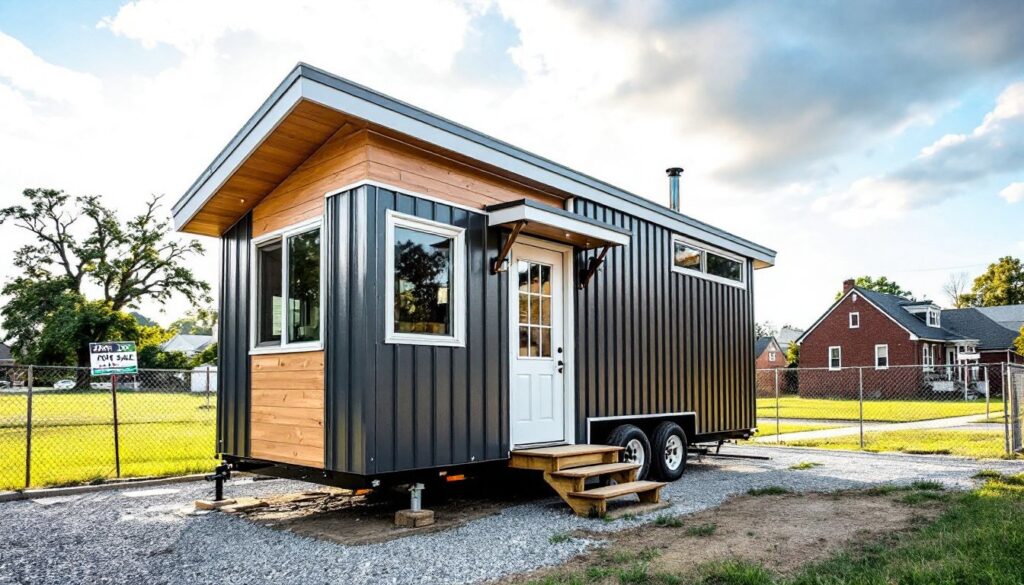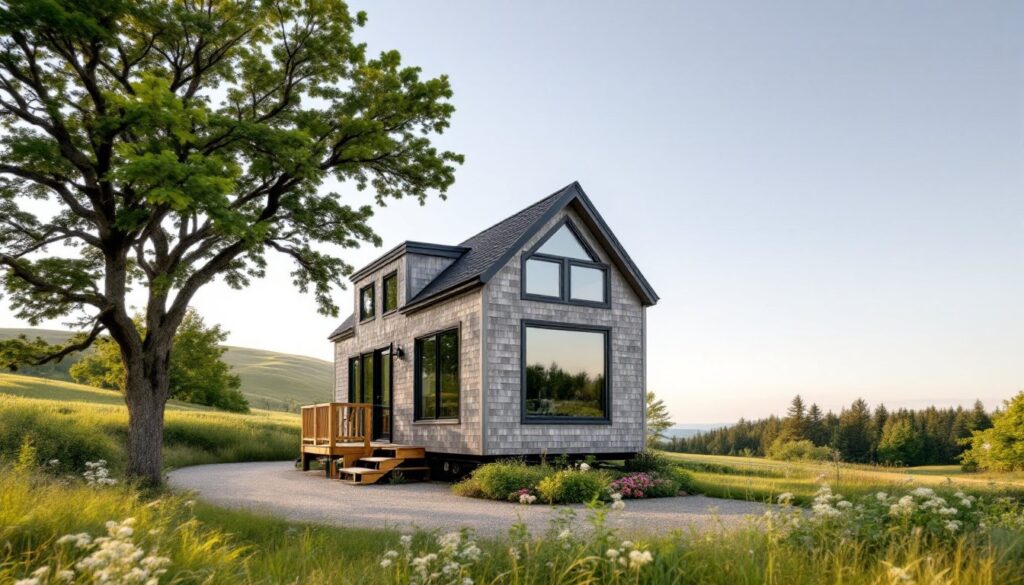

Rhode Island may be the smallest state in the union, but it’s proving that good things come in small packages, especially when it comes to housing. Tiny homes are carving out a niche in the Ocean State, offering an alternative to sky-high rent and overpriced traditional homes. Whether someone’s looking to downsize, simplify, or just get creative with living space, Rhode Island’s tiny home market is worth a closer look. This guide walks through where to find them, what regulations apply, and how to make a smart purchase.
Table of Contents
ToggleKey Takeaways
- Tiny homes for sale in Rhode Island offer a cost-effective alternative to the state’s median home price of $430,000, with units ranging from 100-400 square feet and priced between $40,000-$100,000.
- Rhode Island’s compact geography and multiple online marketplaces like Zillow and Tiny House Listings make it easy to find tiny homes, though national shipping costs run $3,000-$7,000 and delivery takes 3-6 months.
- Local zoning regulations vary significantly by municipality since Rhode Island lacks statewide tiny home codes, making it essential to verify with your local building inspector that the property can legally accommodate a tiny home.
- Structural quality, insulation (R-20+ in walls, R-30+ in roofs), and code-compliant electrical and plumbing systems are critical inspection points to ensure your tiny home withstands New England winters.
- Financing options are limited since most lenders classify tiny homes as personal property rather than real estate; RV loans (6-8% rates) and personal loans are common alternatives to traditional mortgages.
- Utility costs in tiny homes drop significantly due to smaller heating footprints and energy-efficient features like mini-split heat pumps, and well-located units can generate income as short-term vacation rentals.
Why Choose a Tiny Home in Rhode Island?
Rhode Island’s tight real estate market makes tiny homes an appealing option. The median home price in the state hovers around $430,000 as of early 2026, well above what many first-time buyers or retirees can comfortably afford. Tiny homes, typically ranging from 100 to 400 square feet, offer a way to own property without the crushing mortgage.
Beyond affordability, Rhode Island’s compact geography works in favor of tiny living. The state measures just 48 miles long and 37 miles wide, so even a tiny home parked in a rural area keeps residents within easy reach of Providence, Newport, or the coastline. Shorter commutes mean less time in the car and more time enjoying what the property offers.
Utility costs drop significantly in a smaller footprint. Heating a 300-square-foot space through a New England winter costs a fraction of what a conventional home demands. Many tiny homes incorporate energy-efficient features like mini-split heat pumps, spray foam insulation, and low-flow plumbing fixtures, which further trim monthly expenses. For anyone tired of watching half their paycheck disappear into housing costs, the math makes sense.
There’s also a growing interest in tiny home investment as rental properties. Short-term vacation rentals in coastal or rural areas can generate steady income, especially during tourist season. Rhode Island’s beaches and historic towns draw visitors year-round, and a well-designed tiny home on a scenic lot can command premium nightly rates.
Where to Find Tiny Homes for Sale in Rhode Island
Online Marketplaces and Specialized Tiny Home Builders
Online marketplaces remain the go-to starting point for most buyers. Sites like Tiny House Listings, Zillow, and Facebook Marketplace regularly feature tiny homes available in Rhode Island or deliverable to the state. Filters for square footage, price range, and whether the unit is on wheels or a permanent foundation help narrow the search.
National builders such as Tumbleweed Tiny House Company and New Frontier Tiny Homes ship custom or pre-designed models to Rhode Island. Lead times typically run 3 to 6 months, and buyers should factor in delivery fees, moving a tiny home cross-country can add $3,000 to $7,000 depending on distance and route complexity. Some builders offer turnkey packages that include delivery, setup, and utility hookups, which simplifies the process but increases upfront cost.
For those interested in modular or container-based designs, tiny container homes have gained traction. These units use repurposed shipping containers as the structural shell, providing durability and a distinctive industrial aesthetic. Builders like Alternative Living Spaces and Container King work with Rhode Island buyers to customize layouts and finishes.
Local Dealers and Tiny Home Communities
Rhode Island has a handful of local builders and dealers who specialize in tiny homes or park models. Visiting a physical lot allows buyers to walk through floor plans, test door clearances, and gauge build quality firsthand. Cornerstone Tiny Homes in neighboring Massachusetts serves the Rhode Island market and maintains a showroom with several models on display.
Tiny home communities are starting to appear in the state, though they remain limited compared to states like Oregon or North Carolina. Wildwood Tiny Home Village in West Greenwich offers lots for lease, with utilities and shared amenities included. Buying a tiny home and placing it in an established community eliminates some of the zoning headaches and provides a built-in neighborhood. According to Curbed, tiny home villages are expanding across the Northeast as municipalities explore affordable housing solutions.
Another option worth checking is the classifieds on Apartment Therapy, which occasionally features pre-owned tiny homes in New England. Used units can offer significant savings, 30% to 50% off new pricing, but buyers should inspect the build quality and any wear from prior use.
Rhode Island Zoning Laws and Regulations for Tiny Homes
Zoning is where tiny home dreams often hit a wall. Rhode Island doesn’t have a statewide code that explicitly addresses tiny homes, so regulations vary by municipality. Most towns classify tiny homes on wheels as recreational vehicles (RVs), which limits where they can be parked long-term. Permanent tiny homes on foundations generally fall under standard residential building codes, provided they meet minimum square footage requirements.
In Providence, for example, zoning ordinances require accessory dwelling units (ADUs) to be at least 300 square feet and connected to municipal water and sewer. Some rural towns, like Foster or Exeter, have more flexible codes and may permit tiny homes on agricultural or residential lots with a variance. It’s essential to contact the local building inspector and zoning board before purchasing. Buying a tiny home only to discover it can’t be legally placed on the property is an expensive mistake.
Rhode Island’s State Building Code follows the International Residential Code (IRC), which sets minimum room dimensions, ceiling heights (7 feet in most habitable spaces, 6 feet 8 inches in bathrooms), and egress window requirements. Tiny homes must meet these standards to pass inspection and qualify for a certificate of occupancy. Many tiny home builders design to IRC Appendix Q, a section specifically addressing dwellings under 400 square feet, but not all municipalities have adopted it.
Utility hookups add another layer of complexity. Properties without existing water, sewer, or electric service require new connections, which can cost $10,000 to $25,000 depending on distance from municipal lines. Off-grid setups using composting toilets, rainwater catchment, and solar panels avoid some utility expenses but may face scrutiny from health departments and code enforcement. Understanding tiny home regulations is critical before committing to a purchase.
What to Look for When Buying a Tiny Home in Rhode Island
Structural integrity tops the list. Inspect the framing (typically 2×4 or 2×6 studs on 16-inch centers), roof sheathing (OSB or plywood, not particleboard), and exterior siding. Look for signs of water intrusion around windows, doors, and the roofline. Rhode Island’s coastal humidity and winter freeze-thaw cycles are tough on building materials, so quality construction matters.
Insulation is another critical factor. Closed-cell spray foam provides the best thermal performance in a thin profile, achieving R-6 to R-7 per inch. Fiberglass batts are cheaper but less effective in tight spaces and more prone to moisture issues. Ask the builder for the R-value in walls, floors, and ceilings. For New England winters, aim for at least R-20 in walls and R-30 in the roof.
Plumbing and electrical systems should meet code. Check that outlets are GFCI-protected in kitchens and bathrooms, the breaker panel is properly sized (at least 100 amps for a home with electric heat and appliances), and all wiring is Romex or MC cable, never exposed lamp cord. Plumbing should use PEX or copper, with proper venting for drains. If the tiny home is designed for mobility, confirm that the systems are secured for travel and that the trailer axles, tires, and hitch are rated for the weight.
Appliances and fixtures vary widely in quality. Budget tiny homes often include RV-grade components that aren’t built for daily residential use. Upgrading to standard residential appliances, like a full-size refrigerator or a conventional range, improves longevity but requires more space and power. For help with evaluating finishes and functionality, Angi offers guides on home inspections and contractor vetting.
Finally, look at the design and layout. A poorly designed tiny home feels cramped and frustrating. Good layouts maximize vertical space with lofted sleeping areas, use built-in storage under stairs and benches, and maintain clear pathways. Open floor plans with multi-functional furniture make a small space livable. Visit several models or review tiny house plans to see what resonates before pulling the trigger.
Financing Your Rhode Island Tiny Home Purchase
Traditional mortgages don’t typically cover tiny homes, especially those on wheels. Most lenders classify them as RVs or personal property rather than real estate, which disqualifies them from conventional home loans. That said, a few financing options exist.
RV loans are one route. Credit unions and specialized lenders like LightStream or Essex Credit offer RV financing with terms up to 15 years and rates starting around 6% to 8% for borrowers with strong credit. Loan amounts usually range from $20,000 to $100,000, covering most tiny home purchases. The downside is higher interest rates compared to traditional mortgages and the need for a 10% to 20% down payment.
Personal loans work for smaller builds or used homes. They’re unsecured, so rates run higher, often 8% to 12%, and terms max out at 5 to 7 years. Monthly payments can be steep, but the approval process is faster and doesn’t require property appraisal.
If the tiny home sits on a permanent foundation and meets local building codes, some lenders will consider a construction loan or a land-and-home package loan. This option requires owning the land outright or financing it simultaneously, and the tiny home must qualify as a dwelling under IRC standards. Buyers in this situation should shop around: local banks and credit unions in Rhode Island are more likely to work with non-traditional housing than national mortgage companies.
For buyers looking to reduce upfront costs, tiny home grant programs occasionally offer assistance, especially for low-income individuals, veterans, or those pursuing sustainable housing. Rhode Island Housing, the state’s housing finance agency, doesn’t have a dedicated tiny home program as of 2026, but their FirstHomes program provides down payment assistance that could apply if the tiny home qualifies as a primary residence on a permanent foundation.
Cash purchases remain common in the tiny home market. Prices for new builds range from $40,000 to $100,000 depending on size, materials, and finishes. Used tiny homes or DIY builds can dip below $30,000. Paying cash eliminates financing costs and simplifies the transaction, though it ties up capital that could be used for land purchase or site improvements. Buyers considering this path might also explore bespoke tiny homes for customized builds that maximize value.