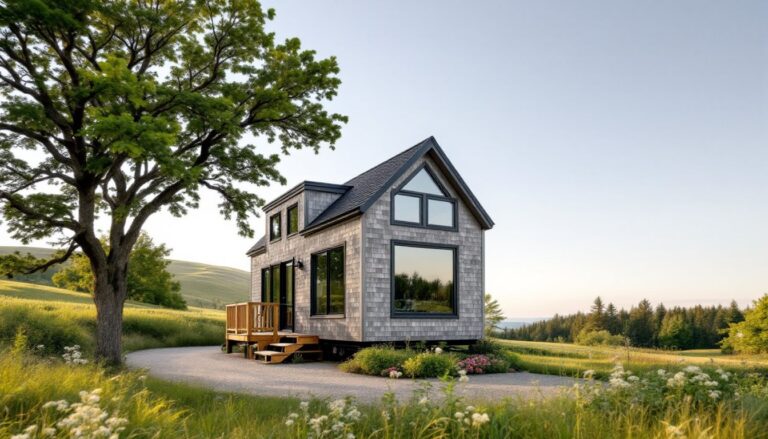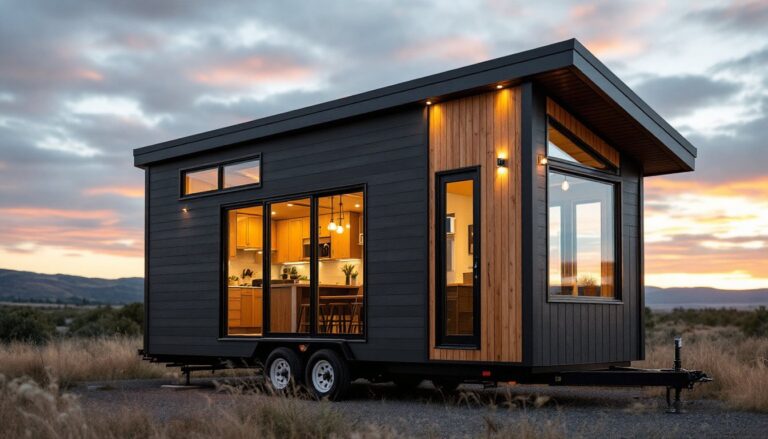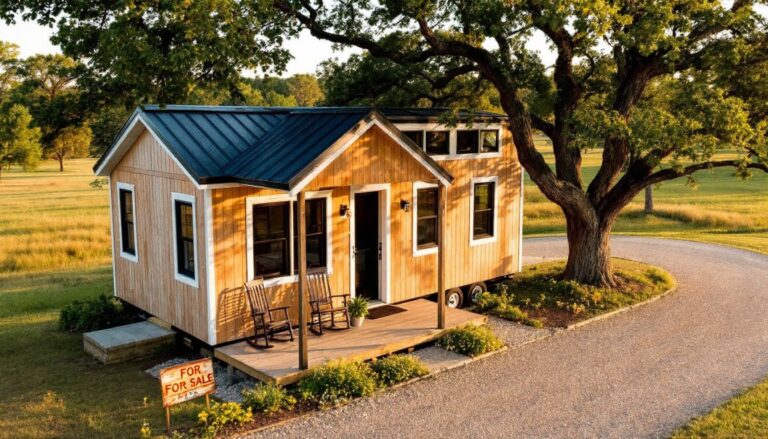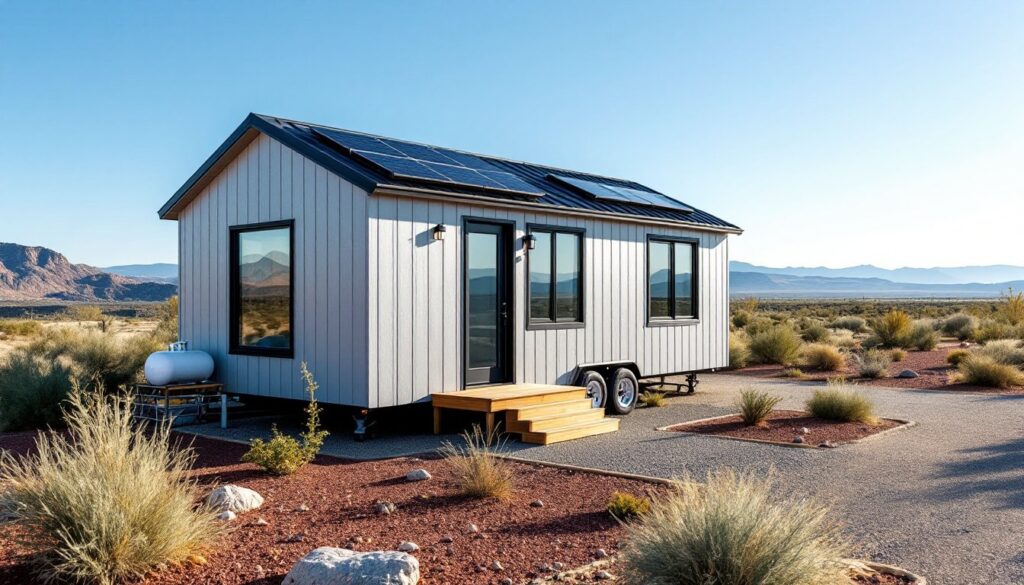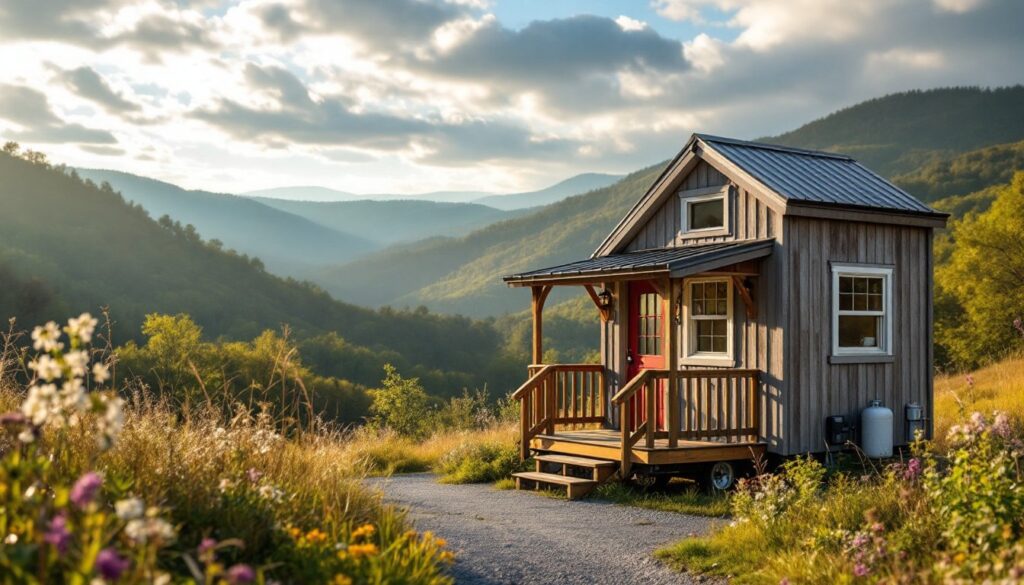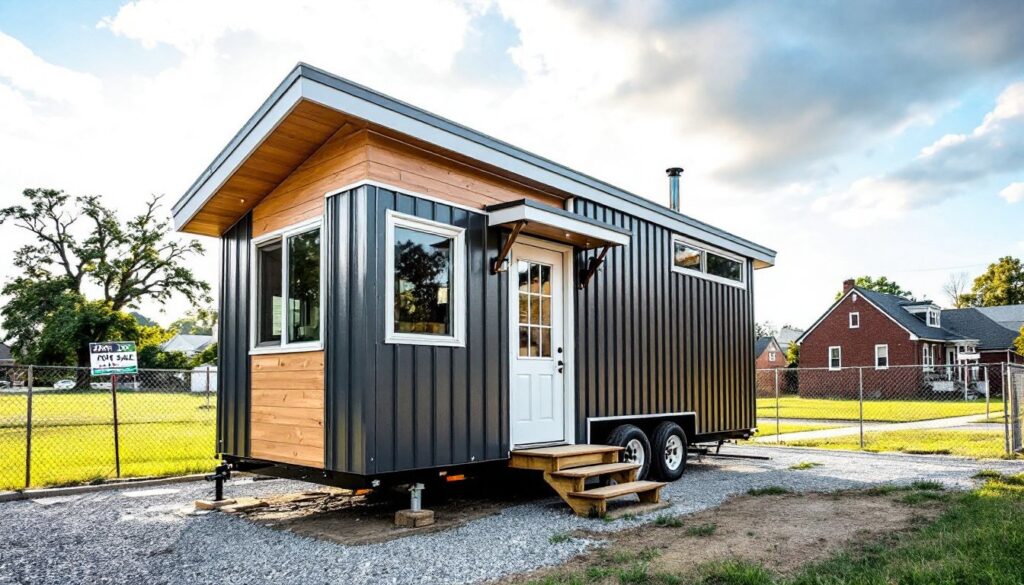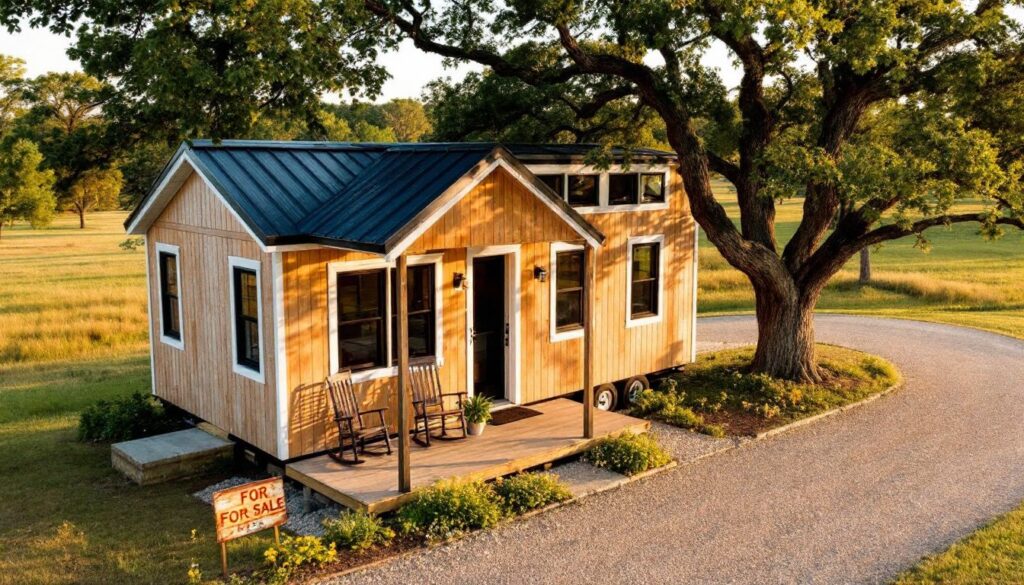

Tyler, Texas has evolved into a surprising hotspot for tiny home buyers. With affordable land, relaxed suburban density, and a growing community of downsizers, the city offers a practical entry point for anyone weighing the leap to small-space living. Whether someone’s chasing lower monthly expenses, environmental benefits, or the freedom to declutter, Tyler’s real estate market now includes a range of tiny homes, from foundation-built cottages to certified road-ready units. This guide walks through what’s available, where to find it, and the zoning realities that matter before signing any paperwork.
Table of Contents
ToggleKey Takeaways
- Tiny homes for sale in Tyler, TX offer an affordable entry point to small-space living with accessible land prices under $30,000 and a climate that supports year-round living without costly winterization.
- Tyler offers two main types of tiny homes: THOWs (tiny houses on wheels) priced between $45,000–$85,000, and foundation-built units starting at $70,000, each with distinct financing, insurance, and placement requirements.
- Local zoning laws restrict full-time RV occupancy in residential zones and require ADU permits for homes under 400 square feet, making it essential to verify deed restrictions and secure proper documentation before buying.
- Foundation-built tiny homes qualify for conventional mortgages more easily and carry lower insurance costs ($600–$1,200 annually) compared to wheeled units, which require specialized RV policies.
- Utility and maintenance costs remain low in well-insulated tiny homes, averaging $50–$100 monthly for electricity plus modest property taxes, though buyers must account for septic ($4,000–$7,000), well drilling, and electrical service installation.
- Finding tiny homes for sale in Tyler requires exploring local builders, national online marketplaces like Tiny House Listings, real estate agents familiar with zoning nuances, and community networks that surface off-market deals.
Why Tyler, TX Is Perfect for Tiny Home Living
Tyler sits in East Texas, where land prices remain accessible compared to Austin or Dallas. A buyer can often find rural or semi-rural parcels under $30,000, which makes adding a tiny home financially viable without a mortgage that stretches decades.
The city’s climate supports year-round living without extreme winterization demands. Summer heat requires quality insulation and a mini-split HVAC system rated for at least 12,000 BTU in a 300-square-foot space, but snow and ice rarely force costly structural upgrades.
Tyler also benefits from a slower pace of regulatory change than larger Texas metros. While zoning codes still apply, the local planning department tends to process ADU (accessory dwelling unit) permits and variances at a manageable clip. That doesn’t mean rules don’t exist, more on that below, but the city hasn’t implemented blanket bans on tiny homes the way some HOA-heavy suburbs have.
Finally, Tyler’s proximity to outdoor recreation, lakes, state parks, and trails, appeals to buyers who choose tiny living for lifestyle simplification. A smaller footprint means less time on maintenance and more flexibility for weekend trips.
Types of Tiny Homes Available in Tyler
Tiny Houses on Wheels
THOWs (tiny houses on wheels) dominate online listings because they skirt some foundation requirements and can be classified as recreational vehicles, if built to RVIA or NOAH certification standards. Expect lengths between 20 and 30 feet, widths of 8.5 feet (road-legal without oversize permits), and ceiling heights that max out around 13.5 feet to clear most highway overpasses.
Quality varies. Factory-built models from established builders include plumbing rough-ins, spray-foam insulation, and wiring that meets NEC Article 551 (RV electrical code). DIY or custom builds may lack those certifications, which complicates financing and insurance. Buyers should verify whether the unit carries a manufacturer’s certificate of origin (MCO) or a standard vehicle title.
A well-built THOW in Tyler typically lists between $45,000 and $85,000, depending on finishes, appliances, and whether it includes off-grid systems like solar panels or composting toilets. Parking a THOW legally in Tyler requires either an RV park permit or placement on private property that allows temporary structures, check county rules if the lot sits outside city limits.
Foundation-Built Tiny Homes
These units rest on permanent foundations, concrete slabs, piers, or crawl spaces, and follow the same building codes as traditional houses. Square footage usually falls between 400 and 800 square feet, which keeps them small but pushes them above the strict “tiny” threshold some enthusiasts prefer.
Foundation homes qualify for conventional mortgages more easily than THOWs, and they’re simpler to insure through standard homeowner policies. They also avoid the tongue weight, axle load, and tire-maintenance headaches that come with wheeled units. Design-wise, expect 2×4 or 2×6 stud walls, R-13 to R-21 insulation in walls, and R-38 in attics, standard for Texas climate zones.
Pricing in Tyler for a turnkey foundation tiny home starts around $70,000 for a basic shell and climbs past $120,000 with upgraded fixtures, hardwood floors, and Energy Star appliances. Land cost is separate. Some sellers list the home and lot as a package, which streamlines financing but limits negotiation on individual components.
These homes often appear in tiny home communities that share amenities like gravel driveways, well water, or septic systems, reducing per-unit infrastructure costs.
Where to Find Tiny Homes for Sale in Tyler, TX
Local builders and custom fabricators operate in the Tyler area, often advertising through Facebook Marketplace, Craigslist, or regional tiny home expos. Meeting a builder in person allows buyers to inspect framing quality, test door and window seals, and ask about warranty terms. Custom builds take three to six months from deposit to delivery, depending on the builder’s backlog.
National online marketplaces like Tiny House Listings, Tiny Home Builders, and even Zillow now filter for homes under 1,000 square feet. Listings include both new construction and resales. Shipping a pre-built THOW from out of state costs roughly $3 to $5 per mile, so a unit from Oregon could add $6,000 or more to the final price.
RV dealers occasionally stock park-model RVs, which resemble tiny homes but come with RVIA certification. These models connect to standard RV hookups and qualify for RV financing, though interest rates run higher than traditional mortgages. Buyers interested in portable housing options should compare loan terms before committing.
Real estate agents in Smith County sometimes handle tiny home sales, especially foundation-built units on titled lots. An agent familiar with local zoning nuances can flag deed restrictions or easements that affect placement, utilities, or resale value.
Word-of-mouth and local networks matter in Tyler’s tight-knit DIY community. The local maker spaces, building-supply yards, and even home improvement social groups often surface leads on homes under construction or owners ready to sell. Networking at farmers markets or community events can uncover off-market deals that never hit public listings.
What to Know Before Buying a Tiny Home in Tyler
Zoning Laws and Regulations
Tyler’s zoning ordinances classify tiny homes based on foundation type and square footage. A foundation-built home over 400 square feet on a permanent lot typically qualifies as a single-family dwelling and must meet standard setbacks, often 10 feet from side property lines and 25 feet from the street. Homes under 400 square feet may fall into an ADU or accessory structure category, which allows placement on a lot with an existing primary residence.
THOWs face stricter scrutiny. The city doesn’t permit full-time occupancy of RVs or travel trailers in residential zones unless the property is zoned for RV parks or the owner secures a variance. Smith County (outside city limits) offers more flexibility, but buyers should confirm with the county planning office before purchasing land.
Septic and water hookups must meet county health department standards. A standard three-bedroom septic system costs $4,000 to $7,000 to install, even if the tiny home has only one bedroom, sizing depends on projected daily wastewater flow, not bedroom count. Well drilling runs $25 to $50 per foot, and Tyler-area wells typically reach water at 100 to 300 feet.
Electrical service requires a licensed electrician to install a meter base and breaker panel that meets NEC standards. Oncor is the primary utility provider: connecting a new service costs roughly $500 to $1,500 depending on distance from the nearest pole. Off-grid solar systems need battery storage rated for at least 10 kWh to cover overnight demand, and Texas building codes require a transfer switch if the system ties into grid power.
Building permits apply to any foundation work, plumbing, or electrical installation. Tyler’s permitting office issues over-the-counter permits for minor projects, but a full tiny home build requires plan review, which can take two to four weeks. Foundation-built homes must pass inspections at the footing, framing, rough-in, and final stages. Skipping permits risks fines and complicates future resales.
HOA restrictions can override city zoning. Subdivisions with active homeowner associations often prohibit structures under a certain square footage or ban non-traditional housing altogether. Reviewing CC&Rs (covenants, conditions, and restrictions) before buying land is non-negotiable.
Buyers exploring grant funding options or comparing markets in states like Pennsylvania or Colorado will notice Texas lacks state-level incentives for tiny homes. Financing typically requires a personal loan, RV loan, or construction loan rather than a conventional mortgage unless the home sits on a permanent foundation and exceeds 400 square feet.
Insurance costs vary. A foundation tiny home on titled land qualifies for standard homeowner coverage, usually $600 to $1,200 annually. THOWs need specialized RV or mobile-home policies, which can run higher due to theft and transport risks. Some insurers won’t cover owner-built units without third-party certification, so documentation from the builder or an inspector helps secure coverage.
Utility costs in a well-insulated tiny home average $50 to $100 per month for electricity in Tyler’s climate, assuming a mini-split heat pump and Energy Star appliances. Propane for cooking and backup heat adds $20 to $40 monthly if the home uses a standard 20-pound tank refilled every four to six weeks.
Property taxes on tiny homes follow the same mill rate as traditional homes but apply to a much lower assessed value. A 500-square-foot home on a half-acre lot might carry an annual tax bill between $800 and $1,500, depending on the county appraisal district’s valuation. Buyers should request a property tax estimate before closing to avoid surprises.
Finally, resale potential matters. Tyler’s tiny home market is still developing, so homes built to code with proper permits and certifications hold value better than off-grid DIY projects with undocumented systems. Keeping receipts for materials, contractor invoices, and inspection records strengthens resale documentation and buyer confidence.