
Lancaster County isn’t just Amish buggies and covered bridges anymore. A growing number of people are discovering that this corner of Pennsylvania, with its rolling farmland, tight-knit communities, and surprisingly flexible rural zoning, offers a rare opportunity to embrace tiny home living without sacrificing access to culture, services, or natural beauty. Whether someone’s downsizing from a suburban mortgage or building their first home from scratch, Lancaster’s blend of agricultural tradition and quiet innovation makes it one of the most practical places on the East Coast to go small. This guide walks through what it takes to make the move: legal hoops, design choices, real costs, and the day-to-day reality of living in 400 square feet or less.
Table of Contents
ToggleKey Takeaways
- Lancaster County offers affordable land ($3,000–$8,000 per acre) and rural flexibility that makes it one of the most practical places on the East Coast to build Lancaster tiny homes without the cost and restrictions of suburban markets.
- Zoning regulations vary across 60 municipalities in Lancaster County, so obtaining a zoning opinion letter ($50–$150) before purchasing land is essential to avoid costly delays and ensure your tiny home meets local building codes.
- Total costs for a modest grounded tiny home in Lancaster range from $60,000–$100,000 all-in (including land, utilities, and construction), with DIY builds costing $24,500–$43,000 plus land expenses.
- Design your tiny home for Lancaster’s four-season climate with minimum R-19 wall insulation, R-30 ceiling insulation, and mini-split heat pumps to handle both heating and cooling efficiently.
- Test tiny home living by renting a short-term THOW rental in Lancaster before committing to a permanent build, and downsize your belongings ruthlessly since typical storage space is only 20 square feet total.
- Build strong community relationships early through township meetings and local events, as Lancaster’s social fabric and neighbor goodwill significantly impact successful zoning approvals and long-term living satisfaction.
What Makes Lancaster a Perfect Location for Tiny Homes?
Lancaster County sits at the crossroads of affordability, accessibility, and rural flexibility. Land prices remain reasonable compared to metro areas like Philadelphia or Pittsburgh, rural parcels often run $3,000 to $8,000 per acre, depending on road access and utilities. That’s a fraction of what similar acreage costs in trendier tiny home markets.
The county’s agricultural preservation zoning creates pockets where accessory dwelling units (ADUs) and small structures face fewer restrictions than in suburban townships. Many rural properties allow outbuildings without triggering the same permitting gauntlet that a traditional stick-built home would. This doesn’t mean it’s a free-for-all, but it does mean there’s breathing room.
Lancaster also offers practical infrastructure. Propane delivery is widespread, well drilling is straightforward in most areas, and septic installers are plentiful. The Amish and Mennonite communities have a long tradition of building small, efficient structures, barns, sheds, and workshops, so finding skilled framers and finish carpenters who understand compact construction isn’t difficult. Plus, the region’s four-season climate (average winter lows around 25°F, summer highs near 85°F) means tiny homes need real insulation and HVAC planning, but nothing extreme.
Understanding Lancaster’s Tiny Home Zoning Laws and Regulations
Lancaster County operates under a patchwork of 60 municipalities, each with its own zoning ordinances. There’s no single “tiny home law” that applies everywhere, so the first step is contacting the specific township or borough where someone plans to build or park.
Key distinctions:
- Permanent foundation vs. wheels: A tiny home on a permanent foundation is typically classified as a dwelling and must meet International Residential Code (IRC) minimums, usually a habitable room of at least 70 square feet and ceiling heights of 7 feet (6’8″ in bathrooms and kitchens). A tiny house on wheels (THOW) is often treated as a recreational vehicle (RV) and faces RV parking restrictions, which many townships prohibit for long-term occupancy.
- Accessory dwelling units (ADUs): Some townships allow a secondary dwelling on a lot with a primary residence. This is the most reliable legal pathway for a grounded tiny home. ADU rules often cap square footage (commonly 800–1,000 sq ft, but some allow as low as 400 sq ft) and may require the property owner to occupy either the main house or the ADU.
- Agricultural zoning: In ag-zoned areas, small structures for farm workers or family members may be permitted. This route requires demonstrating agricultural use of the property, keeping livestock, growing crops, or managing timber.
Permits and inspections: Expect to pull building permits for electrical, plumbing, and structural work. Electrical must meet National Electrical Code (NEC) standards: a licensed electrician is strongly recommended. Septic systems require a perc test and county health department approval. Composting toilets and greywater systems may be allowed in some townships but require upfront approval.
Pro tip: Before buying land, request a zoning opinion letter from the township. It’s a $50–$150 investment that clarifies what’s allowed. Navigating tiny home regulations can save months of headaches down the road.
Popular Tiny Home Styles and Designs in Lancaster
Lancaster’s tiny home aesthetic leans practical, not precious. The most common builds fall into three categories:
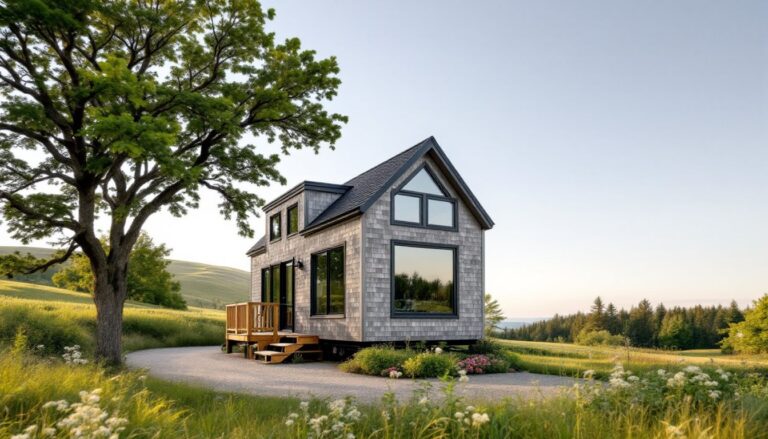
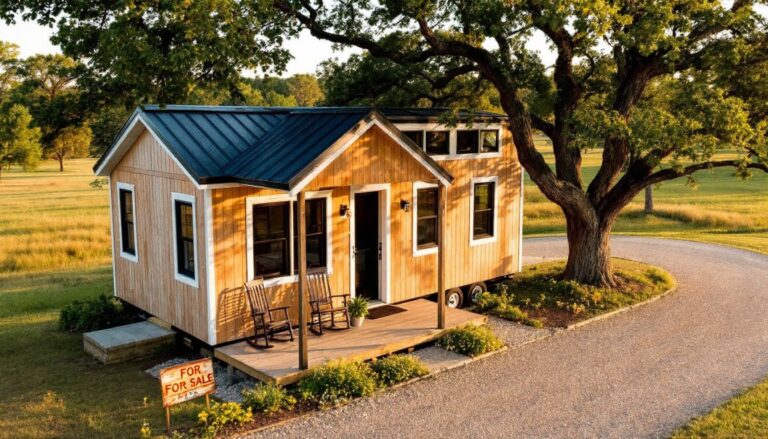
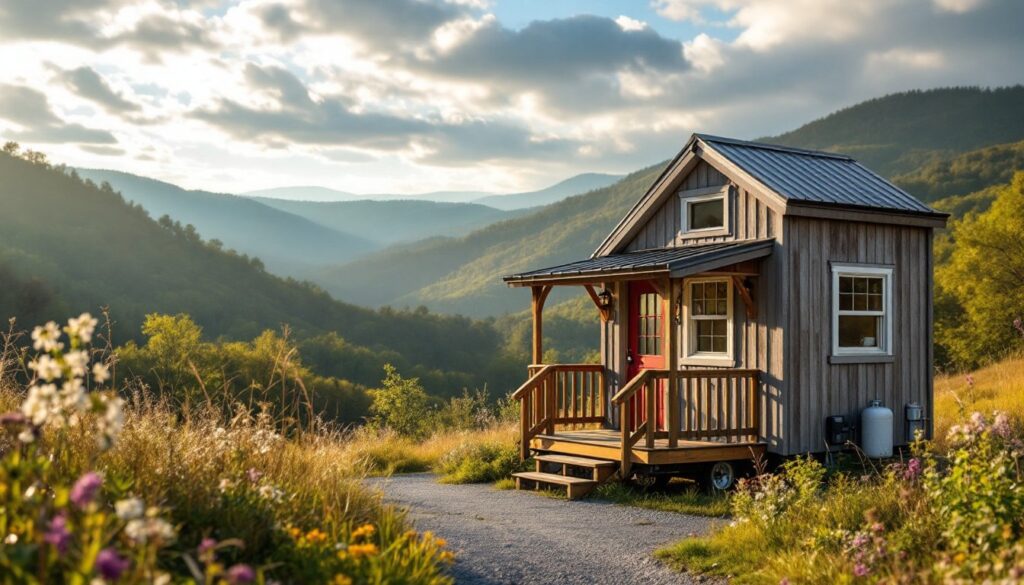
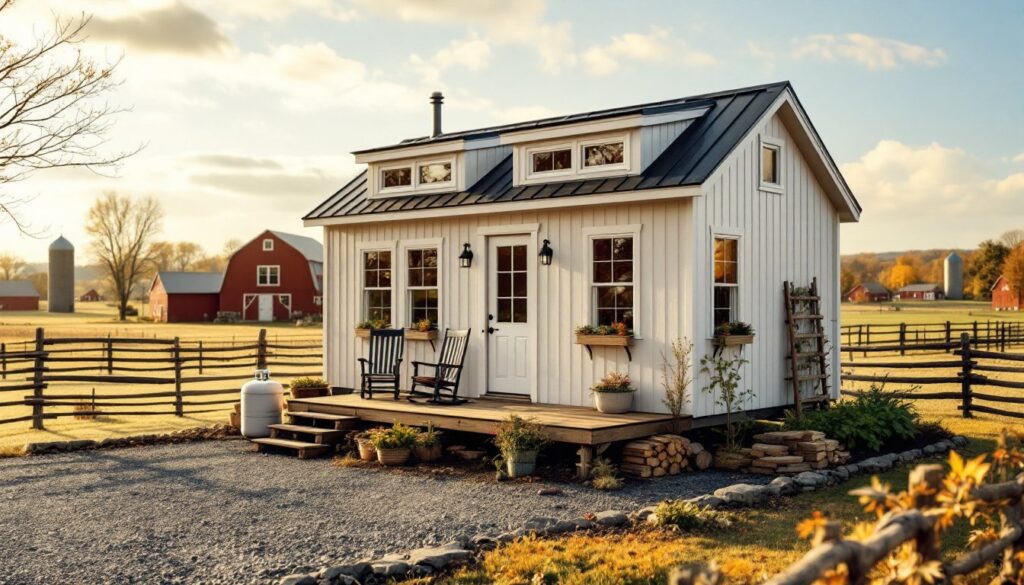
1. Farmhouse-style micro homes: Think board-and-batten siding, metal roofing, and front porches. These blend into rural landscapes and echo the county’s agricultural heritage. Interiors often feature shiplap walls, butcher-block counters, and open shelving. Average size: 300–500 sq ft on a foundation.
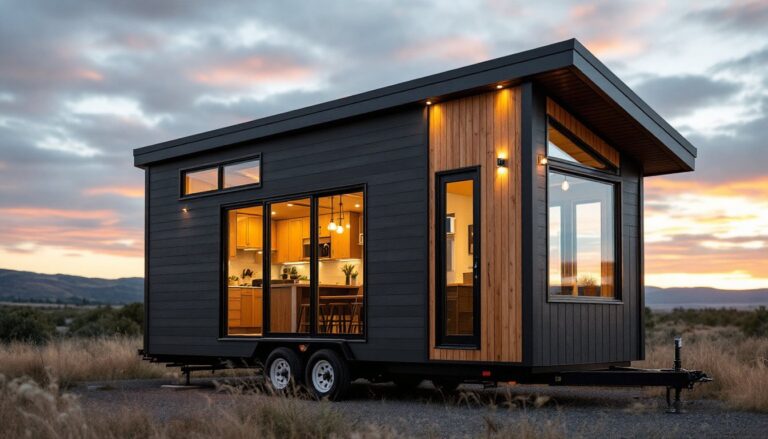
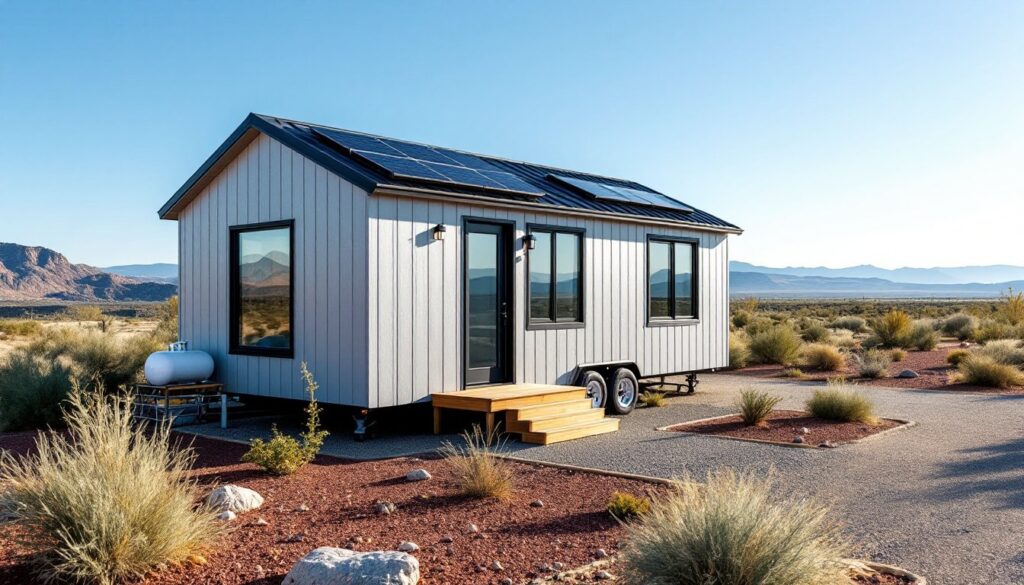
2. Modern shed-roof cabins: Clean lines, large windows, and minimalist interiors. Often clad in corrugated metal or cedar. These appeal to younger buyers and remote workers who want a studio vibe. Many incorporate lofted sleeping areas to maximize floor space. Average size: 200–400 sq ft.
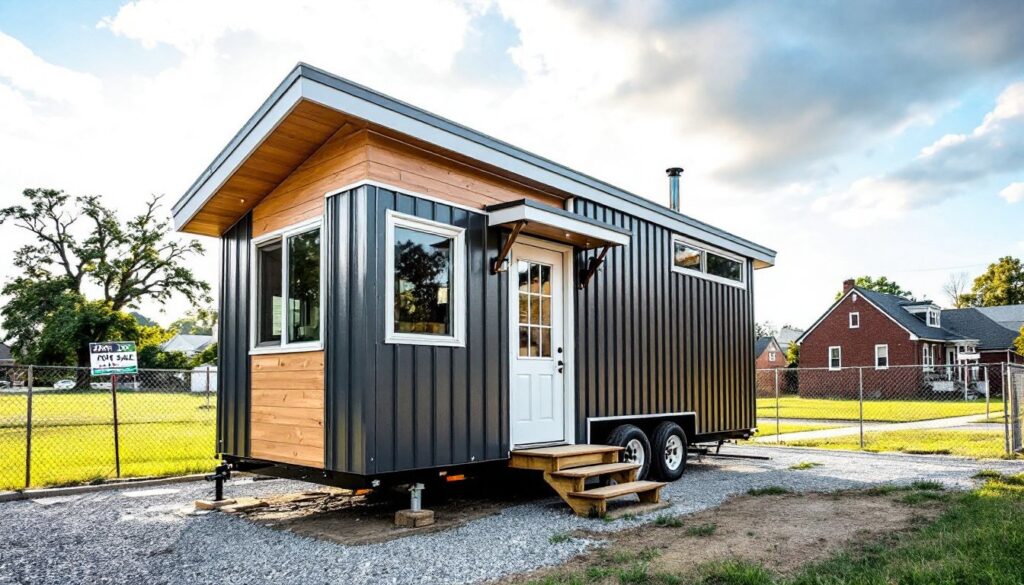
3. Tiny houses on wheels (THOWs): Built on dual-axle trailers (typically 8.5′ wide by 20–28′ long). Popular models include gooseneck designs that extend living space over the hitch. THOWs in Lancaster tend to be DIY or regionally built rather than factory-ordered, given the strong local carpentry talent.
Design considerations for Lancaster’s climate:
- Insulation: Minimum R-19 in walls, R-30 in ceilings. Spray foam is common in THOWs to eliminate air gaps. Rockwool batts work well in stick-built structures.
- Heating: Mini-split heat pumps (like Mitsubishi or Fujitsu units) handle both heating and cooling in one compact package. Propane wall heaters are a backup option. Wood stoves are romantic but require clearances (typically 36″ from combustibles) that eat precious floor space.
- Windows: Double-pane, Low-E glass. South-facing windows capture winter sun: overhangs or awnings prevent summer overheating.
For inspiration on how others personalize compact spaces, small space design ideas that translate well to tiny home interiors.
Cost Breakdown: Building vs. Buying a Tiny Home in Lancaster
Building from scratch (DIY or contractor-built):
- Materials for a 300 sq ft shell (framing, sheathing, roofing, windows, door): $12,000–$18,000
- Electrical (wiring, panel, fixtures): $2,000–$4,000
- Plumbing (PEX lines, fixtures, water heater): $1,500–$3,000
- Insulation and drywall: $2,500–$4,000
- Flooring (vinyl plank or engineered wood): $800–$1,500
- Appliances (mini-fridge, two-burner cooktop, combo washer/dryer): $1,500–$3,000
- HVAC (mini-split or propane heater): $1,200–$3,500
- Interior finishes (cabinetry, counters, trim): $3,000–$6,000
Total DIY build: $24,500–$43,000. Add 30–50% if hiring a contractor for labor.
Buying a pre-built tiny home:
Local builders in Lancaster and surrounding Pennsylvania counties charge $50,000–$90,000 for turnkey units (200–400 sq ft). Factory-built models shipped from out of state run $60,000–$120,000, plus delivery fees ($2–$5 per mile). Buyers can explore tiny homes for sale in PA to compare regional options.
Additional costs:
- Land: $10,000–$40,000 for a buildable lot (0.5–2 acres)
- Well drilling: $8,000–$15,000 (average depth 150–300 feet in Lancaster)
- Septic system: $5,000–$10,000 for a conventional system: alternative systems (mound, drip) cost more
- Utility hookups (electric service): $1,500–$5,000 depending on distance from the road
Financing: Traditional mortgages don’t typically cover structures under 600 sq ft. Personal loans, RV loans (for THOWs), or land loans with construction riders are common routes. Some builders are finding success with tiny home grant programs aimed at affordable housing initiatives, though availability varies.
Bottom line: Expect $60,000–$100,000 all-in for land, utilities, and a modest grounded tiny home. THOWs can lower entry costs if parking on someone else’s property is an option.
Finding Land and Tiny Home Communities in Lancaster County
Buying land individually:
Websites like LandWatch, Zillow, and local real estate agents list rural parcels. Look for:
- Zoning: Ag, residential, or mixed-use (avoid industrial)
- Road access: Deeded right-of-way or township-maintained road
- Topography: Relatively flat or gently sloping (steep sites add thousands in site prep)
- Soil type: Perc tests are required for septic: clay-heavy soils may need engineered systems
Tiny home communities and co-housing:
Lancaster doesn’t yet have a dedicated tiny home village like some West Coast markets, but a few private landowners are opening properties to multiple tiny homes under informal lease agreements. Always get terms in writing, tenure, utility access, and exit clauses matter.
Some Amish-owned farms lease small parcels for non-Amish tenants, especially if there’s mutual benefit (help with farm tasks, shared equipment). These arrangements are rare but worth exploring through local networking.
RV parks and campgrounds:
A handful of campgrounds in eastern Lancaster County allow extended-stay RVs, but few permit THOWs as year-round residences. It’s worth asking, but don’t count on it as a permanent solution.
What to avoid:
Don’t buy land based solely on online listings. Walk the property, talk to neighbors, and confirm zoning with the township. Landlocked parcels (no legal road access) and wetland-heavy lots are common pitfalls.
Essential Tips for Transitioning to Tiny Home Living in Lancaster
1. Downsize ruthlessly before the build.
Most people underestimate how little storage 300 sq ft offers. A standard bedroom closet is about 12 sq ft: a tiny home might have 20 sq ft total for all clothing, gear, and household goods. Sell, donate, or store off-site before move-in.
2. Design for dual-purpose everything.
Folding tables, Murphy beds, and under-stair storage aren’t optional, they’re structural. Built-in furniture (banquettes with lift-top seating, lofted beds over workspaces) maximizes every inch. For ideas on maximizing functionality, browse modern design solutions that emphasize spatial efficiency.
3. Plan for off-grid or hybrid utilities.
Even with grid power, a tiny home in Lancaster benefits from propane backup (for cooking and heat) and a rainwater catchment system for irrigation. Solar-powered tiny homes are increasingly viable: a 2–3 kW system with battery storage runs essential loads during outages.
4. Winterize properly.
Pipes freeze. Underfloor heating cable (heat tape) on water lines, skirting around the base (even on permanent foundations), and RV-grade insulated hose bibs prevent January disasters. Propane tanks need regulators rated for cold weather.
5. Build community before you need it.
Lancaster’s social fabric runs on relationships. Introduce yourself to neighbors, join township meetings, and participate in local events (farm markets, fire company fundraisers). Tiny home living is still novel enough that goodwill matters when zoning questions arise.
6. Keep tools and skills sharp.
Small spaces mean small systems, but they still break. A basic toolkit (drill/driver, handsaw, adjustable wrench, voltage tester, pipe wrench) and willingness to troubleshoot save hundreds in service calls. Local hardware stores (not big boxes) are goldmines for advice. DIY home improvement tips for projects that translate to tiny home maintenance.
7. Test the lifestyle first.
Rent an Airbnb tiny home in the area for a week or two. Lancaster has several THOW rentals on private farms. A test run reveals whether the reality matches the Pinterest boards.
Conclusion
Lancaster County offers rare advantages for tiny home living: affordable land, skilled tradespeople, and zoning that, while complex, leaves room for creativity. Success hinges on doing the assignments upfront: confirming what’s legal in the specific township, budgeting for the full scope of utilities and permits, and designing for real Pennsylvania winters. The reward is a simpler, lower-cost lifestyle in one of the most beautiful and culturally rich regions of the Northeast.