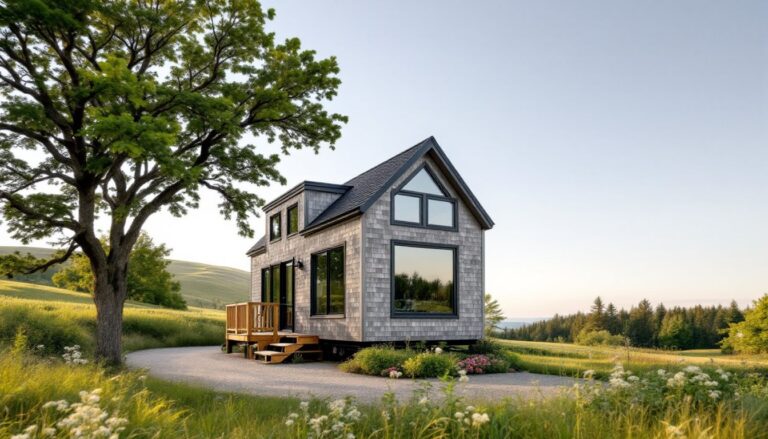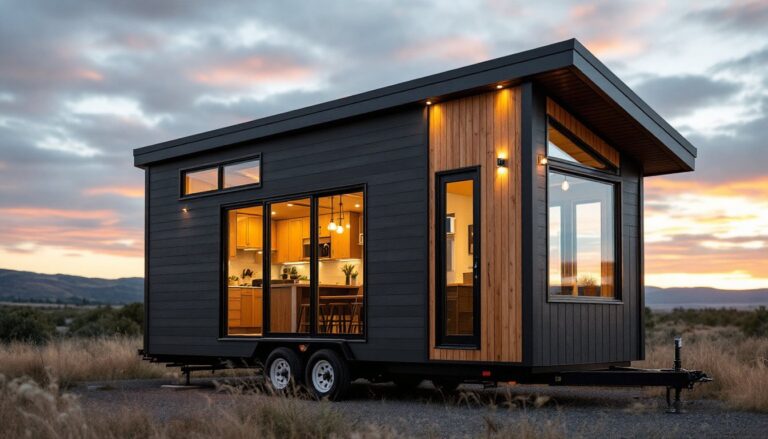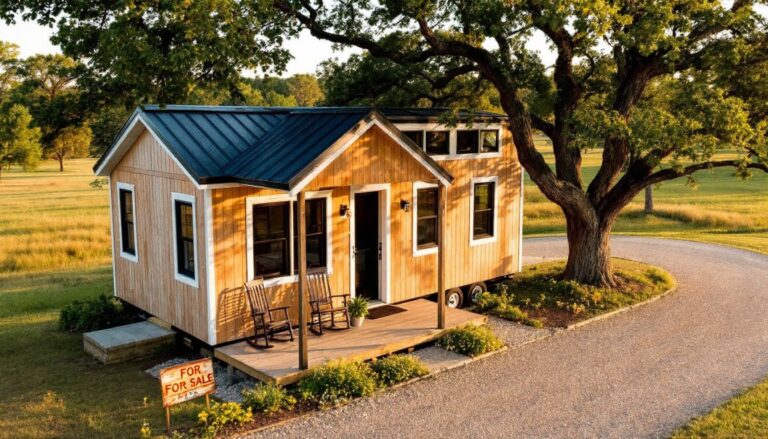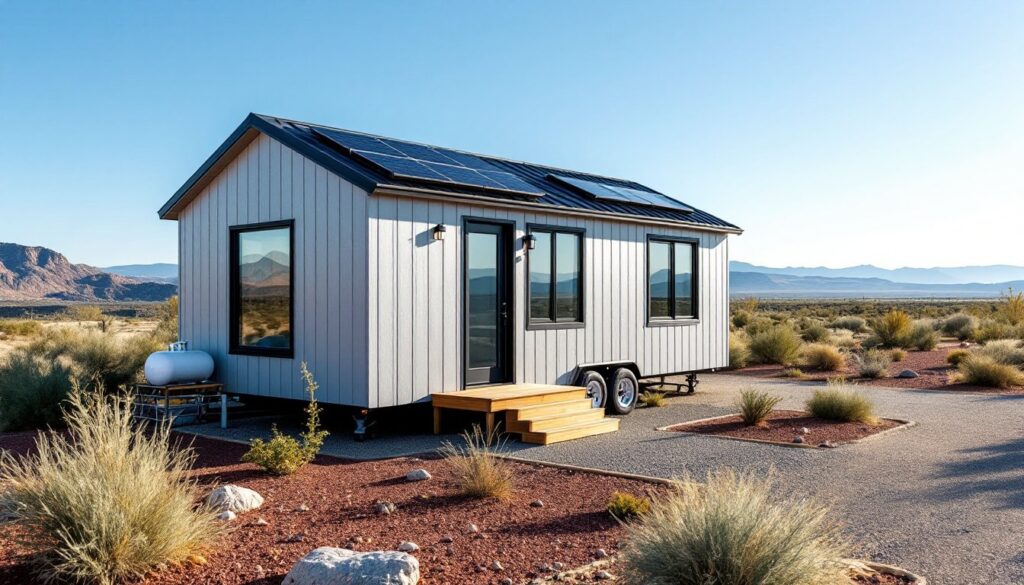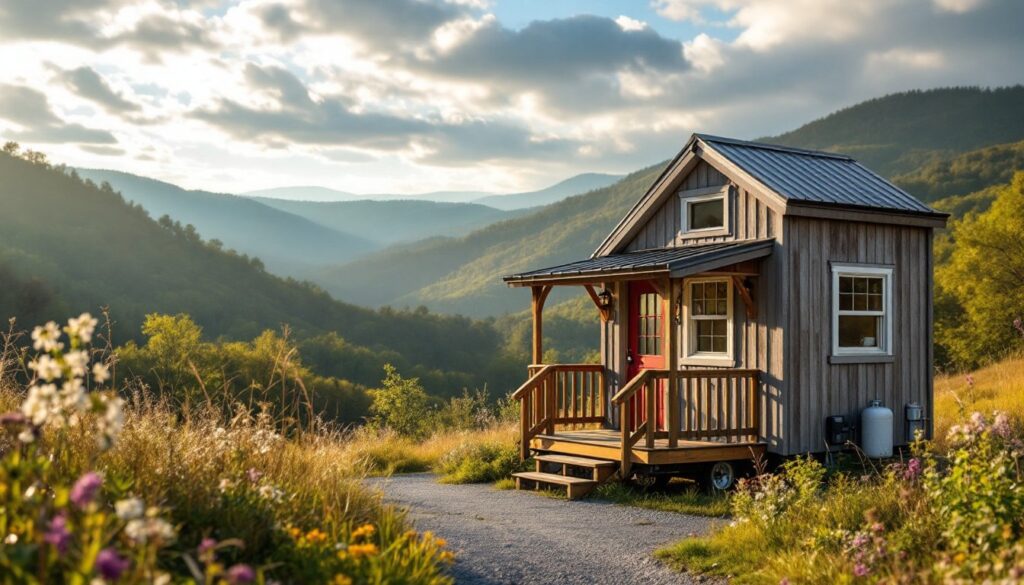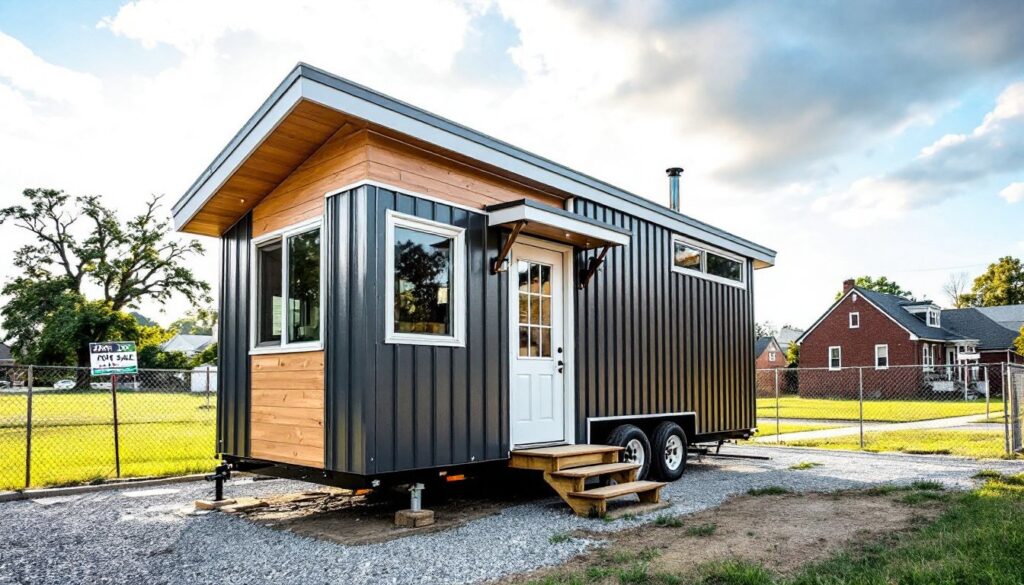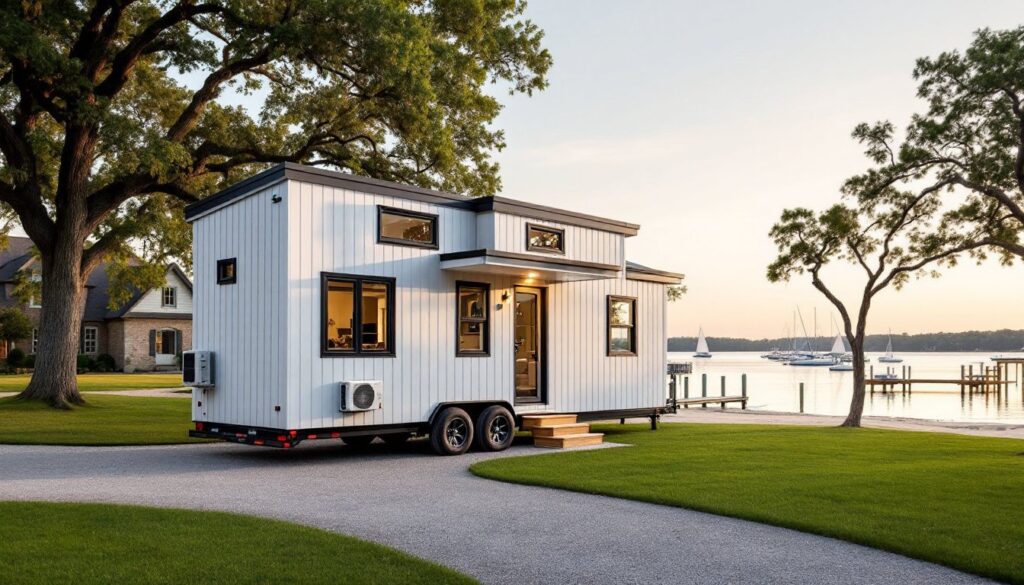

Rockwall, Texas, sits 22 miles east of Dallas, offering lake views, tight-knit neighborhoods, and a growing appetite for alternative housing. Tiny homes, typically under 400 square feet, are gaining traction here as buyers seek affordability, simplicity, and lower maintenance. Whether someone’s downsizing from a suburban house or jumping straight into minimalist living, Rockwall’s blend of small-town charm and metro access makes it a practical landing spot. This guide walks through what’s available, where to look, and the zoning and financing realities that come with buying a tiny home in this Texas lakeside community.
Table of Contents
ToggleKey Takeaways
- Tiny homes for sale in Rockwall offer an affordable alternative to traditional housing while maintaining proximity to Dallas (30 minutes via I-30) and the charm of a 48,000-person lakeside community.
- Zoning laws are the primary challenge—Rockwall requires 600-800 square feet for primary dwellings, so tiny homes typically must be registered as ADUs (Accessory Dwelling Units) on lots of 7,500+ square feet.
- Financing tiny homes requires creative alternatives since traditional mortgages don’t apply; options include personal loans (6-12%), RV loans (5-8%), chattel loans (7-10%), or cash purchases ($30,000-$100,000).
- When evaluating a tiny home, prioritize spray-foam insulation (R-13 walls, R-30 roof), mini-split HVAC systems, code-compliant plumbing and electrical, and adequate storage to maximize the limited square footage.
- Three types of tiny homes are available in Rockwall: THOWs (tiny homes on wheels, mobile but harder to finance), foundation-based ADUs (permanent structures with traditional financing), and prefab/modular homes (factory-built with 6-12 month lead times).
- Before purchasing land or a tiny home in Rockwall, schedule a pre-application meeting with the Planning and Zoning Department to confirm zoning eligibility and avoid costly compliance issues.
Why Rockwall, Texas Is Perfect for Tiny Home Living
Rockwall sits on the western shore of Lake Ray Hubbard, giving residents water access without the price tag of Highland Park or University Park. The city’s population hovers around 48,000, small enough to avoid gridlock but large enough to support grocery stores, medical facilities, and a growing restaurant scene.
Proximity to Dallas means jobs, airports, and entertainment are 30 minutes west via I-30, while Rockwall itself keeps a slower pace. For tiny home buyers, that balance matters, they can work in the city and retreat to a quieter footprint at night.
The cost of living in Rockwall runs about 8-12% higher than the Texas average, but still trails Dallas proper by 15-20%. Land here isn’t cheap, but it’s more accessible than urban lots. Buyers who own or lease a parcel can often place a tiny home on wheels (THOW) or build a foundation-based accessory dwelling unit (ADU), depending on zoning.
Local culture leans conservative and property-rights friendly, which can work in favor of tiny home owners, provided they meet code. The city’s harbor district and downtown square draw weekend crowds, and the school district ranks well, making Rockwall attractive to families and retirees alike.
Types of Tiny Homes Available in Rockwall
Tiny homes come in three main formats, and each has trade-offs in mobility, financing, and code compliance.
Tiny Homes on Wheels (THOW) are built on tandem-axle trailers, usually 8.5 feet wide and 20-30 feet long. They fall under RV or manufactured housing regulations rather than traditional IRC codes. Most THOWs are constructed with 2×4 framing, metal or shingle roofing, and LP SmartSide or board-and-batten siding. They’re easier to relocate but harder to finance through conventional mortgages. Buyers often pay cash or use personal loans. In Rockwall, THOWs typically park on private land or in RV parks that permit long-term occupancy.
Foundation tiny homes are permanent structures under 600 square feet, built to IRC standards on a concrete slab or pier-and-beam foundation. They’re titled as real property, which opens up traditional financing and higher resale value. These homes often serve as ADUs (accessory dwelling units) on lots with a primary residence. Foundation models in Rockwall commonly feature metal roofs, spray-foam insulation, and mini-split HVAC systems.
Prefab or modular tiny homes are factory-built in sections, trucked to the site, and set on a foundation. They meet HUD code or IRC, depending on the manufacturer. Prefabs offer faster build times and tighter quality control, but delivery logistics and crane costs can add $5,000-$10,000 in North Texas. Brands like Boxabl and Tumbleweed have dealer networks that reach the Dallas-Fort Worth area, though inventory fluctuates. Exploring options like tiny homes on wheels can provide insight into budget-friendly alternatives.
Where to Find Tiny Homes for Sale in Rockwall
Rockwall doesn’t have a dedicated tiny home dealership, but several channels offer inventory and leads.
Online marketplaces like Tiny House Listings, Tiny Home Builders, and Facebook Marketplace host active listings for THOWs and prefab shells. Filters for Texas and a 50-mile radius from Rockwall will surface options in Greenville, Terrell, and Forney. Craigslist Dallas still turns up occasional owner-sold THOWs, though due diligence on title and build quality is critical.
Local builders in the Dallas-Fort Worth metro specialize in custom tiny homes. Companies like Incredible Tiny Homes (based in Tennessee but with Texas delivery) and regional outfits such as Nomad Tiny Homes will quote builds starting around $50,000 for a basic THOW and $80,000+ for a foundation model with high-end finishes. Expect 6-12 month lead times.
Real estate agents familiar with Rockwall’s zoning can help locate lots zoned for ADUs or properties with existing tiny homes. MLS listings rarely tag “tiny home,” so searching for “guest house,” “ADU,” or “efficiency cabin” on Zillow or Realtor.com yields better results. For broader context on regional availability, resources like tiny home markets in Texas offer useful comparisons.
RV and tiny home communities near Rockwall, such as private campgrounds along Lake Ray Hubbard, sometimes allow long-term leases for THOWs. These setups bundle utilities and amenities but come with monthly lot fees ranging from $400 to $800. According to Apartment Therapy, communal tiny home living has grown in popularity as a middle ground between ownership and traditional renting.
Zoning Laws and Regulations for Tiny Homes in Rockwall
Zoning is the biggest hurdle for tiny home buyers in Rockwall. The city enforces minimum square footage requirements for primary dwellings, typically 600-800 square feet depending on the zoning district, which disqualifies most tiny homes as standalone residences.
Accessory Dwelling Units (ADUs) are permitted in certain residential zones, provided the lot meets minimum size (usually 7,500 square feet or larger) and the ADU doesn’t exceed 50% of the primary home’s square footage. An ADU can be a foundation tiny home, and it must comply with the International Residential Code (IRC), including egress windows, ceiling heights of at least 7 feet in habitable rooms, and proper electrical and plumbing permits.
Tiny homes on wheels fall into a gray area. If classified as an RV, they’re subject to parking and occupancy restrictions, many Rockwall neighborhoods prohibit living in an RV full-time. Some owners register their THOW as a manufactured home, but that requires a HUD label and proper anchoring to a foundation, which defeats the mobility advantage.
Building permits are required for any structure connected to utilities. Electrical work must meet NEC (National Electrical Code) standards, and plumbing installations need inspection. Septic or sewer hookups also require city approval. Skipping permits can result in fines and forced removal.
Before purchasing land or a tiny home, buyers should schedule a pre-application meeting with Rockwall’s Planning and Zoning Department. Staff can clarify which lots allow ADUs, what setbacks apply, and whether a proposed THOW qualifies. Understanding investment potential early in the process can also inform smarter buying decisions.
Financing Your Tiny Home Purchase in Rockwall
Traditional mortgages don’t apply to most tiny homes, especially THOWs, because lenders require real property as collateral. But, several alternatives exist.
Personal loans from banks or credit unions cover amounts up to $50,000-$100,000 with interest rates between 6-12%, depending on credit score. Terms run 5-7 years, and approval is faster than mortgage underwriting. This route works well for buyers paying cash for land and financing only the structure.
RV loans are available for certified THOWs with RVIA (Recreational Vehicle Industry Association) or NOAH (National Organization of Alternative Housing) certification. Rates hover around 5-8%, and terms extend up to 15 years. Banks like LightStream and Camping World offer RV financing with minimal down payments.
Chattel loans (also called personal property loans) are used for manufactured homes not permanently affixed to land. If a THOW or prefab tiny home qualifies, a chattel loan offers 10-20 year terms at slightly higher rates than conventional mortgages, typically 7-10%.
Construction loans apply when building a foundation tiny home. These short-term loans (6-12 months) cover materials and labor, then convert to a traditional mortgage once the structure is complete and appraised. Buyers need to own the land outright or have significant equity.
Cash purchases remain the most common path. Tiny homes cost $30,000-$100,000 depending on size and finishes, making them accessible to buyers who’ve sold a larger home or saved aggressively. According to HGTV, many tiny home buyers leverage proceeds from downsizing to avoid financing altogether, which simplifies the transaction and reduces monthly obligations.
Essential Features to Look for When Buying a Tiny Home
Space efficiency and build quality separate a livable tiny home from a glorified shed. Focus on these features during inspections or custom builds.
Insulation is non-negotiable in Texas. Summers hit 100°F, and winters drop to the 20s. Look for spray foam insulation (closed-cell, R-6 to R-7 per inch) in walls and ceilings, with a minimum of R-13 in walls and R-30 in the roof. Cheaper builds use fiberglass batts, which settle and leave gaps. Mini-split heat pumps (1-2 tons) are the most efficient HVAC option for tiny homes, providing both heating and cooling.
Structural integrity matters, especially for THOWs that will be towed. Framing should be 2×4 on 16-inch centers, with hurricane ties securing the structure to the trailer. Foundation tiny homes should sit on a 4-inch concrete slab with rebar or a pier-and-beam system appropriate for Rockwall’s expansive clay soils.
Plumbing and electrical systems must meet code. Check for PEX or copper supply lines, not polybutylene, which fails over time. Electrical panels should be 100-amp minimum, with GFCI outlets in kitchens and baths. If the home uses a composting toilet or greywater system, verify local health department approval.
Storage solutions maximize limited square footage. Look for built-in cabinetry, under-stair storage, loft access with proper railings (42 inches high per IRC), and furniture that doubles as storage. Kitchens should include a propane or induction cooktop (electric ranges draw too much power for small electrical systems) and a compact refrigerator (10-12 cubic feet).
Windows and ventilation prevent moisture buildup and mold. Egress windows (minimum 5.7 square feet of clear opening) are required in sleeping areas. Add ceiling fans and ridge vents to promote airflow. Many tiny home owners also install a whole-house fan or ERV (energy recovery ventilator) to manage humidity. Those considering broader regional options may also explore tiny homes in Kansas City for comparison.
Towing and transport (for THOWs) require a Class 3 or Class 4 hitch and a truck with a tow rating exceeding the home’s weight, typically 10,000-14,000 pounds fully loaded. Braking systems (electric or surge) are legally required for trailers over 3,000 pounds in Texas.
Conclusion
Buying a tiny home in Rockwall requires more assignments than a conventional house purchase, but the payoff, lower costs, reduced maintenance, and simplified living, appeals to a growing number of Texans. Zoning and financing present real obstacles, so buyers should consult local planning staff and explore alternative loan products early. Whether opting for a THOW, a foundation ADU, or a prefab model, prioritize insulation, code compliance, and storage. For those interested in exploring more options, tiny home resources provide additional guidance. Rockwall’s lakeside location and metro proximity make it a practical base for downsized living, provided the assignments gets done upfront.