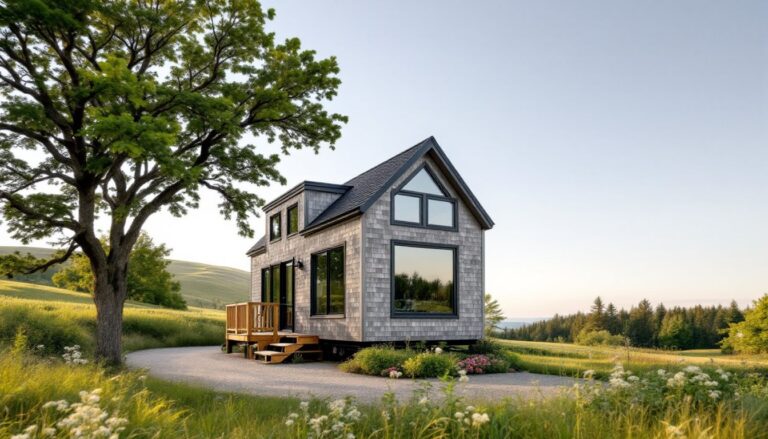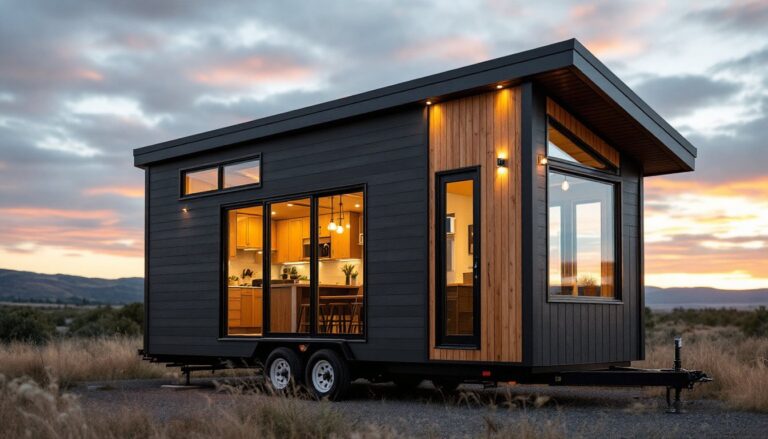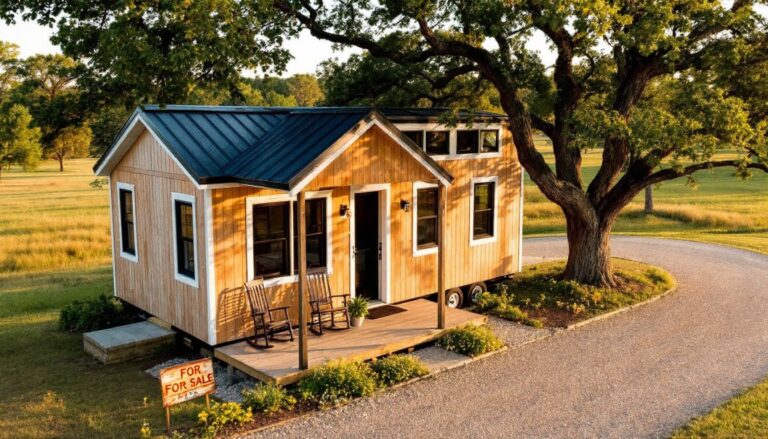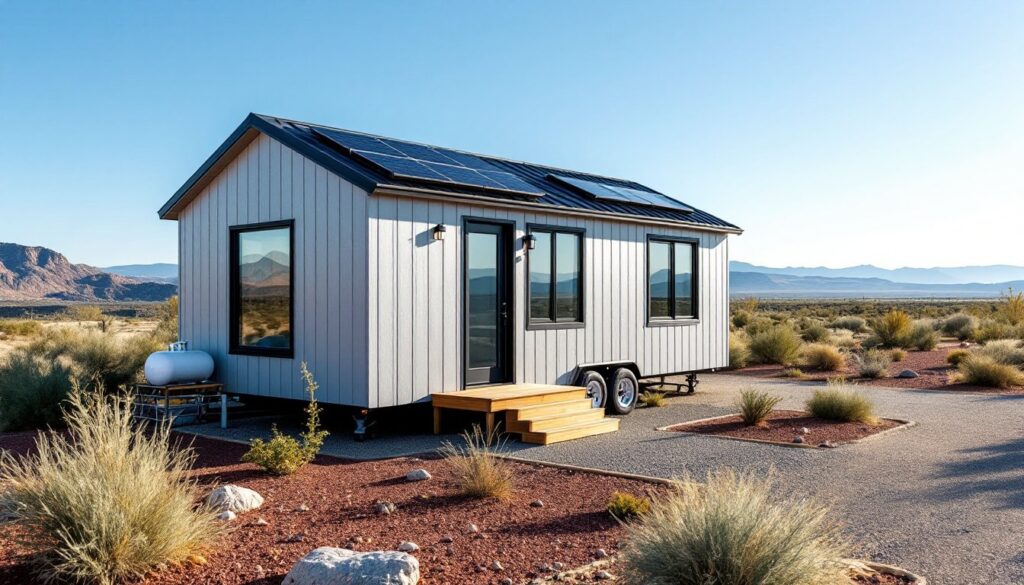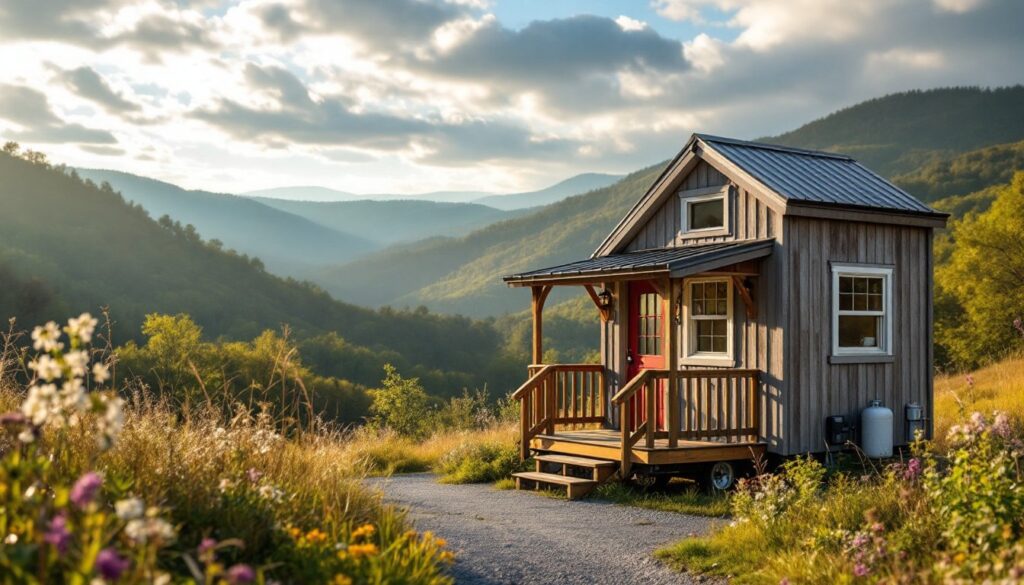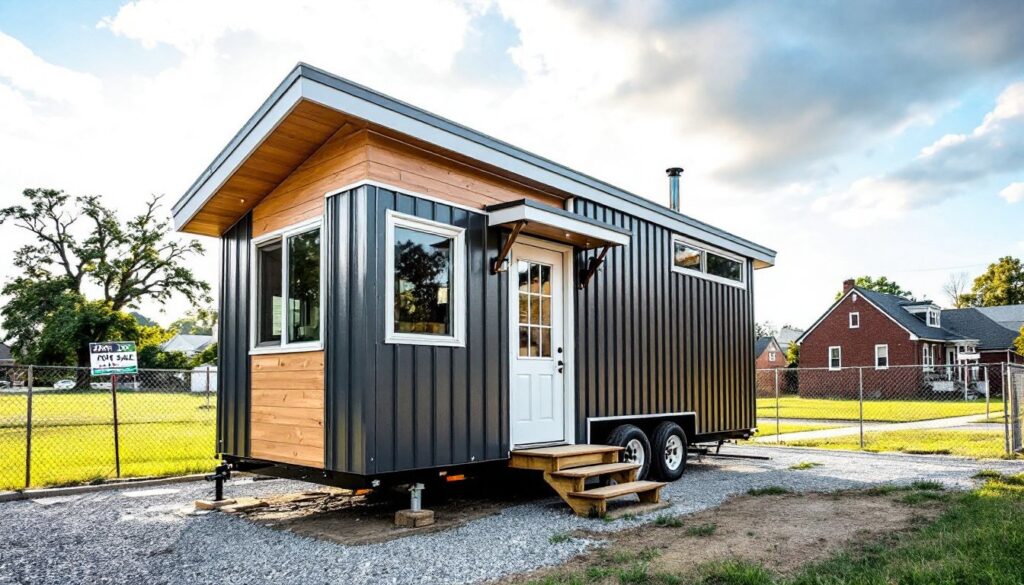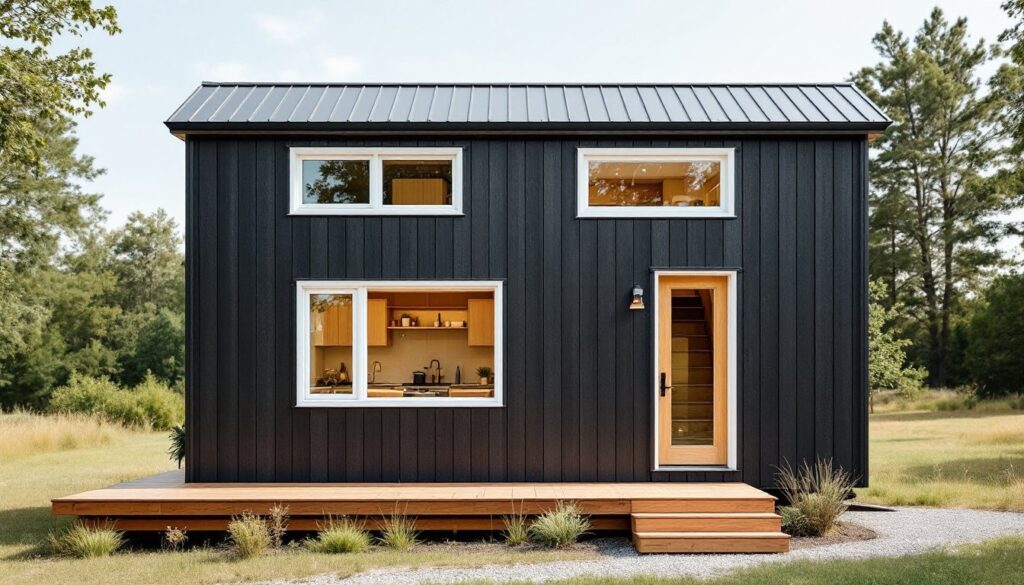

Building up instead of out has become the go-to strategy for anyone serious about tiny living. A two story tiny house delivers twice the usable space without expanding the foundation footprint, critical when you’re working with 400 square feet or less. Whether it’s a sleeping loft accessed by ladder or a full second floor with proper stairs, going vertical solves the biggest complaint about tiny homes: where to put your stuff. This guide breaks down layout options, design strategies, and the construction realities of two story tiny homes, so you can decide if stacking levels makes sense for your build.
Table of Contents
ToggleKey Takeaways
- A 2 story tiny house doubles usable living space without expanding the foundation footprint, turning 200 square feet into 400 square feet of livable area.
- Two story tiny homes preserve outdoor space on small lots and stay within trailer height limits (13.5 feet) while meeting building codes better than single-level designs.
- Loft bedrooms with ladders maximize floor space below but suit only mobile builds, while full second floors with proper stairs offer better accessibility and code compliance for permanent foundations.
- Strategic design choices like built-in stair storage, high main-floor ceilings, and vertical mechanical systems separate a genuinely livable 2 story tiny house from a cramped box.
- Budget $40,000–$90,000 for a DIY or professional two story tiny house shell with finishes, and verify local building codes early since regulations vary between RV standards, IRC, and ADU classifications.
- Second-floor framing requires proper load paths using 2×6 or 2×8 floor joists on 16-inch centers, and trailer-mounted builds need engineered lumber to manage the 10,000–14,000 pound weight load.
Why Choose a 2 Story Tiny House Over a Single Level?
The math is simple: a 200-square-foot footprint becomes 400 square feet with a second level. That doubling of space allows real room separation, sleeping areas upstairs, living and kitchen below, without the open-plan compromises of a single-story layout.
Vertical builds also preserve outdoor space. On small lots or trailer-mounted tiny homes, every square foot of ground matters. A two story design keeps your outdoor patio, garden, or parking area intact while still delivering livable interior volume.
Towing considerations come into play for mobile builds. Most states cap trailer height at 13 feet 6 inches without special permits. A well-designed two story tiny home on a trailer stays under that limit, but just barely, expect ceiling heights around 6 feet in lofts. For foundation builds, height restrictions depend on local zoning, but most residential codes allow structures up to 35 feet before triggering additional review.
Another advantage: resale and code compliance. Two story designs with proper stairs (not just ladders) meet building codes more easily in many jurisdictions that regulate ceiling height and egress. They also appeal to a broader buyer pool if you ever sell, since permanent stairs feel less like camping and more like home.
Popular 2 Story Tiny House Layout Options
Loft Bedroom with Main Floor Living
This is the classic tiny house layout: a sleeping loft perched above the main living area, accessed by a ladder or steep ship’s stairs. The ground floor holds the kitchen, bathroom, and living space. Ceiling height in the loft typically runs 3 to 4 feet at the peak, enough to sit up in bed, but not stand.
Pros: Maximizes usable floor space below. The loft doesn’t need full headroom, so you can keep overall building height low. Works well on trailers where every inch of height counts.
Cons: Ladder access isn’t practical for everyone, especially older adults or anyone with mobility limits. Hauling laundry or luggage up a ladder gets old fast. Lofts can also trap heat in summer and feel claustrophobic.
Common dimensions: Lofts typically span the width of the structure (7 to 8.5 feet on a standard trailer) and run 6 to 10 feet deep. That’s enough for a queen mattress with minimal clearance on the sides. Many builders incorporate CAD design plans to optimize every inch of loft space before cutting any lumber.
Full Second Floor with Stairs
A true second story includes a full-height upper level (6 feet 8 inches minimum per IRC code) and permanent stairs. This layout feels more like a traditional home and typically includes a bedroom, small office, or kids’ sleeping area upstairs.
Pros: Proper headroom and code-compliant egress. Stairs are safer and more accessible than ladders, especially for families. You can fit real furniture upstairs, not just a mattress.
Cons: Stairs eat up precious square footage, expect to lose 25 to 35 square feet on both levels for a code-compliant run. The increased height may trigger stricter permitting or rule out trailer mobility entirely.
Design note: Alternating-tread stairs (sometimes called ship’s stairs or paddle stairs) split the difference. They’re steeper than standard stairs but safer than ladders, and they take up less space, around 15 to 20 square feet. Check local code: some jurisdictions allow them as primary egress, others classify them as secondary.
For those considering permanent foundations, understanding local tiny home regulations ensures your stair design passes inspection before you frame the first step.
Design Tips for Maximizing Space in a Two Story Tiny Home
Install built-in storage under stairs. Every riser can hold a pull-out drawer. Every stringer can back a cabinet. Stair storage is non-negotiable in a tiny build, treat it as bonus square footage. Use plywood drawer boxes on full-extension slides rated for at least 75 pounds.
Spec high ceilings on the main floor. If you can push the first floor ceiling to 9 or 10 feet, the space feels dramatically larger. That height also gives enough room for a sleeping loft above without making the ground floor feel like a cave. Keep in mind that compact kitchen layouts benefit from tall upper cabinets when ceiling height allows.
Use dormers or shed-roof profiles to add loft headroom. A simple shed dormer over the sleeping loft can add 18 to 24 inches of standing height where you need it most, over the bed or near a loft closet. This moves your roofline up slightly but pays off in livability.
Design your mechanical systems vertically. Run plumbing and HVAC in a single chase or wall cavity that spans both floors. PEX tubing and flexible ductwork make vertical runs easier than rigid copper or sheet metal. A single mini-split head on the first floor often heats the loft via natural convection: add a small USB-powered fan in the loft to push warm air down in winter.
Frame with 2×4 studs on 24-inch centers if local code allows. This opens up a bit more interior width compared to 2×6 framing. For exterior walls, you can hit R-13 insulation with spray foam or dense-pack cellulose in a 2×4 cavity, enough for most climates if you detail air sealing carefully.
Opt for pocket doors or barn-door sliders. Swing doors waste floor space. A 30-inch pocket door saves about 10 square feet when you factor in door swing clearance. Barn doors look sharp and don’t need wall cavity space, but they don’t seal sound as well, fine for a closet, not ideal for a bathroom.
Wire for 120V throughout but plan DC circuits for loft lighting. Low-voltage LED tape lights under loft rails or in stair risers add ambiance without pulling heavy loads. Many tiny builds also include USB outlets in the loft headboard wall for phone charging.
These strategies apply whether you’re building a custom tiny home or modifying an existing plan. Details like built-in storage and smart mechanical routing separate a cramped box from a genuinely livable space.
Building Considerations: Codes, Costs, and Construction
Code and permitting vary wildly. Some jurisdictions classify tiny homes under RV codes (RVIA), others under the International Residential Code (IRC) Appendix Q, and some have no category at all. A two story design with a permanent foundation is usually treated as an accessory dwelling unit (ADU) and must meet IRC standards, minimum ceiling height, egress windows, stair dimensions. If your build is on a trailer, it may fall under transportation regulations rather than building codes. Contact your local building department before you pour a footer or order a trailer. According to Fine Homebuilding, meeting code requirements upfront saves headaches later, especially for resale.
Stair code is non-negotiable. IRC requires minimum 10-inch tread depth, maximum 7.75-inch riser height, and 36-inch width for primary stairs. Handrails must run 34 to 38 inches above the nosing. Alternating-tread stairs have different specs: minimum 5-inch tread depth on the narrow end, and they must alternate. Many tiny builds use ship’s stairs for loft access and keep a full staircase for a second-floor bedroom to satisfy code.
Budget $25,000 to $60,000 for a DIY shell, depending on size and finishes. A 20-foot trailer-mounted two story shell might land near the lower end: a 400-square-foot foundation build with full second floor pushes higher. Add another $15,000 to $30,000 for interior finishes, appliances, and systems. Pro builds or turnkey models start around $70,000 and climb past $120,000 with custom details. Costs fluctuate with lumber prices and regional labor rates.
Framing a second floor requires proper load paths. Your first-floor walls must carry live loads (40 psf for residential floors per IRC) plus dead loads (framing, finishes, furniture). Use 2×6 or 2×8 floor joists on 16-inch centers for the second floor, spanning between load-bearing walls or a beam. Don’t hang a second floor off a single beam without engineer approval, this is where DIY projects fail inspection. If you’re unsure, hire a structural engineer to stamp your plans. Costs run $500 to $1,500 for a straightforward tiny build review.
Trailer builds demand special attention to weight distribution. A two story tiny house on a trailer can easily hit 10,000 to 14,000 pounds loaded. You need a dual-axle or triple-axle trailer rated for that weight, plus proper tongue weight (10-15% of total). Frame your second floor with engineered lumber (LVL or I-joists) to save weight without sacrificing strength. Every pound matters when you’re towing.
Safety note: Always wear safety glasses, gloves, and a dust mask when cutting or handling lumber. Use a fall-arrest harness when framing or roofing above 6 feet. A two story build means working at height, don’t skip PPE.
Many builders look at regional markets for tiny homes to gauge realistic budgets and resale values before committing to a two story design.
Conclusion
A two story tiny house trades a larger footprint for vertical efficiency, delivering double the living area without double the foundation. Whether it’s a loft and ladder or a full second floor with code-compliant stairs, the layout you choose depends on mobility needs, budget, and where you plan to park or build. Start with a detailed plan, confirm your local codes early, and design every inch with purpose, because in a tiny home, there’s no such thing as wasted space.