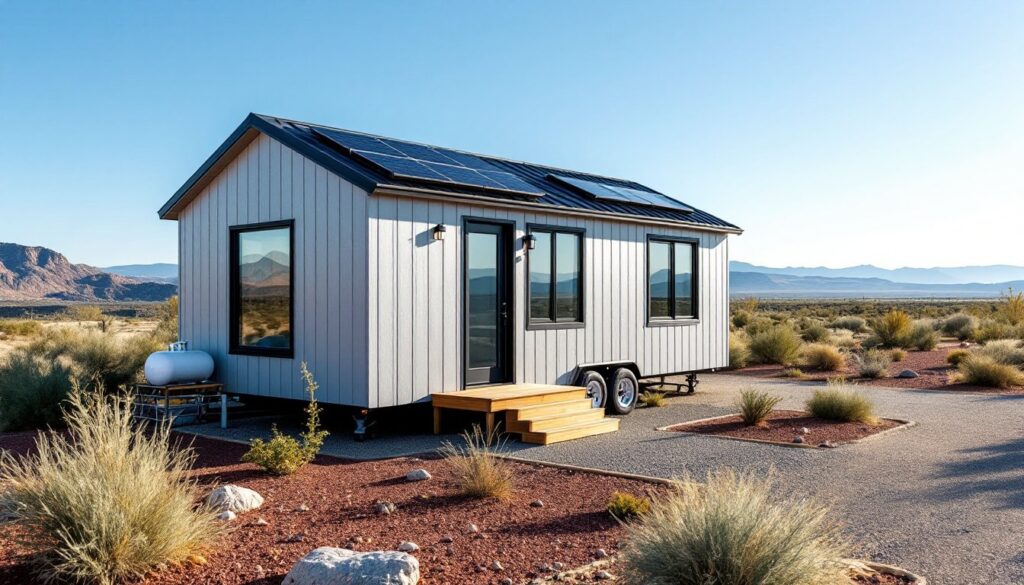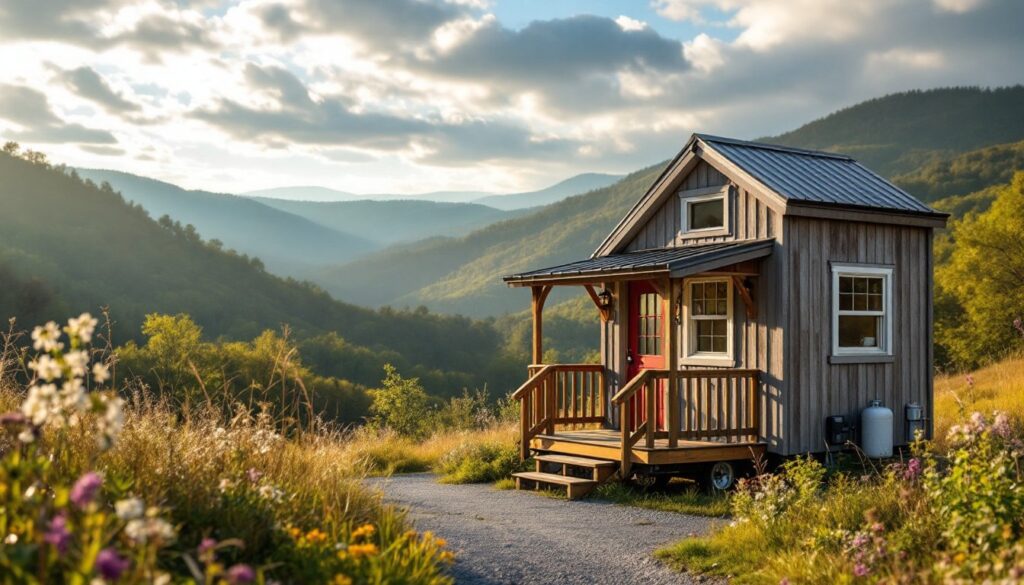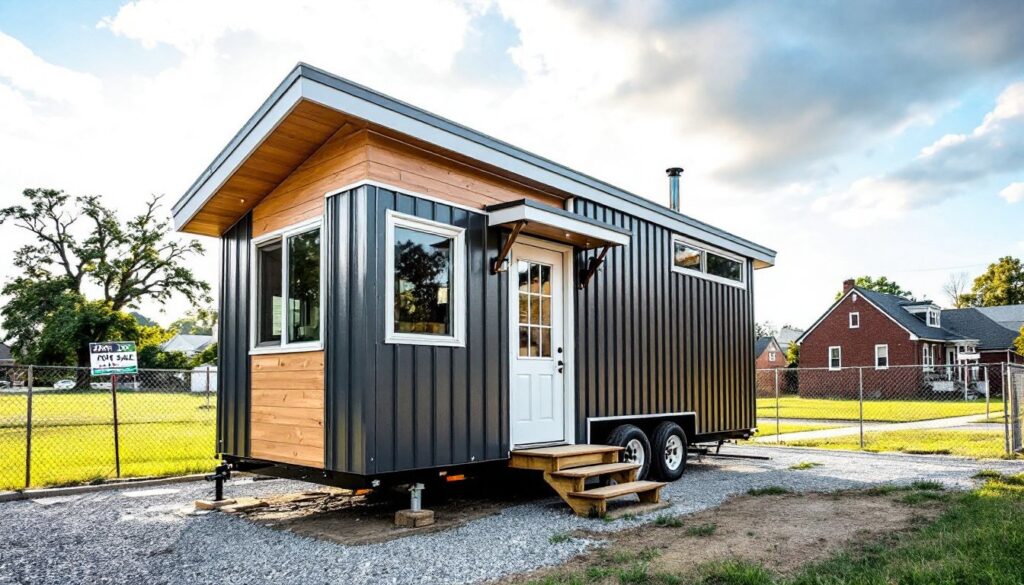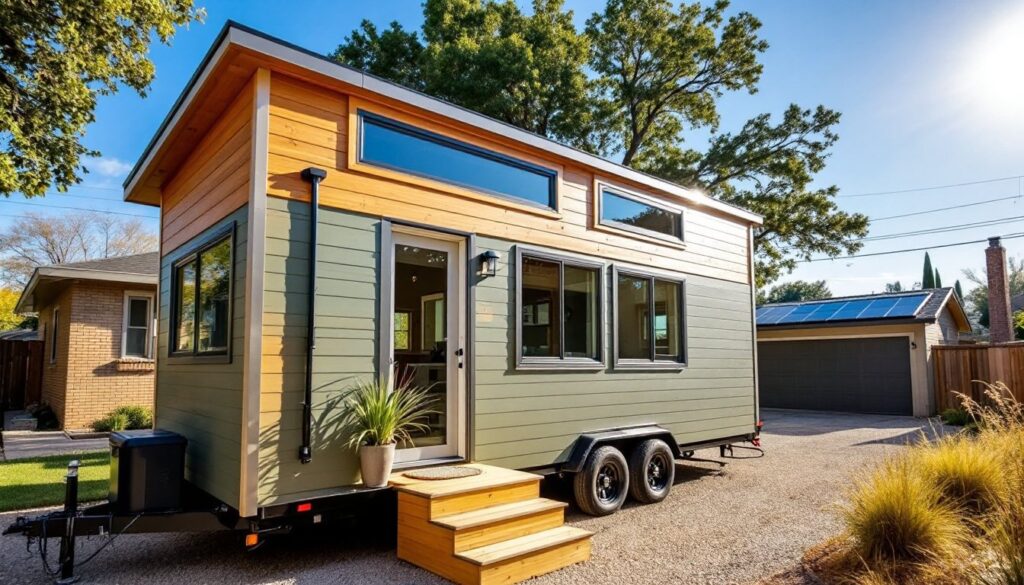

Austin‘s blend of progressive culture, tech-driven economy, and mild climate has made it a magnet for alternative housing solutions, and tiny homes are leading the charge. Whether someone’s chasing financial freedom, environmental sustainability, or just fewer belongings to dust, the capital city offers unique opportunities and challenges for going small. This guide breaks down the regulations, placement options, costs, and builders shaping Austin’s tiny home scene, so anyone considering the move can make informed decisions without surprises down the road.
Table of Contents
ToggleKey Takeaways
- Austin’s tiny homes market thrives due to high housing costs (median $550,000+), progressive culture, mild climate, and a tech-savvy remote workforce seeking affordable, flexible living solutions.
- Tiny homes in Austin fall into two regulatory categories: foundation-based ADUs (subject to residential codes) and THOWs (treated as RVs with stricter placement restrictions), requiring different permits and compliance pathways.
- Costs for tiny homes in Austin range from $25,000 for DIY builds to $140,000 for turnkey ADUs, plus land, utility upgrades, and permits—mid-range turnkey options average $70,000–$90,000.
- Placement options include backyard ADUs on existing property, tiny home communities ($400–$800/month pads), rural leased land, and unincorporated county areas, each with distinct trade-offs for convenience and commute.
- Top local builders like Nomad Tiny Homes, ATX Tiny Casas, and Tiny Texas Houses offer custom designs, but verify licensing and references to avoid unqualified contractors in Austin’s growing tiny home market.
- Monthly utility costs for well-insulated tiny homes average $120–$220 (electricity, propane, internet, water), significantly lower than conventional homes, plus financing challenges since traditional mortgages don’t cover THOWs.
Why Austin Is a Hotspot for Tiny Home Living
Austin’s appeal goes beyond breakfast tacos and live music. The city’s housing market has seen median home prices climb past $550,000 as of early 2026, pricing out many first-time buyers and forcing creative solutions. Tiny homes, typically under 400 square feet, offer an entry point that sidesteps crushing mortgages.
The local culture amplifies the trend. Austin embraces sustainability, minimalism, and unconventional lifestyles more openly than many Texas cities. Community land trusts and co-housing projects have sprouted in East Austin and near Zilker, providing social infrastructure for tiny home dwellers who want neighbors without sprawl.
Climate plays a role too. Austin’s winters rarely dip below freezing, reducing heating demands that can strain tiny home HVAC systems. Summers are brutal, but a well-insulated 200-square-foot shell is easier to cool than a 2,000-square-foot ranch. Add in the city’s push for renewable energy adoption, and solar-powered designs become highly practical.
The tech workforce, often remote and transient, views tiny homes as flexible assets. Unlike traditional homes, many tiny houses on wheels (THOWs) can relocate when job contracts shift, appealing to a demographic that values mobility over permanence.
Understanding Austin’s Tiny Home Regulations and Zoning Laws
Austin’s regulations split tiny homes into two camps: accessory dwelling units (ADUs) on foundations and recreational vehicles (RVs) on wheels. The distinction matters, a lot.
ADUs must meet the International Residential Code (IRC) Appendix Q, which governs tiny houses as permanent structures. They require foundation footings, proper egress windows (minimum 5.7 square feet of opening), ceiling heights of at least 6 feet 8 inches in living areas, and loft stairs with treads no smaller than 7 inches. Permits, inspections, and utility hookups follow standard residential construction rules. Austin allows ADUs on lots zoned SF-3 or less restrictive, provided the primary dwelling exists and the ADU doesn’t exceed 1,100 square feet or 15% of lot size.
THOWs fall under RV codes, not residential. The City of Austin treats them as vehicles, meaning they can’t serve as permanent residences in standard residential zones unless parked in an approved RV park or on agricultural land zoned for such use. Travis County has slightly more leniency in unincorporated areas, but enforcement varies.
Electrical work requires a licensed electrician per the National Electrical Code (NEC), especially for 30-amp or 50-amp RV hookups. Plumbing must meet Texas State Board of Plumbing Examiners standards, and greywater systems need separate permits if used. Anyone serious about navigating tiny home regulations should consult the city’s Development Services Department early, assuming compliance after construction leads to costly retrofits or forced removal.
Where to Place Your Tiny Home in Austin
Location defines livability. Austin offers several pathways, each with trade-offs.
Backyard ADUs are the most straightforward for property owners. If someone already owns a lot in Central Austin, Mueller, or South Congress, adding a foundation-based tiny home as an ADU provides rental income or multigenerational housing. Setbacks typically require 5 feet from rear and side property lines, and the unit must connect to city water and sewer, no composting toilets as primary systems in city limits.
Tiny home communities like Community First. Village (East Austin) and Pecan Grove RV Park (South Austin) cater specifically to small dwellings. Community First., a nonprofit addressing homelessness, houses over 500 residents in tiny homes, RVs, and micro-shelters. Private communities often charge $400–$800/month for a pad with utilities, plus membership or HOA fees. Amenities vary, some include shared kitchens, workshops, and laundry: others are bare-bones parking.
Rural land in Bastrop, Hays, or Williamson counties offers more freedom. Unincorporated areas often permit THOWs as temporary dwellings with minimal restrictions, though well and septic systems add $10,000–$25,000 to upfront costs. Commutes to downtown Austin range from 30 to 60 minutes, and internet access can be spotty, Starlink has become a workaround for remote workers.
Leased land is emerging as an option. Landowners in the Austin metro list parcels on platforms like Apartment Therapy’s rental guides and local Facebook groups, allowing tiny homeowners to park in exchange for monthly rent. Contracts should specify utility responsibilities, access rights, and exit terms, verbal agreements rarely hold up when disputes arise.
Buying vs. Building a Tiny Home in Austin
The buy-or-build decision hinges on skill, time, and budget.
Buying turnkey from a builder eliminates construction headaches but costs more per square foot. A finished 250-square-foot THOW starts around $60,000 and climbs past $100,000 for custom finishes, appliances, and trailers rated for highway towing. Warranty coverage and code compliance come baked in, and most builders handle trailer registration and transport logistics.
DIY builds can shave 30–50% off costs if someone has carpentry skills and tools. A used 20-foot flatbed trailer rated for 10,000 pounds runs $3,000–$5,000. Framing with 2×4 studs (actual dimensions 1.5″ × 3.5″), metal roofing, and spray foam insulation adds another $8,000–$12,000. Windows, doors, plumbing, electrical, and finishes bring the total to $25,000–$40,000, assuming sweat equity and no major mistakes.
Permit requirements differ. An ADU build needs residential building permits, which trigger inspections at foundation, framing, rough-in, and final stages, expect a 6–12 month timeline. THOWs built as RVs don’t require building permits but must meet Department of Transportation (DOT) standards for road travel, including proper axle load distribution and tail lights wired per SAE J560 standards.
Tool needs aren’t trivial. A miter saw, circular saw, drill/driver, jigsaw, and level are baseline. A table saw helps with precision cuts, and a pneumatic nail gun speeds framing. Renting a spray foam rig or hiring an insulation contractor makes sense, air sealing is critical in Texas heat, and mistakes lead to condensation and mold. Anyone tackling electrical should own a multimeter and wire stripper, though hiring a licensed electrician for the panel and hookups is often code-required and safer.
Some opt for shell builds, buying a framed, roofed structure and finishing the interior themselves. Local builders in the Austin area offer shells for $20,000–$35,000, letting buyers control interior design while avoiding the steep learning curve of trailer framing and weatherproofing.
Top Tiny Home Builders and Retailers in the Austin Area
Austin’s tiny home market includes national brands and local craftsmen.
Nomad Tiny Homes (based in Hondo, about 90 miles south) builds custom THOWs with steel framing and drought-tolerant design features suited to Texas. Their models range from 200 to 400 square feet, starting around $70,000. Steel framing adds weight but resists termites and warping better than wood, important in humid Central Texas summers.
ATX Tiny Casas focuses on ADUs and foundation models, handling Austin permits and inspections as part of the package. They specialize in bespoke designs that integrate modern aesthetics with energy efficiency. Expect $85,000–$140,000 for a turnkey 300-square-foot ADU, including site prep and utility connections.
Tiny Texas Houses in Luling salvages reclaimed materials, barn wood, vintage windows, antique doors, for one-of-a-kind builds. Pricing varies wildly based on materials, but their work appeals to buyers prioritizing character over cookie-cutter layouts. Lead times stretch 8–12 months due to material sourcing.
Amazon and Home Depot now stock prefab tiny home kits, typically under $20,000 for basic shells. These are plywood-sided, uninsulated structures best used as backyard studios or storage, not code-compliant for full-time living without significant upgrades. They ship flat-packed and require assembly, making them accessible for confident DIYers but not turnkey solutions.
When vetting builders, ask for RVIA (Recreational Vehicle Industry Association) certification for THOWs or contractor licenses for ADUs. Check references, visit completed builds if possible, and clarify who handles delivery, setup, and utility hookups. Austin’s market includes hobbyists posing as professionals, licensing verification through the Texas Department of Licensing and Regulation prevents costly mistakes.
Cost Breakdown: What to Expect When Going Tiny in Austin
Tiny doesn’t always mean cheap, context matters.
Purchase/build costs range from $25,000 (DIY THOW) to $140,000 (turnkey ADU). Mid-range turnkey THOWs average $70,000–$90,000. Add $5,000–$15,000 for upgraded appliances (propane ranges, 12V refrigerators, composting toilets), finishes (quartz counters, hardwood floors), or solar arrays.
Land/pad costs vary dramatically. Buying rural acreage in Bastrop averages $5,000–$15,000 per acre, but well, septic, and electric hookups add $15,000–$30,000. Leasing a pad in a tiny home community runs $400–$800/month. Placing an ADU on existing property avoids land costs but may require utility upgrades, older Austin neighborhoods often need 200-amp electrical panels ($1,500–$3,000 installed) to support a second dwelling.
Permits and inspections for ADUs cost $1,500–$4,000 depending on scope. THOWs skip building permits but pay for trailer registration ($200–$500) and annual vehicle registration if moved regularly.
Utilities are cheaper than conventional homes but not negligible. A well-insulated 250-square-foot home with a mini-split heat pump (1-ton capacity) averages $40–$80/month for electricity in Austin’s climate. Propane for cooking and water heating runs $20–$40/month. Internet and water add another $60–$100 combined. Anyone exploring off-grid options should budget $8,000–$15,000 for solar panels (3–5 kW system), batteries (lithium-ion recommended for Texas heat), and inverter.
Maintenance costs less in absolute dollars but more per square foot. Metal roofing lasts 30+ years with minimal upkeep. Spray foam insulation doesn’t settle like fiberglass. Composting toilets require annual drum cleaning but eliminate septic pumping fees ($300–$500 every 3–5 years for conventional systems). Trailer axles and tires (if applicable) need inspection every 3,000 miles or annually, tire replacement for 15-inch trailer tires costs $400–$600 for a set.
Financing is tricky. Traditional mortgages don’t cover THOWs because they’re not real property. RV loans offer terms up to 15 years at higher interest rates (6–10% as of 2026). Personal loans and home equity lines (if adding an ADU to existing property) are alternatives. Tiny home grant programs exist but are competitive and often income-restricted, aimed at affordable housing initiatives rather than lifestyle downsizers.
Insurance runs $600–$1,200/year for THOWs, comparable to RV policies. ADUs typically add $300–$600 to homeowners’ insurance. Specialty tiny home insurers like Tiny Home Insurance and Strategic Insurance Agency understand unique risks, standard policies may exclude mobile structures or off-grid systems.
Conclusion
Going tiny in Austin requires more than downsizing belongings, it demands navigating zoning codes, choosing the right location, and budgeting for hidden costs. The city’s supportive culture and climate make it viable, but success hinges on doing assignments upfront. Whether building an ADU in the backyard or parking a THOW on leased land, those who respect the process and plan for contingencies find Austin’s tiny home scene rewarding, both financially and in quality of life.