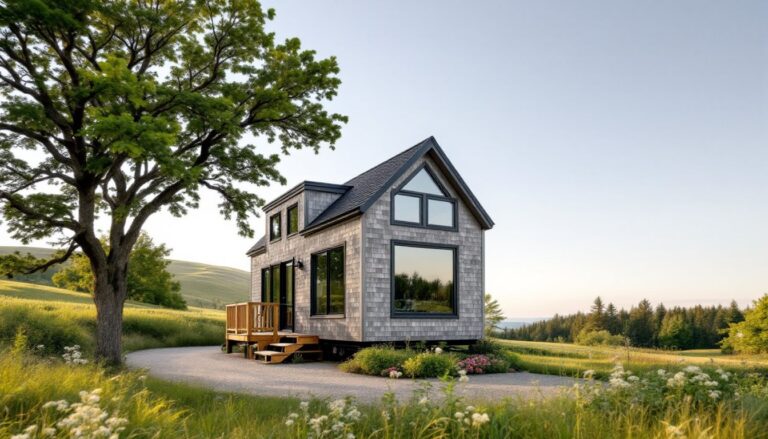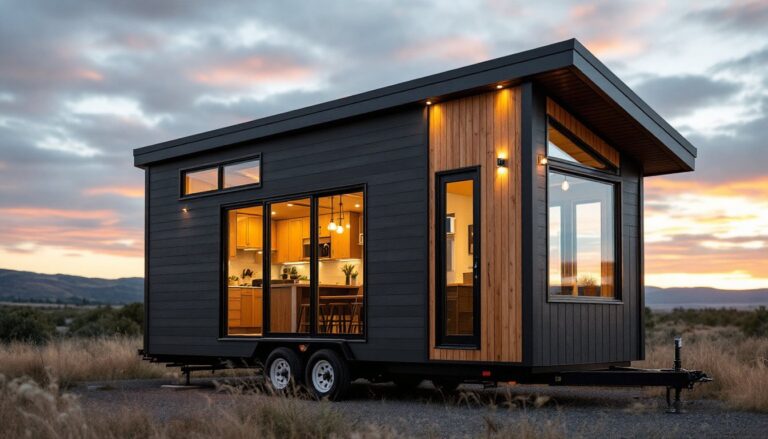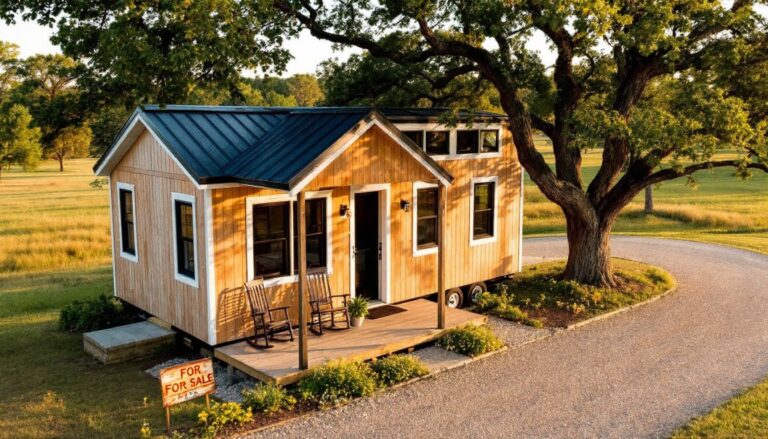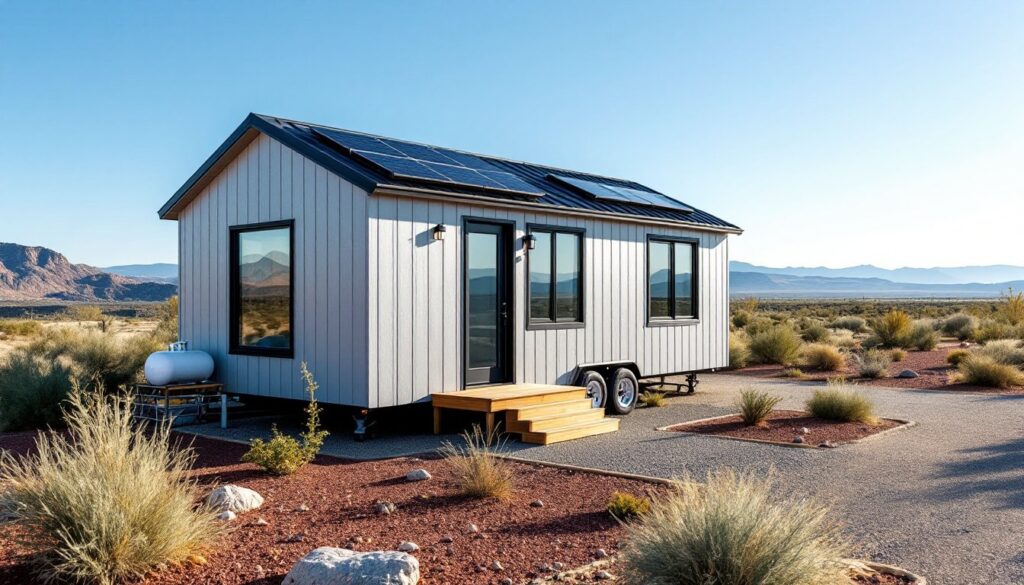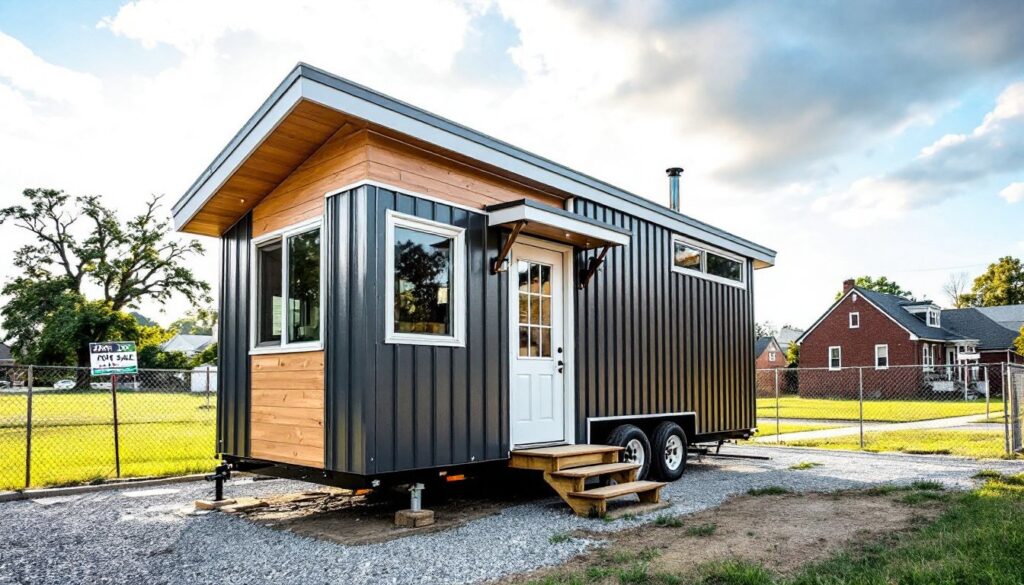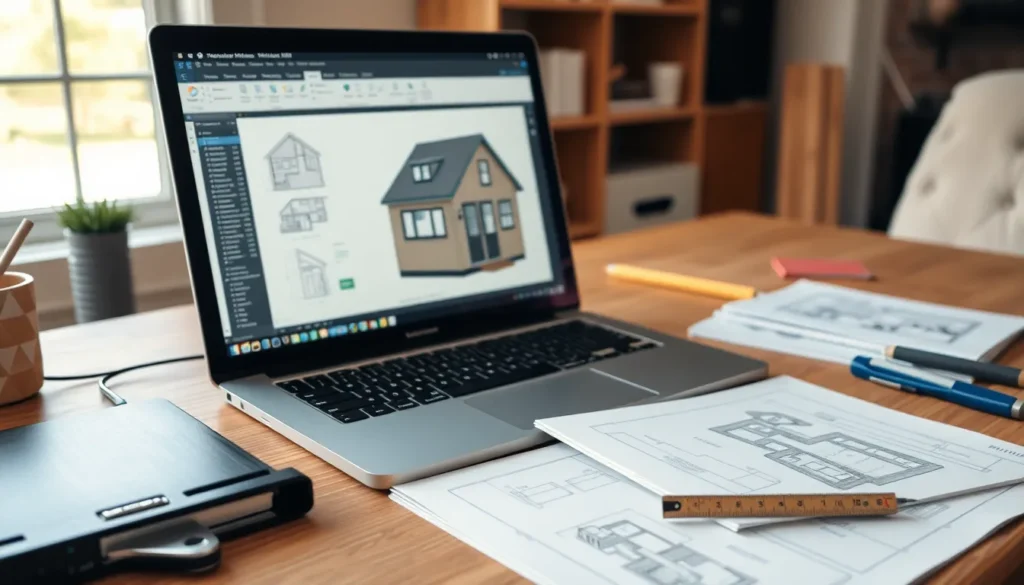

In a world where bigger often means better, tiny houses are flipping the script. These pint-sized havens offer the charm of cozy living without the hefty price tag. But before diving headfirst into your dream of downsizing, there’s a crucial ingredient missing from the recipe: tiny house CAD files. Think of them as the secret sauce that transforms your tiny vision into reality.
Overview of Tiny House CAD Files
Tiny house CAD files are crucial assets in the design and building process. These digital blueprints streamline the transition from concept to reality by allowing for precise planning.
Importance of CAD Files in Tiny House Design
CAD files play a vital role in tiny house design by offering detailed representations of structures. Designers can visualize layouts accurately with dimensions and space utilization considered. Architects save time and resources by identifying potential issues early in the design phase. Moreover, CAD files facilitate customization, enabling builders to adapt designs to individual preferences. Integrating building codes and local regulations becomes simpler, ensuring compliance throughout the project.
Benefits of Using CAD Software for Tiny Houses
Using CAD software for tiny houses presents numerous advantages. First, it fosters creativity by enabling users to experiment with various layouts and designs. Second, CAD programs enhance efficiency, significantly reducing the time needed for modifications. Third, the software provides 3D modeling capabilities that enhance visualization, making it easier to understand spatial relationships. Additionally, CAD software can simplify collaboration among team members, promoting effective communication during the design process. Cost estimation tools within the software also aid in budgeting, ensuring the project remains financially feasible.
Popular Tiny House CAD File Options
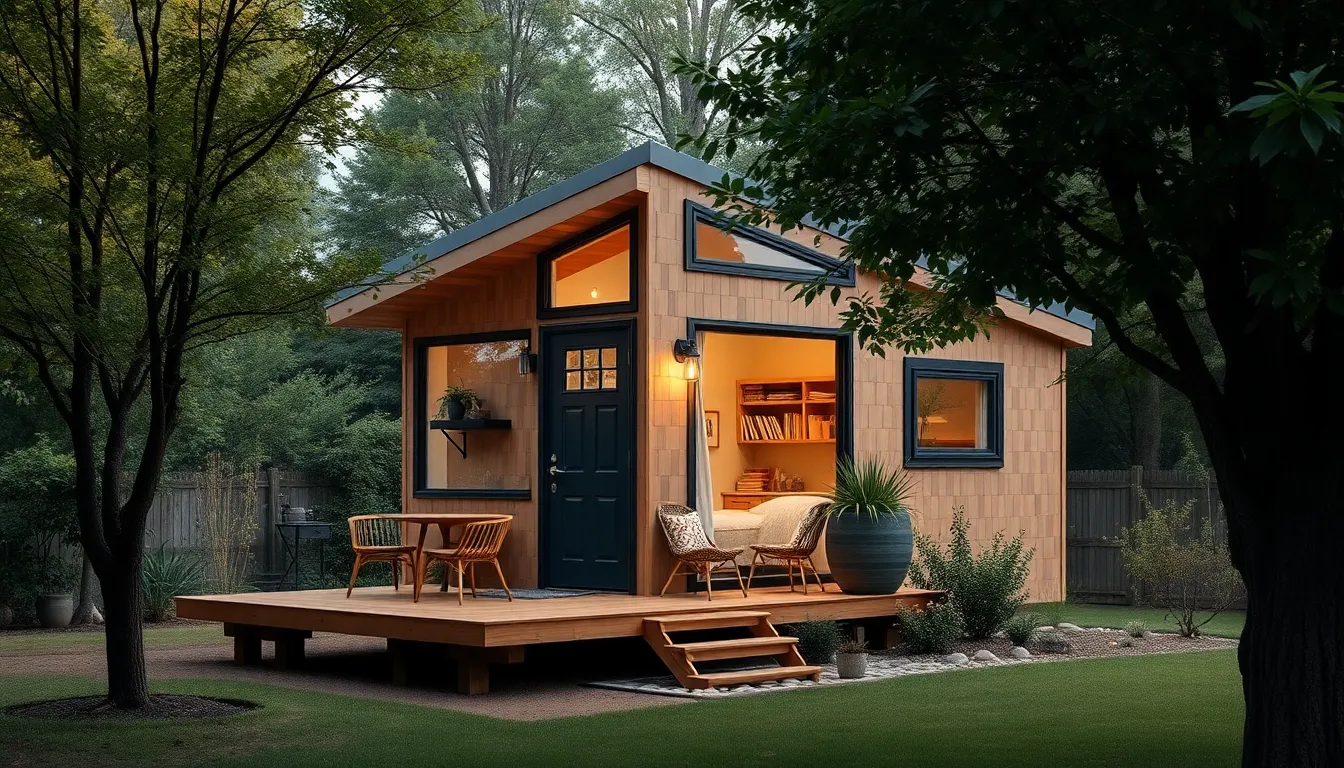
Various options exist for tiny house CAD files, enhancing the design process. Two main categories emerge: free and paid resources.
Free CAD File Resources
Numerous websites offer free CAD files tailored for tiny house designs. Platforms like Tiny House Talk provide downloadable plans suitable for various preferences. In addition, websites such as SketchUp and FreeCAD feature user-generated designs, allowing customization for several layouts. Many resources come with community support, making it easier to troubleshoot during the design process. Utilizing these free resources helps budget-conscious builders ensure quality while cutting costs.
Paid CAD File Options
Many paid options offer a more extensive range of features for tiny house designs. Resources like The Small House Catalog provide premium plans specifically designed by professionals, ensuring adherence to industry standards. These contain detailed specifications and construction guides, allowing for smoother project execution. Architectural Drawing Services also offers customized plans, catering to individual preferences with a focus on aesthetics and functionality. Investing in paid CAD files often results in higher quality design and more comprehensive support throughout the building process.
Features to Look for in Tiny House CAD Files
Finding the right tiny house CAD files involves identifying key features that enhance usability and design flexibility. Key attributes ensure the projects meet both aesthetic desires and practical needs.
Customization Capabilities
Customization capabilities rank highly among essential features. Many CAD files offer the ability to modify layouts, wall placements, and dimensions tailored to individual preferences. Builders can easily adjust existing designs to suit their specific lifestyle needs, making each tiny home unique. A strong customization option may include the ability to alter finishes and materials to match personal styles. Additionally, some CAD systems support integration with other software, allowing for further design enhancements.
Design Compatibility
Design compatibility is crucial when selecting tiny house CAD files. Files must align seamlessly with various CAD software to streamline the planning process. Check whether chosen files are compatible with popular programs like SketchUp or AutoCAD. Builders often want files that preserve all design elements without losing integrity during file conversion. Successful compatibility simplifies collaboration between architects, builders, and designers. A well-structured file makes it easier to share ideas, updates, and modifications throughout the construction process.
Tips for Using Tiny House CAD Files Effectively
Utilizing tiny house CAD files effectively enhances the design and building process. The following tips can streamline the workflow.
Getting Started with CAD Software
Start by familiarizing yourself with the chosen CAD software. Understanding the interface speeds up the learning curve. Explore available tutorials and community forums for additional support. Utilize templates specific to tiny houses to jump-start your design. Pay attention to dimensions, as accurate measurements directly impact the final build. Always save work frequently to prevent data loss and maintain project progress.
Common Mistakes to Avoid
Overlooking design compatibility can lead to major setbacks. Ensure chosen CAD files work with your preferred software to avoid technical issues. Failing to plan for utilities often results in cramped layouts. Account for plumbing and electrical needs early in the design phase. Another common mistake is neglecting local building codes, which may cause complications later. Always research regulations to ensure compliance. Lastly, rushing through the design process can result in overlooking essential details. Take time to review each element carefully before finalizing the plans.
Conclusion
Tiny house CAD files are invaluable tools that empower builders to create efficient and personalized living spaces. By leveraging these resources, individuals can navigate the complexities of design and construction with greater confidence. Whether opting for free or paid options, the right CAD files can significantly enhance the building experience, ensuring that every detail aligns with personal preferences and local regulations.
As the tiny house movement continues to grow, utilizing CAD files will play a crucial role in transforming innovative ideas into reality. With careful planning and the right tools, anyone can embark on their tiny house journey, making the dream of downsizing both achievable and enjoyable.