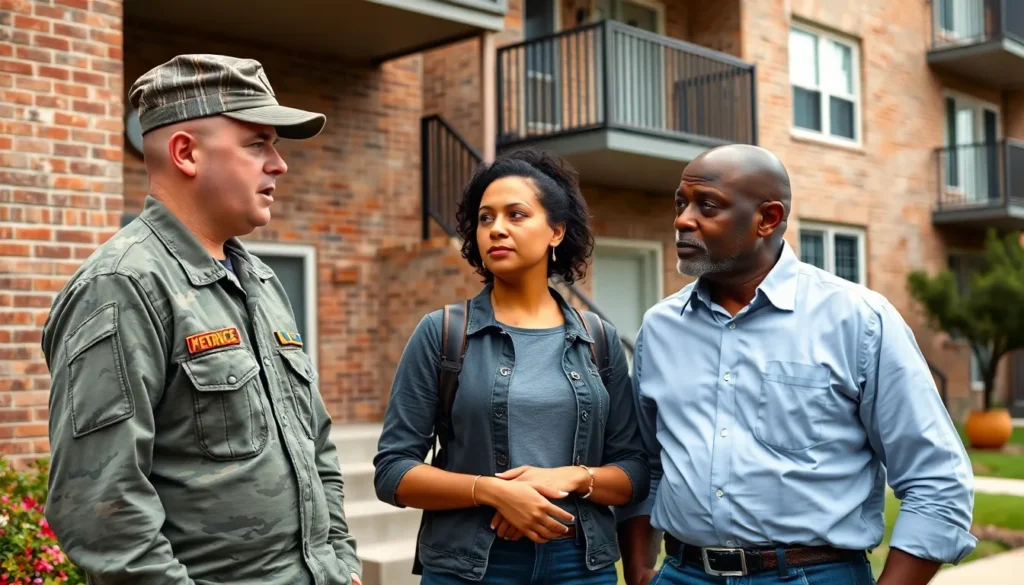

Navigating the world of tenant rights can feel like trying to decipher a military code, especially for veterans who’ve already faced their share of battles. With countless regulations and policies, it’s easy to feel overwhelmed. But fear not! Just like a trusty compass, understanding tenant rights can guide veterans to secure their housing and ensure their voices are heard.
Veterans deserve more than just a roof over their heads; they deserve a home that respects their service. From protection against discrimination to understanding lease agreements, knowing their rights can make all the difference. So grab your favorite mug of coffee and settle in as we unpack the essential tenant rights that every veteran should know. After all, it’s time to turn the tables and ensure that those who served our country can enjoy the peace and security they fought for.
Understanding Tenant Rights for Veterans
Veterans possess specific tenant rights designed to protect them in housing situations. Federal, state, and local laws govern these rights, ensuring veterans can access fair treatment. Key protections include safeguards against discrimination based on military status.
In many states, veterans cannot face eviction solely due to their service. Emergency housing assistance programs exist to support veterans facing homelessness. Lease agreements should respect veterans’ rights, providing clear terms related to tenancy.
Housing providers cannot deny housing based on a veteran’s service-related disability. Fair Housing Act provisions support this protection, promoting equal access. Additionally, some veterans may qualify for specific financial aid programs to meet housing expenses.
Legal resources are available for veterans needing assistance with tenant rights. Organizations like the U.S. Department of Housing and Urban Development offer guidance. Local veteran service organizations often provide information on housing rights and resources.
Understanding lease terms is crucial for veterans. Lease agreements should outline the responsibilities of both parties. Veterans should review documents carefully before signing.
Renters’ rights groups can provide additional support. These groups advocate for tenant protections, helping veterans navigate their rights. Legal counsel can assist in disputes regarding tenancy or housing discrimination.
Staying informed empowers veterans to take action regarding their housing situation. Familiarity with tenant rights contributes to securing safe and stable housing. Knowing these rights promotes peace of mind for veterans, honoring their service with the security they deserve.
Key Legislation Impacting Veterans’ Rights
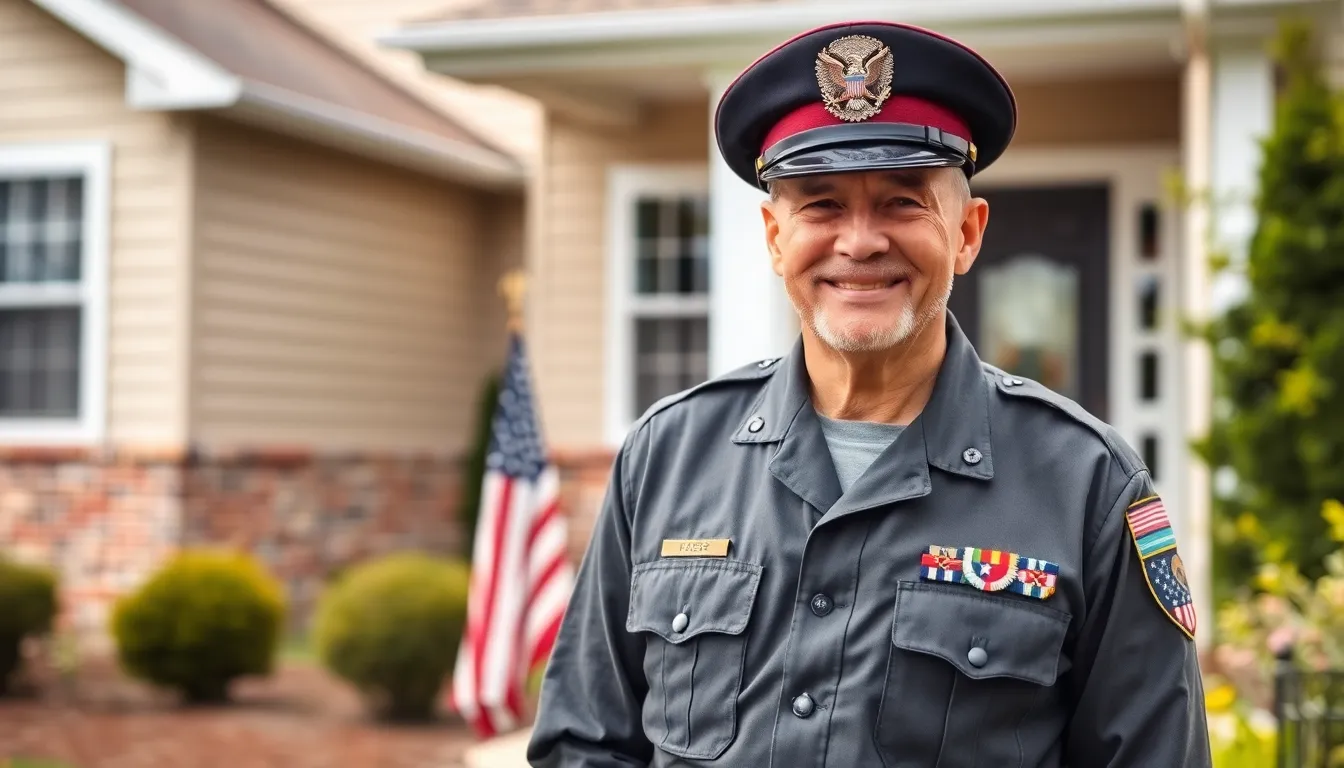
Understanding key legislation ensures veterans’ rights are upheld in housing situations. Two significant pieces of legislation include the Fair Housing Act and the Servicemembers Civil Relief Act.
The Fair Housing Act
The Fair Housing Act prohibits discrimination based on race, color, national origin, religion, sex, familial status, or disability. This law specifically protects veterans from discrimination due to military status or service-related disabilities. Housing providers cannot deny rental opportunities based on a veteran’s military service. Additionally, reasonable accommodations should be provided for veterans with disabilities. Reported violations can lead to investigations by the U.S. Department of Housing and Urban Development. Utilizing this act promotes equal housing opportunities for veterans.
The Servicemembers Civil Relief Act
The Servicemembers Civil Relief Act provides critical protections for service members, including provisions related to housing. This law allows service members to terminate leases without penalties if called to active duty. Additionally, it protects against eviction for those who cannot pay rent due to military obligations. Rent increases are limited, ensuring affordability while serving. Veterans who face financial difficulties due to service can seek assistance and safeguards through this act. Awareness of these protections empowers veterans to navigate housing challenges effectively.
Common Tenant Rights for Veterans
Veterans possess specific tenant rights that protect them from unfair treatment and promote safe living conditions. Understanding these rights enables veterans to secure stable housing that honors their service.
Right to Non-Discrimination
Veterans hold the right to non-discrimination based on military status or service-related disabilities. The Fair Housing Act ensures that landlords cannot refuse housing due to a person’s veteran status. Any discrimination in housing practices, including advertising and lease agreements, violates this act. When veterans face unfair treatment, they should document incidents and consider seeking legal help. Organizations such as local veteran service groups provide resources and support in addressing these issues. It’s crucial for veterans to know their rights so they can assert them confidently.
Right to Safe Housing
Safe housing remains a fundamental right for all veterans. Landlords are legally obligated to maintain properties that meet health and safety standards. Issues like mold, pest infestations, or faulty wiring must be promptly addressed by the landlord. Each state has specific building codes and regulations to enforce tenant safety. In situations where housing conditions fall short, veterans can file complaints with local housing authorities. Furthermore, legal resources are available to help veterans navigate disputes with landlords over unsafe living conditions. Having access to safe housing fosters a sense of security and well-being for veterans and their families.
Resources for Veterans
Veterans have access to various resources that help them understand and assert their housing rights. Legal aid organizations and veteran support groups play crucial roles in providing assistance.
Legal Aid Organizations
Legal aid organizations offer vital services for veterans facing housing issues. Such organizations often provide free legal advice, representation in housing disputes, and guidance on tenant rights under federal and state laws. Many regions host local legal aid offices focused on veterans, ensuring access to knowledgeable professionals. These offices can assist in understanding lease agreements and navigating eviction processes. Examples include the Legal Services Corporation and local pro bono programs, which cater specifically to those who have served.
Veteran Support Groups
Veteran support groups serve as essential resources for community and legal guidance. These organizations often provide information about tenant rights, local housing programs, and transitional housing options. Networking opportunities within these groups allow veterans to share experiences and recommendations, enhancing their understanding of available services. Additionally, many support groups advocate for veterans’ rights at local and national levels, promoting resources designed to prevent homelessness. Examples include the Disabled American Veterans and the Veterans of Foreign Wars, both of which offer support and resources tailored to veterans’ needs.
Conclusion
Understanding tenant rights is crucial for veterans seeking safe and stable housing. By being informed about protections against discrimination and eviction, veterans can navigate the complexities of housing laws with confidence. Access to resources like legal aid and veteran service organizations plays a pivotal role in ensuring they receive the support they need.
Empowering veterans to assert their rights not only helps them secure a home but also honors their sacrifices. It’s essential for veterans to take proactive steps in understanding their rights and seeking assistance when necessary. A safe and respectful living environment is not just a need; it’s a fundamental right that every veteran deserves.