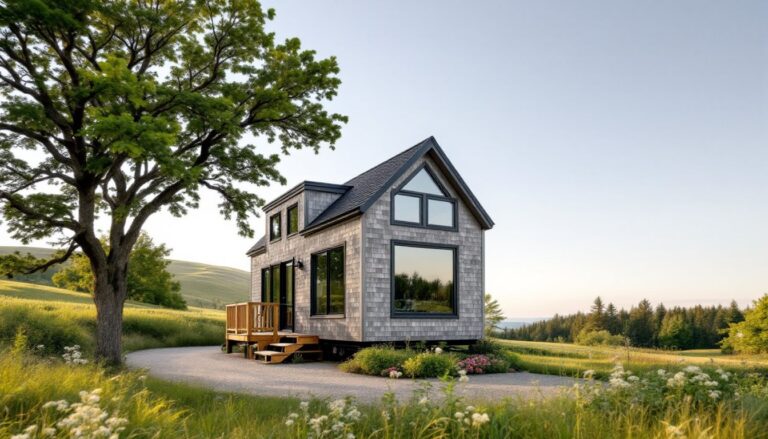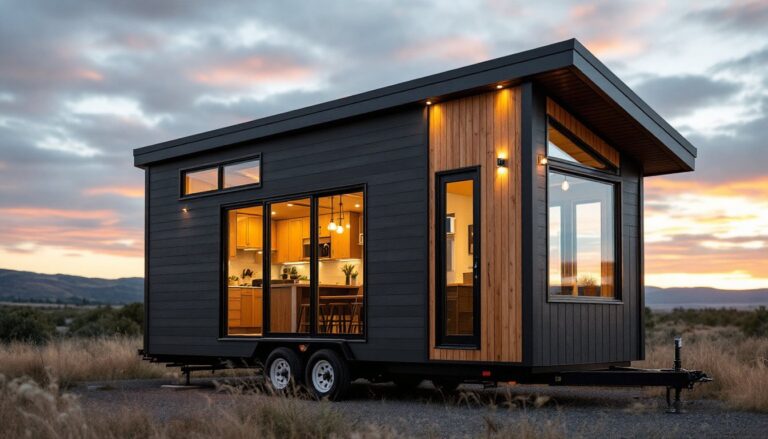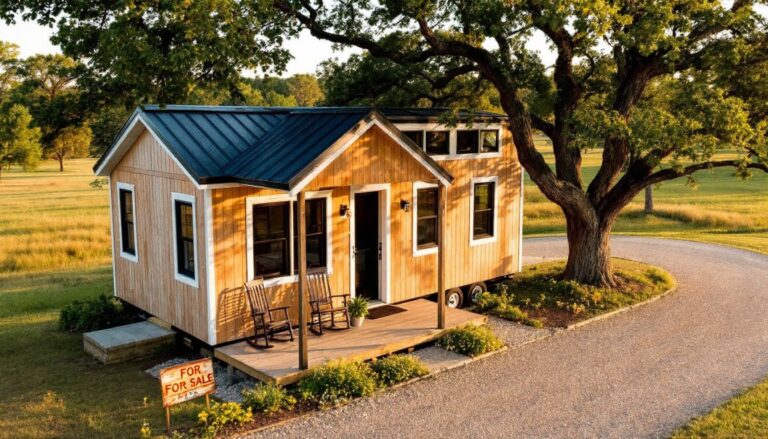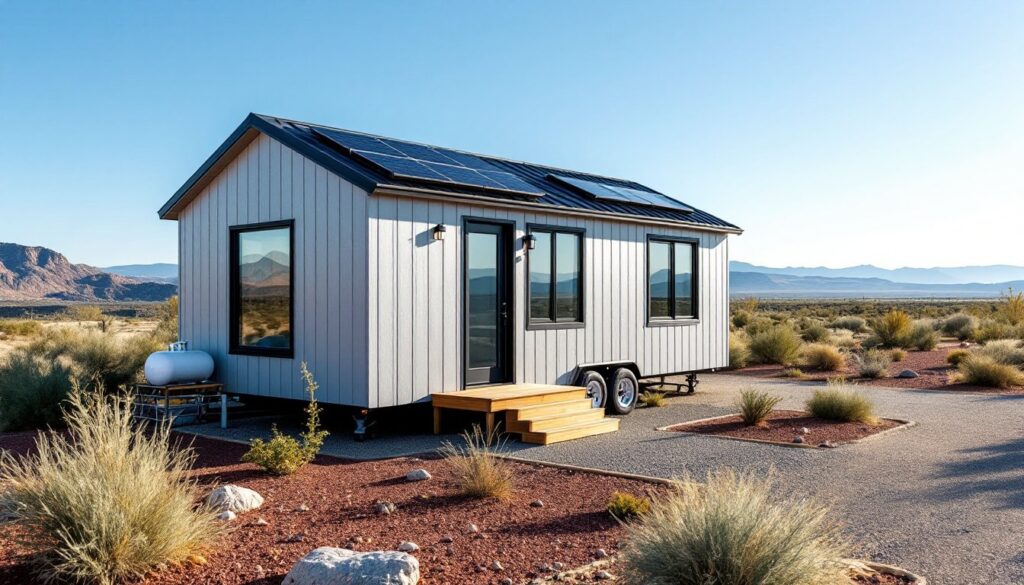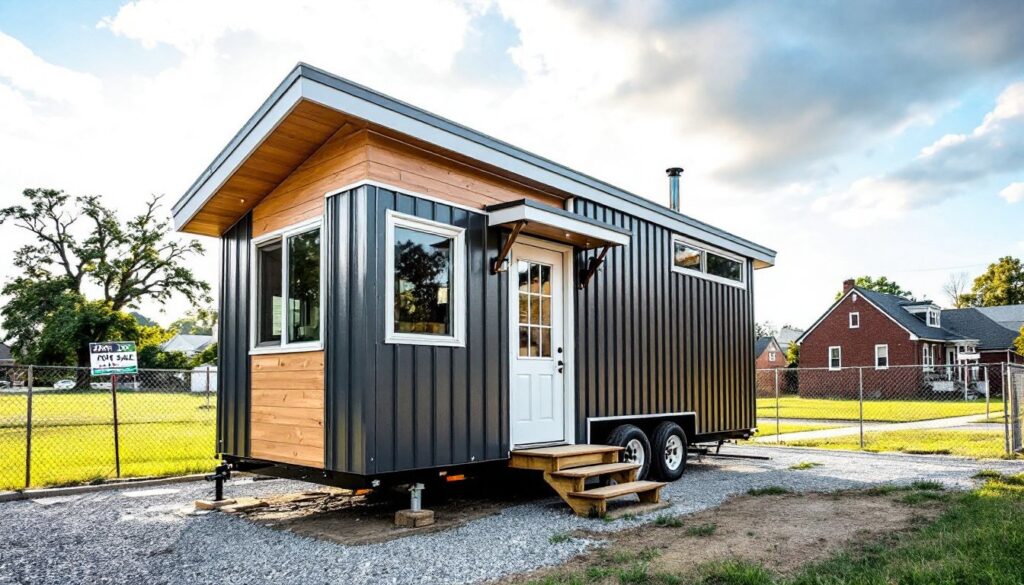

In a world where bigger often means better, tiny homes are flipping the script and proving that size doesn’t always matter. Imagine living in a space that’s cozy, stylish, and—dare we say—affordable. Tiny homes aren’t just a trend; they’re a smart investment that can help anyone escape the clutches of sky-high mortgages and endless bills.
Understanding Tiny Home Investment
Tiny homes represent a shift in the way people view housing, emphasizing simplicity and financial freedom. As this trend grows, understanding the components of tiny home investment becomes essential.
Definition of Tiny Homes
Tiny homes typically refer to residential units under 400 square feet. They often feature efficient layouts and sustainable designs, maximizing functionality while minimizing space. These homes can be built on foundations or mounted on trailers for mobility. Some embrace a minimalist lifestyle, aligning with eco-friendly values. The popularity of tiny homes reflects a desire for affordable living alternatives that encourage financial stability.
Benefits of Investing in Tiny Homes
Investing in tiny homes can lead to significant cost savings. Lower initial purchase prices mean reduced mortgages and minimal property taxes. Maintenance costs for tiny homes are often lower than traditional homes. Flexibility also plays a crucial role; owners can relocate their homes without the hassle of selling real estate. Additionally, tiny homes can generate rental income, attracting short-term tenants or vacationers. Simplified living often results in decreased consumption and encourages a more sustainable lifestyle.
Financial Considerations

Tiny home investment involves careful financial planning. Understanding the costs and potential returns is crucial for making informed decisions.
Initial Costs and Financing Options
Initial costs for tiny homes vary significantly. Factors influencing total expenses include location, design, and materials. Buyers often face additional fees such as land purchase or permits. Many choose traditional mortgages, while others opt for personal loans or specialized tiny home financing. Creative financing options like crowdfunding or partnerships appear increasingly popular. Prospective owners should explore grants available for sustainable housing initiatives as part of their financing strategy.
Potential Return on Investment
Potential returns from tiny home investments can be attractive. Renting out a tiny home, for instance, creates ongoing passive income streams. Average rental prices range from $100 to $300 per night, depending on the location. Resale values may also appreciate, especially in desirable areas. Investors often cite reduced expenses as a significant advantage, allowing for financial flexibility. Tax benefits associated with lower property taxes enhance overall profitability, providing additional incentive for potential buyers.
Market Trends
Tiny homes have gained traction in recent years, reflecting a shift in preferences toward efficient and sustainable living. Their appeal lies in the promise of affordability, mobility, and a minimalist lifestyle that resonates with many.
Growing Popularity of Tiny Homes
Rising housing costs increase tiny home interest across various demographics. Millennials, in particular, are drawn to these homes for their financial accessibility and lower maintenance demands. Furthermore, environmentally-conscious buyers appreciate the energy efficiency inherent in many tiny home designs. According to recent surveys, approximately 70% of tiny home owners report feeling happier due to downsizing, validating the shift toward simplified living. This growing enthusiasm drives demand in the real estate market, leading to increased production and diversity of available models.
Impact of COVID-19 on the Tiny Home Market
The COVID-19 pandemic significantly boosted the tiny home market. Many individuals sought refuge from urban settings while prioritizing health and space. Increased remote work became prevalent, prompting buyers to consider alternate housing solutions. Tiny homes, offering flexibility and minimal upkeep, attracted those aiming for a lifestyle change. A National Association of Home Builders report indicates a 50% surge in tiny home inquiries during 2020. This trend reflects a newfound interest in affordable housing alternatives that also align with evolving work and living preferences.
Choosing the Right Location
Selecting the right location for a tiny home significantly impacts the investment’s success. Factors like accessibility, surroundings, and amenities play vital roles in this decision.
Key Factors in Location Selection
Proximity to urban centers ensures easy access to jobs and social activities. Scenic settings often enhance the appeal, attracting potential renters or buyers. Community resources, such as grocery stores and healthcare facilities, provide essential support, making a location more desirable. Safety statistics underscore the importance of living in secure neighborhoods. Environmental considerations, like weather patterns and natural disaster risks, affect long-term enjoyment and maintenance costs of tiny homes.
Zoning Laws and Regulations
Regulatory frameworks establish guidelines for tiny home placement. Zoning laws specify land use and can determine whether a tiny home is permissible on a particular property. Restrictions may include minimum square footage, building codes, or limits on mobile homes. Understanding these requirements prevents legal complications and enhances investment security. Buyers should also consider permits needed for electricity, plumbing, and sewage systems, as these can impact installation and costs. Knowing local regulations helps in navigating the complexities of tiny home ownership effectively.
Conclusion
Tiny home investment offers a unique opportunity for those seeking affordability and sustainability in their living arrangements. With the rising costs of traditional housing and a growing interest in minimalism, tiny homes have become a viable alternative for many. Their flexibility and potential for rental income make them an appealing choice for investors.
As the market continues to evolve, understanding the nuances of location, financing, and local regulations remains crucial. By carefully considering these factors, investors can maximize their returns while enjoying the benefits of a simpler lifestyle. Embracing tiny home living not only aligns with financial goals but also promotes a more sustainable way of life.