
Rental inspections play a crucial role in the landlord-tenant relationship, ensuring properties are safe and well-maintained. For landlords, these inspections help identify maintenance issues before they escalate, protecting their investment. For tenants, a thorough inspection guarantees a comfortable living environment and peace of mind.
Understanding the rental inspection process can empower both parties. It sets clear expectations, fosters communication, and ultimately leads to a smoother rental experience. Whether you’re a seasoned landlord or a first-time renter, knowing what to expect during an inspection can save time, money, and stress.
Understanding Rental Inspections
Rental inspections assess the condition of a property throughout the leasing period, ensuring it meets safety and maintenance standards. These inspections create transparency between landlords and tenants, fostering a positive rental experience.
What Is a Rental Inspection?
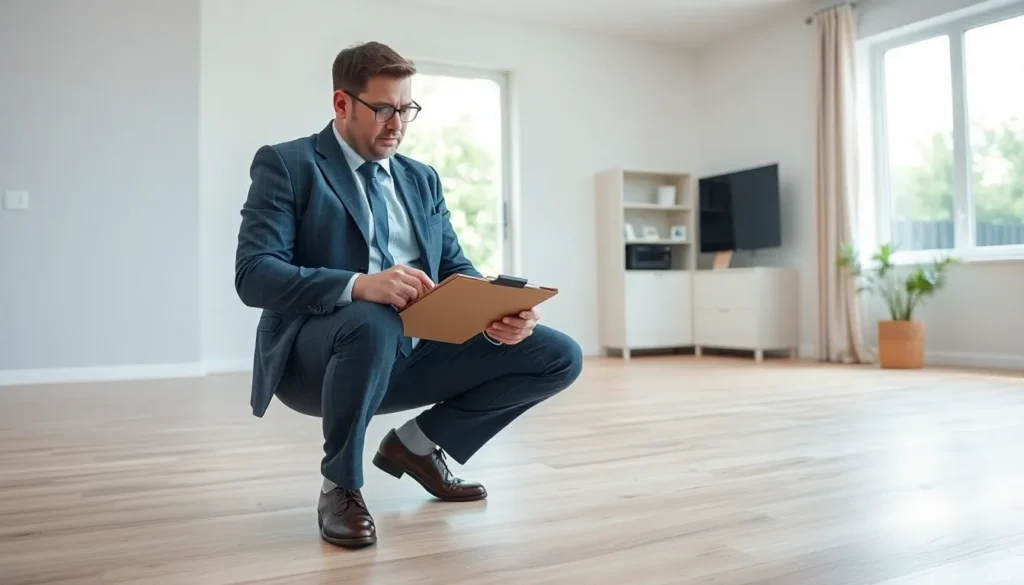
A rental inspection refers to a systematic evaluation of a rental property, typically conducted before tenants move in and periodically during their tenancy. Inspections check for issues such as structural damage, pest infestations, and adherence to safety codes. Common types of inspections include move-in, routine, and move-out inspections. Move-in inspections establish the property’s condition prior to tenant occupancy. Routine inspections occur at regular intervals, while move-out inspections assess the property at the end of a lease.
Importance of Rental Inspections
Rental inspections provide several crucial benefits for both landlords and tenants.
- Identifying Problems Early: Inspections identify maintenance issues before they escalate, reducing repair costs and downtime.
- Enhancing Safety: Regular evaluations ensure properties comply with safety regulations, maintaining a safe living environment.
- Documenting Conditions: Inspections allow landlords to document property conditions, supporting any necessary claims for damages or security deposit disputes.
- Strengthening Communication: Inspections facilitate open conversations regarding property upkeep, enhancing trust between landlords and tenants.
These benefits underscore the significance of rental inspections in maintaining the integrity of rental properties.
Types of Rental Inspections
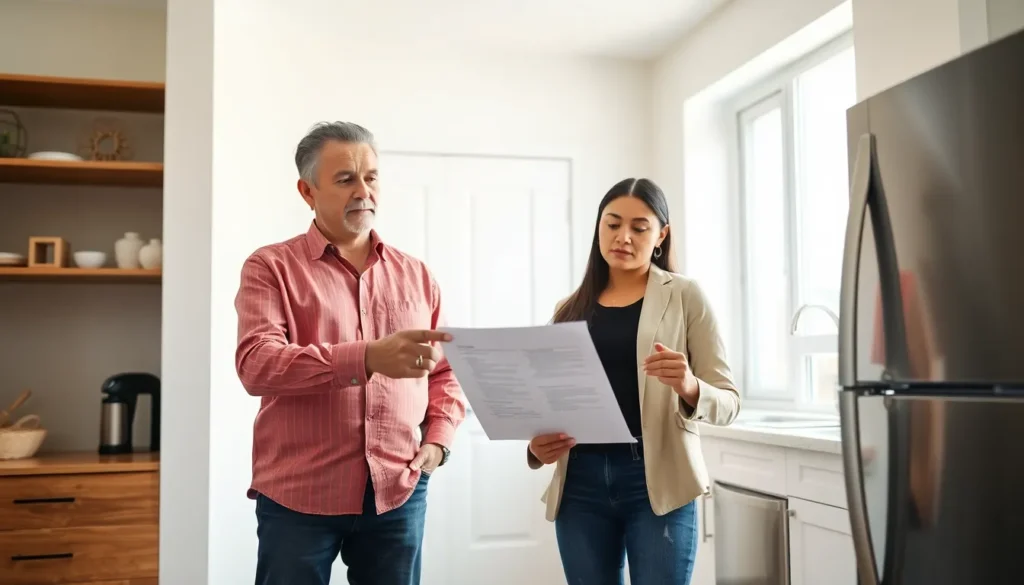
Understanding the various types of rental inspections helps landlords and tenants navigate the leasing process effectively. Each inspection type serves a unique purpose in maintaining property standards.
Move-In Inspections
Move-in inspections occur before tenants occupy a rental unit. These inspections establish the property’s condition at the start of the tenancy. Landlords document existing issues, such as stains or damages, using a checklist or an inspection report. This process protects both parties by fostering transparency and setting clear expectations. Tenants should thoroughly examine the property, noting any discrepancies to avoid future disputes regarding security deposits.
Periodic Inspections
Periodic inspections take place at regular intervals during a tenant’s lease term. Landlords typically schedule these inspections every six months or annually to check for maintenance issues and ensure property compliance with safety standards. They assess various aspects, including appliance functionality, overall cleanliness, and potential wear and tear. Tenants receive advanced notice to prepare for these inspections, which contribute to proactive maintenance and early issue detection.
Move-Out Inspections
Move-out inspections happen when tenants vacate a property. These evaluations assess any damages and ensure the unit meets agreed-upon standards upon departure. Landlords compare move-out conditions against documented move-in reports to determine potential deductions from the security deposit. This inspection provides a final opportunity for tenants to address issues before officially concluding their tenancy.
Preparing for a Rental Inspection
Preparing for a rental inspection requires attention from both landlords and tenants. Proper preparation ensures a smooth process and helps meet safety and maintenance standards.
For Landlords
Landlords should take proactive steps before an inspection. They must:
- Notify Tenants: Provide notice to tenants about the inspection date and time, typically 24 to 48 hours in advance, following local laws.
- Conduct a Pre-Inspection: Evaluate the property themselves to check for any visible issues that require attention, such as leaks, electrical problems, or pest infestations.
- Document Conditions: Prepare to document the property’s condition through written notes and photographs. This documentation aids in accurately assessing any potential changes.
- Review Lease Agreements: Familiarize themselves with lease terms relating to maintenance responsibilities. Understanding these obligations ensures clear communication with tenants.
- Be Available: Be present during the inspection to address any tenant questions or concerns, fostering clear communication.
For Tenants
Tenants also play a crucial role in preparing for a rental inspection. They should:
- Clean the Property: Thoroughly clean the unit, including bathrooms, kitchens, and common areas, presenting the property in its best light.
- Organize Personal Belongings: Safeguard or store personal items to facilitate inspector access to essential areas, such as appliances and storage spaces.
- Report Issues: Inform landlords of any maintenance concerns in advance to ensure they can be addressed during the inspection.
- Confirm Inspection Details: Check the date and time of the inspection with the landlord to avoid scheduling conflicts.
- Be Present: Aim to be available during the inspection to discuss any findings or concerns directly with the landlord, fostering open communication.
By following these steps, both landlords and tenants contribute to a thorough and efficient rental inspection process, ensuring that properties remain safe and well-maintained.
Common Issues Found During Rental Inspections
Rental inspections frequently uncover a range of issues that can affect both tenant comfort and property integrity. Addressing these problems promptly can enhance safety and prevent costly repairs.
Maintenance Problems
Maintenance problems are common findings during rental inspections. Key issues often include:
- Leaking Faucets: Dripping faucets lead to water wastage and potential plumbing damage.
- Heating and Cooling Failures: Malfunctioning HVAC systems impact tenant comfort and can escalate energy costs.
- Broken Appliances: Non-functioning kitchen and laundry appliances hinder daily living and may violate lease terms.
- Damaged Flooring: Worn or damaged flooring poses a tripping hazard and complicates cleaning.
- Chipped or Peeling Paint: Deteriorating paint can indicate moisture issues and negatively affect aesthetics.
Timely identification and repair of these issues contribute to tenant satisfaction and preserve property value.
Safety Hazards
Safety hazards must be addressed during rental inspections to protect tenants. Common safety risks include:
- Faulty Electrical Systems: Exposed wiring or outdated systems increase the risk of fires and electrocution.
- Gas Leaks: Any signs of gas leaks require immediate attention, as they present potential health risks.
- Inadequate Security Features: Broken locks or outdated security systems make properties vulnerable to intrusions.
- Mold Growth: Mold can cause health problems and indicates moisture issues needing resolution.
- Trip Hazards: Unsecured carpets, uneven flooring, or cluttered hallways can lead to accidents.
Identifying and resolving safety hazards ensures a secure living environment for tenants and reduces liability for landlords.
Rental inspections play a vital role in fostering a positive landlord-tenant relationship. By ensuring properties are safe and well-maintained, they not only protect landlords’ investments but also enhance tenants’ living experiences. Understanding the inspection process and its benefits leads to clear communication and sets expectations for both parties.
Regular inspections help identify maintenance issues early and mitigate potential disputes. With proactive measures in place, landlords can maintain property integrity while tenants enjoy a secure and comfortable home. Emphasizing the importance of preparation and communication ensures that rental inspections are efficient and effective, ultimately contributing to a smoother rental experience for everyone involved.