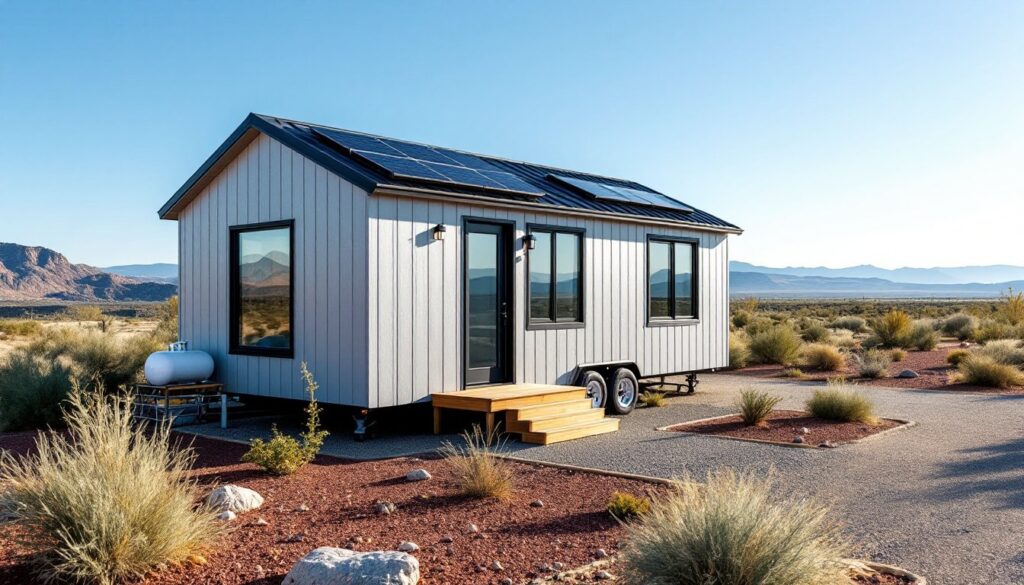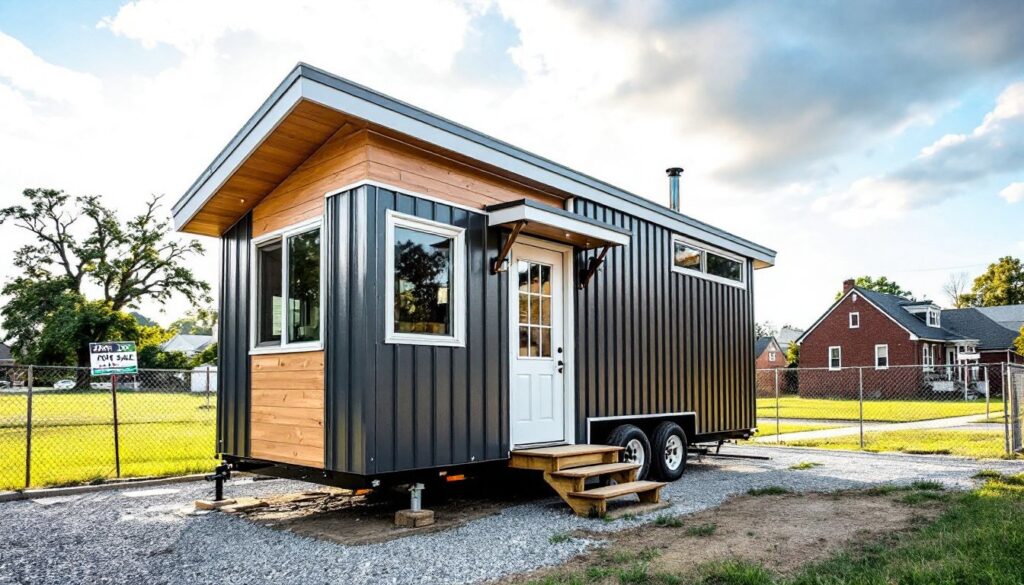

The rise of solar-powered tiny homes is transforming the way people think about sustainable living. These compact dwellings not only minimize environmental impact but also promote a simpler lifestyle, appealing to those seeking freedom from traditional housing constraints. With the integration of solar technology, homeowners can harness renewable energy to power their lives, reducing their carbon footprint and energy bills.
As urban areas grow and housing costs skyrocket, tiny homes present a practical solution for many. They offer flexibility and affordability while prioritizing eco-friendliness. By embracing solar energy, these homes provide a glimpse into a future where sustainability and comfort coexist harmoniously. In this article, we’ll explore the benefits of solar-powered tiny homes and how they’re reshaping modern living.
Overview of Solar-Powered Tiny Homes
Solar-powered tiny homes combine compact living with renewable energy solutions. These homes utilize solar panels to capture sunlight, converting it into electricity for daily use. Homeowners benefit from reduced reliance on grid energy while minimizing monthly utility costs.
Tiny homes typically range from 100 to 500 square feet, promoting efficient use of space. Various designs cater to individual needs, from mobile units to stationary models. Many builders incorporate sustainable materials, enhancing the eco-friendly appeal of these residences.
The integration of solar technology reduces carbon emissions. Studies indicate that solar-powered homes can cut energy costs by 50% or more, enabling homeowners to invest further in sustainable living practices. Additionally, solar-powered systems can store excess energy for later use, increasing energy independence.
As urbanization pressures increase, solar-powered tiny homes present a feasible housing solution. They provide a response to high living costs while supporting a minimalistic lifestyle that prioritizes sustainability. With continued advancements in solar technology, their popularity is likely to grow among environmentally-conscious individuals.
Benefits of Solar-Powered Tiny Homes
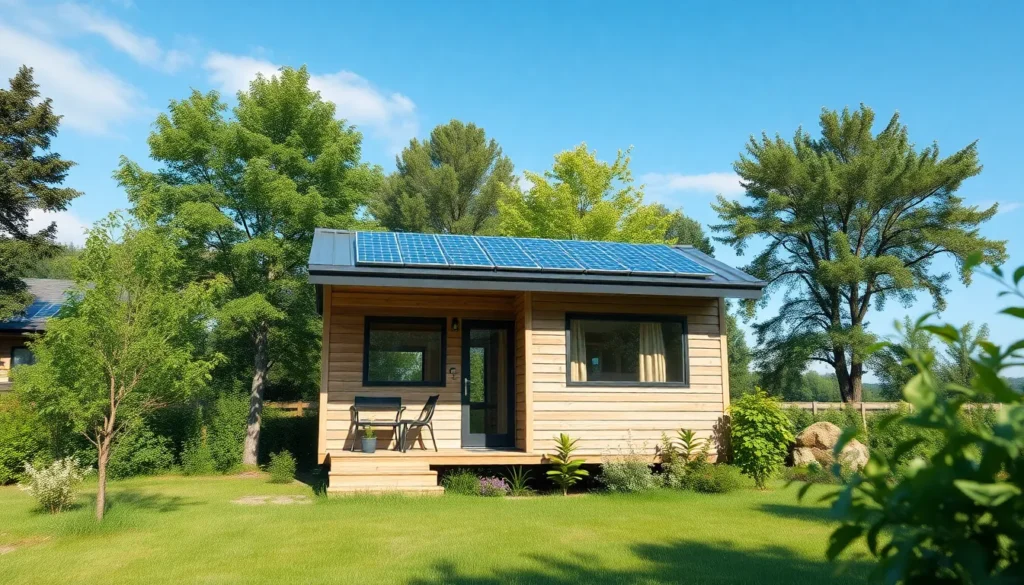
Solar-powered tiny homes offer numerous advantages. These homes not only enhance sustainable living but also provide financial benefits.
Environmental Impact
Solar-powered tiny homes significantly reduce ecological footprints. By utilizing solar energy, they decrease reliance on fossil fuels and lower greenhouse gas emissions. Studies show that solar panels can cut carbon emissions by up to 80%, promoting cleaner air and a healthier environment. Furthermore, the use of sustainable materials in construction minimizes waste, supporting eco-friendly practices. Smaller living spaces encourage minimalism, leading to reduced consumption and a more thoughtful approach to resource use.
Cost Savings
Cost savings represent a major advantage of solar-powered tiny homes. Homeowners can experience energy bill reductions of 50% or more due to the renewable energy generated by solar panels. Initial investments in solar technology lead to long-term financial benefits, often paying for themselves within a few years. Additionally, lower property maintenance costs and reduced utility expenses contribute to financial efficiency. With a smaller physical footprint, expenses related to land and property taxes also decrease, making tiny homes an attractive economic option.
Key Features to Consider
Solar-powered tiny homes offer specific features that enhance their sustainability and functionality. Homeowners must evaluate these aspects to maximize the benefits of their living spaces.
Energy Efficiency
Energy efficiency is crucial in solar-powered tiny homes. These homes commonly incorporate high-quality insulation, energy-efficient appliances, and LED lighting to minimize energy consumption. The strategic placement of windows and skylights maximizes natural light, reducing the need for artificial lighting. Moreover, energy-efficient designs, such as passive solar heating, maintain comfortable temperatures without excessive heating or cooling. Homeowners can utilize smart technology to monitor energy usage and optimize performance, ensuring energy resources are managed effectively. Studies indicate that advanced energy-efficient features can decrease overall energy demand by up to 40%.
Space Optimization
Space optimization plays a vital role in maximizing functionality within the limited square footage of tiny homes. Designers often utilize multi-functional furniture, enabling spaces to adapt based on usage. For instance, fold-out tables and convertible sofas can create flexible living areas for dining or relaxation. Vertical storage solutions, such as built-in shelves and cabinets, efficiently utilize wall space while maintaining an uncluttered appearance. Additionally, open floor plans enhance the sense of space, contributing to a more inviting environment. Implementing these strategies ensures that tiny home dwellers enjoy the full benefits of their compact living arrangements without sacrificing comfort or practicality.
Popular Models and Designs
Solar-powered tiny homes come in various models and designs, each offering unique features and approaches to sustainable living. Homeowners can choose from a range of options to suit their lifestyles and budgets.
Features of Each Model
- Mobile Tiny Homes
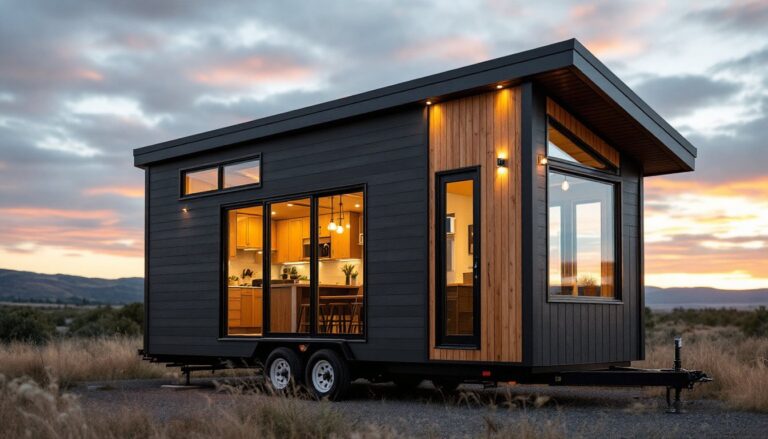
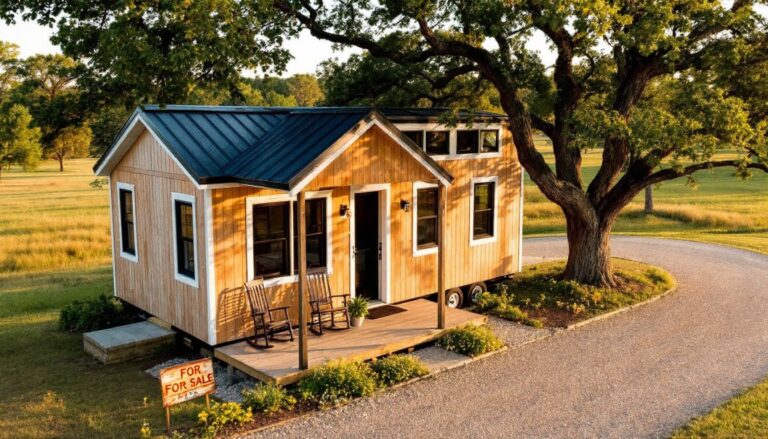
Mobile tiny homes, such as those mounted on trailers, provide flexibility and mobility. They often include compact layouts with essentials like kitchenettes, bathrooms, and sleeping areas.
- Stationary Tiny Homes
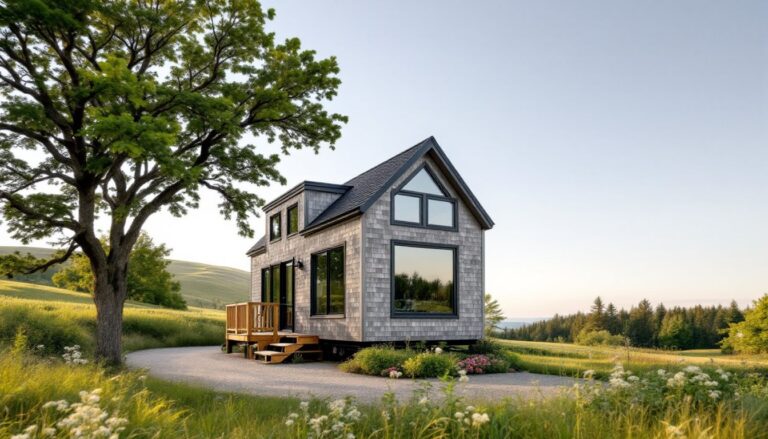
Stationary units emphasize permanence and space efficiency. Many include full-sized appliances and larger living areas, catering to homeowners seeking more comfort while remaining eco-conscious.
- Container Homes
Shipping container homes serve as strong, durable structures. These homes feature open floor plans and custom spaces, allowing for innovative designs that maximize both efficiency and aesthetics.
- Prefabricated Models
Prefabricated tiny homes are factory-built to streamline construction processes. Many come equipped with solar energy systems, ensuring quick setup on-site.
- Custom-built Designs
Homeowners seeking personalized features may opt for custom-built solutions. Builders can accommodate unique requests for layouts, finishes, and energy-efficient technologies.
Price Ranges
| Model Type | Price Range (USD) |
|---|---|
| Mobile Tiny Homes | $20,000 – $80,000 |
| Stationary Tiny Homes | $30,000 – $100,000 |
| Container Homes | $25,000 – $150,000 |
| Prefabricated Models | $40,000 – $80,000 |
| Custom-built Designs | $50,000 – $200,000 |
Price ranges vary widely based on size, materials, and additional features. Generally, mobile tiny homes present the most affordable options, while custom-built designs often entail higher costs due to their tailored specifications.
Challenges and Considerations
Solar-powered tiny homes come with challenges and considerations that potential homeowners should acknowledge. Understanding these factors ensures informed decisions regarding sustainability and functionality.
Initial Setup Costs
Initial setup costs can pose a significant barrier for some individuals considering solar-powered tiny homes. While prices for tiny homes generally range from $20,000 to $100,000, adding solar technology can increase costs by approximately $10,000 to $30,000. Factors influencing these costs include the size of solar arrays, battery storage requirements, and installation fees. Budget considerations are essential, as homeowners must weigh the long-term savings against the upfront investment. Access to incentives like tax credits and rebates can lessen this financial load, improving affordability.
Maintenance Requirements
Maintenance requirements for solar-powered tiny homes are essential for optimal performance. Solar panels typically require cleaning every six months to prevent debris buildup and maintain efficiency. Battery systems also need regular monitoring to ensure they operate correctly, often requiring replacement every 5 to 15 years, depending on usage and type. Homeowners should also invest time in inspecting plumbing and electrical systems, sustaining the overall integrity of the tiny home. Careful attention to these maintenance tasks promotes energy efficiency and prolongs the life of the systems involved.
Solar-powered tiny homes represent a significant shift towards sustainable living. By combining energy efficiency with minimalistic design, they provide an eco-friendly alternative to traditional housing. Homeowners enjoy the benefits of reduced energy costs and a smaller carbon footprint while embracing a simpler lifestyle.
As urban challenges continue to grow, these compact homes offer flexibility and affordability, appealing to a diverse range of individuals. With various models available, potential homeowners can find options that suit their needs and budgets.
Ultimately, solar-powered tiny homes not only promote environmental stewardship but also inspire a new way of living that prioritizes sustainability and efficiency.