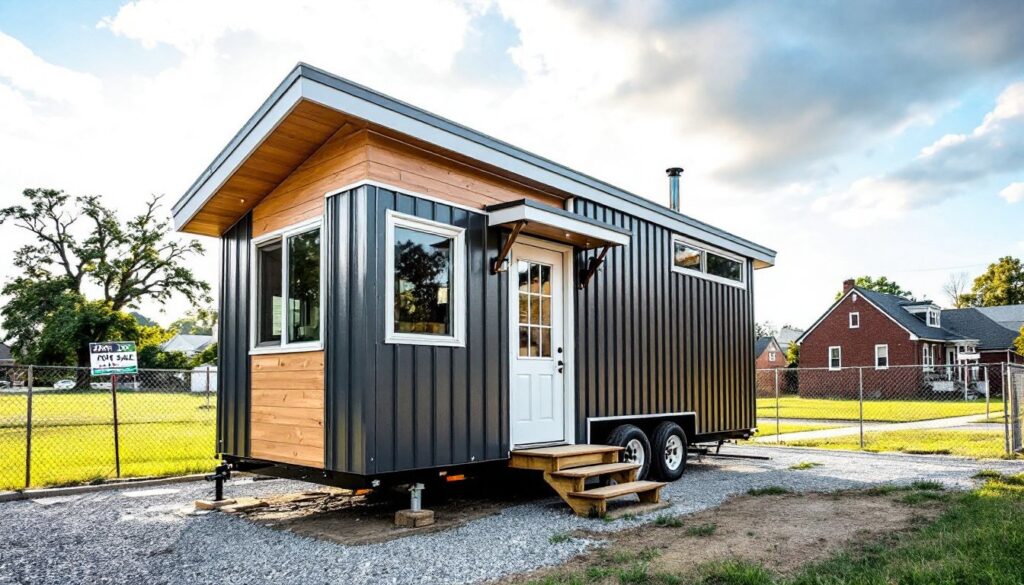

Renting a house can be as thrilling as a roller coaster ride, with ups and downs that keep you on your toes. If you’ve ever imagined yourself sipping coffee on a porch that actually isn’t full of weeds, you know what we’re talking about. But let’s face it: navigating the rental market can feel like trying to read hieroglyphics without a Rosetta Stone. Fear not. Here’s a witty yet wise guide packed with tips to help you find the perfect rental home without losing your sanity (or sense of humor).
Understanding Your Budget

Before diving into the sea of rental listings, it’s essential to understand your budget. But what does that even mean? Start by calculating your monthly income and apply the 30% rule, generally, your rent should be no more than 30% of your gross monthly income. Of course, that’s easier said than done, especially when that dreamy, spacious house catches your eye. Don’t forget to factor in utilities, internet, and other hidden costs. These can sneak up like a cat on that last slice of pizza you thought was safe.
Once you have a clear picture of your finances, create a budget breakdown. Include essential expenses like groceries and transportation and allow some wiggle room for leisure activities. Anxiety about budget? Wave goodbye when you know precisely how much you can afford to spend on a new nest.
Budgeting Tools
There are numerous apps available designed specifically for budgeting. Consider trying out Mint or YNAB (You Need a Budget) to keep your financial ducks in a row.
Researching Rental Markets
Before you sign on the dotted line, do your assignments about the rental market. Think of it as becoming a master detective. You’ll want to gather information not just on your chosen neighborhood but also on surrounding areas. Why? Because property values can fluctuate like the stock market, and snagging a good deal might just lead you to the hidden gems in less-popular neighborhoods.
Check rental websites, local classifieds, and even social media groups for insights. Utilizing tools such as Zillow and Craigslist helps you get a feel for fair prices and what’s available. Keep in mind that sometimes properties slip through the cracks or are underrepresented on major sites, so don’t hesitate to consider smaller, local platforms.
Gathering data on trend patterns helps detect if the market is in favour of buyers or renters. A rising trend may indicate a longer search for a budget-friendly find.
Selecting the Right Location
Finding the perfect location is about more than just loving the view. Consider proximity to your job, schools, and essential amenities. Does your dream rental sit close to a bus stop or a coffee shop that doesn’t take four hours to brew? Remember, post-rental buyer’s remorse isn’t something you want to entertain.
Evaluating Rental Properties
When visiting potential properties, evaluate beyond what’s just visible. Think about noise levels, nearby construction, and future property development. Talking to neighbors can reveal insight that estate agents won’t tell you.
Visiting Properties in Person
Photos can be deceiving. The cozy corner in a picture might be hiding a serious draft in real life. Always schedule in-person viewings to genuinely grasp the space, layout, and overall vibe. Take careful notes and even pictures during your visits, they can be handy reference points later.
Asking the Right Questions
When you find a property you love, don’t shy away from asking tough questions. What is included in the rent? How often is maintenance performed? When was the last inspection? Knowing the answers to these questions will save you time and heartache later.
Reviewing Lease Agreements
Once you zero in on a rental, it’s time to read that lease like it’s the latest bestseller. Lease agreements can be extensive and confusing, packed with legal jargon that makes your head spin. If you see something that doesn’t sit right or seems outlandish, ask for clarification. You have every right to understand what you’re signing.
Look for terms surrounding security deposits, maintenance obligations, and lease termination requirements. Try not to skim through the sections about pet policies (for all you dog and cat lovers) and utilities, those could lead to unexpected fees.
Negotiating Terms and Conditions
Once you’ve done your research and reviewed the lease, be ready to negotiate. Whether it’s lowering the rent or altering terms about minor repairs, don’t hesitate to present your case. You might be surprised, landlords often value a good tenant, and they’re more flexible than they seem.
Use your research to your advantage. Pointing out comparable rental properties in the area can often strengthen your case for a better deal. Whatever you do, remember to remain polite and reasonable: you’re trying to strike a mutually beneficial agreement.
Moving In and Settling Down
Congrats, you’ve signed the lease. Now it’s time for the big move. Get organized. Create a checklist to ensure you pack all essential items, including your beloved houseplant. Communication is critical during this phase, especially with the landlord about utilities and repair thresholds.
After the move, take your time setting up the place. Start with essentials, and gradually tailor it to your style. Every piece of furniture doesn’t have to be in place on day one. Over time, add personal touches, it’ll start feeling like home in no time.
Maintaining a Positive Relationship With Landlords
Building a healthy relationship with your landlord is as important as choosing the right home. Treat them with respect, and honesty goes a long way. Check in periodically and keep lines of communication open: it makes addressing maintenance requests much smoother.
Preparing for Lease Readiness
Before moving in, ensure you’re ready for lease obligations. Understand how to pay rent on time and fulfill all necessary requirements. Check in with your landlord if any issues arise: proactive communication is often appreciated.
Documenting the Condition of the Property
When moving in, document the condition of the property with dated photos or a video walkthrough. This can prove incredibly useful when addressing issues or when your lease is up. It’s like having a security blanket that keeps everyone honest.