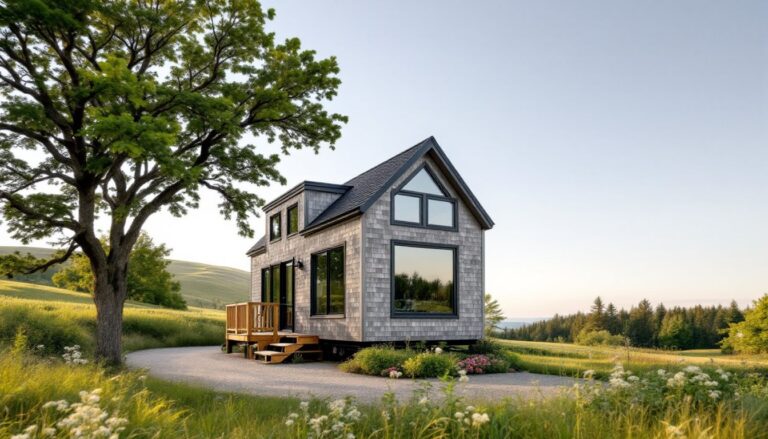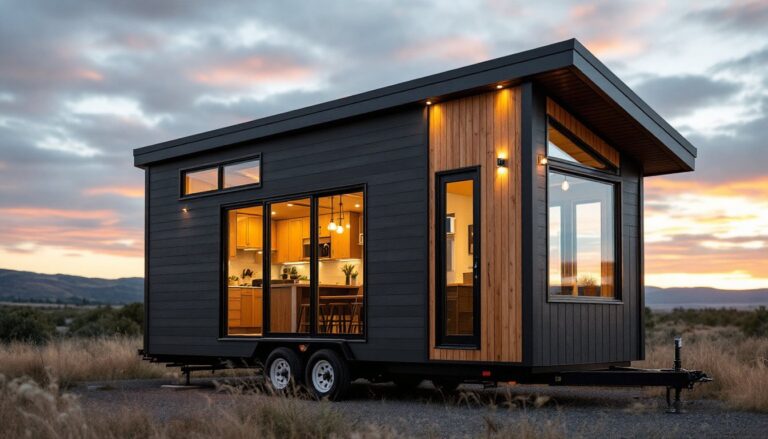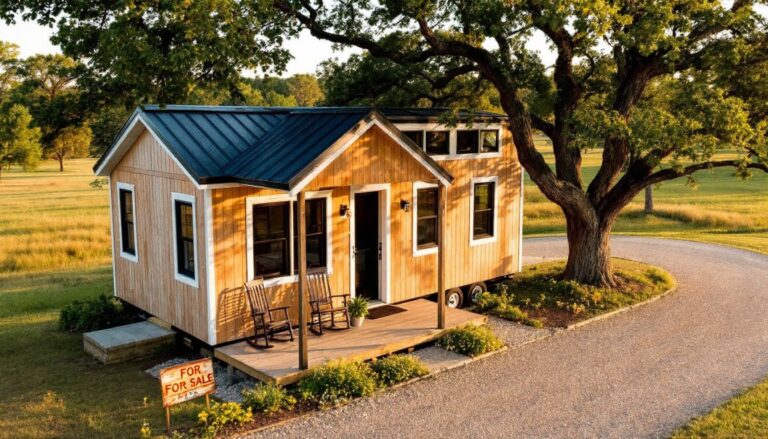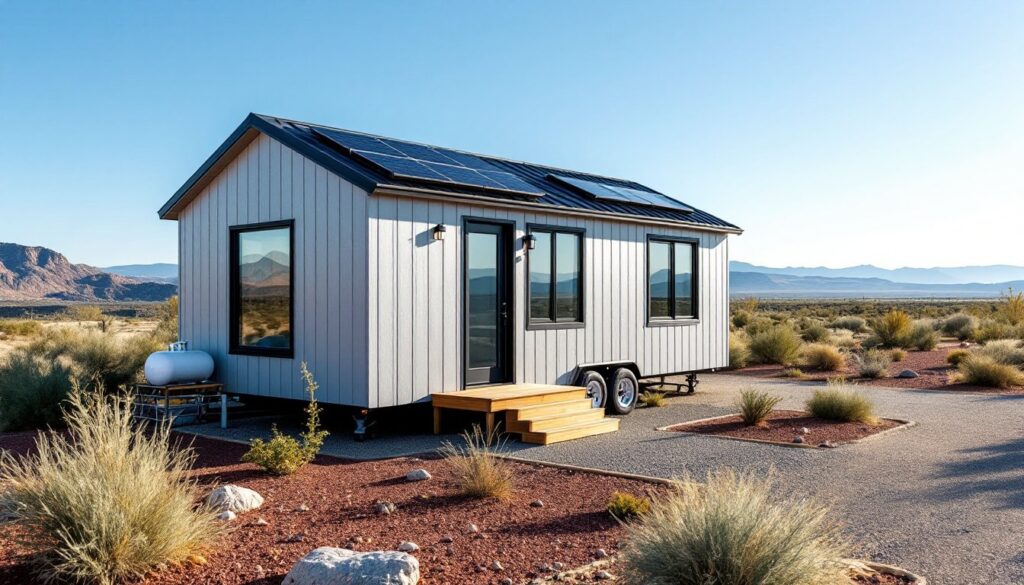

In a world where tiny homes are popping up faster than you can say “minimalism,” securing these pint-sized palaces has never been more crucial. With limited space comes limited security, and that’s a recipe for potential trouble. Who wants to worry about their beloved tiny abode while sipping coffee on the porch? Not them!
Overview of Tiny Home Security
Tiny home security plays a crucial role in ensuring the safety and peace of mind for residents. Minimalistic living often leads to unique challenges, as smaller spaces can attract unwanted attention. Enhanced security measures become essential given the limited size and visibility of these homes.
Utilizing basic security features helps deter potential intruders. Access control systems, such as smart locks, significantly improve entry security. Video surveillance cameras offer an added layer of protection, allowing homeowners to monitor their property in real-time.
Choosing the right location contributes to overall safety. Areas with lower crime rates enhance the security of tiny homes. Neighborhood watch programs provide a sense of community, bolstering security through collective vigilance.
Detecting vulnerabilities proves vital. Tiny homes, often less fortified than traditional houses, require specific attention to windows and doors. Installing window locks and reinforced door frames increases resistance against break-ins.
Prioritizing security investments assures greater protection. Homeowners can invest in alarm systems that alert them to unauthorized access. Fire safety measures, such as smoke detectors and fire extinguishers, complement overall security by addressing additional risks.
Incorporating outdoor lighting enhances visibility and deters criminal activity. Motion-sensor lights illuminate pathways and entry points, making it harder for intruders to approach unnoticed.
Exploring insurance options is another essential aspect. Homeowners often opt for specific insurance policies tailored for tiny homes, covering theft, vandalism, and other risks.
Taking proactive steps in tiny home security transforms the living experience, allowing residents to focus on enjoying their minimalistic lifestyle without the burden of worry.
Common Security Challenges
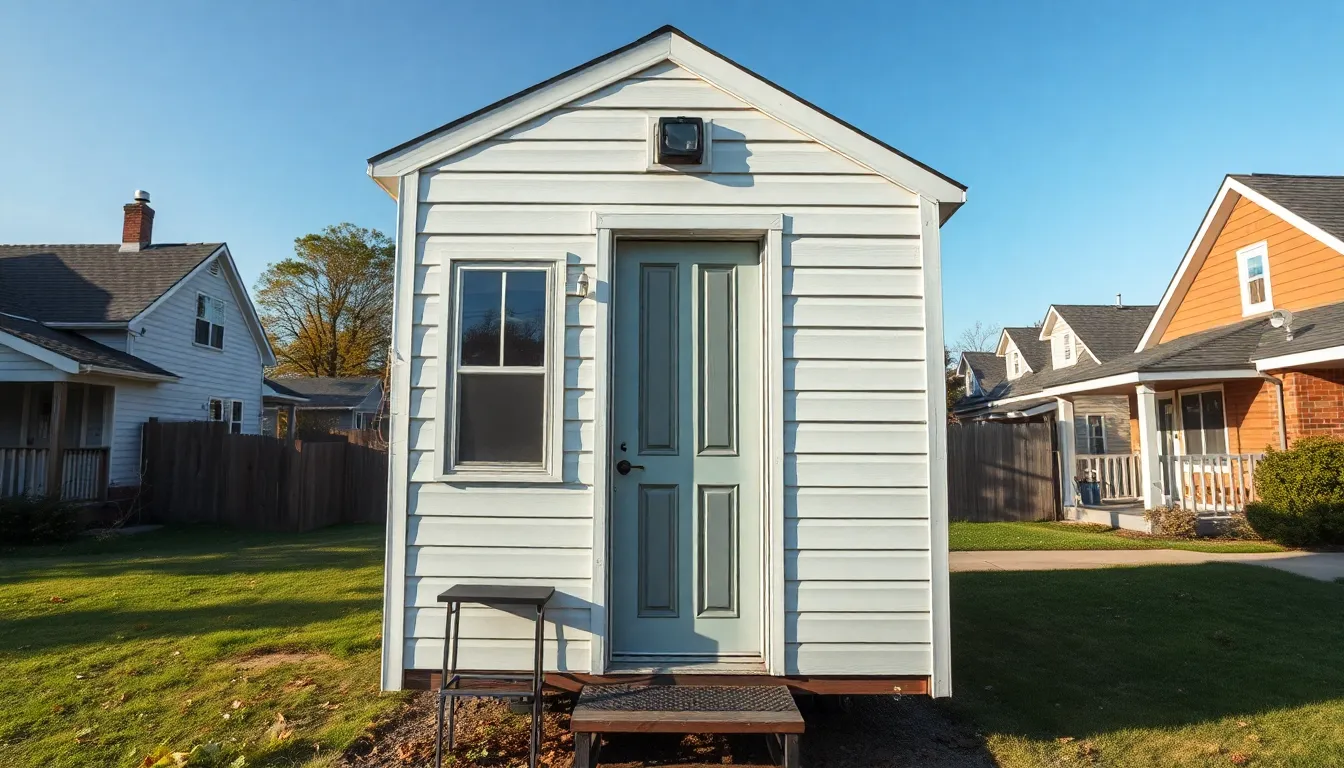
Tiny home residents face unique security challenges due to their compact living environments. Understanding these challenges is vital for creating effective protection strategies.
Small Space Vulnerabilities
Tiny homes often feature limited entry points, but those entry points can make them susceptible to break-ins. Windows and doors typically require extra attention as these areas pose significant risks. They may lack the robust locks found in larger residences, creating easy targets for intruders. Adding window locks and reinforced door frames strengthens defenses against unauthorized access. Residents should consider security systems that fit their space, including sensors and cameras that provide enhanced monitoring without overwhelming compact areas.
Limited Resources and Budget
Budget constraints can limit security options for tiny home residents. Many prioritize functional living while aiming to maintain safety, resulting in tight financial margins. Cost-effective solutions, such as DIY security measures, can effectively enhance safety without breaking the bank. Investing in basic smart home devices delivers convenience and security at a fraction of the typical cost. Residents often look for community watch programs that offer additional support without requiring substantial financial commitments. Making informed choices about security tools ensures optimal protection within constrained budgets.
Essential Security Measures
Tiny home security requires thoughtful strategies to protect limited spaces. Prioritizing safety ensures residents can enjoy their minimalist lifestyle without undue stress.
Securing Windows and Doors
Installing robust locks on windows and doors is essential for tiny home security. Window locks provide an added layer of defense against unwanted entry. Many residents opt for reinforced door frames for increased strength and durability. Choosing doors made from solid materials also enhances safety. It’s crucial to regularly check for vulnerabilities and address any weak points, especially around door hinges. Additionally, utilizing window film can deter potential intruders by preventing easy visibility into the home. Residents should remain diligent about closing and locking all entry points every time they leave their tiny home.
Utilizing Smart Home Technology
Smart home technology significantly boosts tiny home security. Smart locks allow easy access management without traditional keys. Wireless cameras offer real-time surveillance, allowing homeowners to monitor their properties from anywhere. Integrating motion sensors enhances security by alerting residents to unusual activity around their homes. Smart lighting systems can create the illusion of occupancy, deterring potential burglars. Linking these devices to a smartphone provides a comprehensive overview of safety status. Cloud-based storage options ensure that recorded footage remains accessible for longer periods. Employing these technologies enables residents to enhance their peace of mind effectively.
Best Security Systems for Tiny Homes
Selecting effective security systems for tiny homes boosts safety and provides peace of mind. Various options exist, tailored to meet the unique needs of compact living spaces.
Alarm Systems
Alarm systems play a crucial role in tiny home security. These systems can alert residents and deter potential intruders with loud sounds or notifications. Consider a system that includes motion sensors, as these detect movement and trigger alerts. Some models integrate with smartphones, allowing homeowners to monitor their property remotely. Choosing a wireless alarm system simplifies installation and minimizes the need for complex wiring. Additionally, some companies offer systems specifically designed for small spaces, ensuring they suit tiny homes effectively.
Surveillance Cameras
Surveillance cameras enhance security by providing visual monitoring. Installing both indoor and outdoor cameras covers all angles of a tiny home. Look for models with high-definition video quality, as clear footage assists in identifying intruders. Many cameras come equipped with night vision capabilities, ensuring visibility in low light. Additionally, choosing cameras with motion detection features sends alerts directly to smartphones, allowing for real-time monitoring. Cloud storage options make it easy to access and review footage when needed, adding a layer of convenience and security.
Tips for Enhancing Security
Enhancing security in tiny homes requires a multifaceted approach. Community support and regular maintenance play crucial roles in safeguarding these small living spaces.
Community Involvement
Participating in local groups strengthens neighborhood relationships. Residents can join neighborhood watch programs to increase vigilance against crime. Sharing information about suspicious activities fosters a proactive security culture. Involvement in community events builds trust, allowing residents to identify safe neighbors. Communicating with nearby homeowners promotes collaboration on security measures, such as shared surveillance resources. Engaging with local law enforcement can also provide tailored advice specific to the community’s needs. Prioritizing connections with neighbors enhances safety and creates a supportive environment for tiny home residents.
Regular Maintenance and Checks
Conducting regular checks on windows and doors prevents vulnerabilities. Inspecting locks for damage ensures reliable protection. Weather stripping around doors and windows maintains energy efficiency and strengthens security. Residents should also examine outdoor lighting to ensure it illuminates entry points effectively. Periodically testing alarm systems guarantees they function correctly in emergencies. Inspecting smoke detectors reduces fire hazards and enhances overall safety. Regular lawn maintenance, including trimming bushes, removes potential hiding spots for intruders. Prioritizing these maintenance tasks helps maintain a secure atmosphere for tiny home living.
Conclusion
Tiny home security is essential for peace of mind in compact living environments. By implementing effective measures such as robust locks and smart technology, residents can significantly reduce vulnerabilities. Community support plays a vital role in enhancing safety, making participation in local watch programs beneficial.
Regular maintenance and proactive checks on security features help ensure a safe atmosphere. With thoughtful planning and investment in security, tiny home dwellers can fully enjoy their minimalist lifestyles without constant worry. Prioritizing safety not only protects personal belongings but also fosters a sense of community and well-being.