
When it comes to home safety, smoke detectors are the unsung heroes that often go unnoticed—until they start beeping at 3 AM. These little devices save lives, but navigating the maze of smoke detector requirements can feel like trying to defuse a bomb with a blindfold on. Fear not! Understanding the basics can make the difference between a cozy evening and an unexpected visit from the fire department.
From the type of detectors to their placement, knowing the ins and outs of smoke detector regulations isn’t just smart—it’s essential. Whether you’re a homeowner, a landlord, or just someone who enjoys breathing, knowing the rules will keep you safe and sound. Let’s dive into the nitty-gritty of smoke detector requirements and ensure your home is as secure as a fortress, minus the moat and drawbridge.
Overview of Smoke Detector Requirements
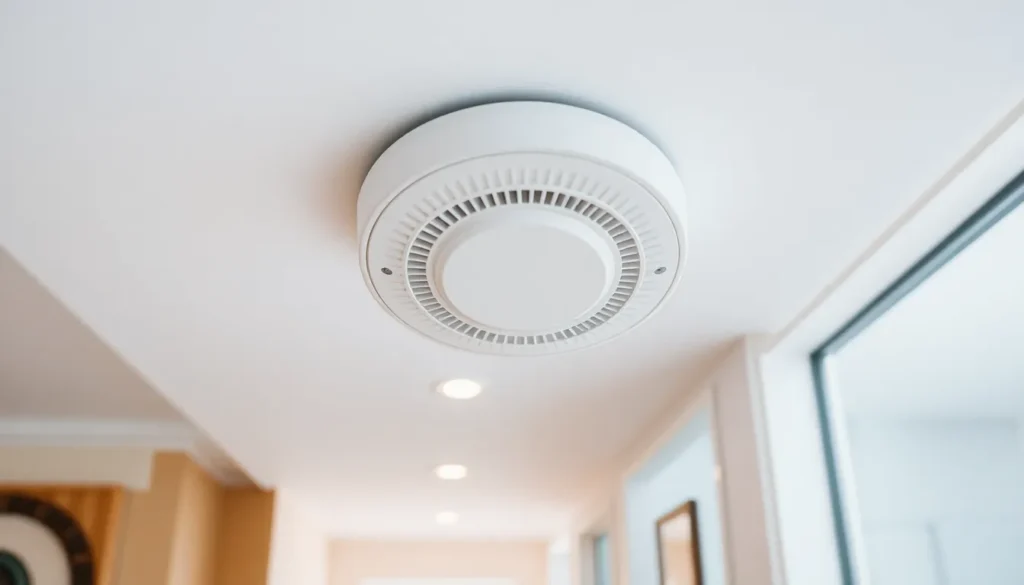
Smoke detector requirements vary by state and local jurisdictions. The National Fire Protection Association (NFPA) recommends installing at least one smoke alarm on every level of a home and in each bedroom. Installation height is crucial; detectors should mount on ceilings or high walls, ensuring they can detect smoke effectively.
Battery-operated smoke detectors become vital for homes lacking hardwired systems. Homeowners should replace batteries annually, with a recommended practice of testing alarms monthly. In contrast, hardwired detectors require professional installation and often connect to a home’s electrical system, providing reliable power.
The placement of smoke detectors significantly impacts safety. Kitchens, while necessary, require caution as steam can trigger false alarms. Therefore, install detectors at least 10 feet from cooking appliances. Additionally, hallways leading to bedrooms must have detectors for late-night warnings.
Consider maintenance standards as a part of smoke detector requirements. Regular cleaning prevents dust buildup, which can impede functionality. Smoke detectors typically need replacement every 10 years. Keeping track of the manufacturing date ensures timely updates.
Adhering to local regulations provides peace of mind. Some areas enforce specific guidelines regarding alarm types, installation locations, and maintenance frequency. Homeowners can check their state’s fire marshal website for customized regulations.
Understanding smoke detector requirements helps ensure the safety of residents. Reliable information enables homeowners and landlords to create secure living environments. Testing adherence to these standards empowers individuals to protect their households effectively.
Importance of Smoke Detectors
Smoke detectors play a crucial role in protecting lives and property. Their presence can make a significant difference during emergencies.
Life Safety Considerations
Smoke detectors save lives by providing early warnings of fire. They alert residents to danger, enabling prompt evacuation and minimizing smoke inhalation. It’s vital for a smoke alarm to function properly, as many fire fatalities occur when individuals are asleep. Data indicates that nearly 50% of home fire deaths happen during nighttime hours. Installing alarms in each bedroom and hallways increases the chances of timely alerts. Effective placement ensures that smoke detection happens quickly, giving residents essential escape time. Regular testing and maintenance further enhance their reliability and performance.
Property Protection
Smoke detectors protect property by helping to prevent extensive damage. According to the National Fire Protection Association, properties with working smoke alarms experience less severe fire damage. Early detection allows residents to act swiftly, reducing the duration of a fire. Home structures can withstand more damage if smoke alarms are correctly installed and maintained. Furthermore, having functioning smoke detectors often results in lower insurance premiums since insurers recognize reduced risks. Regularly replacing detectors every ten years ensures that the property remains safeguarded against fire hazards.
Types of Smoke Detectors
Smoke detectors come in various types, each with distinct features and functionalities. Understanding these types ensures effective fire safety in homes and buildings.
Ionization Smoke Detectors
Ionization smoke detectors excel at detecting fast-burning fires. These detectors use radioactive material to create an ionization chamber that senses smoke particles. When smoke enters the chamber, it disrupts the ion flow, triggering an alarm. Many households use ionization detectors due to their reliability in alerting occupants quickly. However, they are prone to false alarms when located near cooking appliances. Therefore, placement is crucial for optimal performance.
Photoelectric Smoke Detectors
Photoelectric smoke detectors function best in smoldering fire situations. They use a light source and light sensor to detect smoke, which obstructs the light beam. When this occurs, an alarm signals that an emergency exists. Many experts recommend photoelectric detectors for bedrooms and living areas due to their sensitivity to larger smoke particles. These detectors typically have fewer false alarms compared to ionization types. As a result, they provide reliable protection against potentially dangerous situations.
Smoke Detector Installation Requirements
Smoke detectors play a crucial role in home safety. Ensuring proper installation is vital for maximizing their effectiveness.
Placement Guidelines
Detectors must be strategically placed for optimal performance. Every level of a home requires at least one smoke alarm. Bedrooms, hallways leading to sleeping areas, and common living spaces also need coverage. For kitchens, it’s essential to position detectors at least 10 feet from cooking appliances to minimize false alarms. Ceiling mounting is recommended since smoke rises, providing quicker detection. Installing units in each bedroom enhances safety further during nighttime emergencies. Overall, careful placement can significantly impact response times in the event of a fire.
Local Building Codes
Local building codes dictate specific requirements for smoke detector installation. Variations among jurisdictions mean regulations may differ greatly. Homeowners and landlords should consult local authorities to ensure compliance. Many areas adopt the National Fire Protection Association (NFPA) guidelines, advocating for alarms in multiple locations. Some regions mandate interconnected systems, wherein activating one alarm triggers others throughout the home. Inspections may be necessary for new constructions to ensure adherence to code. Following local guidelines not only promotes safety but also minimizes potential liabilities.
Maintenance and Testing of Smoke Detectors
Regular maintenance and testing of smoke detectors ensure they function effectively, providing crucial early warnings during emergencies. Following established procedures enhances safety and compliance.
Monthly Testing Procedures
Testing smoke detectors monthly confirms they are operational. Press the test button on the unit to verify sound functionality. If the alarm does not sound, replace the unit immediately. Visual inspections should also occur during testing; check for dust or obstruction. Cleaning detectors with a vacuum attachment helps prevent false alarms. Keeping a maintenance log assists in tracking test dates and performance issues. Homeowners must follow this regimen; safety cannot be compromised.
Battery Replacement and Lifespan
Battery replacement must occur annually, minimizing the risk of power failure. Smoke detectors require fresh batteries to maintain their integrity. Many units come with low battery chirps to signal replacement needs. Detectors should be replaced every 10 years to ensure maximum safety; expiry dates are usually marked on the back. Following these replacement guidelines supports reliability and compliance with local regulations. Residents benefit from newer models that might offer innovative features and enhanced performance. Prioritize battery checks to avoid surprises during emergencies.
Conclusion
Smoke detectors are essential for safeguarding lives and properties. Understanding their requirements is crucial for effective fire safety. By adhering to local regulations and following installation and maintenance guidelines, homeowners can ensure their smoke detectors provide reliable protection.
Regular testing and timely replacement of batteries or units contribute to optimal performance. It’s important to stay informed about the different types of smoke detectors and their specific applications. Ultimately, prioritizing smoke detector compliance not only enhances safety but can also lead to potential savings on insurance premiums. Investing in this simple yet vital safety measure can make a significant difference in emergency situations.