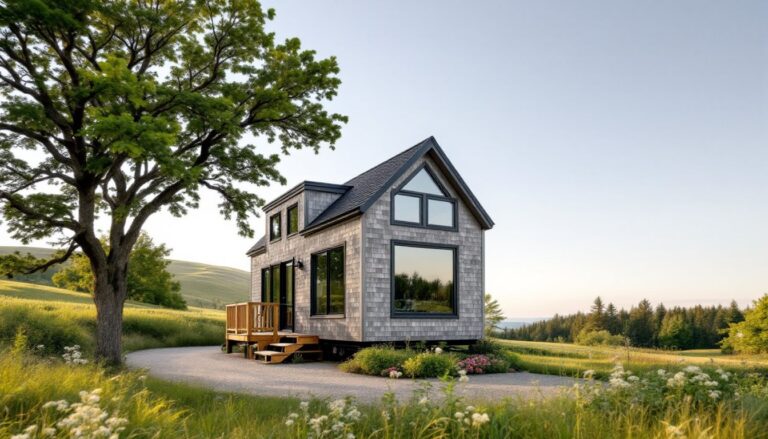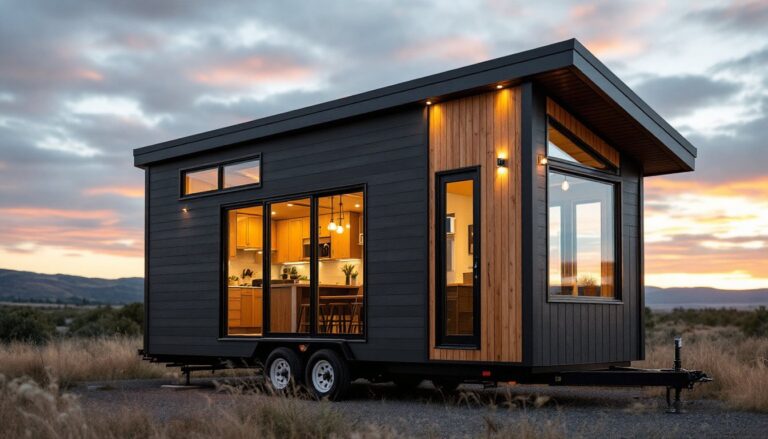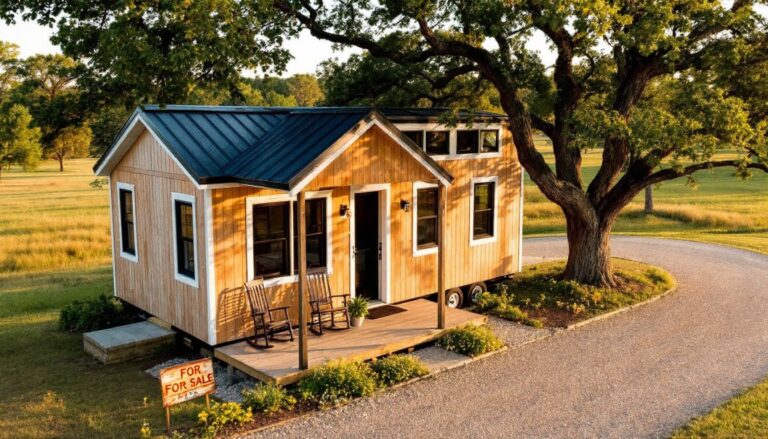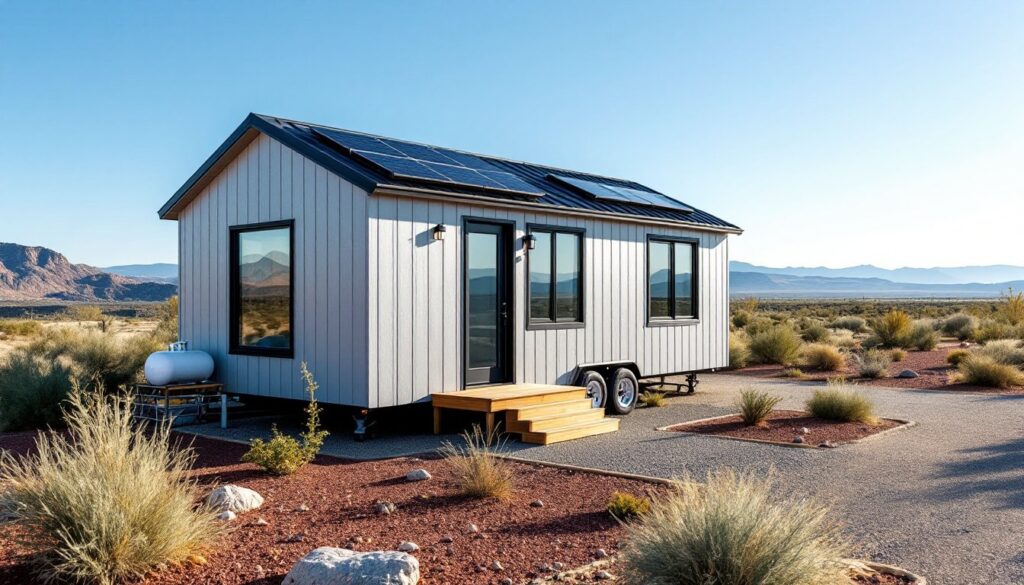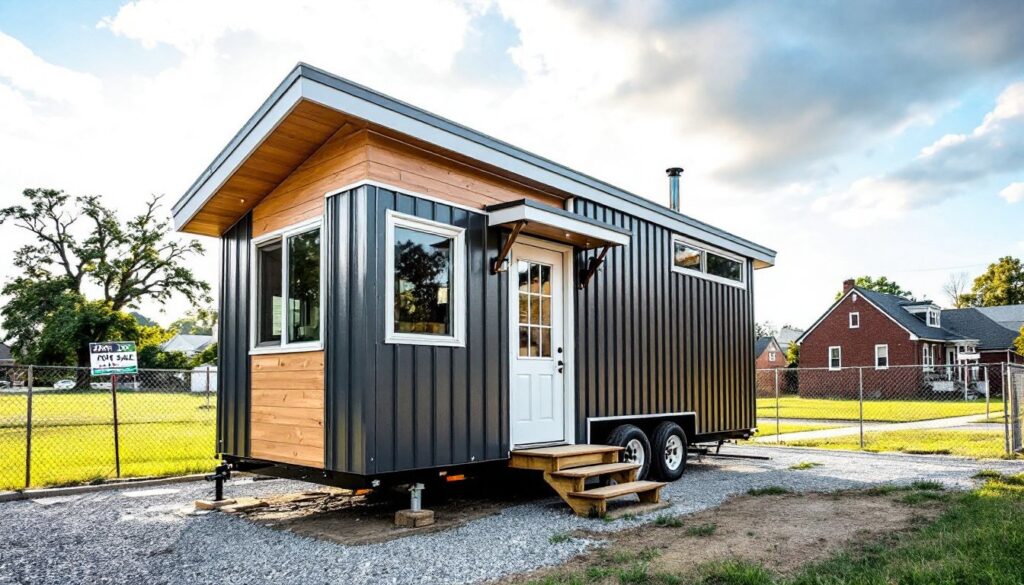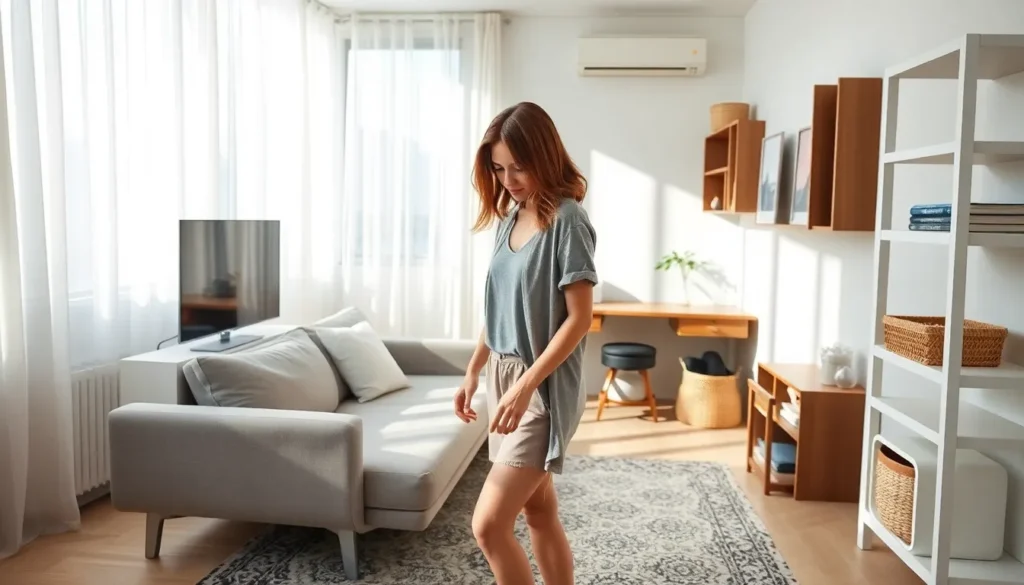

Living in a small space might feel like a never-ending game of Tetris, but it can also be an opportunity to unleash creativity and embrace minimalism. With a little ingenuity, even the coziest of corners can transform into a stylish sanctuary. Who needs a sprawling mansion when you can make every square foot count?
Understanding Small Space Living
Small space living refers to the practice of maximizing utility and comfort in limited square footage. Understanding its principles helps individuals navigate challenges and embrace their unique environment.
Definition and Importance
Small space living involves efficiently utilizing compact areas for daily activities. This lifestyle emphasizes minimalism, encouraging people to prioritize essentials. The importance lies in creatively transforming spaces to create a functional home. Embracing small space living fosters resourcefulness and innovation in design, allowing individuals to create personalized, stylish environments. Effectively managing smaller areas often leads to reduced living costs and financial freedom.
Benefits of Small Space Living
Living in smaller spaces offers numerous advantages. Firstly, individuals can save on rent or mortgage payments. Secondly, minimal upkeep leads to saved time and effort on cleaning and maintenance. Thirdly, it encourages a clutter-free lifestyle, promoting mental clarity. Furthermore, smaller living areas often result in lower utility bills, aligning with sustainable living practices. Lasting connections with neighbors frequently emerge due to closer-knit communities in compact environments. Energy-efficient designs also thrive in small homes, contributing to reduced environmental impact.
Tips for Maximizing Space
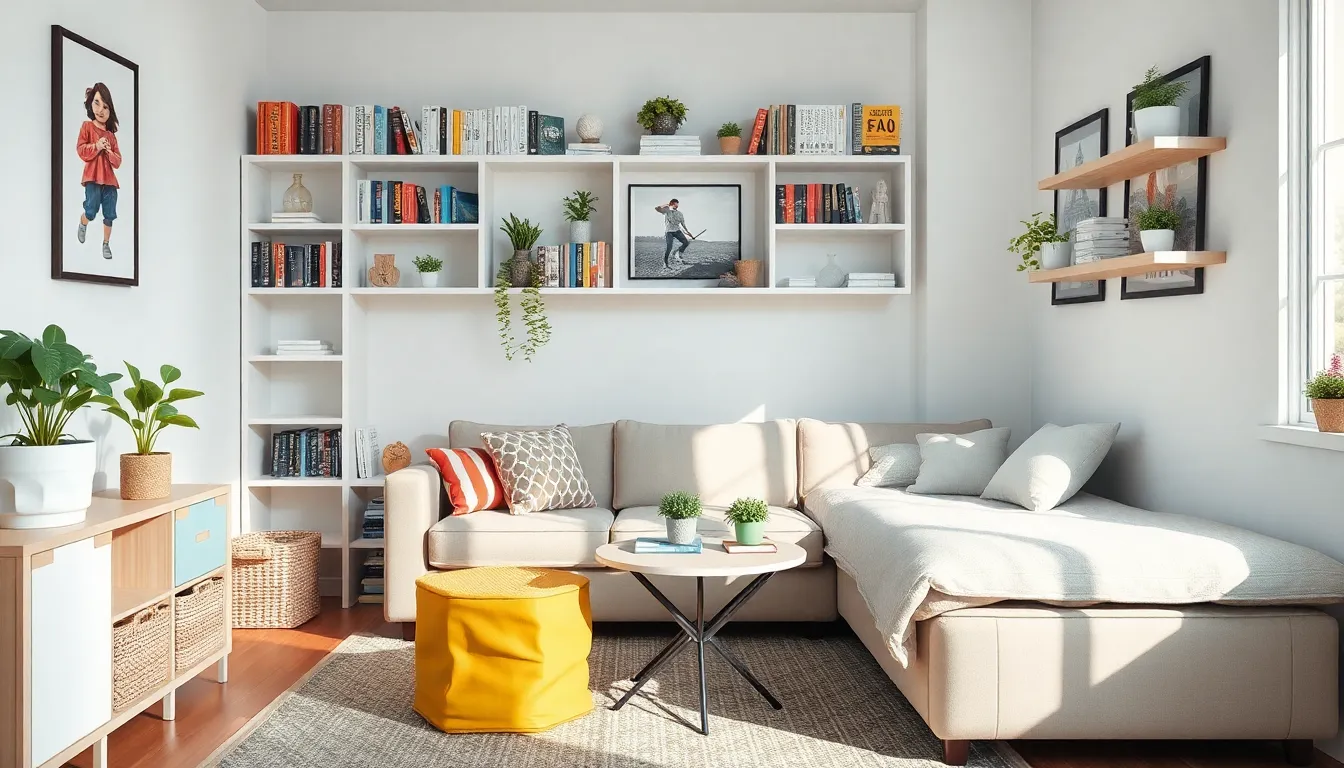
Living in a small space presents unique challenges, yet several strategies exist to optimize functionality and comfort. Implementing smart choices can significantly enhance the living experience.
Smart Furniture Choices
Selecting multifunctional furniture is essential for small spaces. Sofas that convert into beds or coffee tables with hidden storage maximize utility. Foldable tables can create more room when not in use. When purchasing, prioritizing lightweight pieces ensures easy movement for rearranging. Colors and designs should integrate with existing decor to maintain a cohesive look. Investing in modular furniture allows for adaptability, accommodating changing needs over time.
Clever Storage Solutions
Clever storage solutions can transform cluttered areas into organized havens. Utilizing vertical space helps make the most of walls by adding shelves or hooks. Under-bed storage containers offer hidden options for seasonal items or extra linens. Consider using decorative baskets or bins for stylish storage. Creating multifunctional areas, like a reading nook that houses books and blankets, enhances overall efficiency. Evaluating living space regularly encourages a minimalist approach, ensuring only essential items are kept visible.
Decor Strategies for Small Spaces
Optimizing decor in small spaces enhances both functionality and aesthetics. Utilizing strategic approaches can make these environments feel larger and more inviting.
Color and Light Considerations
Selecting light colors on walls creates an illusion of space. Bright shades reflect light, making a room feel airy and open. Adding mirrors to reflect natural light amplifies brightness and depth. Choose sheer curtains to allow sunlight and maintain privacy simultaneously. These techniques promote a sense of expansiveness, reducing the feeling of confinement in small interiors. Incorporating different light sources, such as floor lamps and wall sconces, encourages layered lighting and adds warmth to the atmosphere.
Multi-Functional Decor
Opting for multi-functional decor maximizes limited square footage. Furniture like ottomans with storage capabilities provides both seating and organization. Consider wall-mounted desks that fold away when not in use, creating more floor space. Sofas that convert into beds accommodate guests without sacrificing comfort. Accessories like nesting tables offer versatility for entertaining while saving space when not in use. These thoughtful choices promote efficiency and practicality in everyday living, making small spaces both stylish and functional.
Challenges of Small Space Living
Small space living presents unique challenges that require effective strategies to address. Skillful management of available space determines comfort and usability in limited areas.
Overcoming Clutter
Clutter quickly accumulates in small spaces, impacting functionality and aesthetics. Prioritizing essential items remains crucial for maintaining order. Implementing storage solutions can enhance organization, like using decorative baskets and vertical shelving. Regularly assessing possessions helps determine what stays and what goes. Employing minimalist principles encourages individuals to let go of unnecessary items. Consider investing in storage furniture that serves dual purposes, like ottomans or coffee tables with hidden compartments. By adopting these strategies, residents can create a more serene and spacious environment.
Managing Small Spaces with Pets
Living with pets in small spaces poses distinct challenges, such as managing their belongings and ensuring sufficient room for movement. Designating a specific area for pet supplies can effectively contain clutter. Choosing pet-friendly furniture, such as washable covers, simplifies maintenance. Utilizing vertical space for pet beds can free up floor space while ensuring comfort. Keeping pets active becomes essential, so incorporating interactive toys or organizing play zones helps manage energy levels. Providing opportunities for regular outdoor activities aids in maintaining a balanced environment for both pets and owners. By addressing these needs, small space residents can foster a harmonious living situation.
Conclusion
Small space living offers a unique blend of creativity and practicality. By embracing minimalism and innovative design, individuals can transform even the tiniest areas into welcoming homes. The simplicity of this lifestyle not only reduces financial burdens but also fosters a sense of community and well-being.
With smart furniture choices and clever storage solutions, maximizing utility becomes an achievable goal. Thoughtful decor enhances both functionality and aesthetics, proving that style isn’t sacrificed for space.
Ultimately, small space living encourages a more intentional approach to life, allowing residents to focus on what truly matters. It’s about making the most of every moment and every square foot.