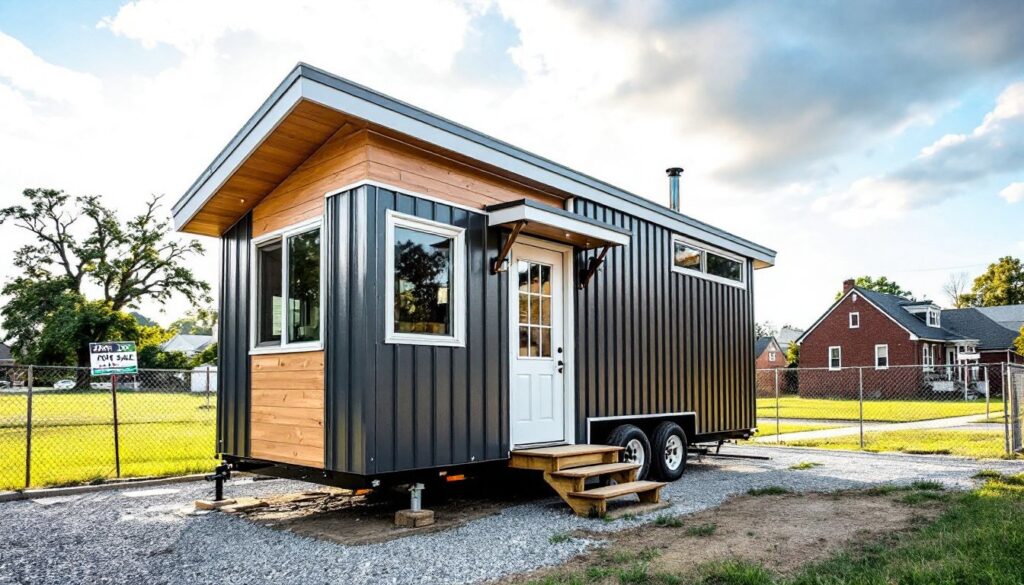

Relocating can feel like a circus act—juggling boxes, coordinating movers, and trying not to lose your sanity. Amidst the chaos, finding the right place to rent can make all the difference. It’s not just about four walls and a roof; it’s about creating a home in a new city that welcomes you with open arms (or at least a decent Wi-Fi connection).
Table of Contents
ToggleUnderstanding Renting During Relocation
Renting during relocation requires careful thought and planning. Finding the right rental space can make the transition smoother and more enjoyable.
Importance of Renting
Renting provides flexibility when moving to a new city. Short-term leases allow people to explore neighborhoods before committing to a long-term agreement. It gives individuals a chance to assess local amenities and services that suit their lifestyle. Since relocating involves new routines, a well-located rental property can significantly ease daily commutes to work or school. Additionally, renting minimizes the financial burden of purchasing a home outright, especially in unfamiliar markets. Overall, securing the right rental place enhances the relocation experience, setting the stage for a successful adjustment.
Common Challenges
Relocating and finding a rental home presents several challenges. Limited availability of rental properties can cause frustration, particularly in high-demand areas. Complicated lease agreements may lead to misunderstandings about terms and conditions. Additionally, navigating the application process requires gathering documents, references, and proof of income, which can be time-consuming. Adjusting to new neighborhoods involves unexpected variables, such as differing safety levels or access to services that may not meet prior expectations. All these factors add complexity to the relocating process, which requires careful consideration and planning.
Tips for Renting During Relocation
Finding a suitable rental during relocation requires careful planning and research. Key strategies can simplify this process and ensure a smoother transition into a new city.
Planning Ahead
Planning ahead significantly reduces stress during relocation. Create a timeline that outlines essential tasks such as narrowing down neighborhoods and setting up viewings. Determine particular amenities desired in a rental property, such as proximity to public transportation or grocery stores. Establishing a list of non-negotiables helps streamline the search process. Factor in time for unexpected delays, as they might arise during the application process or moving.
Researching the Market
Researching the local rental market provides insights into pricing and availability. Utilize online platforms like Zillow or Apartments.com to view listings and trends in different neighborhoods. Connect with local real estate agents who specialize in rentals; their expertise in current market conditions can be invaluable. Explore neighborhood resources like community forums or local social media groups, which often have helpful recommendations about rental options.
Budgeting for Rent
Budgeting for rent is crucial to making informed decisions. Assess monthly income against potential rental costs and other living expenses. Allocate funds for utilities, internet, and maintenance fees, as some rentals might not include these. Ideally, set a budget that allows for flexibility, accommodating possible rent increases or additional expenses during relocation. Prioritize establishing a rent-to-income ratio of around 30 percent to maintain financial stability.
Finding the Right Rental Property
Finding the right rental property simplifies the relocation process. Prioritizing specific needs makes the search more efficient.
Online Resources
Utilizing online platforms for rental searches enhances access to available properties. Websites like Zillow, Apartments.com, and Craigslist feature extensive listings. Filtering options for budget, location, and amenities narrows choices effectively. Virtual tours provide an initial view, helping narrow down the options before viewing in person. Additionally, social media groups can connect individuals with local renters and landlords for more personal recommendations. Leverage reviews and ratings to assess properties and neighborhoods better.
Visiting Properties
Visiting potential rental properties remains essential before signing any lease. Scheduling appointments allows for an in-person inspection of the space and local environment. Observing details like room sizes, layout, and natural light helps gauge suitability. Inspect amenities such as laundry facilities, parking options, and security measures. Engaging landlords or property managers during visits provides insight into the leasing process and neighborhood dynamics. Taking notes and photographs helps keep track of different properties. Comparing these factors enhances informed decision-making.
Legal Considerations for Renting
Understanding legal aspects is crucial when renting during relocation. Knowledge of lease agreements helps navigate the renting process effectively.
Lease Agreements
Lease agreements outline the expectations between landlords and tenants. Before signing, individuals should review the terms thoroughly, paying attention to lease duration, rent amount, and maintenance responsibilities. Many landlords offer different types of leases, such as month-to-month or fixed-term arrangements. Seeking clarification on any unclear clauses can prevent misunderstandings later. Individuals often overlook the significance of security deposits, which typically range from one to two months’ rent. This deposit may be refundable, but terms vary by state; knowing these regulations matters. Including specific provisions for repairs and notice periods in the lease promotes a healthy landlord-tenant relationship.
Tenant Rights
Tenant rights protect individuals from unfair practices during their rental experience. Familiarity with local laws ensures tenants understand their legal rights regarding issues like security deposits, eviction processes, and repairs. An obligating landlord typically provides safe and habitable living conditions; thus, tenants must report any issues promptly. When disputes arise, tenants often access local tenant unions or legal aid services for support. Renters might also consider documenting their living conditions with photographs to reinforce claims. Knowing the process for addressing grievances enables tenants to advocate for themselves effectively. Staying informed about local housing regulations empowers renters to navigate their rights confidently.
Conclusion
Navigating the rental landscape during relocation can be daunting yet rewarding. With the right approach individuals can find a temporary home that meets their needs while allowing them to acclimate to a new city. By planning ahead and utilizing available resources they can simplify the process and reduce stress. Understanding lease agreements and tenant rights further empowers renters to make informed decisions. Ultimately renting during relocation offers a unique opportunity to explore neighborhoods and discover the perfect long-term living situation. Embracing this phase with a proactive mindset can lead to a smoother transition and a more enjoyable relocation experience.