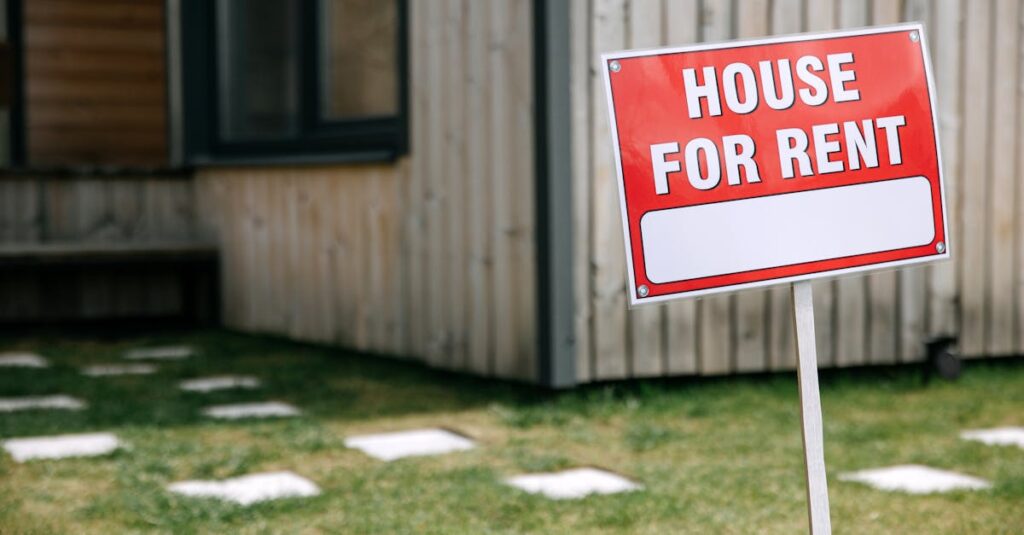

In a world where homeownership seems like a far-off dream, renters are the unsung heroes navigating the thrilling rollercoaster of apartment hunting and lease signing. They juggle the joys of living in a cozy space that’s not quite theirs while dodging the occasional landlord drama like a pro. Who wouldn’t want to trade a white picket fence for a trendy downtown loft with a killer coffee shop just around the corner?
Renting isn’t just a temporary solution; it’s a lifestyle choice packed with flexibility and adventure. From quirky roommates to unexpected maintenance calls, every day is a new chapter in the renter’s playbook. So whether it’s discovering the best local pizza joint or mastering the art of negotiating rent, embracing the renter life can be both hilarious and rewarding. Join the journey as we dive into the world of renting, where every lease tells a story and every apartment is a canvas for creativity.
Table of Contents
ToggleUnderstanding the Renter Experience
Renting offers individuals a unique lifestyle that blends flexibility, adventure, and creativity. Each rented space has its own story, reflecting the personal touches of its inhabitants.
Definition of a Renter
A renter is a person who occupies a property under a rental agreement, paying rent to a landlord or property owner. This arrangement allows access to housing without the responsibilities of ownership. Renters engage in various living conditions, from single-family homes to apartments. Each scenario presents its own benefits and challenges, as personal preferences dictate the living environment. One primary characteristic of renters is their adaptability, often adjusting to new spaces and circumstances.
Importance of Renters in the Housing Market
Renters play a vital role in the housing market, contributing significantly to its diversity and activity. Approximately 44 million households in the United States rent, demonstrating a substantial segment of the population. This demographic helps stimulate local economies through rent payments and associated spending on services and goods. Renters also increase demand for housing, prompting developers to build new rental units. Flexibility and mobility offered by renting attract various groups, from students to retirees, enriching community dynamics. Their presence fosters a competitive market, benefiting both renters and landlords alike.
Challenges Faced by Renters
Renters face multiple challenges that impact their living experience and financial stability. These obstacles can influence their overall satisfaction and housing decisions.
Affordability Issues
Affordability remains a significant concern for renters. With rising rental rates, many individuals allocate over 30% of their income to housing costs. This financial strain often limits their ability to save for future investments or unexpected expenses. In metropolitan areas, the situation is even more pronounced as competition drives prices upward, making it difficult for renters to find suitable accommodations within their budget. Many areas lack affordable housing options, forcing some individuals to settle for less desirable living conditions. Government assistance programs exist, yet they often fail to meet the growing demand.
Maintenance and Repair Responsibilities
Maintenance and repair responsibilities often cause frustration among renters. Typically, property owners are accountable for addressing issues like plumbing leaks or broken appliances. However, communication can be inconsistent, leading to delays in repairs. Although renters expect timely resolutions, some landlords may neglect their responsibilities, causing tenants to feel insecure in their living conditions. Clear agreements and open communication channels can help mitigate these problems. Still, renters frequently find themselves navigating the complexities of property maintenance without direct control over the situation.
Rights and Protections for Renters
Renters enjoy several rights and protections that foster a secure living environment. Understanding these rights is crucial for navigating the rental landscape.
Federal Laws
Federal laws provide a basic framework for renter protections. The Fair Housing Act prohibits discrimination based on race, color, national origin, religion, sex, familial status, or disability. Additionally, the U.S. Department of Housing and Urban Development administers regulations ensuring equal access to housing. Renters also have the right to a habitable living space, as outlined by the implied warranty of habitability. This mandate requires landlords to maintain properties in good condition, ensuring safety and sanitation. Such federal protections create a foundational sense of security for millions of renters throughout the country.
State and Local Regulations
State and local regulations further enhance renter protections by addressing specific regional issues. Numerous states enact laws regarding security deposits, limiting the amount landlords can charge and stipulating return timelines. Local ordinances often dictate how much notice landlords must provide before increasing rent or terminating leases. Some regions implement rent control measures to protect tenants from steep price hikes. Additionally, many states have built-in anti-retaliation laws preventing landlords from taking adverse action against renters who assert their rights. Together, these tailored regulations create a more equitable rental environment for diverse communities.
Tips for Renters
Renters can enhance their experiences by following a few essential tips. Understanding the market, knowing their rights, and maintaining open communication with landlords lead to more satisfying living arrangements.
Finding the Right Rental Property
Identifying the right rental property requires considerable research. Start by determining your budget based on income and expenses, typically aiming for housing costs under 30% of monthly earnings. Explore various neighborhoods to assess amenities, safety, and proximity to work or schools. Use online platforms to view listings and compare prices. Evaluate each property by visiting in person; this allows for a better understanding of the space and surroundings. Gathering feedback from current tenants offers valuable insights into management and maintenance. Prioritize features that matter most, such as number of bedrooms and pet policies, ensuring alignment with personal preferences.
Negotiating Lease Agreements
Negotiating lease agreements can significantly impact tenancy. Begin by thoroughly reviewing the lease terms to understand the provisions. Request necessary modifications, focusing on areas like rent price, deposit amounts, or maintenance responsibilities. Highlight personal strengths as a reliable tenant during negotiations, such as a stable income or a good rental history. Approach landlords with reasonable requests, ensuring a fair discussion. Express willingness to sign a longer lease for reduced rent, creating a mutually beneficial scenario. Lastly, document all agreements clearly to avoid misunderstandings later, so both parties have a reference to the terms discussed.
Future Trends in Renting
Emerging trends in renting signal shifts in lifestyle preferences and economic landscapes. Renters adapt to these changes while seeking improved living situations.
Impact of Remote Work on Renting
Remote work reshapes the rental landscape significantly. Many individuals now prioritize locations that suit their lifestyle rather than being tethered to traditional office environments. Flexibility allows renters to choose properties in suburban or rural areas, leading to a decrease in demand for urban centers. According to recent data, nearly 30% of workers favor combined remote and in-office arrangements, bolstering interest in spacious homes with dedicated workspaces. Renters increasingly seek amenities that support work-life balance, such as high-speed internet and quiet zones. As a result, landlords may enhance their offerings to attract this growing segment of renters.
The Rise of Co-Living Spaces
Co-living spaces gain traction among young professionals and students. These communities foster social interactions while offering affordable living options. Shared amenities like kitchens, lounges, and workspaces encourage collaboration and connection. Recent reports indicate that co-living properties have seen a 20% increase in demand in urban regions. Renters appreciate the cost-effectiveness and flexibility provided by these arrangements. Additionally, co-living promotes sustainability through resource sharing, allowing residents to enjoy enhanced living experiences without the burden of traditional leases. This trend reflects a broader shift toward community-oriented lifestyles among renters across demographics.
Conclusion
Renting offers a unique lifestyle filled with flexibility and community engagement. As renters navigate the challenges of affordability and maintenance they also embrace the opportunities for creativity and personal expression in their living spaces. Understanding their rights and responsibilities can empower renters to make informed decisions and foster positive relationships with landlords.
The evolving rental landscape reflects changing preferences and needs driven by factors like remote work and co-living trends. By adapting to these shifts renters can enhance their experiences and contribute to vibrant communities. Ultimately renting is more than just a housing arrangement; it’s a dynamic way of life that enriches both individuals and the broader economy.