
Minnesota often sparks lively debates about its political identity. Known for its strong progressive roots, the state has consistently leaned Democratic in recent elections. Yet, it also has pockets of conservative support that challenge the notion of a solid blue state.
As the <a href="https://westmorehome.com/tips-for-renting-an-apartment”>political landscape evolves, understanding whether Minnesota is red or blue becomes crucial for voters and analysts alike. With shifting demographics and varying regional priorities, the question of Minnesota’s political color isn’t as straightforward as it seems. Exploring the nuances of this state’s political affiliations reveals a complex tapestry of beliefs and values that shape its future.
Overview of Minnesota’s Political Landscape
Minnesota’s political landscape features a blend of progressive and conservative ideologies. Historical voting trends indicate a preference for Democratic candidates, particularly in recent presidential elections. This consistent support for the Democratic Party contributes to the state’s identity as a blue state.
Local and state elections reveal significant insights. Democratic-Farmer-Labor (DFL) Party dominance exists in urban areas, such as the Twin Cities, while rural regions show stronger Republican support. This duality complicates the perception of Minnesota’s political affiliation.
Demographic changes continue to shape political dynamics. In 2020, 50.1% of the state voted for Joe Biden, while 47.3% supported Donald Trump. This narrow margin highlights shifting allegiances among various voter groups, including suburban voters and younger constituents, who lean more Democratic.
Key issues influence voter behavior in Minnesota. Healthcare access, education funding, and environmental policies rank among the top concerns for residents. Additionally, the state’s response to issues such as policing and racial equity sparks significant debate, impacting voter preferences.
Minnesota’s political landscape consists of complex affiliations, where both red and blue influences coexist. Understanding these nuances provides clarity on how the state’s future political identity may evolve.
Historical Voting Trends
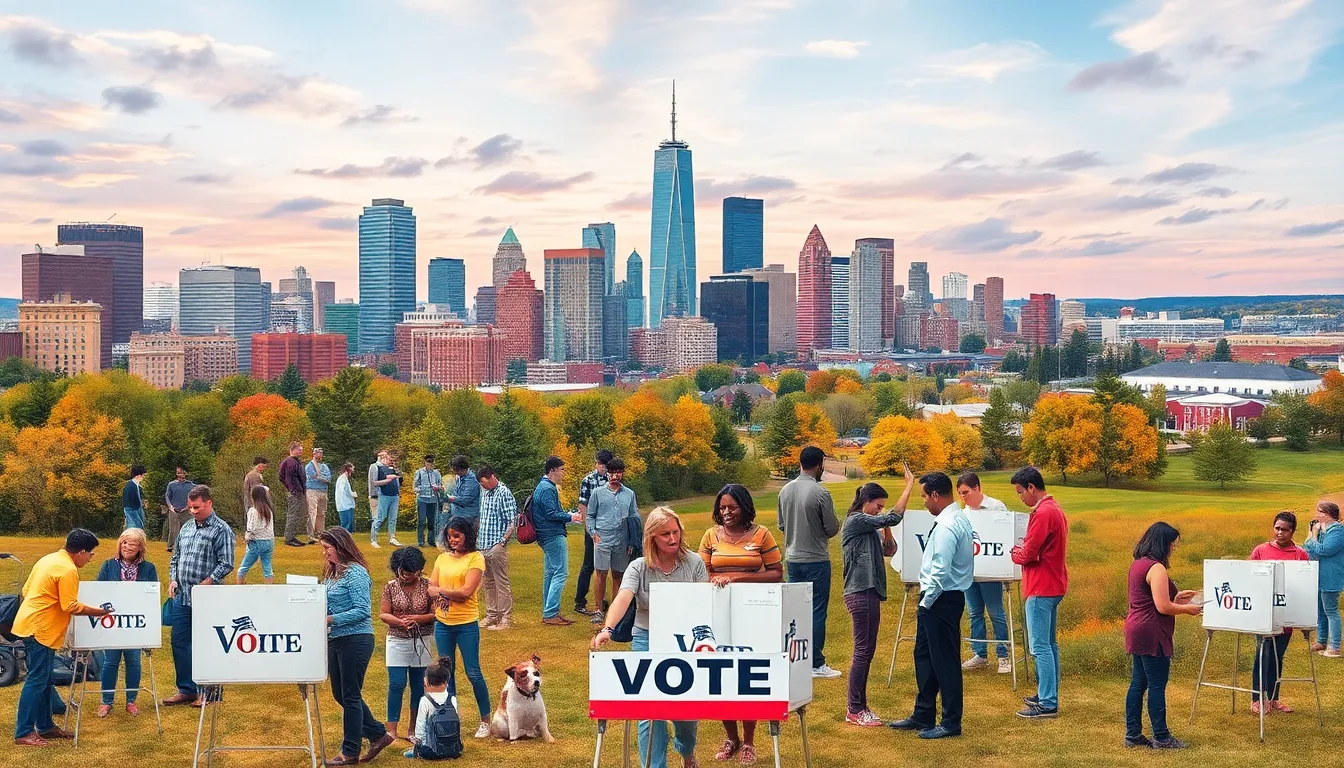
Minnesota’s political landscape showcases a dynamic history of voting patterns, reflecting both progressive and conservative influences. Examining the state’s electoral history reveals significant insights into its political identity.
Presidential Elections
In presidential elections, Minnesota has consistently leaned Democratic since 1976, backing candidates like Jimmy Carter, Bill Clinton, and Barack Obama. The state notably voted for Joe Biden in 2020, with 50.1% of voters choosing him over Donald Trump, who garnered 47.3%. However, Republican candidates often gain traction in certain rural areas. The narrow margins in recent elections reveal a growing competitiveness, exemplified by George W. Bush’s close race in 2004, where he lost by just 3 points. Demographic shifts and urban-rural divides influence these outcomes, as suburban areas increasingly align with Democratic candidates.
Statewide Elections
In statewide elections, Minnesota exhibits a blend of Democratic and Republican outcomes. The state has elected a Democratic governor for over a decade, while maintaining Republican control of the state legislature at various times. Notably, the gubernatorial race in 2018 saw Tim Walz, a Democrat, secure victory with 55.3% of the vote, highlighting ongoing progressive support, especially in metropolitan regions. Conversely, Republican candidates frequently excel in rural districts, as demonstrated in the 2016 state legislative races where Republicans captured majorities in both the House and the Senate. This pattern emphasizes the necessity of acknowledging the unique geographical and ideological factors shaping Minnesota’s voting behavior.
Current Political Climate
Minnesota’s political climate reflects a unique blend of progressive and conservative ideologies, illustrating its dynamic electoral landscape. Recent trends reveal how both major parties strive for influence amid shifting demographics and key issues.
Democratic Party Influence
The Democratic Party holds significant sway in Minnesota, particularly in urban areas like the Twin Cities, which consistently support Democratic candidates. Recent elections showcased this influence, with Democrats winning six of the last seven gubernatorial races since 2002. The party’s focus on healthcare, education funding, and environmental policies resonates with many voters. In 2022, Democratic Governor Tim Walz secured re-election, capturing 52.9% of the vote, further solidifying the party’s foothold in the state. Additionally, Minnesota boasts a strong Democratic presence in its congressional delegation, as they represent a substantial majority in the U.S. House.
Republican Party Presence
The Republican Party maintains a competitive presence, especially in rural regions where conservative values resonate with many voters. Electoral contests from the past decade highlight the party’s ability to gain traction, as evidenced in the 2020 presidential election, where Donald Trump received 47.3% of the vote. Republicans have successfully captured key local and state legislative positions, demonstrating a strong organizational framework. The consistent focus on tax policy, public safety, and economic growth aligns with the interests of their voter base. As the state grapples with demographic changes, Republican candidates increasingly emphasize outreach to younger and more diverse constituents to strengthen their standing.
Key Issues Shaping Voter Decisions
Economic and social issues significantly influence Minnesota voters, reflecting a complex interplay of values and priorities. Key factors include the economy, healthcare, education, and social justice.
Economic Factors
Economic factors drive voter sentiment in Minnesota, with issues like job growth, taxation, and economic development at the forefront. Voters express concern over income inequality, especially in urban centers. The unemployment rate, which stood at 3.4% in September 2023, highlights the state’s strong job market. Tax policies remain a contentious topic; Democratic candidates favor progressive taxation, while Republicans advocate for tax cuts to stimulate growth. Environmental sustainability also plays a critical role, impacting sectors such as agriculture and manufacturing. Voter attitudes toward minimum wage increases and workers’ rights continue to shape electoral outcomes.
Social Issues
Social issues resonate deeply with Minnesota voters, particularly around healthcare access, education funding, and racial equity. The Affordable Care Act remains a focal point, with substantial support for expanding healthcare coverage. Education funding debates reflect concerns over equity and quality, especially in underserved communities. Racial equity has gained attention, amplified by incidents of police violence and calls for reform. Initiatives promoting inclusion and diversity in communities drive voter engagement. Public safety discussions also emphasize the balance between law enforcement and community trust, shaping the political landscape. These social factors reflect a blend of progressive and conservative views, influencing electoral choices across the state.
Regional Differences within Minnesota
Minnesota exhibits distinct regional differences that influence its political landscape. Urban and rural areas demonstrate notable voting patterns that reflect diverse political ideologies.
Urban vs. Rural Voting Patterns
Urban areas, such as Minneapolis and St. Paul, consistently lean Democratic. Higher population density correlates with progressive voting behaviors, supported by diverse communities emphasizing social justice and economic equity. For instance, in the 2020 presidential election, urban precincts overwhelmingly favored Joe Biden, with some precincts recording over 80% support for the Democratic candidate.
Conversely, rural regions display a Republican preference, driven by conservative values. Areas like the Iron Range and western Minnesota often prioritize agricultural interests and traditional family values, contributing to strong Republican support. In the same 2020 election, rural counties predominantly backed Donald Trump, with many reporting upwards of 60% voter support for the Republican candidate.
Notable Districts and Their Trends
Certain districts showcase pronounced political trends that illustrate Minnesota’s complex electoral dynamics.
- 5th Congressional District: Predominantly Democratic, this district includes Minneapolis and often supports progressive candidates in both state and local elections.
- 8th Congressional District: Historically a battleground, this district’s voting patterns shifted to Republican following Trump’s candidacy, reflecting growing conservative sentiment in the region.
- 3rd Congressional District: This suburban area demonstrates competitive election outcomes, often swinging between Democratic and Republican candidates, influenced by varying demographics and local issues.
These districts embody the intricate voter behaviors that define Minnesota’s political identity, revealing the ongoing influence of regional differences on electoral outcomes.
Minnesota’s political identity is a fascinating blend of progressive and conservative influences. While the Democratic Party has maintained a stronghold in urban areas and statewide elections, Republican support in rural regions showcases the state’s competitive nature. The ongoing demographic shifts and key issues like healthcare and education will continue to shape Minnesota’s future political landscape. As voters navigate these complexities, the state’s electoral outcomes will likely reflect a dynamic interplay between its historical Democratic leanings and the growing conservative presence. Minnesota remains a state where political allegiances can shift, making it an intriguing focal point for future elections.