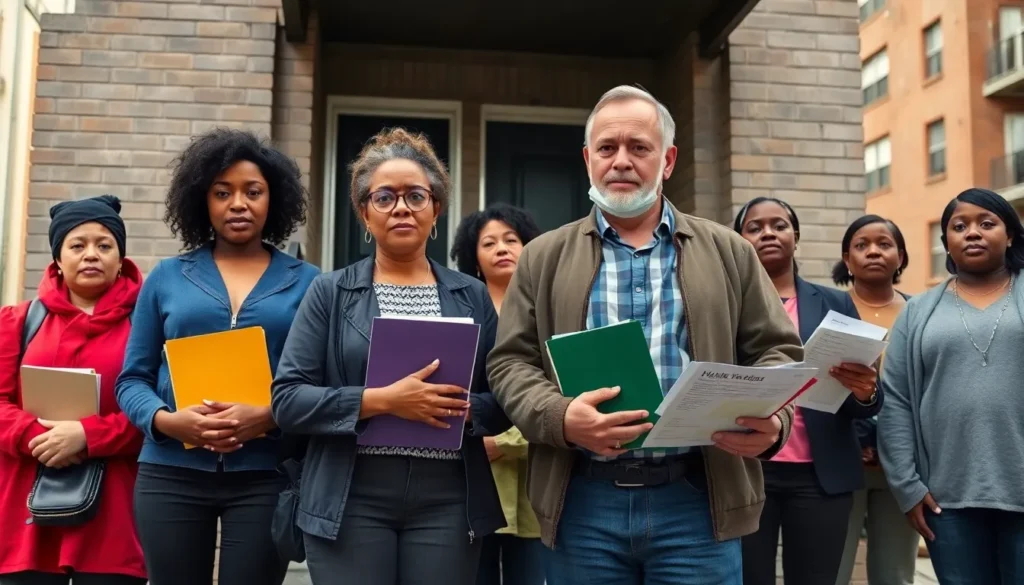

Navigating the world of eviction can be daunting, especially for tenants facing the possibility of losing their homes. Understanding eviction rights is crucial for anyone renting a property, as it equips them with the knowledge to protect themselves against unfair practices. Whether it’s due to non-payment of rent or lease violations, knowing the legal framework can make all the difference.
In many cases, tenants have more rights than they realize. Laws vary by state, but most jurisdictions require landlords to follow specific procedures before evicting a tenant. By grasping these rights and the eviction process, individuals can advocate for themselves and seek assistance when needed. This article will explore key aspects of eviction rights, offering insights that empower tenants to navigate their housing situations with confidence.
Understanding Eviction Rights
Eviction rights refer to the legal protections tenants possess when facing eviction. Familiarity with these rights enables tenants to understand their legal standing and the eviction process.
Definition of Eviction Rights
Eviction rights encompass the laws and regulations granting tenants protection against unlawful eviction. These rights include the right to receive proper notice before eviction, the right to contest the eviction in court, and the right to remain in the property until a court order mandates otherwise. Additionally, laws often protect tenants from retaliatory evictions, which occur due to exercising legal rights or making complaints about living conditions.
Importance of Knowing Your Rights
Knowing eviction rights is crucial for tenants. Understanding these rights equips tenants to challenge improper eviction. Awareness of the necessary procedures ensures that tenants know when landlords fail to follow legal protocols. Being informed maximizes a tenant’s chances of staying in their home, preventing unjust displacement. It also facilitates access to legal resources or assistance through local housing authorities or legal aid organizations.
Legal Framework Surrounding Evictions

Understanding the legal framework surrounding evictions helps tenants navigate their rights effectively. This framework consists of federal laws and state-specific regulations that govern the eviction process.
Federal Laws Governing Evictions
The federal government outlines specific laws that govern evictions, primarily through the Fair Housing Act. This act prohibits discrimination in housing based on race, color, national origin, religion, sex, familial status, or disability. Tenants can file complaints if they believe their eviction stems from discriminatory practices. Additionally, the Protecting Tenants at Foreclosure Act offers protections for tenants living in foreclosed properties, allowing them to remain in their homes for a specified period.
State-Specific Regulations
State regulations dictate the eviction process and can vary significantly. Most states require landlords to follow formal procedures, including providing written notice of eviction, which must state the reason for eviction and the timeline tenants have to remedy the issue. Each state also sets its own timeframes for eviction notices, which can range from 3 to 30 days, depending on the grounds for eviction. Some states provide added protections against retaliatory evictions, ensuring tenants facing eviction due to asserting their rights may appeal to the court. Tenants should familiarize themselves with the specific laws in their state to understand their rights fully.
Common Reasons for Eviction
Understanding common reasons for eviction can help tenants recognize potential risks and take necessary precautions. Below are the primary grounds for eviction that tenants should be aware of.
Non-Payment of Rent
Non-payment of rent is one of the most frequent reasons landlords initiate eviction processes. If a tenant fails to pay rent within the specified timeframe outlined in the lease agreement, landlords can issue a notice to vacate. Most states require landlords to provide a written notice stipulating the amount owed and a timeframe for payment. If the tenant does not pay by the specified date, eviction proceedings can begin.
Lease Violations
Lease violations encompass a range of actions that breach the terms of the rental agreement. These violations may include unauthorized pets, illegal activities, or subletting without permission. Landlords typically must issue a notice detailing the violation and allow a certain period for the tenant to rectify the issue. Failure to address the violation can lead to eviction.
Property Damage
Property damage often results in eviction when tenants fail to maintain the rental unit according to lease standards. Significant damage that exceeds normal wear and tear, such as broken fixtures or vandalism, can prompt landlords to act. Like other eviction reasons, landlords often must notify tenants of the required repairs and give them time to address the issue before starting eviction actions.
The Eviction Process
Understanding the eviction process is crucial for tenants facing potential removal from their residences. This process often involves specific legal steps that landlords must follow to ensure compliance with eviction laws.
Notice Requirements
Landlords must provide tenants with written notice before initiating eviction proceedings. This notice typically details the reason for eviction, such as non-payment of rent or lease violations. Each state specifies different notice periods, ranging from 3 to 30 days, depending on the grounds for eviction. For instance, in California, landlords usually give a three-day notice for non-payment of rent, while other lease violations might require a 30-day notice. Tenants must carefully review the notice to understand their rights and any potential remedies available.
Court Proceedings
If tenants do not comply with the notice, landlords can file an eviction lawsuit in court. Tenants receive a summons and a complaint, allowing them to present their case. During this process, it’s vital for tenants to gather evidence and potentially seek legal representation. Court proceedings vary by state, but tenants often have the right to contest the eviction on grounds such as improper notice or retaliatory motives. Timeframes for court rulings fluctuate; some states may allow eviction hearings within days, while others could take weeks. Following a court decision, tenants can remain in the rental property until a court order mandates eviction, ensuring they have a final opportunity to appeal the ruling or seek legal recourse.
Defending Against Eviction
Tenants can employ various strategies to defend against eviction using legal protections and available resources. Understanding these defenses and knowing where to seek help strengthens their position significantly.
Legal Defenses
Tenants often possess several legal defenses against eviction. Common defenses include:
- Improper Notice: Tenants can argue that the landlord failed to provide the required legal notice before eviction proceedings began. Most states require landlords to give formal notice, specifying reasons for eviction and a clear timeframe for resolution.
- Retaliation: Tenants can defend against eviction by proving that it resulted from retaliatory actions by the landlord. If the eviction follows a complaint made by the tenant regarding housing conditions or a request for repairs, it may be deemed retaliatory.
- Habitability Issues: Tenants can cite unaddressed habitability issues as a defense. Landlords are obligated to provide habitable living conditions, and significant violations can warrant withholding rent or contesting eviction.
- No Lease Violation: Tenants can challenge claims of lease violations by demonstrating compliance with rental agreements. Proper documentation can support this defense.
- Payment of Rent: If a tenant has made rent payments within the specified period, they can contest the eviction based on non-payment claims. Receipts or bank statements can serve as crucial evidence.
Resources for Tenants
Tenants can access various resources to support their eviction defense. Key resources include:
- Legal Aid Organizations: Legal aid groups provide free or low-cost legal assistance for tenants facing eviction. They offer consultations and guidance tailored to individual cases.
- Local Housing Authorities: Housing authorities can direct tenants to resources and programs designed to assist with eviction prevention, including financial help and mediation services.
- Tenant Unions: Tenant unions advocate for renters’ rights and can provide valuable information, support, and collective action opportunities to tenants facing eviction.
- Online Resources: Various online platforms, such as legal websites or tenant advocacy groups, offer information about tenant rights, state-specific laws, and eviction defense strategies.
- Court Resources: Many courts provide resources and assistance for tenants involved in eviction proceedings, including forms, instructions, and information on court processes.
Understanding eviction rights is essential for tenants facing potential homelessness. By being informed about legal protections and the eviction process, tenants can effectively advocate for themselves. This knowledge not only empowers them to challenge unjust evictions but also helps them access necessary resources and support.
It’s important for tenants to recognize that they have rights that can safeguard their living situations. With the right information and assistance, they can navigate the complexities of eviction laws and work towards maintaining their homes. Staying informed and proactive is key to ensuring fair treatment in the rental market.