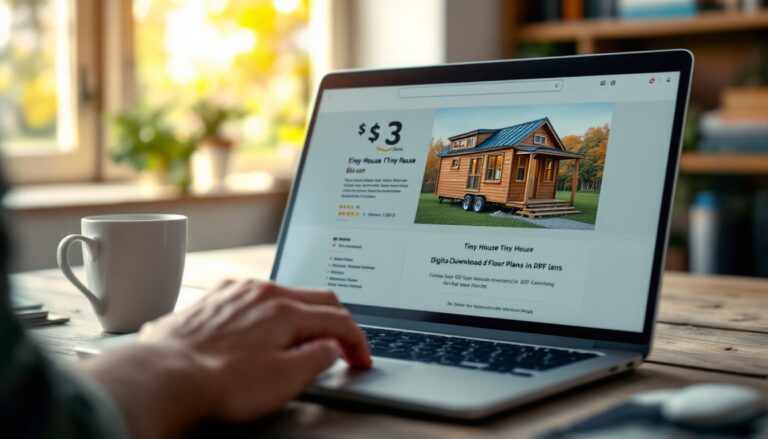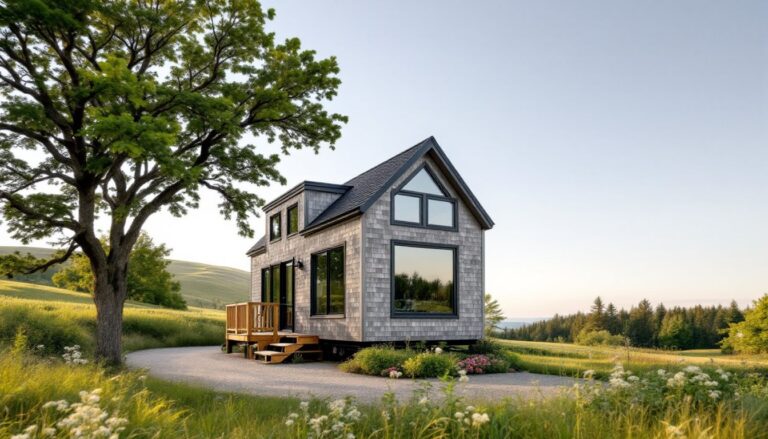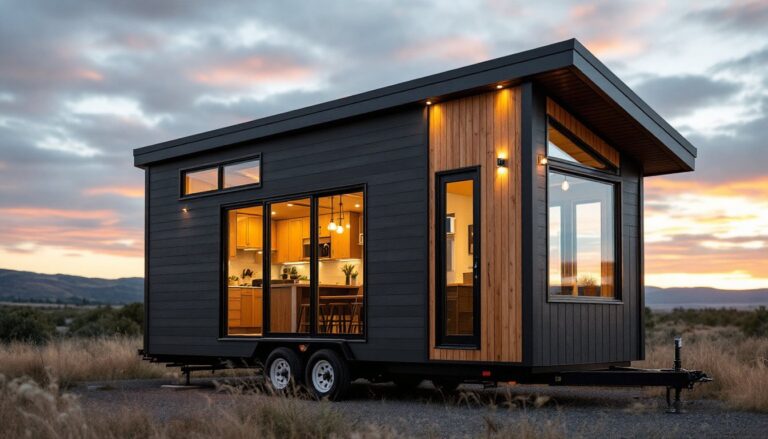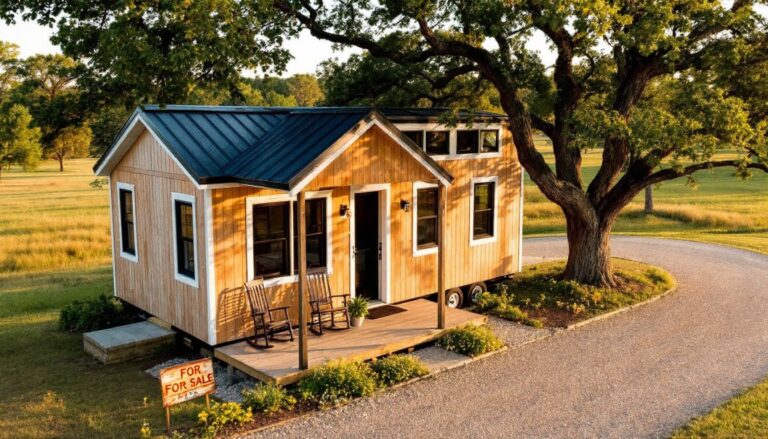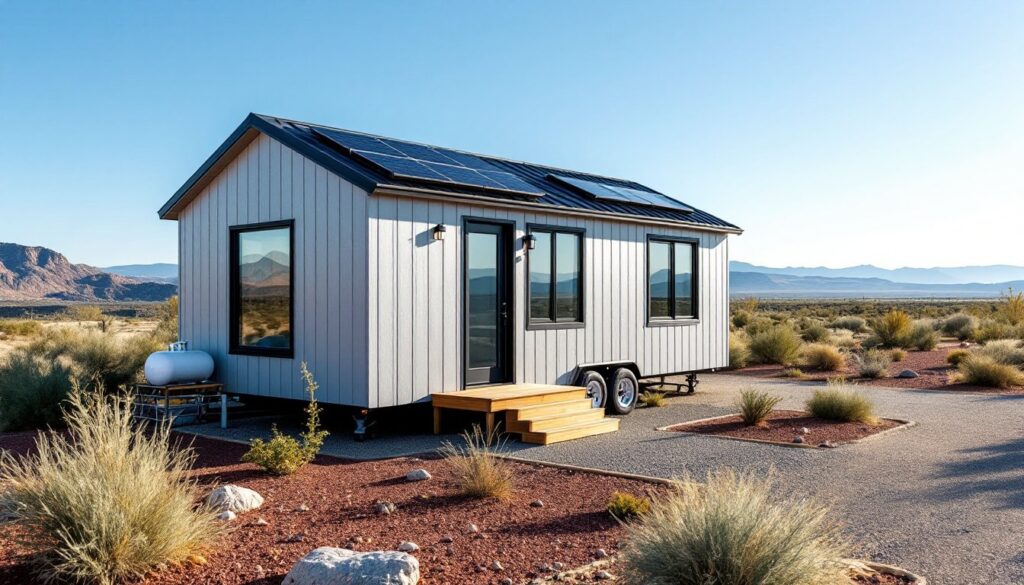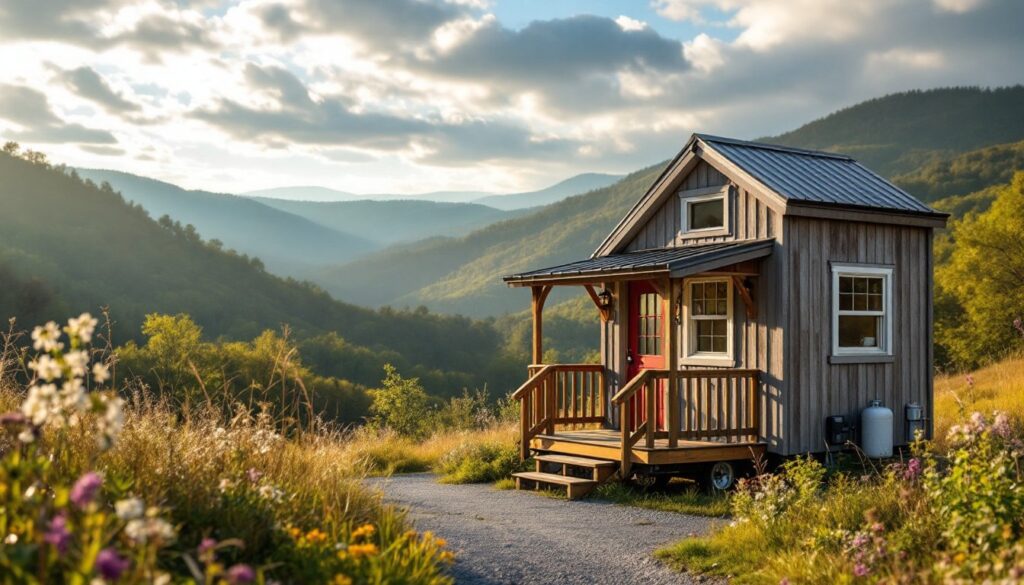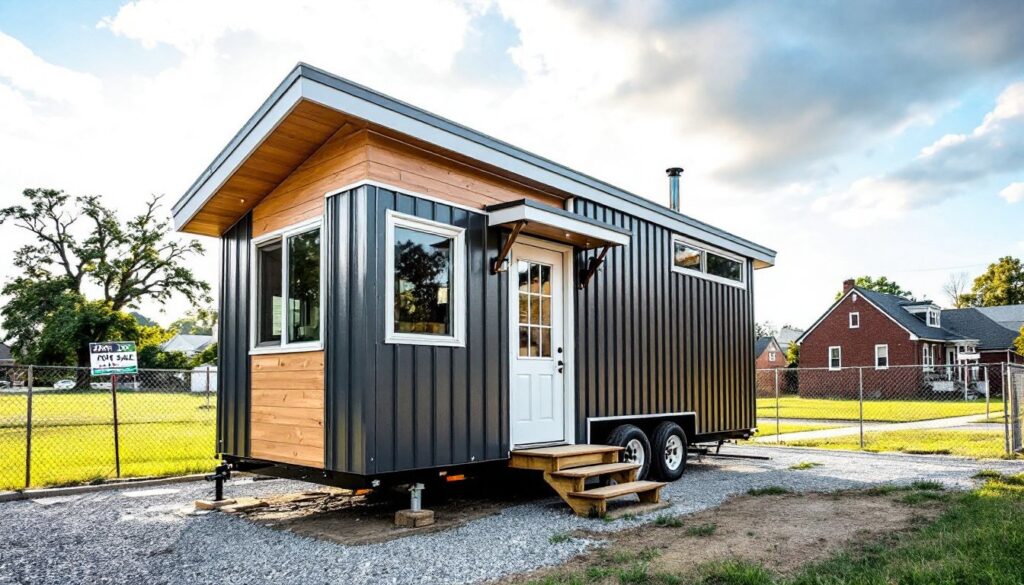
The tiny house movement is gaining momentum as more people seek to simplify their lives and embrace minimalism. With rising housing costs and a growing desire for sustainable living, tiny house plans offer an innovative solution that combines affordability with functionality. These compact homes maximize space while providing all the essential comforts of traditional living.
Designing a tiny house requires creativity and strategic planning. From clever storage solutions to multi-purpose furniture, every inch counts in these small spaces. Whether someone is looking to downsize or simply wants a cozy getaway, tiny house plans can cater to diverse needs and lifestyles. As this trend continues to grow, exploring the possibilities of tiny living becomes an exciting journey toward a more intentional way of life.
Overview of Tiny House Plans
Tiny house plans focus on maximizing limited space through efficient design and innovative features. These plans typically range from 100 to 400 square feet and are built to optimize every square inch. Key elements include open floor layouts, built-in storage solutions, and multi-functional furniture.
Designing a tiny house involves multiple considerations. First, location plays a critical role, whether it’s on private land, a tiny house community, or a mobile foundation. Second, materials significantly impact construction costs and sustainability. Popular materials include reclaimed wood, steel, and eco-friendly finishes.
Various tiny house plans cater to different lifestyles. Some plans emphasize a minimalist aesthetic with sleek lines and neutral colors, while others incorporate rustic charm with cozy interiors. Plans may feature lofted sleeping areas, foldable walls, or expandable spaces to enhance comfort and versatility.
The construction approach varies as well. Tiny houses can be built on wheels for mobility or on permanent foundations for stability. DIY options are available for those desiring a personal touch, while pre-designed kits offer simplified assembly.
Tiny house plans address diverse needs, from budget-conscious individuals to those seeking a vacation retreat. They promote intentional living, encouraging occupants to prioritize essential comforts without excess. As the trend grows, numerous resources provide inspiration, including online platforms, design books, and workshops focused on tiny house construction.
Types of Tiny House Plans
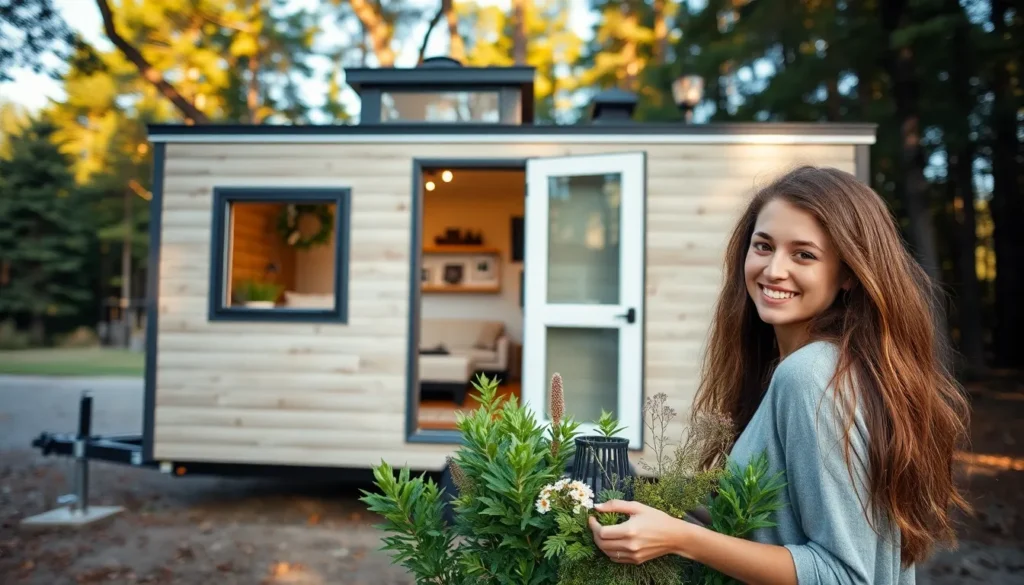
Tiny house plans generally fall into two main categories: mobile and stationary. Each type offers distinct advantages based on lifestyle preferences and requirements.
Mobile Tiny House Plans
Mobile tiny house plans offer flexibility and versatility. These designs typically feature a wheeled trailer base, allowing for relocation. Mobile plans often emphasize lightweight materials and compact layouts to withstand travel. Key elements include:
- Foldable Furnishings: Incorporate adaptable furniture, maximizing limited space during travel.
- Efficient Use of Space: Prioritize multifunctional areas, such as combined living and sleeping spaces.
- Sustainable Materials: Use eco-friendly resources that align with the tiny house movement’s principles.
Mobile tiny houses cater to people seeking an adventurous lifestyle, enabling easy movement to different locations without sacrificing comfort.
Stationary Tiny House Plans
Stationary tiny house plans focus on stability and permanent living. These structures are typically built on fixed foundations, offering more options for layout and design. Important features include:
- Customizable Designs: Facilitates personalized aesthetics, accommodating various styles from modern to rustic.
- Expanded Living Areas: Allow for additional rooms, such as dedicated home offices or extra storage spaces.
- Durability in Construction: Emphasize robust building techniques suited for long-term use.
Stationary tiny house plans appeal to those looking for a stable home environment, providing freedom from the constraints of traditional housing without compromising on comfort and functionality.
Benefits of Choosing Tiny House Plans
Tiny house plans offer numerous advantages for those seeking a simpler lifestyle. These benefits include affordability, eco-friendliness, and the promotion of a minimalist lifestyle.
Affordability
Tiny house plans reduce housing costs significantly compared to traditional homes. Prices can range from $20,000 to $100,000, depending on design and materials. Lower construction expenses result in less mortgage debt or even eliminate the need for a mortgage altogether. Reduced utility costs further enhance affordability, with smaller spaces typically requiring less energy for heating and cooling. Additionally, tiny houses often incur lower property taxes, making them financially appealing.
Eco-Friendliness
Tiny houses promote sustainability through smaller footprints. Their compact designs utilize fewer resources in construction and maintenance. Smaller living spaces encourage energy-efficient practices and minimize overall waste generation. Many tiny house plans incorporate sustainable materials, such as reclaimed wood or recycled components, which further decreases environmental impact. Opting for solar panels and rainwater harvesting systems enhances the eco-friendliness of tiny homes.
Minimalist Lifestyle
Choosing tiny house plans fosters a minimalist lifestyle, emphasizing essential comforts without excess. Limited space encourages occupants to prioritize their belongings, leading to fewer material possessions and reduced clutter. This shift promotes mindful consumption of resources, aligning with values of intentional living. As a result, individuals experience less stress and enhanced well-being, focusing on experiences rather than material goods. Embracing minimalism in a tiny house can transform one’s perspective on life, prioritizing simplicity and happiness.
Key Features to Consider
When designing a tiny house, various features play a crucial role in enhancing functionality and comfort. Key considerations include layout and design choices as well as sustainability options.
Layout and Design
Compact yet efficient designs characterize tiny house layouts, maximizing space through open floor plans and integrated storage solutions. Multi-functional furniture, like sofa beds and extendable dining tables, adds versatility. Lofted sleeping areas often free up ground space for living areas or workspaces, ensuring efficient use of every square foot. Clever placement of windows enhances natural light, creating an airy ambiance. Modular designs enable future modifications, accommodating changes in lifestyle or family size.
Sustainability Options
Sustainability remains a vital aspect of tiny house planning, with eco-friendly materials and practices reducing environmental impact. Choosing sustainable materials, such as reclaimed wood or recycled metal, lowers the carbon footprint. Energy-efficient appliances and solar panels support a reduced reliance on traditional energy sources, promoting self-sufficiency. Water conservation features, like low-flow fixtures and rainwater harvesting systems, can further enhance sustainability. Incorporating these options not only benefits the environment but also contributes to lower utility costs, making tiny living more appealing.
Tiny house plans offer a transformative approach to living that aligns with modern values of sustainability and minimalism. By prioritizing essential comforts and reducing excess, these designs not only make homeownership more accessible but also promote a lifestyle focused on intentionality. Whether opting for a mobile or stationary model, individuals can tailor their tiny homes to fit their unique needs and preferences.
The tiny house movement encourages creativity and resourcefulness, inspiring many to rethink their relationship with space and possessions. As more people explore this trend, the possibilities for innovative design and sustainable living continue to expand, making tiny homes a compelling choice for those ready to embrace a simpler, more meaningful life.