The trend of bespoke tiny homes is capturing the imagination of many, offering a unique blend of sustainability and personalized living. These custom-designed dwellings cater to individual needs and preferences, transforming the idea of home into a tailored experience. With minimalism on the rise, more people are seeking to downsize without sacrificing comfort or style.
Bespoke tiny homes provide an innovative solution for those looking to simplify their lives while embracing eco-friendly practices. Each home reflects its owner’s personality, showcasing creativity and functionality in every square foot. As the movement grows, it’s clear that bespoke tiny homes are more than just a trend; they represent a lifestyle choice that prioritizes quality over quantity.
Overview of Bespoke Tiny Homes
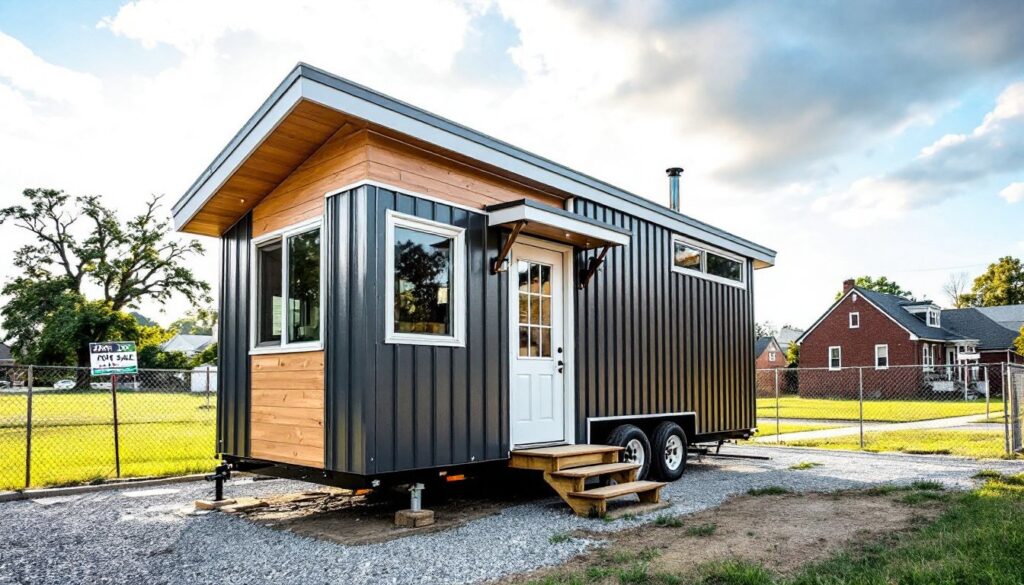
Bespoke tiny homes represent a unique approach to modern living. These homes combine individualized design with compact functionality. Each structure reflects the owner’s specific needs, preferences, and lifestyle choices.
The appeal of bespoke tiny homes lies in their ability to maximize space while ensuring comfort. Custom designs often include innovative storage solutions and multi-purpose furniture. This adaptability enhances the livability of smaller spaces, making them suitable for various demographics, including singles, couples, and families.
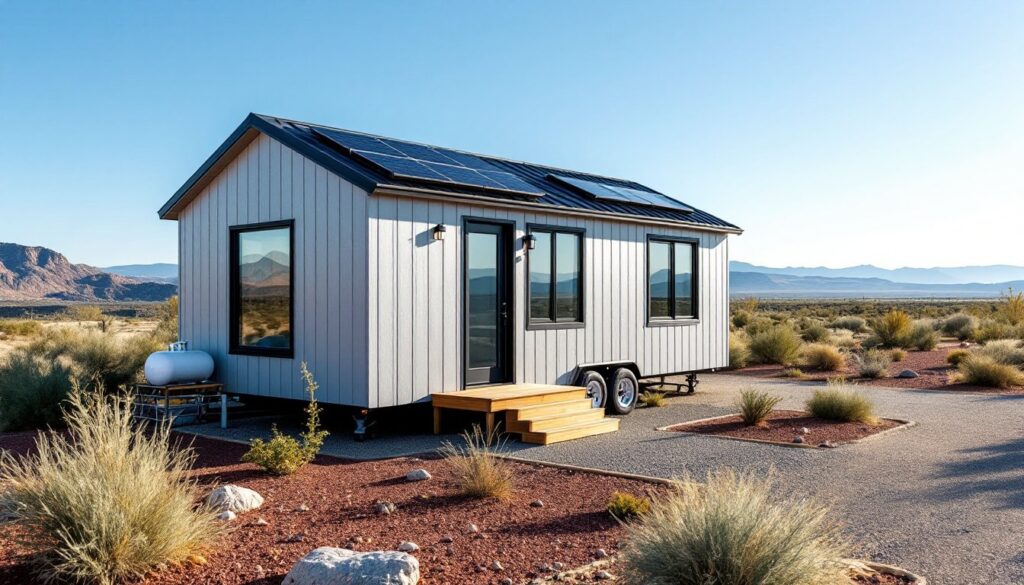
Eco-conscious consumers find bespoke tiny homes particularly attractive. Sustainable materials and energy-efficient technologies often feature prominently in these builds. Many homeowners opt for solar panels, composting toilets, and rainwater harvesting systems, which reduce environmental impact.
Emphasizing creativity and practicality, bespoke tiny homes offer opportunities for personalization. Owners can select layouts, finishes, and interior elements that resonate with their aesthetic preferences. This not only creates a sense of ownership but also aligns the home with their lifestyle, whether urban or rural.
Bespoke tiny homes provide a compelling solution for those seeking a simplified, sustainable living environment. By prioritizing individuality and functionality, these homes cater to a growing desire for minimalism and environmental responsibility.
Benefits of Choosing Bespoke Tiny Homes
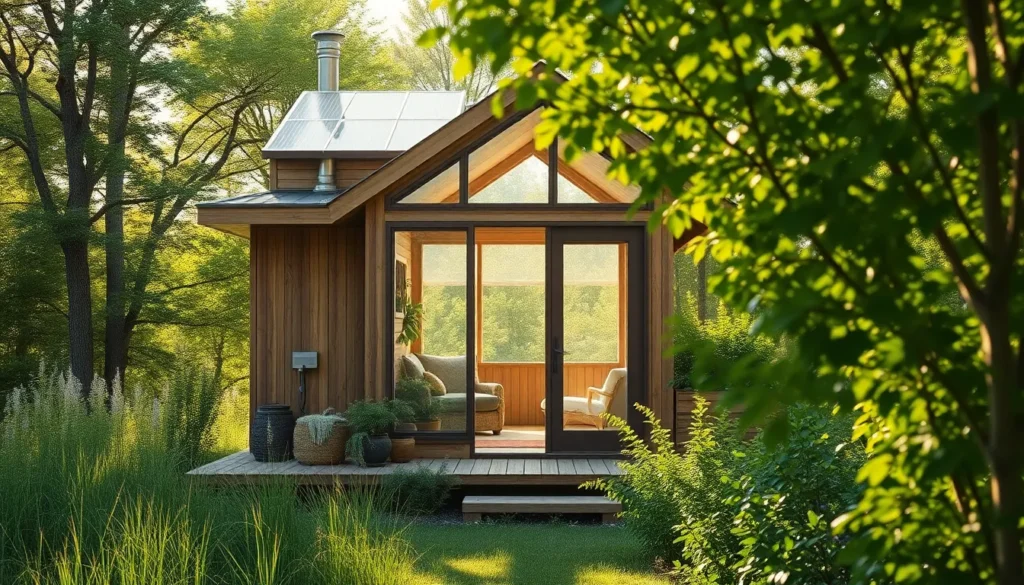
Bespoke tiny homes offer numerous advantages, particularly in terms of customization and sustainability. These benefits cater to individual lifestyles while promoting eco-friendly living.
Customization Options
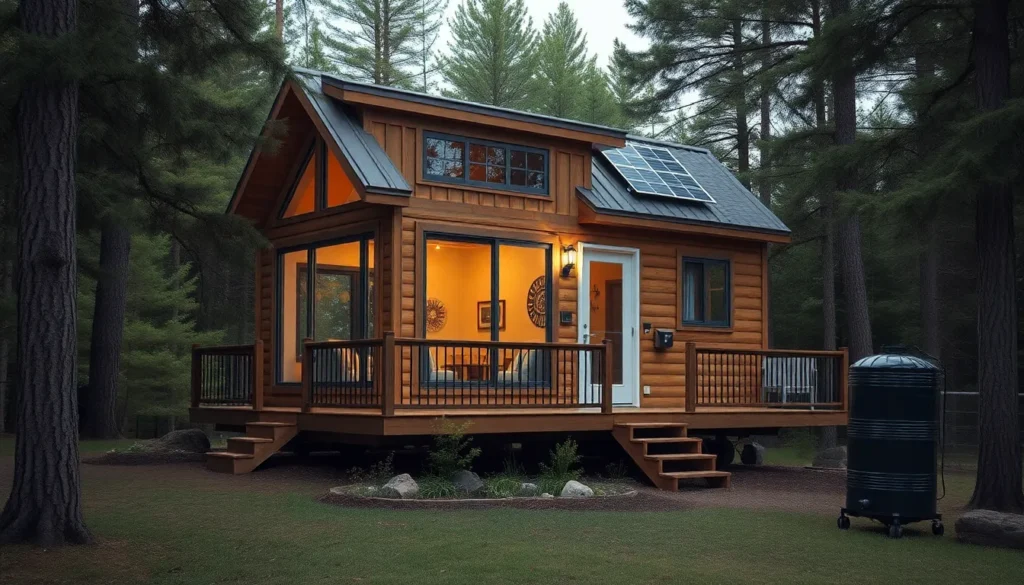
Customization options enhance the appeal of bespoke tiny homes. Owners can tailor layouts, materials, and finishes to suit personal preferences. Choices include open floor plans or designated rooms, allowing residents to optimize living space. Unique architectural elements, like skylights or large windows, increase natural light, creating a more inviting atmosphere. Homeowners can also choose sustainable materials, such as reclaimed wood or recycled metal, ensuring eco-conscious choices. Furthermore, bespoke tiny homes can accommodate specific needs, such as accessibility features or off-grid capabilities, making them versatile for various lifestyles.
Sustainability Features
Sustainability features play a crucial role in bespoke tiny homes. Many of these homes utilize eco-friendly materials, promoting reduced environmental impact. Innovations such as solar panels and energy-efficient appliances minimize energy consumption and lower utility bills. Rainwater harvesting systems collect and reuse water, further enhancing sustainability. Proper insulation contributes to energy efficiency and comfort throughout the year. This focus on sustainability attracts environmentally conscious individuals seeking to minimize their carbon footprint while enjoying the benefits of modern living.
Design Considerations
Designing bespoke tiny homes involves careful planning to maximize space and enhance aesthetic appeal. Attention to detail ensures these compact spaces remain functional and visually appealing.
Space Optimization
Space optimization in bespoke tiny homes prioritizes multifunctionality and efficiency. Creative layouts incorporate built-in furniture and innovative storage solutions. Common strategies include:
- Open Floor Plans: These designs create a sense of spaciousness while allowing flexibility in furniture arrangement.
- Built-in Storage: Custom cabinets and under-bed storage maximize available space, reducing clutter.
- Multi-purpose Furniture: Pieces like fold-out tables and convertible sofas serve dual functions, enhancing usability without overwhelming the area.
- Vertical Space: Utilizing wall-mounted shelves and hooks frees up floor space, allowing for a more organized environment.
These strategies effectively transform limited square footage into practical living areas, catering to various lifestyles and needs.
Aesthetic Choices
Aesthetic choices significantly impact the overall feel of bespoke tiny homes. Personalized selections create welcoming environments that reflect individual tastes. Key considerations include:
- Color Schemes: Light colors can make spaces appear larger, while bold accents add character.
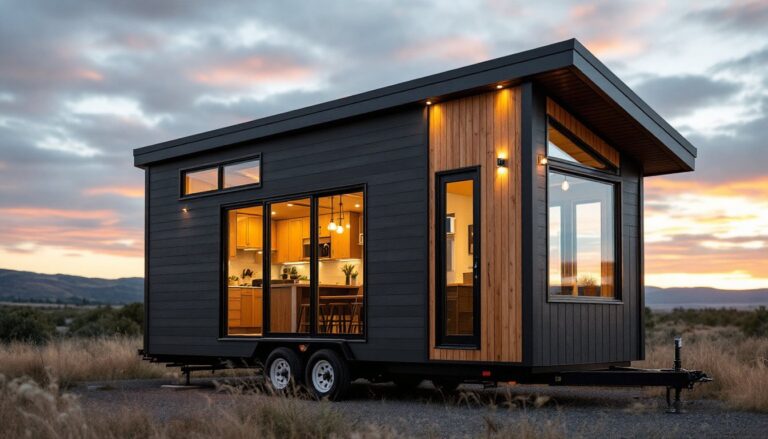
- Material Selection: Natural materials like wood provide warmth, while metal and glass elements can contribute a modern touch.
- Lighting Design: Incorporating large windows, skylights, and strategic artificial lighting enhances ambiance and functionality.
- Interior Decor: Custom furnishings and decorative elements help personalize spaces, allowing owners to showcase their style while maintaining a cohesive look.
Attention to these aesthetic aspects enhances the living experience and reinforces the uniqueness of each bespoke tiny home.
Construction Process
The construction process of bespoke tiny homes involves careful planning, precise execution, and the use of high-quality materials to ensure longevity and comfort. Each project varies in design and complexity, reflecting individual preferences and sustainable practices.
Materials Used
Bespoke tiny homes often utilize eco-friendly materials that align with sustainability goals. Common materials include:
- Wood: Naturally sourced timber offers strength and warmth, providing structural support and aesthetic appeal.
- Recycled Materials: Salvaged materials reduce waste and promote resource efficiency, giving unique character to each home.
- Insulation: Sustainable insulation materials, like sheep’s wool or cellulose, enhance energy efficiency, ensuring comfort while lowering heating and cooling costs.
- Eco-friendly Finishes: Non-toxic paints and coatings maintain indoor air quality, enhancing health and well-being.
This careful selection of materials contributes to the overall sustainability of the homes while ensuring they meet the specific needs of the owners.
Timeframe and Costs
The timeframe and costs associated with constructing bespoke tiny homes depend on various factors, including design complexity, materials, and local regulations. Typical aspects include:
- Construction Timeframe: Building a bespoke tiny home usually takes between 3 to 6 months, depending on customization levels.
- Costs: Prices range from $30,000 to $150,000, influenced by size, materials, and features selected. Custom features, such as solar installations or advanced insulation, can increase costs, enhancing sustainability and comfort.
Understanding the expected timeframe and costs enables potential owners to plan effectively, ensuring the creation of a personalized and eco-friendly living space.
Popular Trends in Bespoke Tiny Homes
Bespoke tiny homes showcase a variety of popular trends, reflecting evolving consumer preferences and environmental consciousness. Notable trends include:
- Nature-Inspired Designs
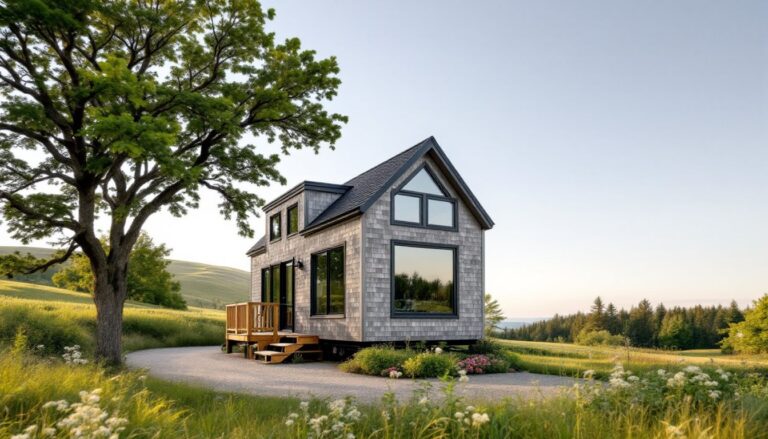
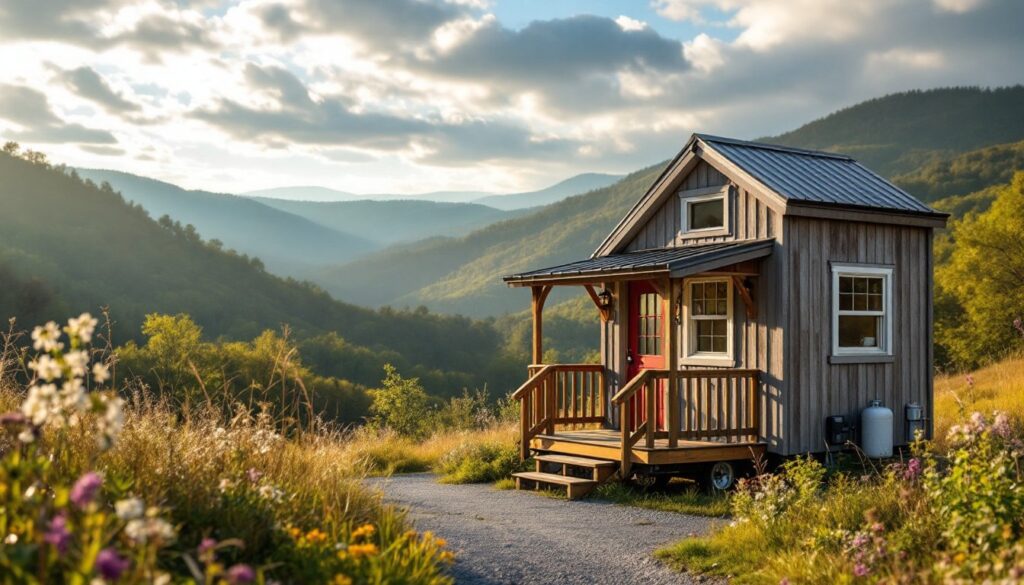
Nature-inspired designs emphasize harmony with surroundings. Incorporating large windows and natural materials creates an organic feel. Many owners opt for earthy color palettes and landscaping that integrates the home into its environment.
- Smart Home Technology
Smart home technology enhances comfort and efficiency. Features such as automated lighting, climate control, and security systems allow for remote management. Increasingly, tiny homes are equipped with smart devices that optimize energy consumption.
- Sustainable Materials
Sustainable materials play a crucial role in construction choices. Reclaimed wood, bamboo flooring, and recycled metal are common selections. These options reduce ecological footprints while providing aesthetic appeal.
- Modular Creations
Modular creations facilitate flexibility in design and construction. Individual sections are manufactured off-site, allowing for easy assembly on-location. This approach reduces waste and construction time, offering a streamlined process.
- Outdoor Living Spaces
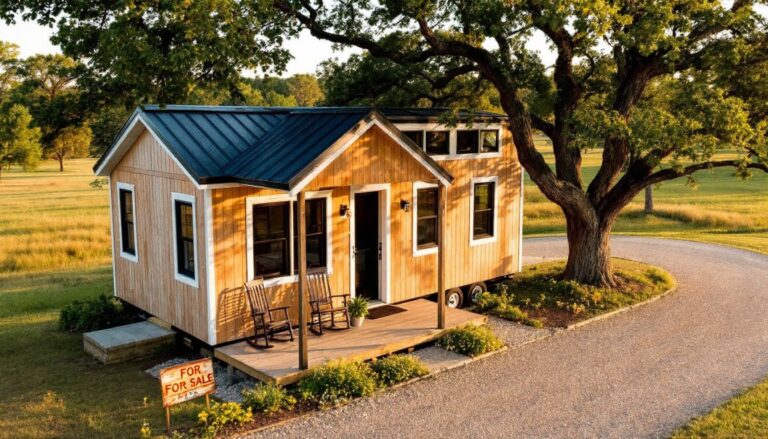
Indoor-outdoor living is increasingly integrated into designs. Patios, decks, and garden spaces expand usable areas. Many tiny home owners develop outdoor kitchens and fire pits to enhance communal experiences.
- Customized Interiors
Customized interiors reflect personal styles and lifestyles. Owners choose unique layouts, color schemes, and furnishings tailored to their needs. Multi-functional furniture, such as Murphy beds and hidden storage solutions, maximizes utility.
- Energy Efficiency
Energy efficiency ranks high among buyer priorities. Features include solar panels, energy-efficient appliances, and high-performance insulation. These elements lower utility costs while promoting eco-friendly living.
- Minimalist Aesthetics
Minimalist aesthetics focus on simplicity and functionality. Clean lines, uncluttered spaces, and intentional design contribute to serene environments. Many designs incorporate ample natural light to enhance the sense of openness.
These trends in bespoke tiny homes illustrate a commitment to personalization and sustainability. Each innovation enriches the living experience, aligning with the desires of contemporary homeowners seeking both style and functionality.
Bespoke tiny homes are more than just a trend; they represent a shift towards personalized and sustainable living. By focusing on individuality and eco-friendly practices, these homes cater to diverse lifestyles while promoting minimalism. The innovative design elements and sustainable features not only enhance comfort but also reduce environmental impact.
As homeowners embrace this movement, they find joy in crafting spaces that reflect their unique tastes and values. The future of living lies in these compact yet functional homes, offering a harmonious blend of style, sustainability, and simplicity. Bespoke tiny homes stand as a testament to the idea that less can indeed be more.