
In a world where remote work is becoming the norm, creating a functional workspace at home is essential. Tiny home offices are gaining popularity as they offer a perfect blend of efficiency and comfort, even in the smallest of spaces. These compact setups allow individuals to focus on their tasks while maintaining a sense of personal style.
Designing a tiny home office doesn’t mean sacrificing productivity. With clever organization and smart design choices, anyone can transform a small nook into an inspiring workspace. Whether it’s a corner in the living room or a dedicated shed in the backyard, the possibilities are endless. Embracing the tiny home office trend not only maximizes space but also enhances work-life balance, making it an appealing option for many.
What Is a Tiny Home Office?
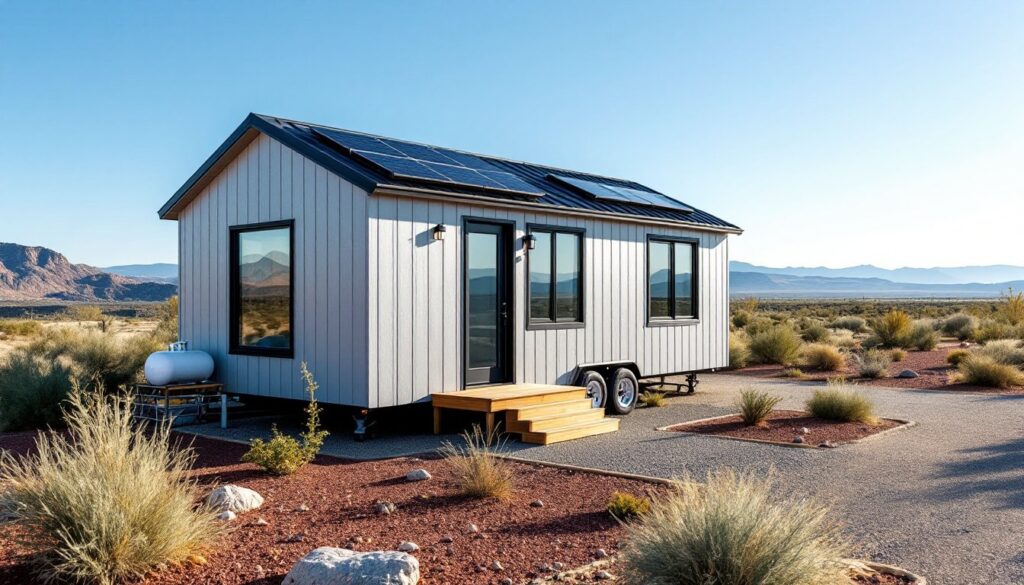
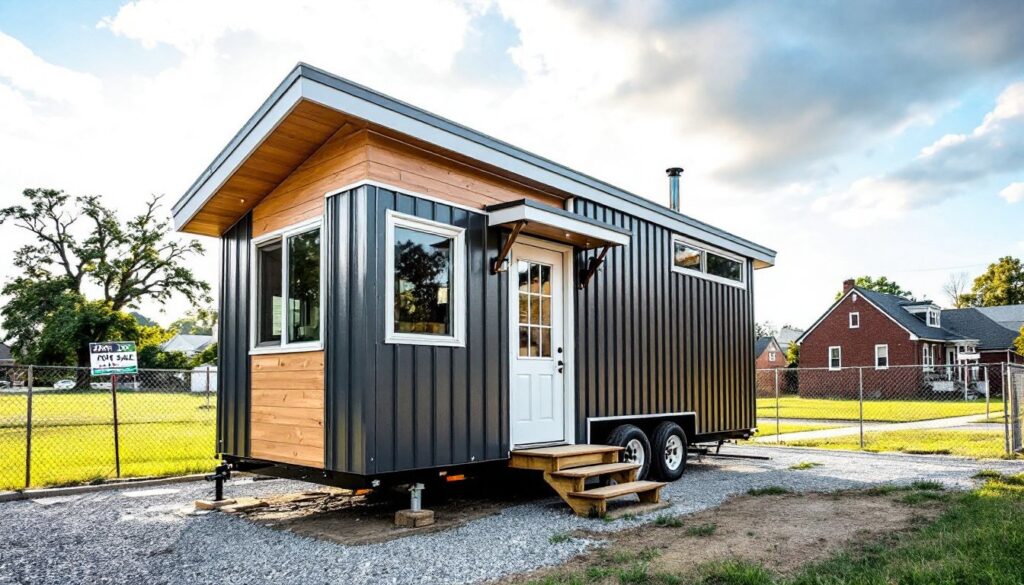
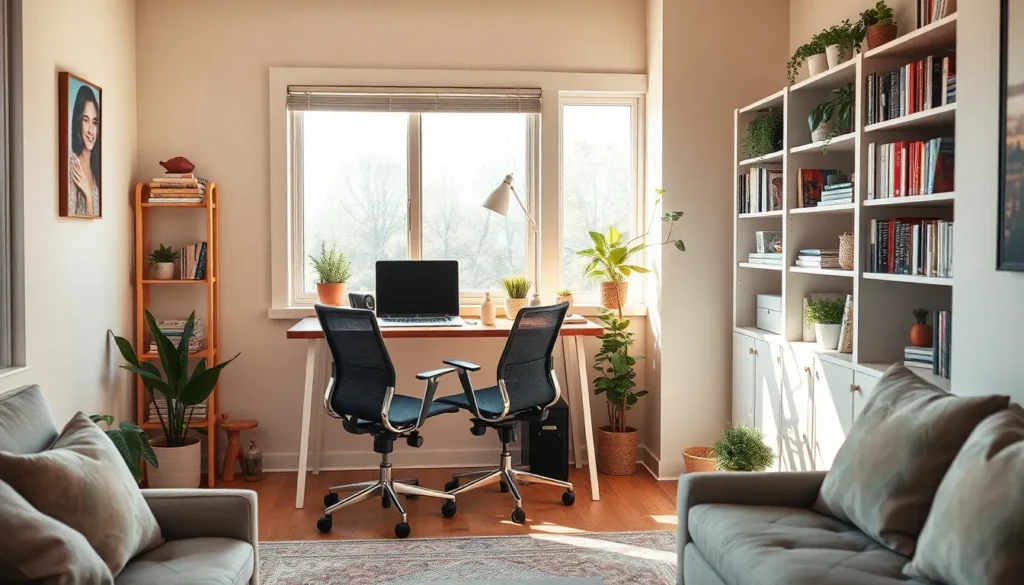
A tiny home office refers to a compact workspace that maximizes functionality within limited square footage. It often integrates smart design elements to ensure efficient use of space, making it suitable for remote work. These offices can be set up in various locations, including corners of living rooms, spare bedrooms, or outdoor structures like sheds.
Tiny home offices feature essential items such as desks, ergonomic chairs, and storage solutions, all tailored to fit smaller areas. They prioritize organization, often incorporating multifunctional furniture that serves dual purposes, such as a desk that doubles as a shelving unit. With the right planning, these tiny spaces can provide a comfortable and productive environment.
The appeal of tiny home offices lies in their ability to foster a dedicated work area while promoting work-life balance. Individuals can create personalized atmospheres that inspire creativity and focus without needing expansive square footage. This innovative approach aligns seamlessly with the growing trend toward minimalism and efficiency in home design.
Benefits of a Tiny Home Office
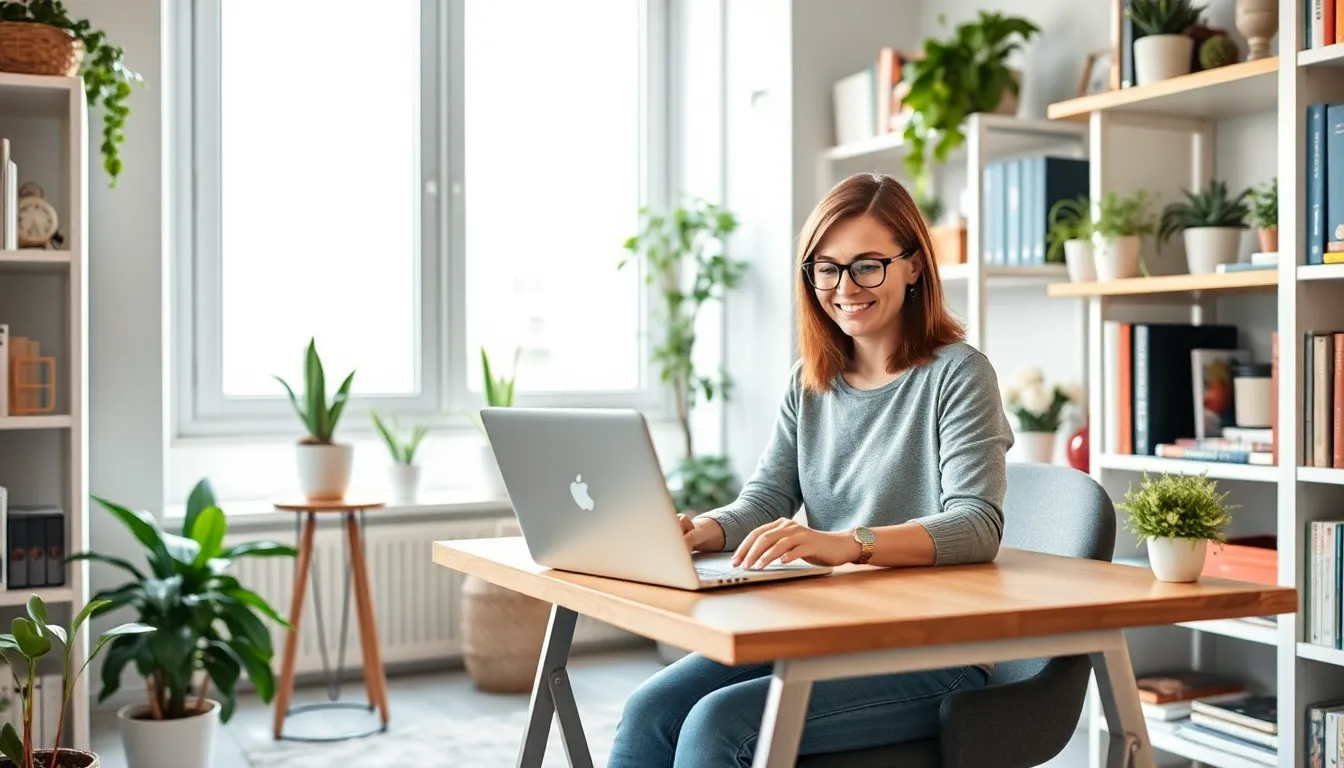
Tiny home offices provide numerous advantages, particularly as the demand for efficient workspaces increases. They promote cost-effectiveness, optimize space usage, and enhance productivity.
Cost-Efficiency
Tiny home offices often require lower startup and ongoing costs. By utilizing existing rooms or outdoor structures, individuals avoid hefty expenses associated with renting commercial spaces. Additionally, reduced energy consumption and minimal furnishing needs contribute to long-term savings. According to a report by the National Association of Realtors, remote workers save an average of $4,000 annually by avoiding daily commuting costs and meals outside the home.
Space Optimization
Tiny home offices maximize limited space through smart design solutions. By incorporating multifunctional furniture, like desks with built-in storage and foldable chairs, these setups maintain organization and declutter environments. Utilizing vertical storage solutions, such as wall-mounted shelves, further liberates floor space, ensuring a more efficient workspace. This kind of thoughtful arrangement allows individuals to create a dedicated area without sacrificing comfort.
Increased Productivity
Tiny home offices can boost productivity by providing a focused environment. Separation from household distractions fosters concentration, while personalized decor enhances motivation and inspiration. Research from Harvard Business Review indicates that a designated workspace can increase overall productivity by 20-30%. With fewer distractions and better organization, individuals experience fewer interruptions, leading to improved work outcomes.
Designing Your Tiny Home Office
Designing a tiny home office requires careful consideration of space, functionality, and aesthetics. With limited square footage, every element plays a crucial role in creating an efficient workspace.
Essential Design Considerations
- Layout Optimization: Prioritize an open layout that promotes flow and reduces clutter. Position the desk near a window to maximize natural light and enhance productivity.
- Lighting Varieties: Incorporate a mix of ambient, task, and accent lighting to create a versatile environment. Use LED desk lamps and wall-mounted fixtures to save space while ensuring adequate illumination.
- Color Schemes: Choose light, neutral colors to make the space feel larger and more inviting. Accents of vibrant colors can enhance creativity without overwhelming the senses.
- Vertical Space Utilization: Take advantage of wall space for shelving, pegboards, or hanging organizers. Floating shelves keep essentials within reach while freeing up floor space.
- Acoustic Solutions: Consider sound-absorbing materials or acoustic panels if the workspace is in a noisy area. These elements help maintain focus by minimizing distractions.
Choosing the Right Furniture
- Compact Desks: Opt for desks that fit well within the space while offering sufficient surface area for work materials. Foldable or wall-mounted desks provide flexibility when extra space is needed.
- Ergonomic Chairs: Select ergonomic chairs that support long hours of work. Look for adjustable options to ensure proper posture and comfort.
- Multifunctional Pieces: Incorporate furniture that serves multiple purposes. Desks with built-in storage or ottomans that double as seating can enhance efficiency.
- Storage Solutions: Implement vertical storage options such as cabinets, boxes, and organizers that can be tucked away or hung on walls. Keeping the workspace uncluttered promotes productivity.
- Personal Touches: Add personal elements like plants or artwork that inspire creativity. These small additions can transform the workspace into a motivating environment.
Tips for Maximizing Functionality
Maximizing functionality in a tiny home office involves thoughtful planning and resourceful design choices. These tips focus on storage solutions and workspace organization to enhance productivity.
Storage Solutions
Integrating effective storage solutions is vital in a tiny home office. Utilize vertical shelves to free up floor space, making the area feel larger while providing ample storage for books and supplies. Consider multi-use furniture, like ottomans or benches with hidden compartments, to store items discreetly. Install pegboards or wall-mounted organizers to keep tools and accessories visible yet out of the way. Use clear bins for easy identification of materials, ensuring accessibility and minimizing clutter.
Workspace Organization
Organizing the workspace contributes significantly to productivity. Define work zones to separate tasks, such as a designated area for computer work and another for paperwork. Use drawer dividers or desktop organizers to keep essentials, like pens and notebooks, readily available. Continuously declutter by regularly evaluating the items on the desk, removing anything non-essential. Establish a filing system for documents, whether digital or physical, to maintain an orderly environment that fosters focus and efficiency.
Tiny home offices represent a smart solution for those embracing remote work. By optimizing limited space and incorporating multifunctional furniture, individuals can create workspaces that enhance productivity and comfort. The right design choices not only improve functionality but also allow for personal expression, making work more enjoyable.
With careful planning and thoughtful organization, these compact offices can foster a balanced work-life environment. As the trend toward minimalism continues to grow, the appeal of tiny home offices will likely expand, offering an efficient alternative to traditional workspaces. Embracing this innovative approach can lead to significant savings and a more satisfying work experience.