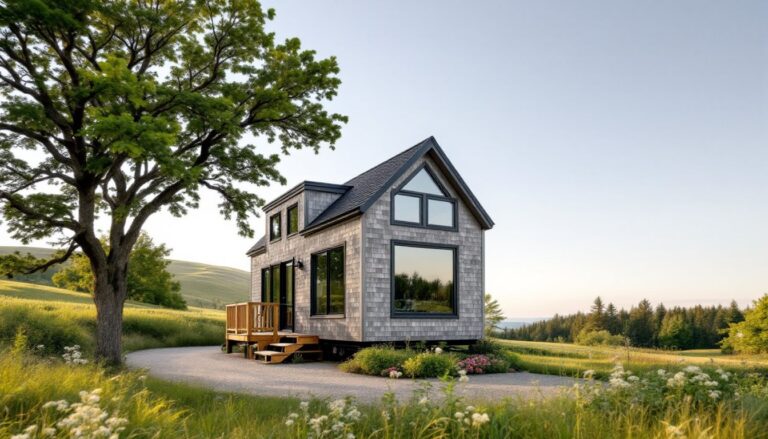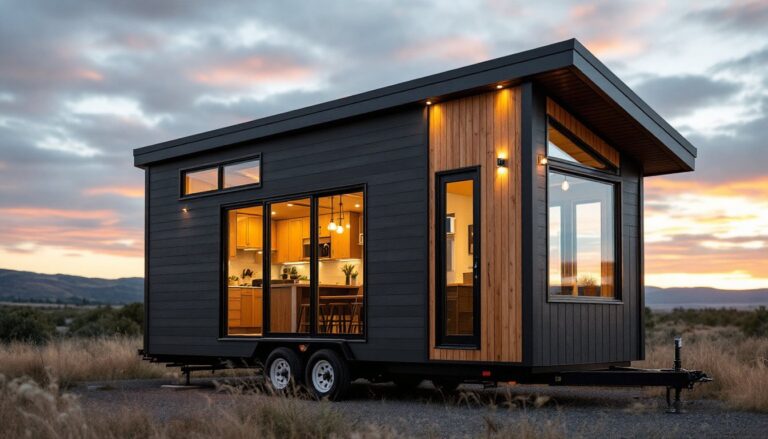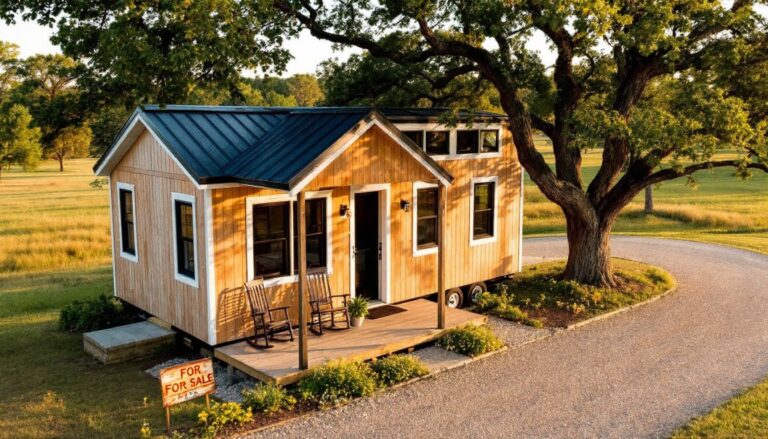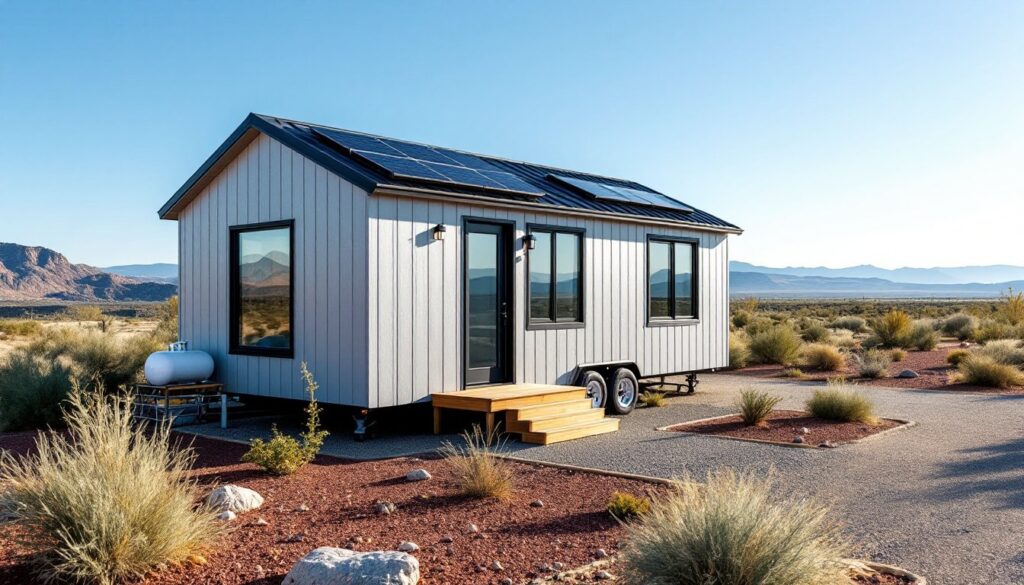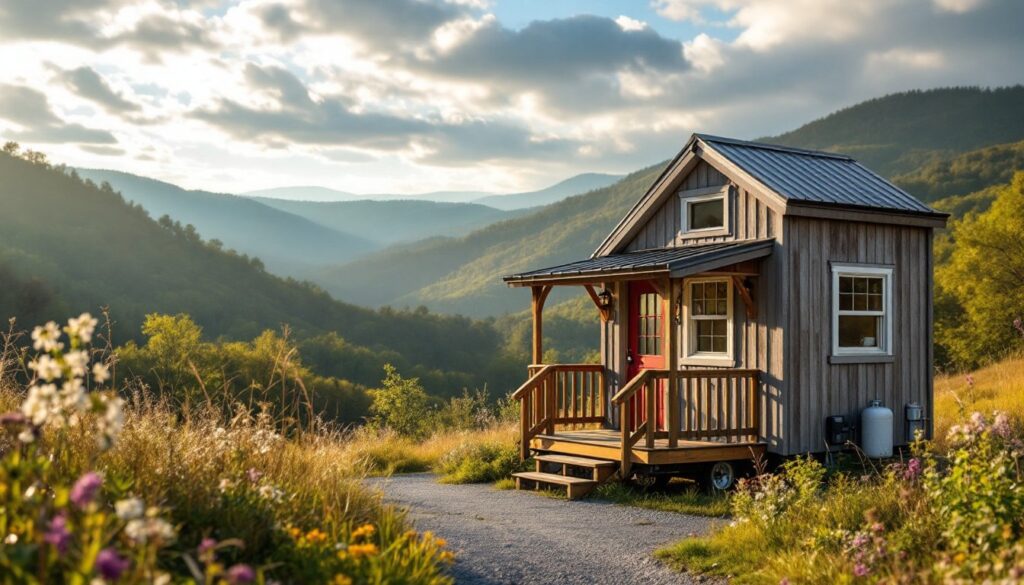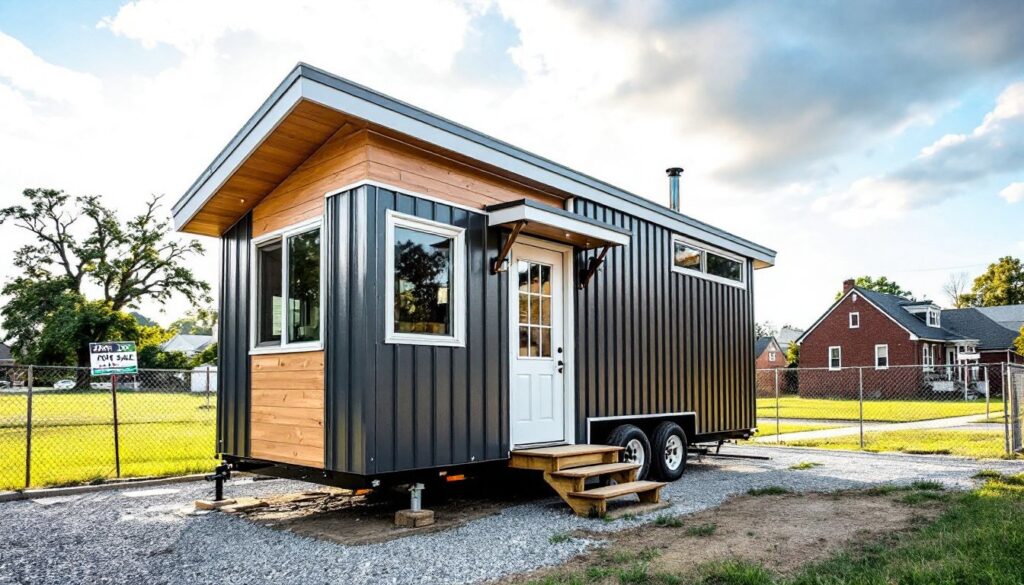

In a world where the unexpected can turn life upside down faster than a cat in a bathtub, having a backup plan is essential. Enter the emergency tiny home shelter—your compact fortress of safety that fits in your backyard or even a parking lot. Think of it as a superhero in disguise, ready to swoop in when disaster strikes, all while being eco-friendly and budget-friendly.
These pint-sized powerhouses aren’t just for the doomsday preppers among us. They offer a cozy refuge for anyone needing a quick escape, whether it’s a natural disaster, a housing crisis, or simply a family member who overstayed their welcome. With their innovative designs and quick setup, emergency tiny home shelters prove that good things really do come in small packages. Embrace the future of emergency preparedness—because who wouldn’t want a tiny home to call their own in times of need?
Overview of Emergency Tiny Home Shelters
Emergency tiny home shelters offer practical, compact solutions in times of crisis. These structures provide immediate refuge from natural disasters, severe weather events, or unexpected housing shortages. Designed for rapid assembly, tiny homes ensure that individuals and families can establish a safe space quickly. Many models emphasize eco-friendliness, utilizing sustainable materials and energy-efficient technologies.
Flexibility characterizes emergency tiny home shelters. Their scalable designs make them suitable for various circumstances, from temporary housing for displaced residents to durable shelters in disaster zones. Some tiny homes include basic amenities like kitchens and bathrooms, enhancing livability during emergencies.
Security and comfort stand as key features. With solid construction, these shelters can withstand harsh conditions while providing a cozy environment. Available in different styles and sizes, users can select options that fit their specific needs. Compact dimensions allow for easy transport and relocation, facilitating shelter distribution in affected areas.
The affordability of emergency tiny home shelters adds to their appeal. Lower construction costs compared to traditional housing make them accessible for many. Financial relief during emergencies is critical, and tiny homes offer an efficient answer without sacrificing quality.
Lastly, organizations and communities are increasingly recognizing the value of emergency tiny home shelters in emergency preparedness plans. Integrating these options into disaster response strategies improves resilience, ensuring better support for individuals during critical moments. Emphasizing their potential helps families stay safe, making tiny homes a valuable resource.
Benefits of Emergency Tiny Home Shelters
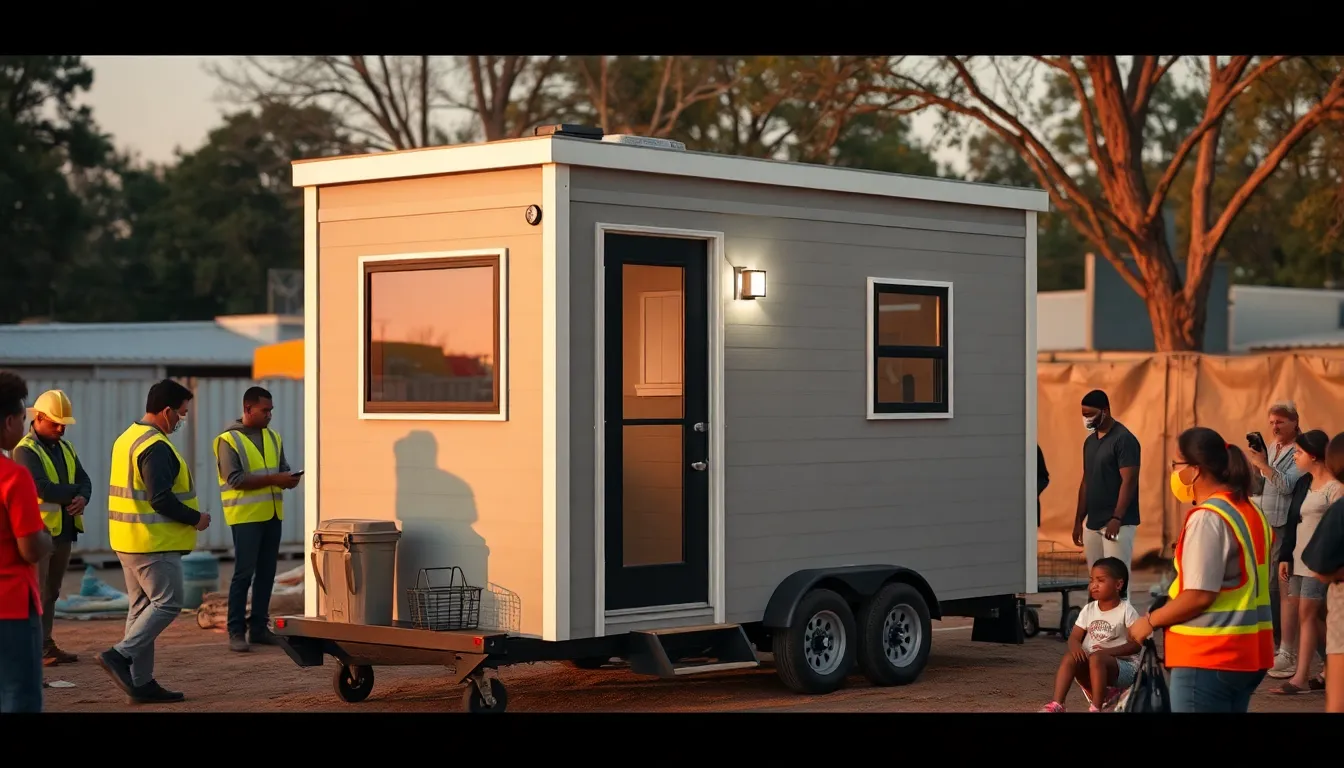
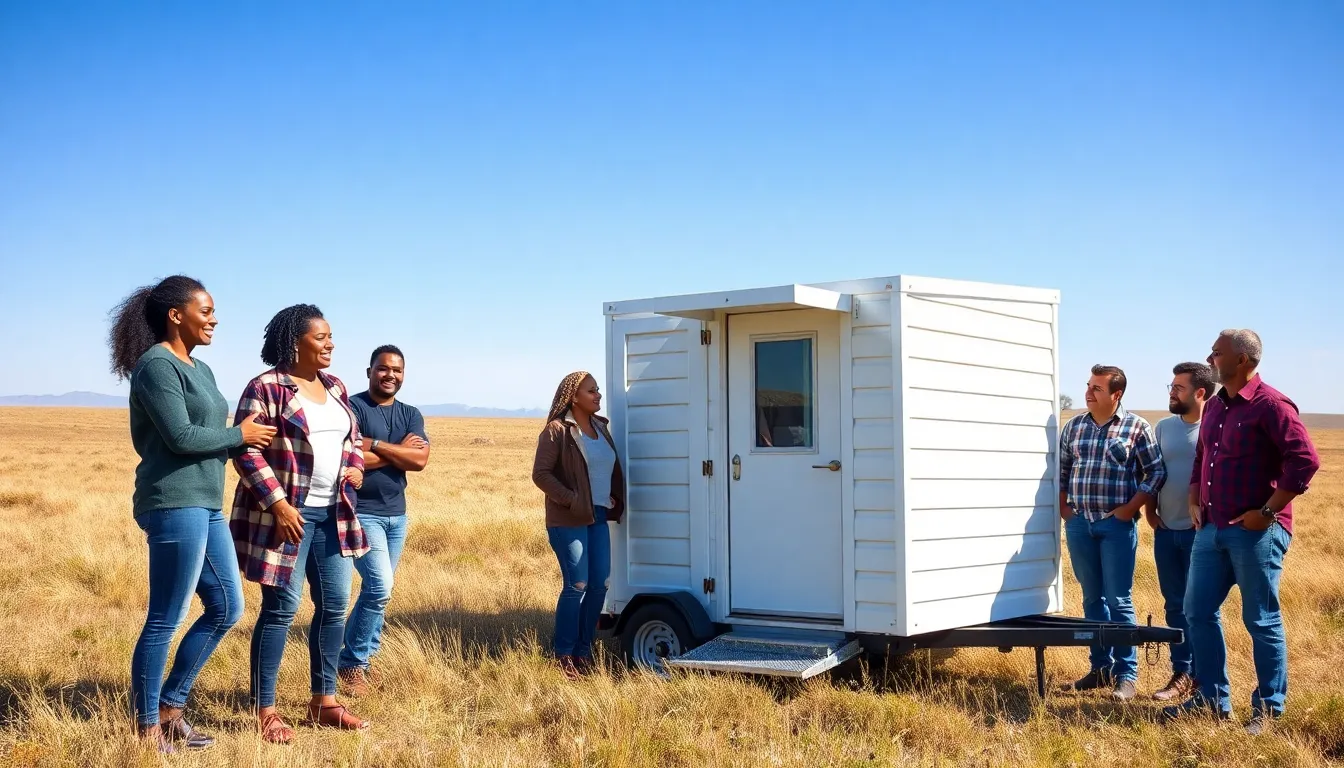
Emergency tiny home shelters provide essential benefits during times of crisis, ensuring safety and stability for those affected.
Cost-Effectiveness
Affordability characterizes emergency tiny home shelters, making them a financially viable option for many families. Initial investments remain lower compared to traditional housing solutions. Maintenance costs also prove to be minimal due to their efficient designs. Communities often benefit from bulk purchasing options when acquiring multiple units for disaster preparedness. As a result, organizations can redirect funds to support additional resources, further enhancing our response capabilities during emergencies.
Accessibility and Mobility
Accessibility ranks high among the advantages of emergency tiny home shelters. Their compact designs facilitate easy transport, allowing rapid deployment to affected areas. Many models feature wheels or modular components for enhanced mobility, supporting quick relocation as needs change. Shelter placement can adapt to various terrains, maximizing their potential usage. Increased accessibility ensures that these homes reach the most vulnerable populations, reinforcing community support during crises.
Design and Features
Emergency tiny home shelters focus on providing a safe and comfortable refuge during crises. Their designs incorporate functionality and practicality to meet various needs.
Sustainability Considerations
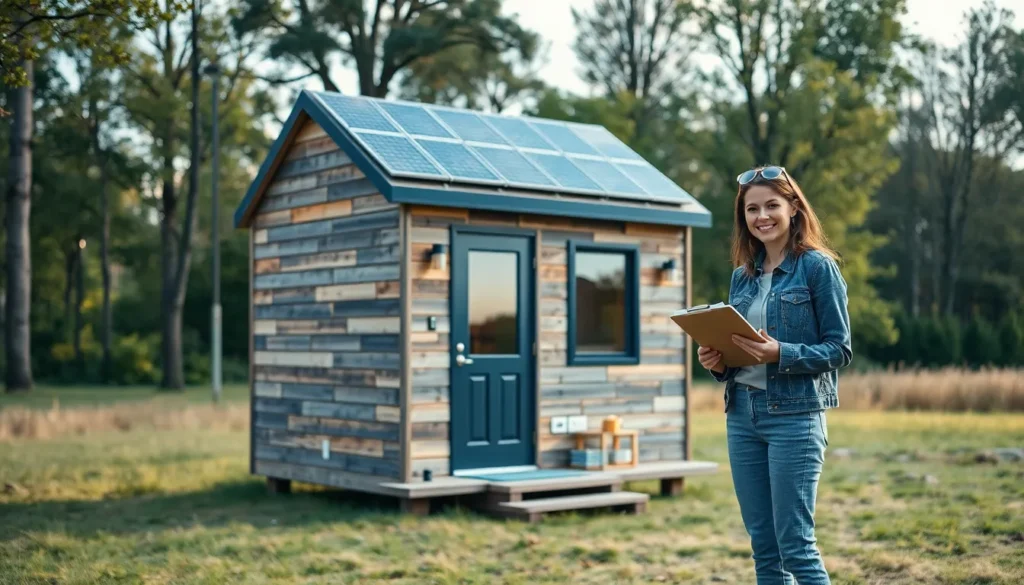
Sustainability plays a crucial role in emergency tiny home shelters. Builders often utilize eco-friendly materials like reclaimed wood and recycled steel. Energy-efficient technologies, such as solar panels and composting toilets, reduce reliance on external resources. Many shelters feature insulation made from sustainable materials, enhancing energy conservation. Modular designs promote reusability and adaptability, decreasing waste during construction and relocation. These sustainable practices not only benefit the environment but also ensure long-term usability in disaster situations.
Space Optimization
Space optimization is essential in tiny home shelters. Designers maximize available square footage by incorporating multifunctional furniture and storage solutions. Walls may fold or slide, allowing fluid movement and versatility within the space. Smart design elements, like built-in shelves and convertible seating, create additional room for occupants. Compact kitchens and bathrooms streamline functionality without sacrificing comfort. Such thoughtful layouts cater to the immediate needs of residents, facilitating a livable environment during emergencies.
Case Studies and Success Stories
Numerous communities have successfully integrated emergency tiny home shelters into their disaster preparedness strategies. The town of Paradise, California, experienced devastating wildfires in 2018. In response, local organizations established a network of tiny home shelters to provide immediate housing for displaced residents. This initiative demonstrated how compact shelters can quickly address urgent housing needs during crises.
Another notable case occurred in Houston, Texas, following Hurricane Harvey in 2017. Many families faced significant displacement due to flooding. Nonprofits distributed tiny homes throughout affected neighborhoods, offering not just shelter, but also stability for families rebuilding their lives. Studies indicate that providing these structures fosters community resilience, enabling faster recovery for residents.
In addition, a pilot program in New Orleans showcased the effectiveness of emergency tiny homes for homeless populations. Shelters installed in city parks offered a safe and supportive environment for individuals seeking refuge. Feedback revealed that residents felt more secure and engaged with their communities, highlighting the psychological benefits of having a dedicated space during difficult times.
Oakland, California, serves as another example of successful implementation. After a series of storms left many without adequate housing, city officials collaborated with local builders to create a fleet of mobile tiny homes. Each unit featured essential amenities, allowing residents to maintain a sense of normalcy while recovery efforts were underway.
Across the nation, emergency tiny home shelters have proven their value in addressing crisis situations. Their versatility offers practical solutions for various communities, while successful implementations illustrate their potential to promote recovery and resilience. By engaging local organizations, these shelters often leverage community support, enhancing their effectiveness in times of need.
Conclusion
Emergency tiny home shelters represent a vital resource in today’s unpredictable world. They not only provide immediate refuge during crises but also foster community resilience and support. With their eco-friendly designs and affordability, these shelters offer practical solutions for families facing unexpected challenges.
As more communities recognize the benefits of integrating tiny homes into their disaster preparedness strategies, the potential for enhanced safety and stability grows. By prioritizing these compact shelters, individuals and communities can ensure they’re better equipped to face whatever emergencies may arise. Embracing this innovative approach could transform how society responds to crises, making it a crucial component of future preparedness efforts.