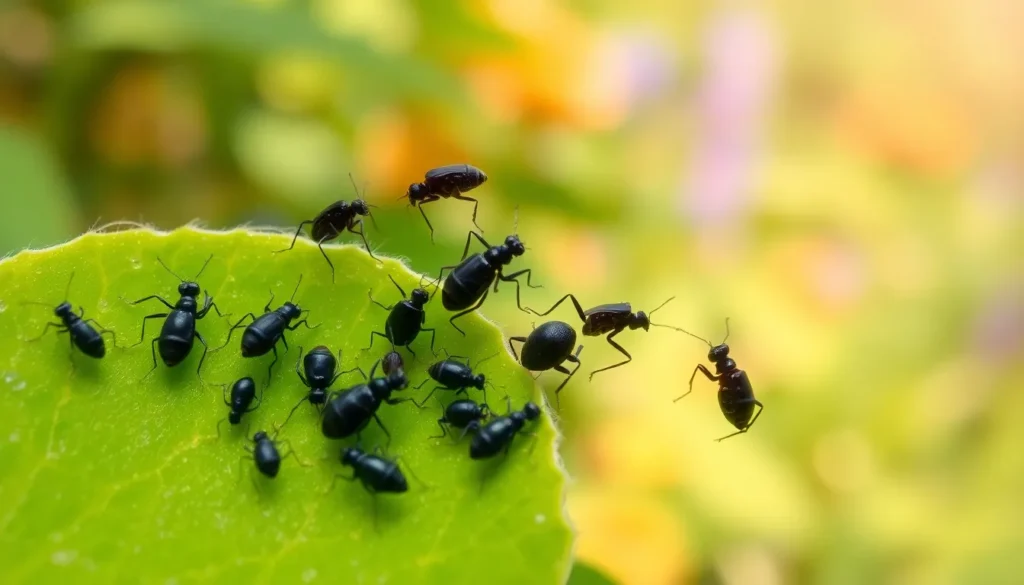

Tiny black bugs that jump like fleas can be a source of frustration for many. Often mistaken for fleas, these pests can invade homes and gardens, causing concern among homeowners and gardeners alike. Their ability to leap great distances makes them particularly elusive, complicating efforts to identify and eliminate them.
Understanding these jumping insects is crucial for effective pest management. Whether they’re a nuisance in your living space or wreaking havoc on your plants, knowing their characteristics and behaviors can help in developing a targeted approach. This article will explore the various types of tiny black jumping bugs, their habits, and practical solutions to keep them at bay.
Overview of Tiny Black Bugs That Jump Like Fleas
Tiny black bugs that jump like fleas can create significant challenges for homeowners and gardeners. Identifying these pests accurately is essential for effective control strategies. Common examples include fleas, springtails, and certain species of leafhoppers.
- Fleas: Fleas are small, dark insects, typically measuring 1/16 to 1/8 inch long. They are known for their jumping ability, which allows them to leap distances up to 150 times their body length. Fleas primarily infest pets and can cause skin irritation in humans.
- Springtails: Springtails, measuring 1/8 inch or less, exhibit a unique jumping mechanism using a tail-like appendage called a furcula. These pests thrive in moist environments, often found in soil or leaf litter. Their presence can indicate high humidity levels.
- Leafhoppers: Leafhoppers are small, agile insects that range from 1/8 to 1/2 inch in length. They are recognized for their ability to hop from plant to plant, damaging crops as they feed. Certain species appear black, creating confusion with fleas.
Understanding the characteristics and behaviors of these jumping insects helps in managing infestations effectively. Adopting preventative measures, like maintaining clean environments and proper landscaping, minimizes the likelihood of encountering these pests.
Identification of Jumping Bugs
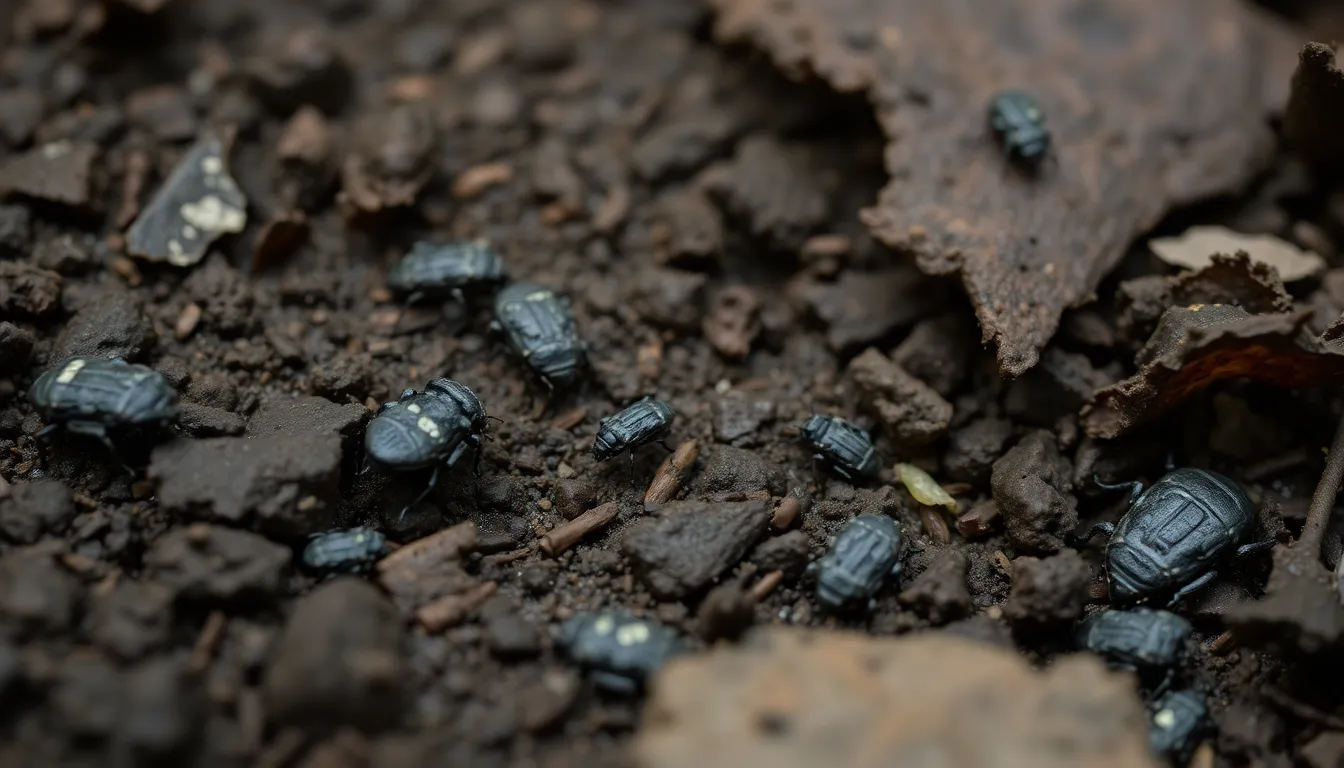
Identifying jumping bugs is essential for effective pest management. Distinguishing these insects based on their physical characteristics and behavior patterns enables homeowners and gardeners to address infestations promptly.
Physical Characteristics
Jumping bugs vary in appearance, but several share common traits. Most are small, measuring between 1/16 to 1/8 inch in length. These insects are typically black or dark brown, allowing them to blend into their surroundings. Fleas possess flat bodies, which enable them to move quickly through fur or hair. Springtails exhibit a more rounded shape, often with a forked tail-like appendage that aids in their jumping ability. Leafhoppers, meanwhile, are more elongated, with distinctive wings that fold over their bodies. Observing these characteristics helps in correctly identifying the bug type.
Behavior Patterns
Behavioral traits provide further insights into the identification of jumping bugs. Fleas are known for their high jumping capability, reaching heights up to 7 inches, which allows them to efficiently transfer between hosts. Springtails prefer moist environments and tend to jump short distances, mainly to escape threats. Often, they are found in decaying organic matter or damp soil. Leafhoppers are agile, hopping from plant to plant, and feed on sap, potentially harming crops. Observing these patterns aids in recognizing the specific pest in a given environment.
Common Types of Jumping Bugs
Recognizing the various types of jumping bugs aids in effective pest management. Key categories include fleas, springtails, and leafhoppers, each with distinct characteristics and behaviors.
Fleas vs. Other Jumping Bugs
Fleas are small, dark insects, averaging 1/16 to 1/8 inch in size, with a flattened body designed for jumping. They primarily infest pets and can leap up to 7 inches vertically, causing skin irritation in both pets and humans. In contrast, springtails range from 1/16 to 1/8 inch, are more rounded, and possess a unique forked tail, enabling them to jump short distances—often less than 2 inches. Leafhoppers, averaging 1/4 inch, appear elongated and possess wings, allowing them to hop between plants and potentially damaging crops. Recognizing these differences informs pest control strategies.
Identification Tips
Identifying jumping bugs involves observing specific characteristics and behaviors.
- Size: Measure these insects—fleas are around 1/16 to 1/8 inch, springtails are similarly sized, and leafhoppers typically reach 1/4 inch.
- Color: Look for color variations—fleas are often dark brown or black, springtails can vary from white to gray, and leafhoppers may be green or brown.
- Body Shape: Note the body shape—fleas boast flattened bodies; springtails are rounded with a forked tail, while leafhoppers have elongated, winged bodies.
- Jumping Style: Observe their jumping capabilities—fleas jump vertically, springtails utilize their tail-like appendage for short leaps, and leafhoppers exhibit agility in hopping between plants.
Utilizing these identification tips enhances the ability to distinguish between types of jumping bugs, facilitating more effective management tactics.
Impact on Homes and Gardens
Tiny black bugs that jump like fleas can significantly affect homes and gardens. Their presence often disrupts daily activities, causing distress among residents. Effective identification of these pests promotes targeted interventions to manage potential infestations.
Fleas
Fleas pose a considerable threat to pets and humans. They can transmit diseases and cause discomfort through bites. Controlling fleas requires regular cleaning of living spaces, using flea treatments for pets, and maintaining outdoor areas. Vacuuming carpets and furniture removes fleas and their eggs, while outdoor treatments can minimize their population near homes.
Springtails
Springtails usually indicate excess moisture. They consume decaying organic matter and contribute to soil health, but an overpopulation in gardens can lead to damage. Maintaining proper drainage and addressing moisture issues can deter springtails. Using mulch sparingly and monitoring irrigation practices helps keep their numbers in check.
Leafhoppers
Leafhoppers can cause serious damage to plants by sucking sap, leading to weakened growth and reduced yield. They transmit plant diseases, affecting crop health. Employing insecticidal soap or introducing natural predators like parasitic wasps can help manage leafhopper populations. Regular plant inspections and the removal of infested leaves can also mitigate their impact.
General Prevention
Regular cleaning, moisture control, and vigilant monitoring create a proactive defense against these jumping bugs. Implementing preventive measures leads to healthier living environments and gardens, ultimately reducing the risks associated with infestations of these pests.
Tiny black bugs that jump like fleas can disrupt homes and gardens if not properly managed. Recognizing the differences between fleas, springtails, and leafhoppers is essential for effective pest control. Each type requires specific strategies for management to minimize their impact.
By staying informed and vigilant, homeowners can take proactive measures to prevent infestations. Regular cleaning and monitoring for signs of these pests can help maintain a healthy living environment. Understanding their behaviors and habitats allows for targeted interventions, ensuring that both homes and gardens thrive without the nuisance of these jumping bugs.